9 Signs you Might be Super Fertile


1. Periods right on Schedule
Getting your periods right on schedule depicts that you might be the super fertile one. This fixed pattern indicates that you are ovulating every month. However, a fact here deserves a mention is that naturally, menstrual cycle depicts fertility not the one that is caused by birth control pills.2. Health Diet
A healthy diet can have countless positive effects on our body. One of the major positive effects is that its effects the fertility of a woman. If you have already opted for a healthier lifestyle and are having healthy meal comprising of all the necessary nutrients; there are higher chances of you being super fertile.3. Healthy Pelvis

✨ Trying to Conceive?
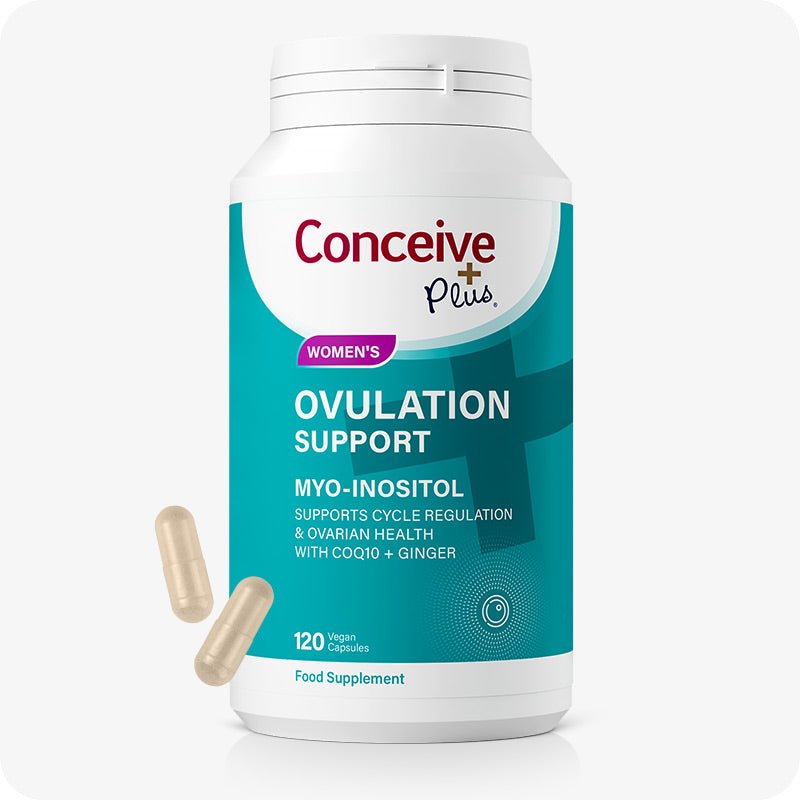
Our fertility supplements combine Myo-Inositol with essential vitamins to support healthy hormone balance and regular ovulation.
Shop Now — $36.00✓ Free shipping available | ✓ Trusted by millions of couples worldwide
4. Hormone Production
It is a known fact that hormone production in a lady’s body also affects her ability to get pregnant. If you are hormone production is normal; you fertility level might be quite high.5. Normal Blood Flow
Although the blood flow during that time of month differs from every woman to woman; but if it isn’t too high or too low; there are greater chances for you to get pregnant and being a fertile lady.6. PMS Symptoms
The chances of a woman being super fertile get higher if she is having all the PMS symptoms i.e. bloating, cramping and breast tenderness.7. Breast Size
A question that may arise here in your mind is that what has breast size to do with being fertile? Well, it actually has a connection. Since a well-developed breast size is a testimony of your hormones being in the healthy state hence it can also indicate that you are ready to get pregnant as you are high on fertility.8. Medical History
If you have a clean medical history and have had a good gynaecologist care since the beginning of your sexual activity, you have good chances of being super fertile.9. Affecting Other’s Periods
The likelihood of a woman being high on fertility enhances even more if they are affecting other women’s period. You may have witnessed your roommate’s period being synced up with you; this might be the effect of your pheromones. Check with the above-mentioned signs before heading to your doctor to know whether you are fertile or not.🌱 Support Your Fertility Journey
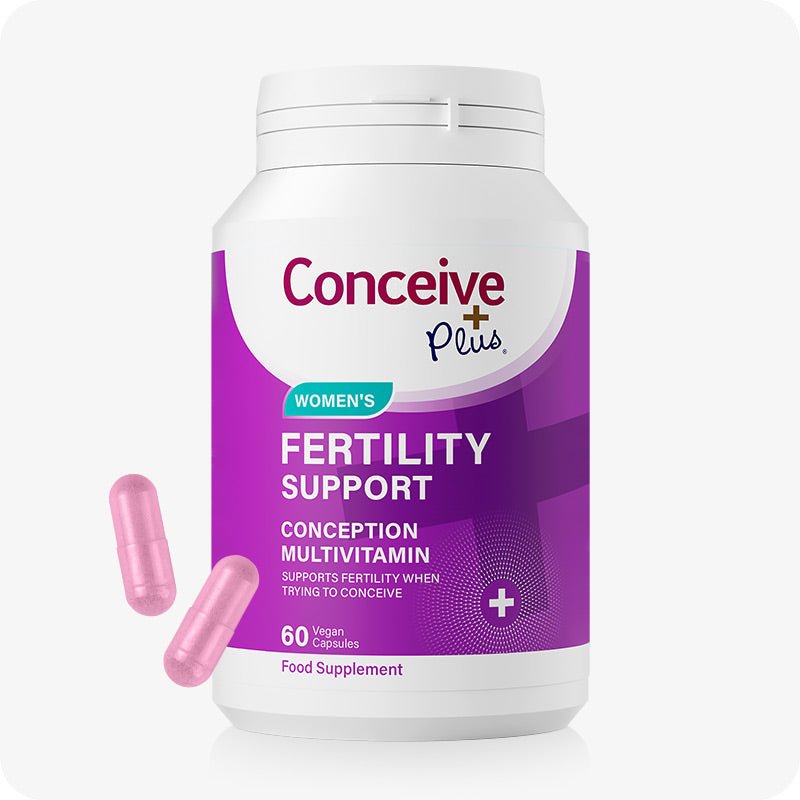
Conceive Plus fertility supplements are clinically formulated to help regulate your cycle and support egg quality.
Shop Fertility Support →Frequently Asked Questions
Recommended by Fertility Experts
Conceive Plus PCOS Range
A targeted nutritional approach to support hormonal balance and reproductive health for women with PCOS.
Shop Now →What are the signs of being super fertile as a woman?
Signs that may indicate higher fertility include having regular menstrual cycles (typically 21-35 days), experiencing normal PMS symptoms like bloating and breast tenderness, and having a healthy blood flow during your period. A balanced diet, healthy hormone production, and no significant pelvic pain can also suggest good reproductive health. However, the only way to truly assess your fertility is through medical evaluation with your GP or a fertility specialist.
How do I know if my periods are regular enough to be fertile?
A regular menstrual cycle typically falls between 21 and 35 days, according to NHS guidelines. If your periods arrive consistently within this range each month, it's generally a good indicator that you're ovulating regularly. Tracking your cycle using an app or calendar can help you identify patterns and spot any irregularities worth discussing with your GP.
Can I get a fertility check on the NHS if I think I'm very fertile?
The NHS typically offers fertility investigations to couples who have been trying to conceive for 12 months without success, or after 6 months if the woman is over 35. If you're simply curious about your fertility levels rather than experiencing difficulties, you may need to seek private fertility testing. It's worth noting that 1 in 7 UK couples experience fertility issues, so if you have concerns, speaking with your GP is always a sensible first step.
Does having bad period pain mean I'm less fertile?
Severe period pain can sometimes indicate underlying conditions such as endometriosis or pelvic inflammatory disease, which may affect fertility. However, experiencing some discomfort during menstruation is completely normal and doesn't necessarily mean you'll have difficulty conceiving. If your period pain is severe enough to disrupt
What diet should I follow to boost my fertility in the UK?
NHS guidance recommends a balanced diet rich in fruits, vegetables, whole grains, and lean proteins to support reproductive health. Taking a daily supplement containing 400 micrograms of folic acid is advised for all women trying to conceive. Maintaining a healthy weight is also important, as NICE guidelines note that both being underweight and overweight can affect ovulation and your chances of conception.
How long should I try to conceive before seeing my GP about fertility?
NICE guidelines recommend that couples under 35 should try to conceive for 12 months before seeking medical advice, whilst those over 35 should consult their GP after 6 months of trying. If you have known conditions that may affect fertility, such as irregular periods or previous pelvic infections, you can request an earlier referral. Your GP can arrange initial tests and, if needed, refer you to an NHS fertility clinic, though waiting times vary by area and CCG funding criteria.
Are there any signs I should look out for that might mean I'm not as fertile?
Warning signs that may indicate reduced fertility include very irregular or absent periods, extremely heavy or painful menstruation, and symptoms of hormonal imbalances such as excessive hair growth or severe acne. If you're over 35 and have been trying to conceive without success, or have a history of pelvic infections or sexually transmitted infections, it's worth speaking to your GP sooner rather than later. Early investigation can help identify any issues and ensure you receive appropriate support or treatment.
Trusted by Couples in Over 70 Countries
Take Control of Your Reproductive Health With PCOS
Living with PCOS presents unique challenges on the path to conception. Conceive Plus PCOS range is formulated with key nutrients to help support hormonal balance and a healthy cycle, empowering you on your fertility journey.
Explore the PCOS Range →