7 Pregnancy Tips To Help You Conceive


1. Smoking
According to the Health Insite, (Australian Government initiative) smoking is an important risk factor for the three diseases that cause most deaths in Australia: heart disease, stroke and lung cancer. Smoking has also been linked to cancers of the mouth, bladder, kidney, stomach and cervix, among others. Smokers are also at increased risk of having reduced lung function from chronic obstructive pulmonary disease. Using tobacco has been linked to a variety of other conditions, such as diabetes, peptic ulcers, some vision problems, and back pain. Smoking in pregnancy can lead to miscarriage, stillbirth or premature birth. Smoking can negatively affect sperm and your fertility.2. Stress Management
Trying to conceive can be a stressful time in a couple's relationship. Stress negatively affects fertility in many ways. Look for ways to reduce stress in your life. Perhaps try yoga, mediation, swimming; look for something you will enjoy and that you feel is relaxing. Most importantly, fun and laughter will help with a happy mental state. Try and create a fun environment for sex, enjoy love making rather than focusing on it as a task.3. Weight Management

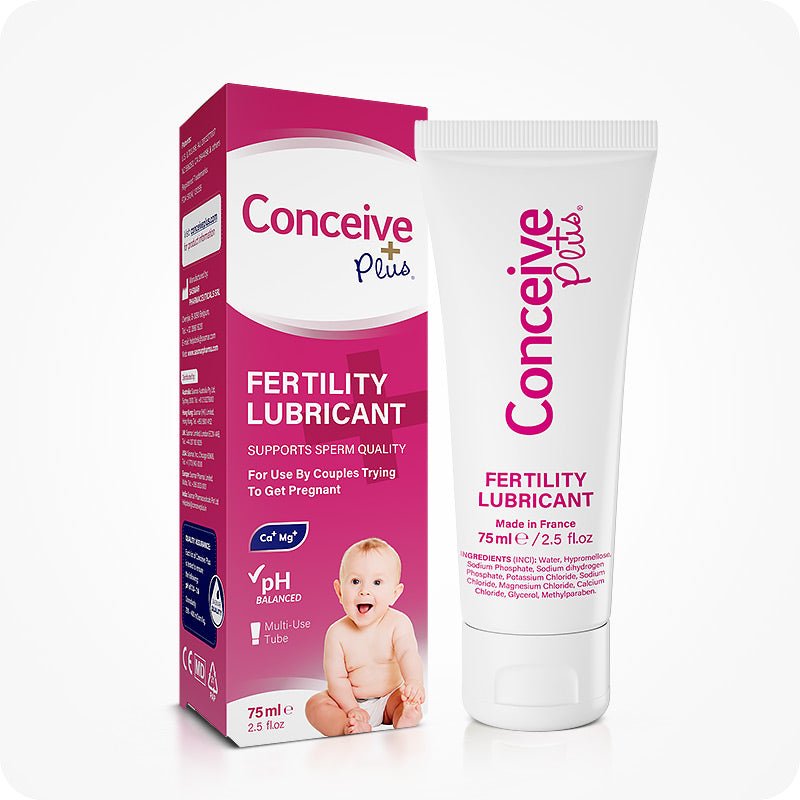
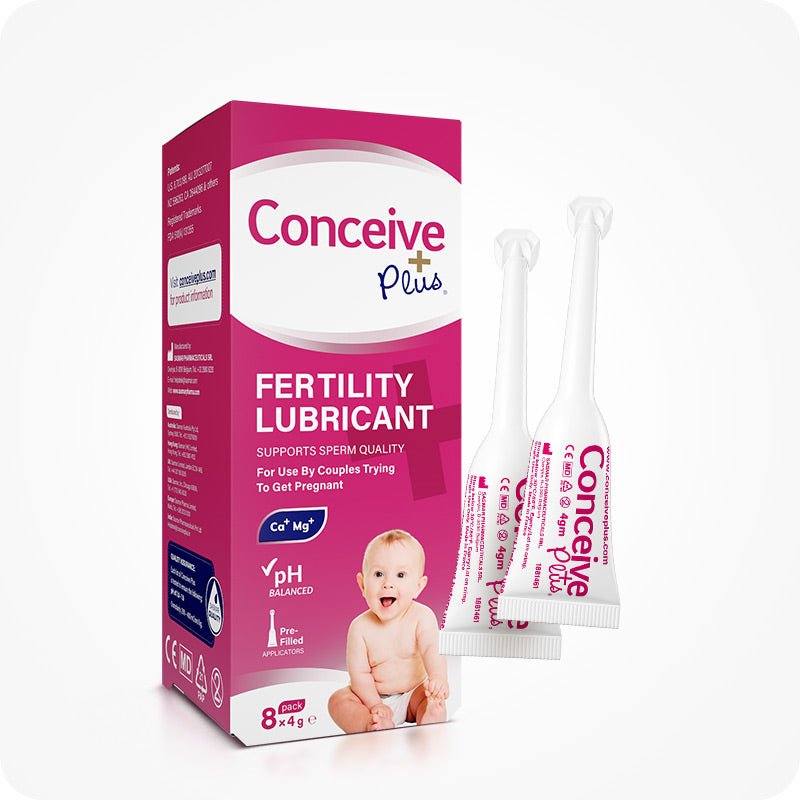
✨ The #1 Fertility-Friendly Lubricant
Regular lubricants can harm sperm. Conceive Plus is clinically shown to maintain sperm motility — used by couples in over 70 countries.
Shop Now — $19.99✓ Free shipping available | ✓ Trusted by millions of couples worldwide
4. Alcohol Consumption
Alcohol can affect fertility. We advise against drinking alcohol before and during pregnancy. Drinking alcohol can increase the risk of miscarriage and abnormalities in the baby. Alcohol can also affect healthy sperm so it is advisable for men to reduce their alcohol consumption.5. Medication/Drugs
It is best to discuss with your GP or specialist about any medications you are taking that may affect fertility. It is also important to review any over the counter medications you and your partner are taking as they may also affect fertility and sperm count.6. Other Toxins
Your home or workplace may be potential sites for toxins that may be damaging to fertility and pregnancy. Seek the advise of a healthcare practitioner to identify and sources and provide treatment for the elimination of substances.Workplace and home environment substances could include: pesticides e.g. DDT, dibromochloropropane, chlordecone, ethylenedibromide, chlorpyrifos (Dursban) herbicides e.g. Dioxin fungicides hydrocarbons e.g. vehicle emissions, benzopyrene, PCB chemical solvents e.g. xylene, acetone, trichlorethylene, petroleum distillates, paint thinners and strippers, glycol ethers found in paint, solder vapors toxic smoke from burning synthetic and plastic based compounds textile dyes dry cleaning chemicals lead, mercury, cadmium gasoline, oil-based paints, cleaning solvents, adhesives exposure to radiation can be toxic to a pregnancy.7. Foods To Avoid When Trying to Conceive
Peas: A chemical in peas have anti-fertility effects for both men and women. Scientists discovered that the birth rate in Tibet was considerably lower than other parts of the world. The cause was found to be peas, a staple food for the population. In clinical trails performed in the USA women were given the chemical (in capsule form) found in peas and pregnancies dropped by 60%. In men sperm rates were slashed by 50% too. Soft drinks: Soft drinks contain more sugar than almost anything else you can eat. A single can contains approximately 10 teaspoons of sugar. Unfortunately, switching to diet soda won’t solve the problem. Soy Products: Soy foods contain a natural source of estrogen which can be beneficial but if you are trying to get pregnant any excess in estrogen can cause hormonal imbalances. The result is often interference with ovulation and egg production. It is therefore wise to avoid all forms of soy foods when you are trying to get pregnant. _____________ Conceive Plus fertility lubricant is for couples who are trying to conceive a baby naturally. If you are trying to get pregnant, use Conceive Plus during ovulation and your most fertile times will increase your chances of getting pregnant.🌱 Give Sperm the Best Chance
Conceive Plus fertility lubricant is pH-balanced to support sperm on their journey. Recommended by fertility specialists worldwide.
Shop Fertility Lubricant →Frequently Asked Questions
Recommended by Fertility Experts
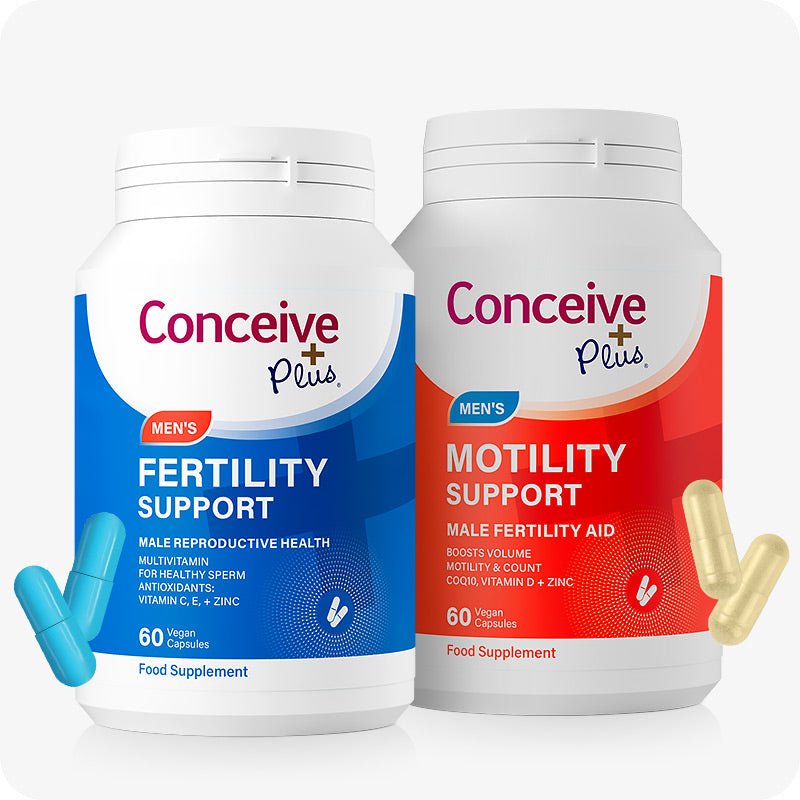
Conceive Plus Men's Fertility Support
Designed to support healthy sperm production, motility, and overall male reproductive health with clinically studied nutrients.
Shop Now →How long should my partner stop smoking before we try to conceive?
The NHS recommends stopping smoking at least 3 months before trying to conceive, as this is the time it takes for sperm to fully develop and regenerate. Ideally, both partners should quit smoking entirely, as even passive smoke exposure can affect fertility and early pregnancy outcomes. If you need support quitting, your GP can refer you to NHS Stop Smoking Services, which are free across the UK.
Can stress really affect my ability to get pregnant?
Yes, chronic stress can interfere with the hormones necessary for ovulation and regular menstrual cycles, potentially reducing fertility in both men and women. The NHS acknowledges that managing stress is an important part of preconception health. Techniques such as mindfulness, yoga, counselling, or speaking with a fertility specialist can help, and organisations like the British Fertility Society offer resources for couples.
What's the ideal weight to conceive, and does it really matter?
Being within a healthy BMI range (18.5-24.9) is recommended by fertility specialists and the NHS for optimal conception chances, as both underweight and overweight bodies can affect hormone levels and ovulation. Your GP can discuss your individual target weight and refer you to a dietitian if needed. If you're struggling with weight management, the NHS provides free support through your local practice.
Should I avoid using regular lubricant when trying to conceive?
Yes, many standard lubricants can reduce sperm motility and viability, making conception more difficult. The HFEA and fertility clinics recommend using only sperm-friendly lubricants if lubrication is needed during intercourse. If you're unsure about products, speak with your fertility clinic or GP, who can recommend alternatives that won't compromise your chances of conception.
How long does it take for lifestyle changes to improve fertility?
Since sperm takes approximately 3 months to develop fully, men should ideally make lifestyle changes at least 3 months before attempting conception. For women, hormonal improvements from diet, stress reduction, and weight management can begin within weeks, though several months of consistent changes may be needed to see significant effects on fertility. Your NHS fertility clinic can provide a personalised timeline based on your specific circumstances.
Do I need to see my GP before making lifestyle changes to conceive?
Whilst you can start making healthy lifestyle changes independently, it's advisable to book a preconception appointment with your GP to discuss your health, medications, and fertility goals. Your GP can check your general health, ensure you're up to date with vaccinations (such as rubella immunity), and refer you to appropriate services like NHS Stop Smoking or a fertility clinic if needed after 12 months of trying.
Can diet affect male fertility as well as female fertility?
Absolutely—a healthy diet benefits male fertility significantly, as poor nutrition can reduce sperm count, motility, and morphology. Both partners should aim for a balanced diet rich in antioxidants, vitamins, and minerals, including fruits, vegetables, whole grains, and lean proteins, as recommended by the NHS and fertility specialists. If you have concerns about either partner's fertility, your GP can refer you to a registered dietitian specialising in preconception health.
Trusted by Couples in Over 70 Countries
Support Male Fertility From the Inside Out
Male fertility is just as important as female fertility in the conception journey. Conceive Plus Men's range delivers targeted nutritional support to promote healthy sperm and overall reproductive wellbeing.
Shop Men's Range →