Navigating the waters of fertility can be complex and fraught with questions. One of the most pressing for many men is the accuracy of male fertility tests. Let’s dive into the world of these tests and uncover the truths that lie beneath the surface.
Understanding Male Fertility Tests
Male fertility tests measure various factors that are vital for conceiving, such as sperm count, motility (the ability of the sperm to move), and morphology (the shape and size of sperm). These aspects provide invaluable insights into a man’s reproductive health and his chances of conceiving.
It’s essential to recognize that these tests don’t paint a complete picture on their own. They are parts of a broader fertility puzzle, assessing the sperm’s potential contribution to successful conception but not considering female reproductive factors or the complexities of combined fertility issues.
Types of Male Fertility Tests Available
Among the spectrum of male fertility tests, the semen analysis stands out as the cornerstone. It evaluates sperm count, motility, and morphology. Other tests might measure hormone levels to assess the endocrine system’s role in fertility, while advanced diagnostics like genetic tests uncover potential inherited fertility issues.
Additional specialized tests, such as the post-ejaculation urinalysis, can help detect retrograde ejaculation, a condition where semen enters the bladder instead of exiting through the penis.
How Accurate Are Home Male Fertility Tests?
Home male fertility tests offer a convenient, albeit preliminary, look at sperm count—one of the crucial fertility variables. However, their simplicity comes at the cost of a comprehensive analysis. They don’t evaluate motility or morphology, aspects critical for assessing a sperm’s ability to fertilize an egg.
Given these limitations, home tests should be viewed as an initial step or a screening tool rather than a definitive fertility evaluation. They can signal the need for further investigation but cannot replace the depth of assessment provided by clinical tests conducted in medical laboratories.
✨ Support Healthy Sperm
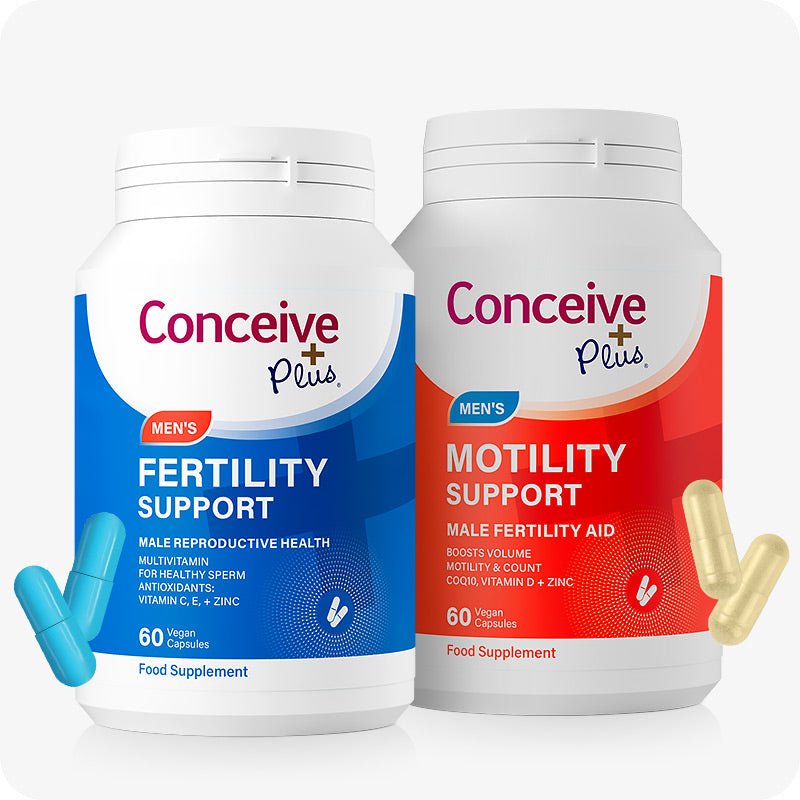
Our Motility Support supplement contains Zinc, CoQ10, and L-Carnitine — clinically studied nutrients for sperm health and motility.
✓ Free shipping available | ✓ Trusted by millions of couples worldwide
Clinical Male Fertility Tests vs. Home Kits
Clinical male fertility tests conducted in professional labs offer a comprehensive evaluation of a man’s fertility status. Unlike home tests, these examinations cover a broader range of parameters, including sperm count, motility, morphology, and sometimes even DNA integrity.
This encompassing approach allows for a nuanced understanding of fertility and pinpoints specific issues that home kits simply cannot detect. The expertise of laboratory professionals ensures the accuracy and reliability of the results, making them a gold standard for those serious about assessing male fertility.
Factors That Affect the Accuracy of Male Fertility Tests
Several variables can influence the outcomes of male fertility tests, making it essential to follow pre-test instructions meticulously. Factors such as abstinence period, alcohol consumption, and even the timing of the test relative to the last ejaculation can skew the results.
Moreover, external factors like stress and lifestyle habits, including diet and exercise, play crucial roles in sperm health and can affect test outcomes. Consistency and accuracy in sample collection are also pivotal for dependable results.
It’s noteworthy that biological variability and lab methodologies can lead to discrepancies. Therefore, results from different tests or labs might slightly vary, underpinning the importance of professional interpretation of these tests.
Improving the Accuracy of Male Fertility Tests
To enhance the reliability of male fertility tests, adhering to pre-test guidelines is paramount. Factors such as maintaining the recommended period of sexual abstinence before the test and avoiding factors that can negatively impact sperm quality, like smoking and excessive alcohol consumption, are vital.
Repeated testing can also improve accuracy, providing a broader data set that accounts for natural fluctuations in sperm quality and quantity. Engaging with reputable labs and seeking tests that cover a comprehensive range of fertility markers further ensures the precision of the assessment.
When to Consult a Doctor for Male Fertility Issues
Consulting a doctor becomes imperative if home or clinical fertility tests suggest potential issues or if there’s been no pregnancy after a year of trying. A healthcare provider can offer a thorough diagnosis and tailor a treatment plan to address specific fertility concerns.
Men experiencing symptoms such as erectile dysfunction, pain, swelling in the testicular area, or a history of health problems known to affect fertility should seek medical advice promptly. Early intervention can address underlying conditions and improve the chances of conception.
The Final Word on Male Fertility Tests
As we wrap up this exploration into the realm of male fertility tests, it’s critical to remember the importance of comprehensive evaluation and professional advice. While these tests offer invaluable insights into men’s reproductive health, combining their results with expert consultation is paramount. If you’ve ventured into the world of male fertility tests, consider them a step towards understanding, but not the final word. For certainty and detailed guidance, a healthcare provider specializing in fertility is your best ally.
🌱 Boost Male Fertility Naturally
Conceive Plus Men's Motility Support is formulated with the nutrients that matter most for sperm quality, count, and motility.
NHS semen analysis tests are highly accurate when conducted in an accredited laboratory, as they assess sperm count, motility, and morphology according to World Health Organisation standards. Your GP can refer you for testing after you've been trying to conceive for 12 months without success, or sooner if there are known concerns. Results are typically reviewed alongside your partner's fertility assessments to give a complete picture.
Conceive Plus Men's Fertility — CoQ10, Zinc & key nutrients
Are home sperm test kits as reliable as hospital tests?
Home sperm tests can give you a general indication of your sperm count, but they're not as comprehensive as a full semen analysis. They don't measure crucial factors like motility (how well sperm swim) or morphology (sperm shape), which are essential for fertilisation. If your home test shows a low count, or you've been TTC for over a year, it's worth requesting a proper NHS referral for more accurate results.
How long does it take to get male fertility test results on
Conceive Plus Men's Motility Support — available now
the NHS?
NHS waiting times vary depending on your local Clinical Commissioning Group (CCG) and laboratory capacity, but you can typically expect results within 1-3 weeks of your semen sample being submitted. Your GP surgery will contact you to discuss the findings, and if abnormalities are detected, you may be asked to repeat the test to confirm results, as sperm quality can fluctuate.
Can a normal sperm test result still mean male fertility issues?
Yes, a normal semen analysis doesn't guarantee fertility, as standard tests don't assess factors like sperm DNA fragmentation or the sperm's ability to penetrate an egg. According to NHS statistics, 1 in 7 UK couples experience fertility issues, and sometimes the cause remains unexplained even with normal test results. If you're still struggling to conceive, your GP may refer you to a fertility specialist for more advanced testing.
What do NICE guidelines say about male fertility testing?
NICE guidelines recommend that men should be offered a semen analysis as part of an initial fertility assessment if conception hasn't occurred after 12 months of regular unprotected intercourse. The guidelines also state that a repeat test should be performed if the first result is abnormal, ideally 3 months later. Your GP should arrange these tests before any referral to secondary fertility services.
Do I need a GP referral for a male fertility test in the UK?
For NHS-funded semen analysis, you'll need a referral from your GP, who will assess your situation and arrange the test at a local hospital or fertility clinic. Private fertility clinics can offer testing without a GP referral, though costs typically range from £100-£300. Many couples opt for private testing to avoid NHS waiting times whilst still pursuing an NHS referral for any subsequent fertility treatment.
How many sperm tests do you need before starting fertility treatment on the NHS?
NICE guidelines recommend at least two semen analyses before a diagnosis of male factor infertility is made, as sperm parameters can vary significantly between samples. These tests should be spaced around 3 months apart to account for the sperm production cycle. Once confirmed, your local CCG's funding criteria will determine what fertility treatments, such as IVF or ICSI, may be available to you on the NHS.
Trusted by Couples in Over 70 Countries
Support Male Fertility From the Inside Out
Male fertility is just as important as female fertility in the conception journey. Conceive Plus Men's range delivers targeted nutritional support to promote healthy sperm and overall reproductive wellbeing.