Boost Baby Making for Men with these 6 Things


One more reason to be as fit as possible when you are baby making; fitter sperm and healthy kids. Boost your sperm and strengthen your DNA today with these Conceive Plus tips

✨ Trying to Conceive?
Our fertility supplements combine Myo-Inositol with essential vitamins to support healthy hormone balance and regular ovulation.
Shop Now — $36.00✓ Free shipping available | ✓ Trusted by millions of couples worldwide
- You are what you eat. Diet affects not only your health but also your sperms molecular makeup. Eat healthier foods for healthier sperm. Research shows men who consumed 90mg of vitamin C a day had 20 percent less Sperm DNA Damage.
- Cut back on sugar. A 2013 FASEB Journal study found prediabetic conditions in males led to glucose intolerance and insulin resistance in offspring.
- Cut back on FAT. A study published in 2013 found that for every 5% increase in saturated fat, sperm count dove by 38%
- Cut back on Alcohol Studies show alcohol intake lowers your testosterone levels potentialling coding reduced testosterone levels into the genes you pass on. Loyola University Researchers found that over indulgence can affect sperm production in three different ways, impairing hormone production in the brain and even the testes. There is a direct link between excessive consumption and the effects on successful baby making.
- Relax. A 2014 study published in Fertility and Sterility found an inverse relationship between stress and sperm strength.
- Lose weight. A Danish study found that men with high BMIs experienced a 20% decrease in sperm concentration.
Pregnancy tips to help you conceive
The time to start working toward a healthy pregnancy is before you conceive. If you are trying to get pregnant quick, our pregnancy tips are good start to get your body ready for conception process.Information about Conceive Plus
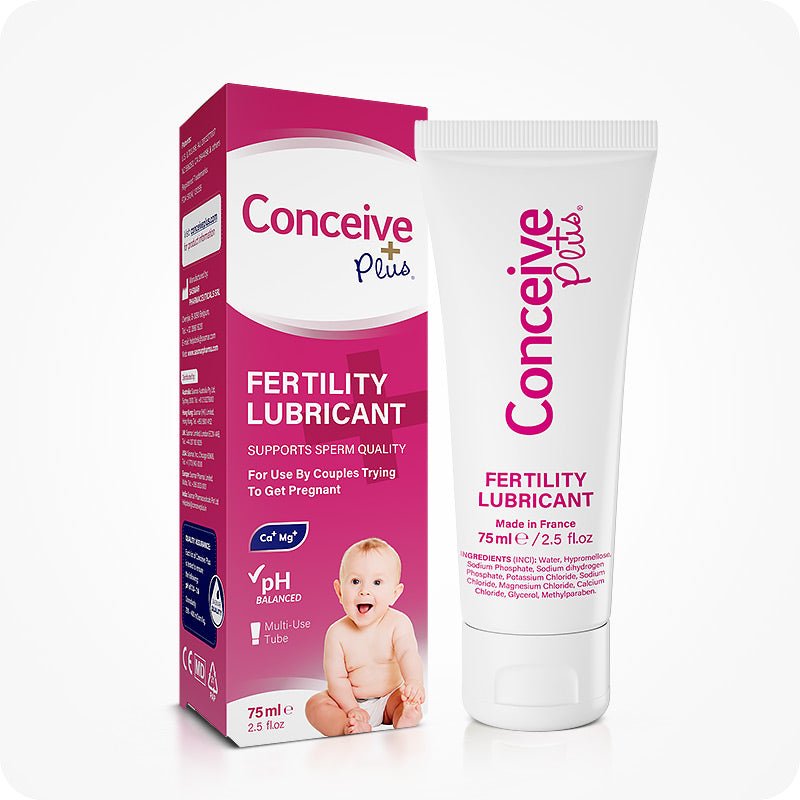
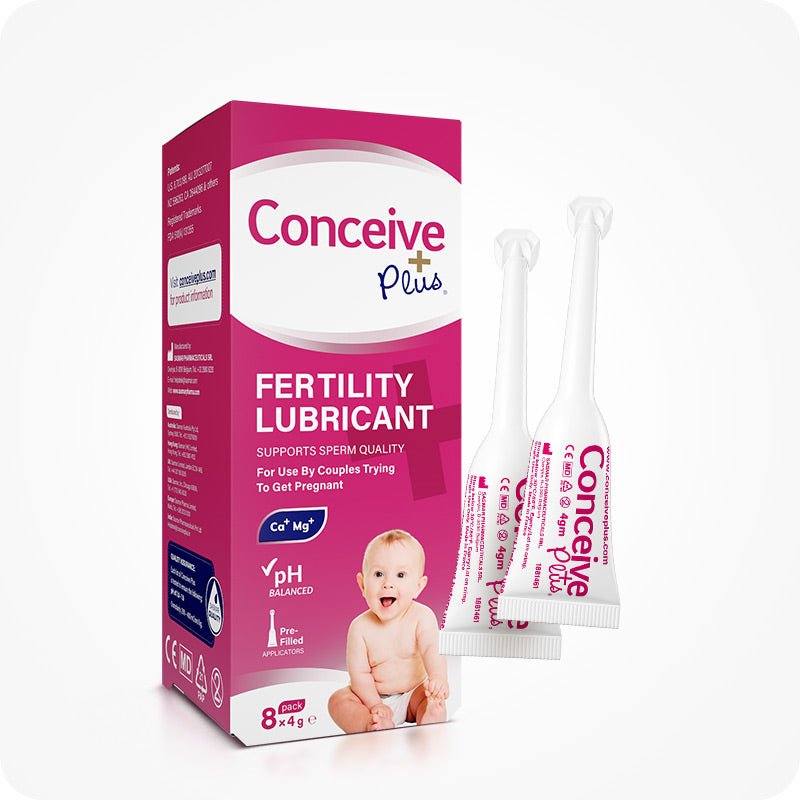
If you have just started trying to get pregnant or have been trying for a while, Conceive Plus® can help increase your chances of conception naturally! Recommended by doctors, pharmacists and fertility clinics in more than 60 countries, this is the fertility friendly lubricant approved by the FDA and a prescription is not required. For where to buy Conceive Plus, visit our where to buy page🌱 Support Your Fertility Journey
Conceive Plus fertility supplements are clinically formulated to help regulate your cycle and support egg quality.
Shop Fertility Support →Frequently Asked Questions
Recommended by Fertility Experts
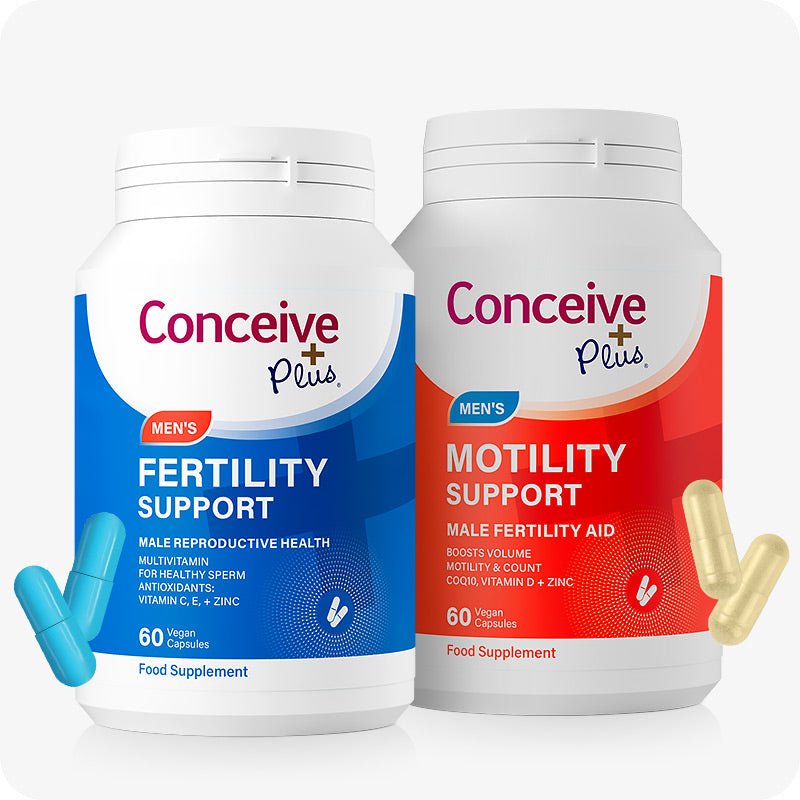
Conceive Plus Men's Fertility Support
Designed to support healthy sperm production, motility, and overall male reproductive health with clinically studied nutrients.
Shop Now →Can a man's diet really affect his fertility and sperm quality?
Yes, research strongly supports the link between diet and sperm health. Studies show that men who consume adequate vitamin C (around 90mg daily) have approximately 20% less sperm DNA damage. The NHS recommends maintaining a healthy, balanced diet as part of optimising fertility for both partners when trying to conceive.
How long should my partner improve his lifestyle before we start trying to conceive?
Sperm takes approximately 74 days to develop fully, so the NHS suggests making lifestyle changes at least 2-3 months before you start trying for a baby. This gives enough time for healthier sperm to be produced, improving your chances of conception and potentially the health of your future child.
Does being overweight affect male fertility in the UK?
Yes, being overweight or obese can significantly impact male fertility. Research shows that higher saturated fat intake can reduce sperm count by up to 38% for
How much alcohol is safe to drink when trying for a baby as a man?
Whilst there's no official "safe" limit, research indicates that excessive alcohol consumption can lower testosterone levels and impair sperm production. The NHS advises men to stick within the recommended 14 units per week and to spread drinking over several days rather than binge drinking, as this can affect your chances of conceiving.
Can stress really affect my partner's sperm quality?
Yes, a 2014 study in Fertility and Sterility found an inverse relationship between stress levels and sperm strength. Given that 1 in 7 UK couples experience fertility issues, managing stress through relaxation techniques, exercise, and adequate sleep is an important but often overlooked factor when trying to conceive.
Will the NHS test my partner's sperm if we're struggling to conceive?
According to NICE guidelines, couples who have been trying to conceive for 12 months without success should be offered fertility investigations, including a semen analysis for the male partner. Your GP can arrange this referral, though waiting times vary depending on your local Clinical Commissioning Group (CCG) or Integrated Care Board (ICB).
What supplements should men take to boost fertility in the UK?
Whilst the NHS doesn't recommend specific supplements for male fertility, research supports the benefits of vitamins C and E, zinc, and folic acid for sperm health. It's best to obtain nutrients through a balanced diet first, but if you're considering supplements, speak with your GP or a registered dietitian to ensure they're appropriate for your individual needs.
Trusted by Couples in Over 70 Countries
Support Male Fertility From the Inside Out
Male fertility is just as important as female fertility in the conception journey. Conceive Plus Men's range delivers targeted nutritional support to promote healthy sperm and overall reproductive wellbeing.
Shop Men's Range →