BFP! After 2 Miscarriages in a Row and About to Start IVF...
Conceive Plus user testimonial
Posted on Mon, 07/30/2012 - 11:23 Hi, I am 36 and my fiancée is 37. I have a very regular cycle. We started TTC in November 2011 and fell pregnant in December 2011. Unfortunately found our baby had no heartbeat at 9 weeks, had a D&C. Was absolutely gutted but fell pregnant again 4 months later only to start bleeding at 8 weeks - my OB found NOTHING on my scan and suspected an Ectopic. Went in for an emergency D&C and Laparoscopy and thankfully it was not in my tubes - she couldn't find it, which meant it, was classified as an "unknown location". I felt something was wrong at the 6th week mark of this pregnancy as I started spotting and I had ZERO symptoms - sure enough... 5-6 months down the track we were referred to a Fertility Specialist and had all our tests done. My tests came back all normal but DH's sperm morphology was only 2% (motility and count were normal) which is probably why we weren't having any success. So, for the past 11 weeks he has been leading a healthier lifestyle and taking lots of vitamins!! We were all booked in to start IVF in 4 weeks time but to our surprise got our BFP yesterday morning!!! We are very excited but also very very nervous.Here is what we did different which I think helped us achieve our BFP:

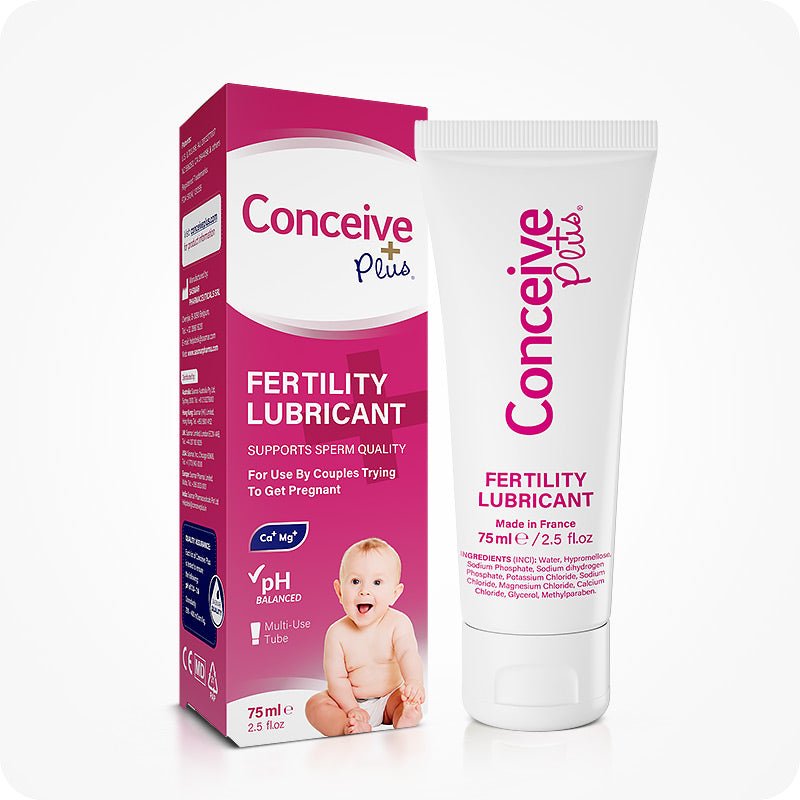
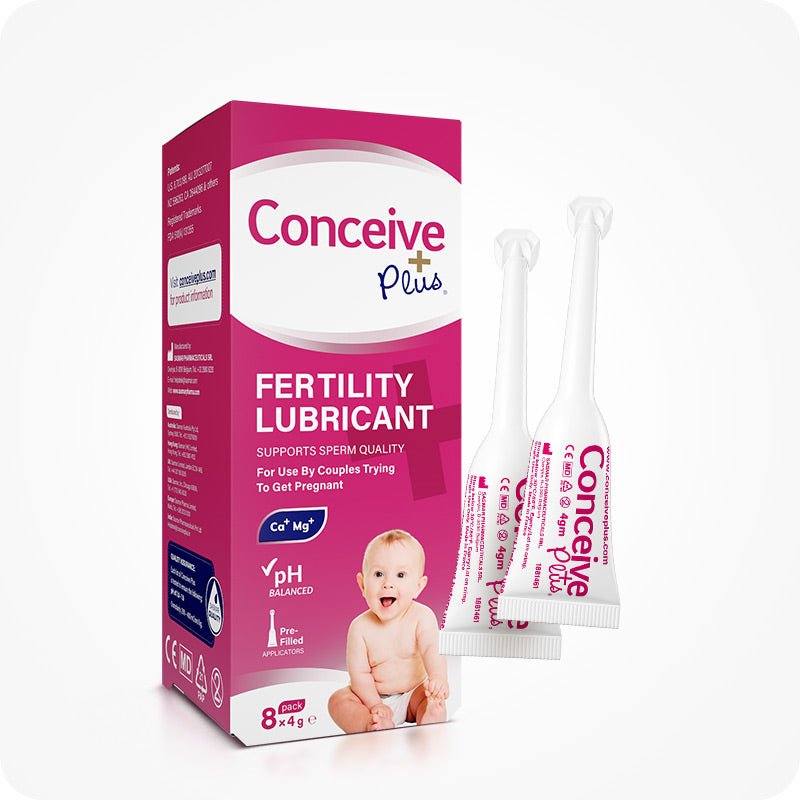
✨ The #1 Fertility-Friendly Lubricant
Regular lubricants can harm sperm. Conceive Plus is clinically shown to maintain sperm motility — used by couples in over 70 countries.
Shop Now — $19.99✓ Free shipping available | ✓ Trusted by millions of couples worldwide
🌱 Give Sperm the Best Chance
Conceive Plus fertility lubricant is pH-balanced to support sperm on their journey. Recommended by fertility specialists worldwide.
Shop Fertility Lubricant →Frequently Asked Questions
Recommended by Fertility Experts
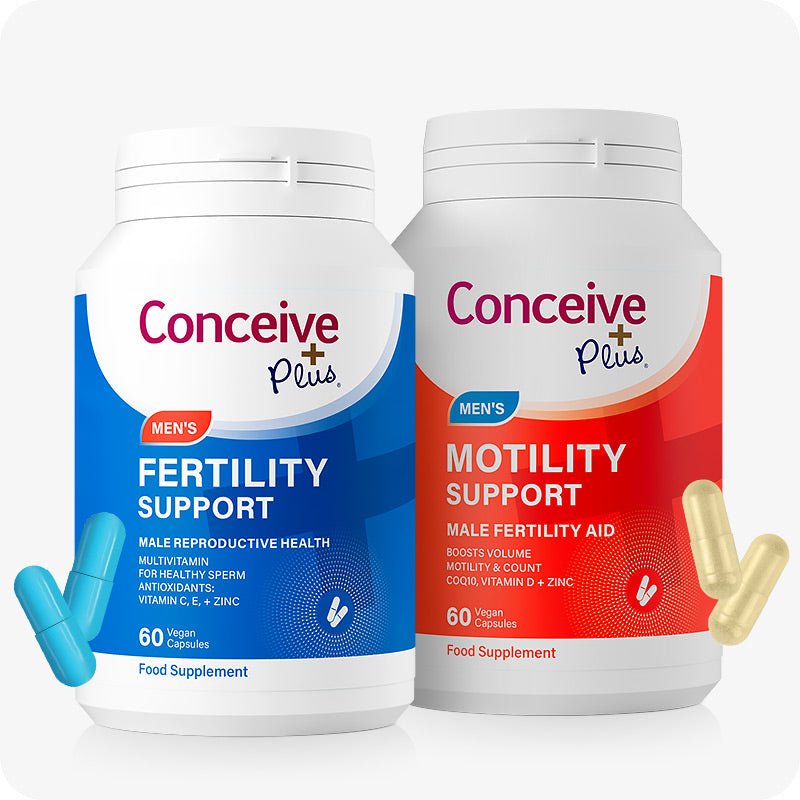
Conceive Plus Men's Fertility Support
Designed to support healthy sperm production, motility, and overall male reproductive health with clinically studied nutrients.
Shop Now →What does low sperm morphology mean and how does it affect fertility?
Sperm morphology refers to the size and shape of sperm cells, and low morphology (below 4% normal forms according to WHO standards) can reduce fertilisation chances because abnormally shaped sperm struggle to penetrate and fertilise an egg. In this case, the partner's 2% morphology was likely contributing to their recurrent miscarriages or implantation failures. However, lifestyle changes, supplements like zinc and vitamin C, and reduced alcohol consumption can sometimes improve morphology within 3-4 months, as sperm takes approximately 74 days to develop.
Can a hysterosalpingogram (HSG) test improve fertility outcomes?
An HSG is an X-ray procedure that checks whether your fallopian tubes are patent (open) and flushes through any minor blockages, which may improve fertility in the months following the procedure. Many fertility specialists recommend an HSG as part of recurrent miscarriage investigations, and some couples report improved conception rates afterwards, possibly due to the flushing effect clearing the tubes of debris. However, it's a diagnostic tool first and foremost—any fertility boost is typically a beneficial side effect rather than the primary purpose.
What supplements can men take to improve sperm quality for fertility?
Common supplements recommended by fertility clinics include CoQ10, zinc, selenium, vitamin C, vitamin E, and L-carnitine, with products like Menevit specifically formulated for male fertility. Lifestyle factors are equally important: reducing alcohol, maintaining a healthy weight, avoiding smoking, and managing stress can significantly improve sperm parameters within 3-4 months. It's advisable to consult with a fertility specialist or GP before starting any supplement regimen, particularly if taking other medications.
How should couples time intercourse when trying to conceive after investigations?
Rather than having intercourse every other day across a wide window (CD 10-18), more targeted timing using ovulation predictor kits and basal body temperature (BBT) tracking can increase conception chances by identifying your exact fertile window. For a typical 28-day cycle, this usually means intercourse on the day before ovulation, the day of ovulation, and the day after, though individual cycles vary. Combining these methods with a fertility-friendly lubricant like Conceive Plus (which maintains sperm motility, unlike standard lubricants) may further improve outcomes.
What is the difference between a chemical pregnancy and a miscarriage with 'unknown location'?
A chemical pregnancy is very early pregnancy loss before a gestational sac is visible on ultrasound (typically before 5 weeks), whereas a pregnancy of unknown location (PUL) occurs when a positive pregnancy test exists but no gestational sac is found
Should couples proceed with IVF if they conceive naturally before their scheduled cycle?
Yes, many couples opt to cancel their IVF cycle if they achieve a natural pregnancy beforehand, as this saves significant cost (typically £5,000-£15,000 per cycle on the NHS waiting list or privately) and avoids the physical and emotional demands of IVF treatment. However, given a history of recurrent miscarriages, it's important to inform your fertility specialist immediately and discuss additional monitoring or support during the early weeks, such as more frequent scans or progesterone supplementation if appropriate. Your consultant can advise on any additional precautions specific to your circumstances.
What early pregnancy symptoms might indicate a stronger conception after recurrent miscarriages?
Stronger symptoms such as pronounced nausea, breast tenderness, and a darker, faster-developing pregnancy test line can be positive indicators, though symptoms vary widely between individuals and pregnancies—some healthy pregnancies have minimal symptoms. A faster-developing positive test line may suggest higher hCG levels, which can be reassuring, but the most reliable indicators of a viable pregnancy are doubling hCG levels on blood tests and a visible heartbeat on ultrasound at 6-7 weeks. Always discuss any concerns with your GP or fertility clinic, who may offer more frequent early scans for peace of mind given your history.
Trusted by Couples in Over 70 Countries
Support Male Fertility From the Inside Out
Male fertility is just as important as female fertility in the conception journey. Conceive Plus Men's range delivers targeted nutritional support to promote healthy sperm and overall reproductive wellbeing.
Shop Men's Range →