Declining Fertility Rate - key Challenge to the Prenatal Testing Market in the US



✨ Start Your Prenatal Care Today
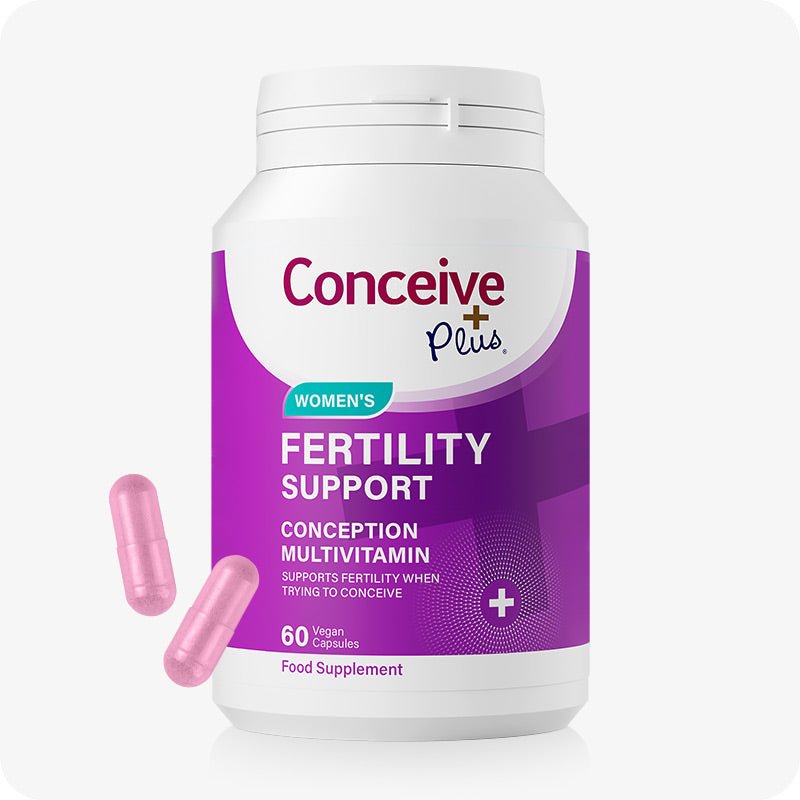
Our Prenatal Vitamins with DHA, Choline & Folate provide the essential nutrients you and your baby need for a healthy start.
Shop Now — $29.99✓ Free shipping available | ✓ Trusted by millions of couples worldwide
🌱 Everything You and Baby Need
Conceive Plus Prenatal Vitamins are formulated with DHA for brain development and Folate for neural tube protection.
Shop Prenatal Vitamins →Frequently Asked Questions
Recommended by Fertility Experts
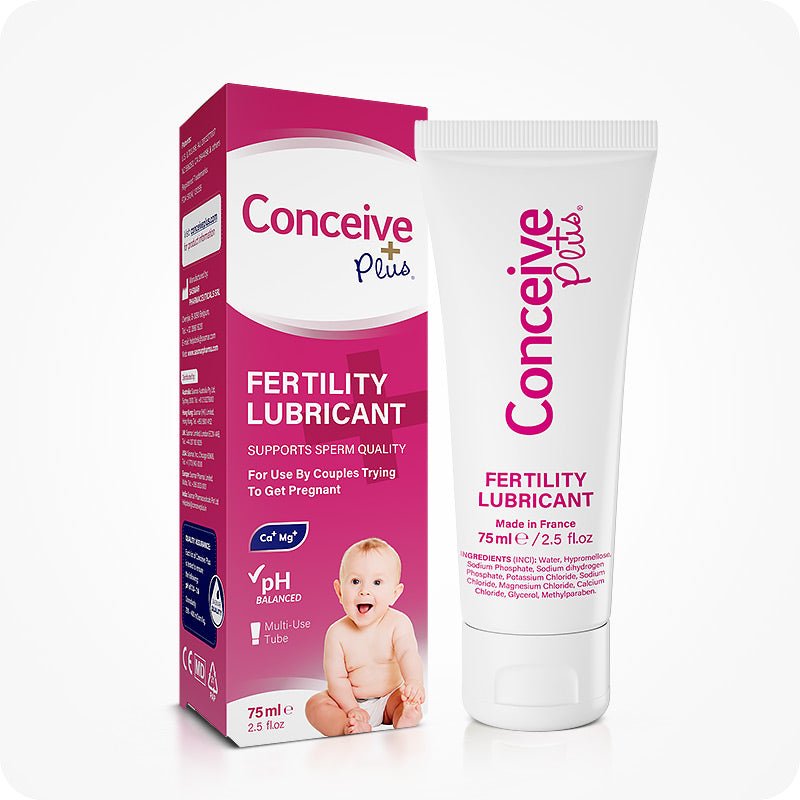
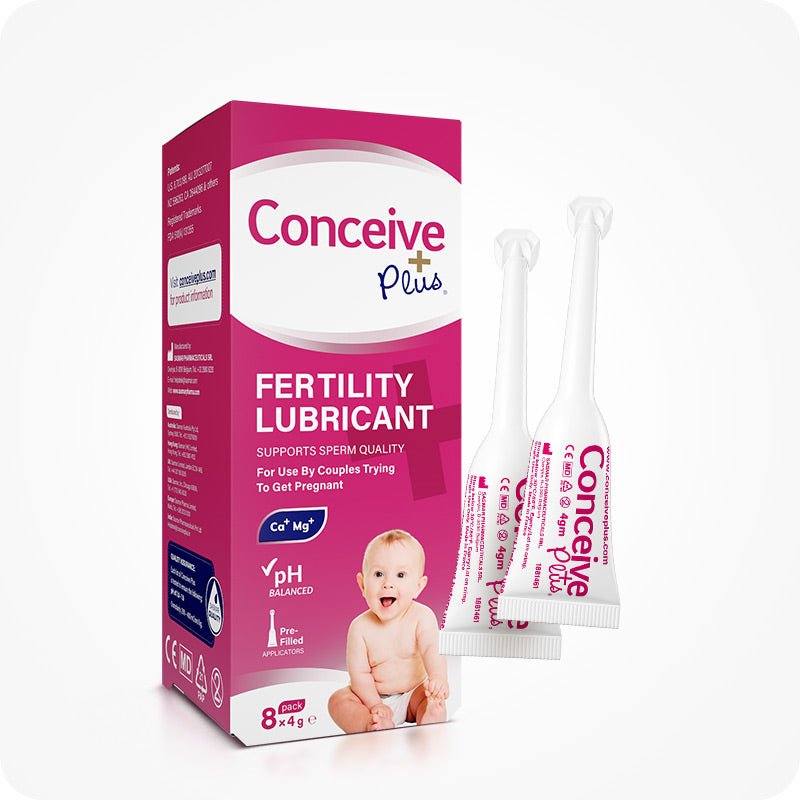
Conceive Plus Fertility Lubricant
Specially formulated to be sperm-friendly and isotonic, supporting your natural conception journey without disrupting the reproductive environment.
Shop Now →Why is the fertility rate declining in the UK?
The UK, like the US, has seen a decline in fertility rates due to changing modern lifestyles, women choosing to have children later in life, and more couples opting for smaller families. According to NHS statistics, approximately 1 in 7 UK couples experience fertility issues, which also contributes to the overall decline in birth rates.
What prenatal testing is available on the NHS?
The NHS offers several prenatal screening tests free of charge, including the combined test for Down's syndrome, Edwards' syndrome, and Patau's syndrome, as well as the 20-week anomaly scan. NICE guidelines recommend these tests be offered to all pregnant women, though they remain optional and are your personal choice.
Are invasive prenatal tests like amniocentesis safe?
Invasive procedures such as amniocentesis and chorionic villus sampling (CVS) carry a small risk of miscarriage, which is why many expectant mothers are cautious about undergoing them. The NHS advises that these tests are typically offered only when screening results indicate a higher chance of a chromosomal condition, allowing you to make an informed decision with your midwife or consultant.
Can I get non-invasive prenatal testing (NIPT) on the NHS?
NIPT is now available on the NHS as part of the screening pathway for Down's syndrome, Edwards' syndrome, and Patau's syndrome, following updated NHS guidelines. If your initial screening shows a higher chance result, you should be offered NIPT as a safer alternative to invasive testing, though availability may vary by region.
How do I get referred for fertility treatment on the NHS?
If you've been trying to conceive for over a year without success (or six months if you're over 36), your GP can refer you for fertility investigations. NHS funding for treatments like IVF varies depending on your local Integrated Care Board (ICB), so it's worth checking the eligibility criteria in your area, including age limits and whether you already have children.
Does declining fertility affect prenatal testing services in the UK?
While lower fertility rates can impact demand for prenatal testing services, the NHS continues to provide comprehensive screening to all pregnant women as recommended by NICE guidelines. The focus remains on ensuring every expectant mother has access to appropriate care, regardless of broader demographic trends.
What supplements should I take when trying to conceive in the UK?
The NHS recommends taking 400 micrograms of folic acid daily from before conception until at least the 12th week of pregnancy to help prevent neural tube defects. Many couples also choose prenatal vitamins containing additional nutrients like vitamin D, DHA, and choline to support a healthy pregnancy from the very start.
Trusted by Couples in Over 70 Countries
Start Your Fertility Journey With the Right Support
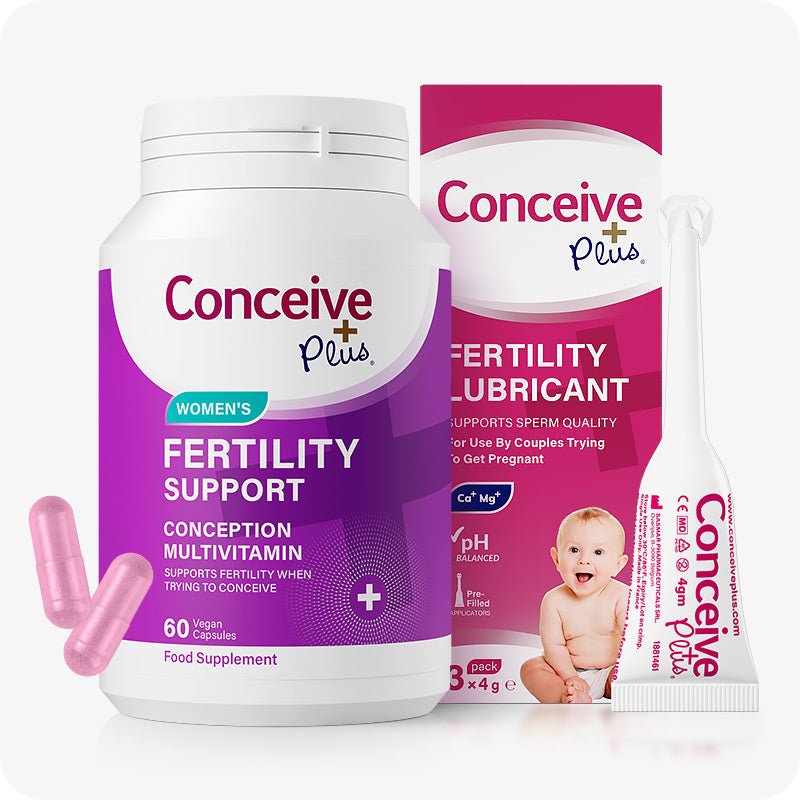
Conceive Plus Fertility Lubricant is specially formulated to be compatible with sperm, eggs, and embryos. Whether you are just starting out or have been trying for a while, our products are designed to work with your body — not against it.
Explore Fertility Lubricant →