"Worked for us. We didn't use very much though. Took us 6 months to fall pregnant."

PREGNANCY TIPS TO HELP YOU CONCEIVE

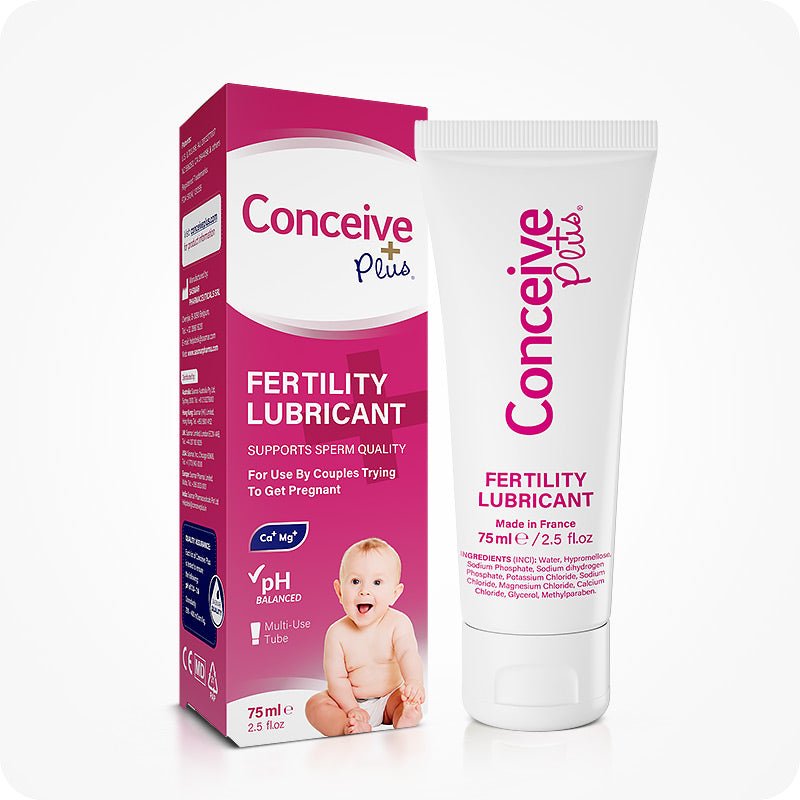
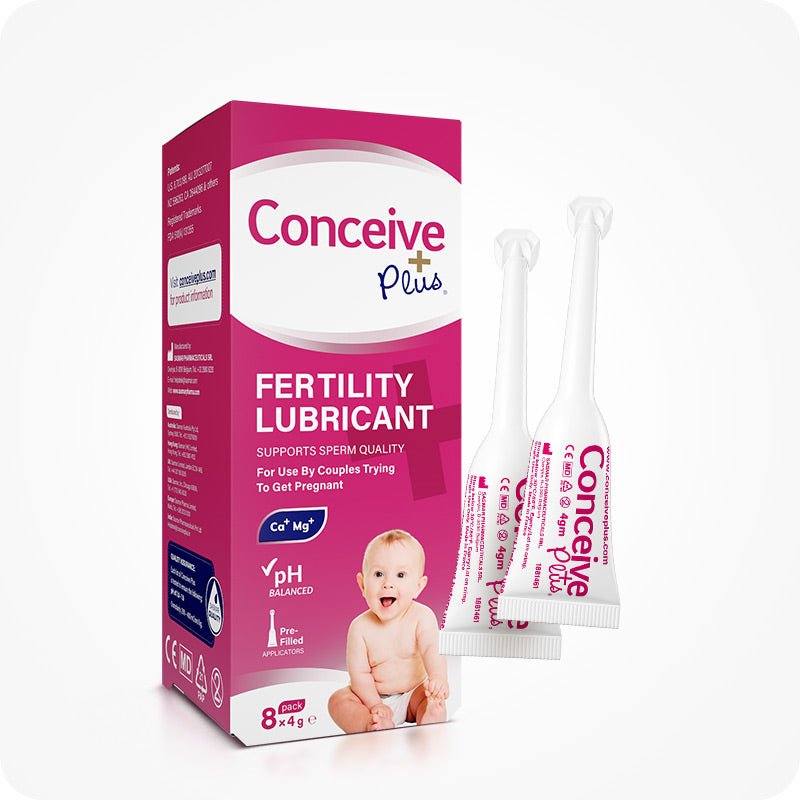
✨ The #1 Fertility-Friendly Lubricant
Regular lubricants can harm sperm. Conceive Plus is clinically shown to maintain sperm motility — used by couples in over 70 countries.
Shop Now — $19.99✓ Free shipping available | ✓ Trusted by millions of couples worldwide
🌱 Give Sperm the Best Chance
Conceive Plus fertility lubricant is pH-balanced to support sperm on their journey. Recommended by fertility specialists worldwide.
Shop Fertility Lubricant →Frequently Asked Questions
Recommended by Fertility Experts
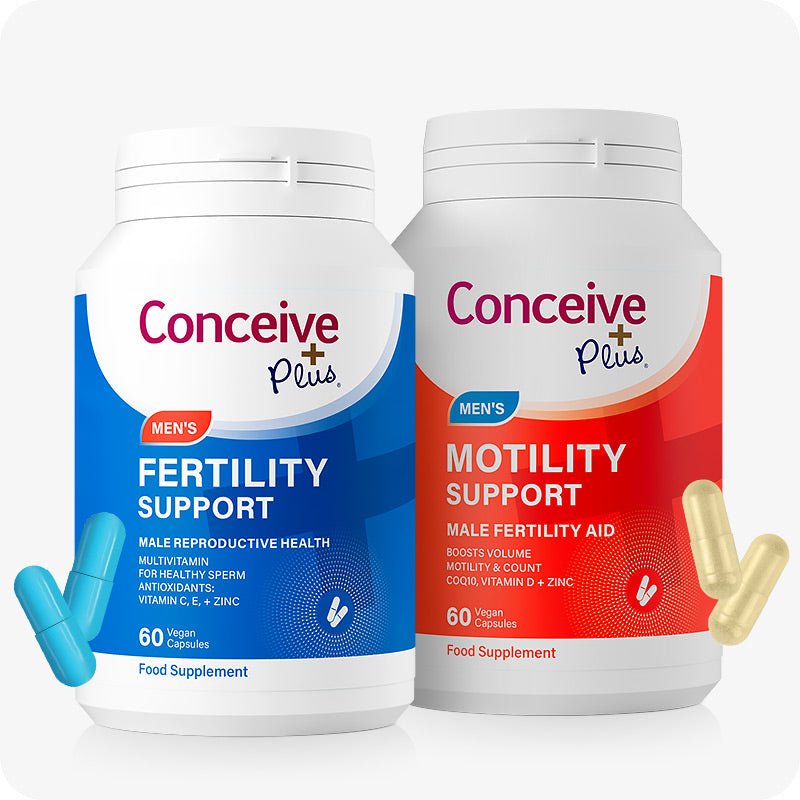
Conceive Plus Men's Fertility Support
Designed to support healthy sperm production, motility, and overall male reproductive health with clinically studied nutrients.
Shop Now →Can regular lubricants affect my chances of getting pregnant?
Yes, many standard lubricants can be harmful to sperm motility and may reduce your chances of conception. Regular lubricants often have a pH level that is hostile to sperm, making it more difficult for them to survive and reach the egg. Fertility-friendly lubricants, such as those pH-balanced specifically for conception, are designed to support sperm movement and are recommended by fertility specialists.
How does iron deficiency affect fertility and conception?
Low iron levels can impact your overall health and fertility by affecting energy levels, hormonal balance, and blood flow to reproductive organs. If you're trying to conceive and suspect you have low iron, it's worth asking your GP for a blood test, as correcting iron deficiency through supplementation or dietary changes may improve your chances of pregnancy. Many women find that addressing nutritional deficiencies is a key part of preparing their body for conception.
What should I do if I've been trying to conceive for 6 months without success?
If you're under 35 and have been trying for 6 months, it's worth scheduling a consultation with your GP to discuss your fertility concerns and any lifestyle factors that might be affecting conception. The NHS recommends that couples under 35 seek advice after 12 months of trying, but earlier intervention can help identify issues like hormonal imbalances, ovulation problems, or male factor infertility. Your GP can refer you to an NHS fertility clinic or recommend fertility testing if appropriate.
Are fertility-specific lubricants recommended by UK fertility specialists?
Yes, fertility specialists across the UK and internationally recommend using pH-balanced, sperm-friendly lubricants when trying to conceive. These products are designed to maintain the optimal environment for sperm survival and motility, unlike standard lubricants which can be detrimental. The Human Fertilisation and Embryology Authority (HFEA) and many British fertility clinics acknowledge the potential benefits of fertility-specific lubricants as part of a conception-friendly approach.
Should I get my nutrient levels checked before trying to conceive?
Yes, it's a good idea to discuss nutritional screening with your GP before or during early attempts to conceive. Deficiencies in iron, vitamin D, folate, and B12 can all affect fertility and pregnancy health, so identifying and correcting these issues ea
How long does it typically take to get pregnant?
Most couples conceive within the first year of trying, with approximately 80-90% of people under 35 becoming pregnant within 12 months of regular unprotected intercourse. However, conception timelines vary greatly depending on age, overall health, fertility status, and other factors. If you're concerned about your conception timeline, your GP can discuss your individual circumstances and advise when fertility investigations might be appropriate.
What can I do to optimise my body for conception?
Preparing your body for conception includes maintaining a healthy weight, taking folic acid supplements (as recommended by the NHS), eating a balanced diet rich in nutrients, reducing stress, and avoiding smoking and excessive alcohol. Additionally, using sperm-friendly lubricants during intercourse, addressing any nutritional deficiencies, and ensuring regular ovulation can all support fertility. It's also worth discussing preconception health with your GP, who can provide personalised advice based on your medical history.
Trusted by Couples in Over 70 Countries
Support Male Fertility From the Inside Out
Male fertility is just as important as female fertility in the conception journey. Conceive Plus Men's range delivers targeted nutritional support to promote healthy sperm and overall reproductive wellbeing.
Shop Men's Range →