Fathers 'need to think about diet just as much as mothers'



✨ Support Healthy Sperm
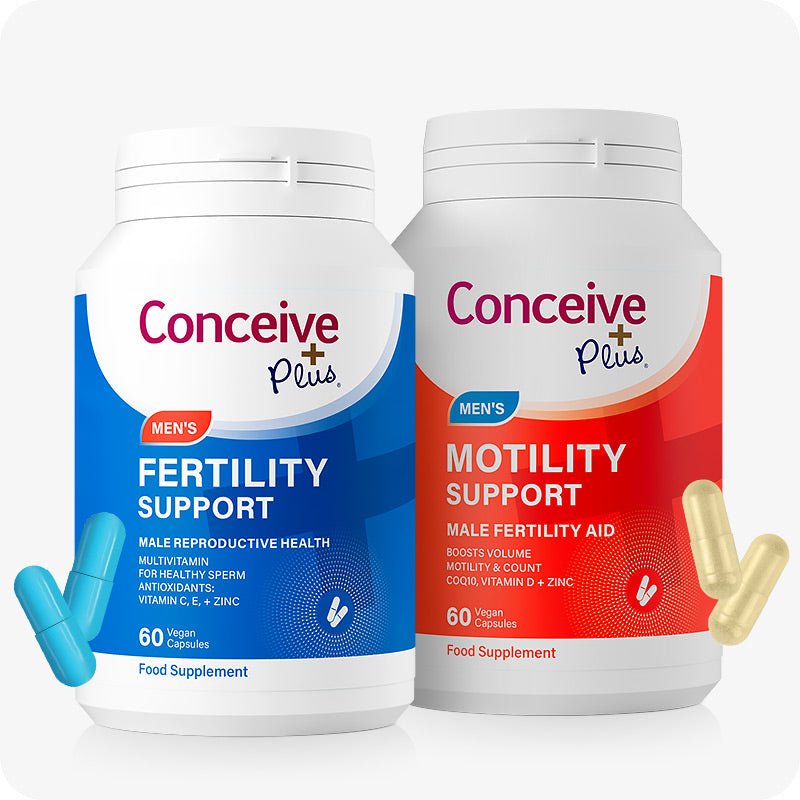
Our Motility Support supplement contains Zinc, CoQ10, and L-Carnitine — clinically studied nutrients for sperm health and motility.
Shop Now — $24.99✓ Free shipping available | ✓ Trusted by millions of couples worldwide
🌱 Boost Male Fertility Naturally
Conceive Plus Men's Motility Support is formulated with the nutrients that matter most for sperm quality, count, and motility.
Shop Men's Fertility →Frequently Asked Questions
Recommended by Fertility Experts
Conceive Plus Men's Fertility Support
Designed to support healthy sperm production, motility, and overall male reproductive health with clinically studied nutrients.
Shop Now →Does a father's diet really affect fertility and baby health?
Yes, research suggests that a father's diet can have a significant impact on both fertility and the health of future children. Studies show that what men eat, drink, and smoke can affect sperm quality and potentially pass on health consequences to the embryo. The NHS recommends that men trying to conceive should maintain a healthy, balanced diet alongside their partners.
Why is folate important for male fertility?
Folate plays a crucial role in sperm development and DNA integrity. Research indicates that men who are overweight or have high-fat diets may struggle to metabolise folate properly, which could affect their fertility. While folate is added to many foods, men who are TTC should consider their overall nutritional intake to ensure adequate levels.
Should men take fertility supplements when trying to conceive?
Many fertility specialists recommend that men take supplements containing key nutrients such as zinc, CoQ10, and L-carnitine to support sperm health and motility. The HFEA acknowledges that lifestyle factors, including nutrition, can affect male fertility. If you're struggling to conceive, it's worth speaking to your GP about whether supplements might help.
Can being overweight affect a man's chances of becoming a father?
Yes, research shows that obesity in men can negatively impact fertility by affecting hormone levels, sperm quality, and the ability to metabolise important nutrients like folate. The NHS advises that maintaining a healthy weight can improve your chances of conception. With 1 in 7 UK couples experiencing fertility issues, addressing weight is one factor within your control.
What lifestyle changes should men make before trying for a baby?
Men should focus on eating a balanced diet rich in vitamins and minerals, maintaining a healthy weight, reducing alcohol intake, and stopping smoking. NICE guidelines recommend that both partners make positive lifestyle changes when trying to conceive. These changes can take around three months to positively affect sperm quality, so it's best to start early.
Will the NHS test male fertility if we're struggling to conceive?
Yes, if you've been trying to conceive for 12 months without success, your GP can refer you for fertility investigations, which typically include a semen analysis for the male partner. NHS fertility testing is available, though waiting times can vary depending on your local CCG or Integrated Care Board. Early investigation of male factors is important, as male fertility issues contribute to around half of all cases.
How long before trying to conceive should a man improve his diet?
Men should ideally start improving their diet and lifestyle at least three months before trying to conceive, as this is roughly how long it takes for new sperm to develop. Making changes to nutrition, weight, and habits during this time can help optimise sperm health. Speaking to your GP or a fertility specialist can provide personalised guidance based on your circumstances.
Trusted by Couples in Over 70 Countries
Support Male Fertility From the Inside Out
Male fertility is just as important as female fertility in the conception journey. Conceive Plus Men's range delivers targeted nutritional support to promote healthy sperm and overall reproductive wellbeing.
Shop Men's Range →