Folate deficiency linked to increased risk of birth defects

✨ Support Healthy Sperm
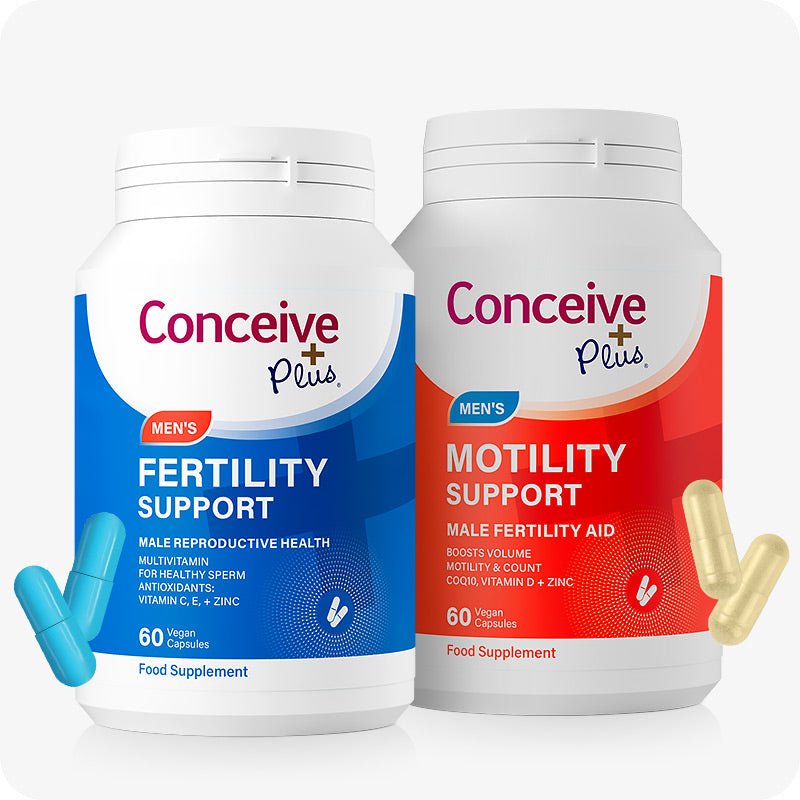
Our Motility Support supplement contains Zinc, CoQ10, and L-Carnitine — clinically studied nutrients for sperm health and motility.
Shop Now — $24.99✓ Free shipping available | ✓ Trusted by millions of couples worldwide
🌱 Boost Male Fertility Naturally
Conceive Plus Men's Motility Support is formulated with the nutrients that matter most for sperm quality, count, and motility.
Shop Men's Fertility →Frequently Asked Questions
Recommended by Fertility Experts
Conceive Plus Men's Fertility Support
Designed to support healthy sperm production, motility, and overall male reproductive health with clinically studied nutrients.
Shop Now →What is folate deficiency and how does it affect male fertility?
Folate deficiency occurs when your body doesn't have enough vitamin B9, which is essential for cell division and DNA synthesis. Research published in Nature Communications has shown that men with low folate levels may have a 30% higher risk of fathering children with birth defects, as the sperm epigenome can carry a "memory" of nutritional deficiencies that affects offspring development.
Can a father's diet really cause birth defects in babies?
Yes, emerging research suggests that a father's diet and lifestyle choices can influence their child's health through the sperm epigenome. Scientists have discovered that information from a father's diet is transferred to an "epigenomic map" which can affect how genes are activated during a child's development, potentially leading to cranio-facial and spinal abnormalities.
How much folic acid should men take when trying to conceive?
While the NHS primarily recommends folic acid for women trying to conceive, men may also benefit from ensuring adequate folate intake through diet or supplements. The recommended daily intake for adults is 200 micrograms, though men who are TTC may wish to speak with their GP about whether a higher dose could support their fertility health.
Will the NHS test men for folate deficiency if we're struggling to conceive?
If you've been trying to conceive for over a year without success, your GP can refer you for fertility investigations, though folate testing isn't routinely included in standard male fertility assessments. With 1 in 7 UK couples experiencing fertility issues, it's worth discussing nutritional testing with your doctor, particularly if you have dietary restrictions or absorption concerns.
What foods are high in folate for improving sperm health?
Good sources of folate include dark leafy greens like spinach and kale, broccoli, Brussels sprouts, chickpeas, kidney beans, and fortified breakfast cereals. The NHS recommends eating a balanced diet rich in these foods to maintain healthy folate levels, which may support better sperm quality and reduce the risk of birth defects.
Does NICE recommend folic acid supplements for men before fertility treatment?
Current NICE guidelines on fertility focus primarily on folic acid supplementation for women, recommending 400 micrograms daily before conception and during early pregnancy. However, given the emerging evidence on paternal folate levels, many fertility specialists now suggest that men also consider their folate intake when preparing for conception, whether naturally or through assisted reproduction.
How long before trying to conceive should men start taking folate supplements?
Sperm takes approximately 74 days to fully develop, so men should ideally focus on improving their diet and nutritional intake at least three months before trying to conceive. This allows enough time for any dietary improvements to positively influence sperm quality and the epigenetic information carried to offspring.
Trusted by Couples in Over 70 Countries
Support Male Fertility From the Inside Out
Male fertility is just as important as female fertility in the conception journey. Conceive Plus Men's range delivers targeted nutritional support to promote healthy sperm and overall reproductive wellbeing.
Shop Men's Range →