New Harvard's Study shows that Bacon may harm male fertility


Read about Conceive Plus

✨ Support Healthy Sperm
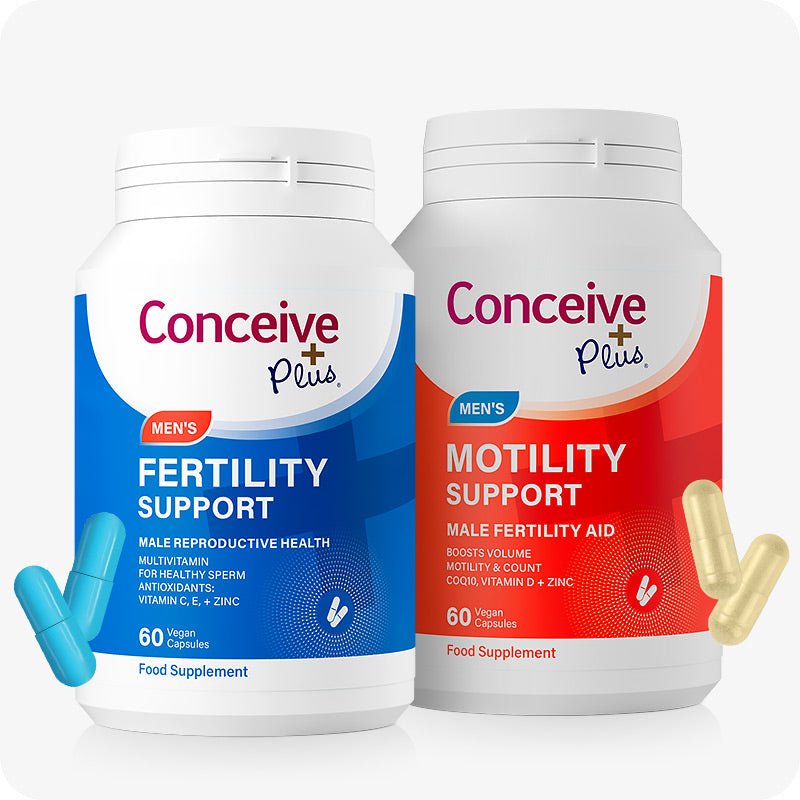
Our Motility Support supplement contains Zinc, CoQ10, and L-Carnitine — clinically studied nutrients for sperm health and motility.
Shop Now — $24.99✓ Free shipping available | ✓ Trusted by millions of couples worldwide
🌱 Boost Male Fertility Naturally
Conceive Plus Men's Motility Support is formulated with the nutrients that matter most for sperm quality, count, and motility.
Shop Men's Fertility →Frequently Asked Questions
Recommended by Fertility Experts
Conceive Plus Men's Fertility Support
Designed to support healthy sperm production, motility, and overall male reproductive health with clinically studied nutrients.
Shop Now →Can eating bacon really affect male fertility?
According to Harvard University research, men who consumed half a portion of processed meat daily had a lower percentage of normal-shaped sperm cells (5.5%) compared to those who ate less (7.2%). While this doesn't mean you need to cut out bacon entirely, reducing your intake of processed meats like bacon, sausages, and ham may support better sperm quality when you're trying to conceive.
What foods should men eat to improve sperm quality in the UK?
The Harvard study found that fish consumption was positively associated with male fertility. White meat fish like cod and haddock were linked to a higher percentage of normally-shaped sperm, whilst oily fish such as salmon and tuna were associated with higher total sperm count. The NHS also recommends a balanced diet rich in fruits, vegetables, and whole grains for overall reproductive health.
How common are male fertility problems in the UK?
According to NHS statistics, approximately 1 in 7 UK couples experience fertility issues, and male factor infertility contributes to around 30-40% of these cases. If you've been trying to conceive for over a year without success, your GP can arrange a semen analysis test as part of initial fertility investigations.
Will my GP refer me for fertility tests if I'm concerned about sperm quality?
Yes, if you've been trying to conceive for 12 months or more, your GP can refer you for a semen analysis on the NHS. NICE guidelines recommend that men should be offered this test as part of the initial fertility assessment. If you have known risk factors, such as previous testicular surgery or a history of sexually transmitted infections, your GP may refer you sooner.
What lifestyle changes can improve male fertility according to NHS guidance?
The NHS recommends maintaining a healthy weight, reducing alcohol intake, stopping smoking, and wearing loose-fitting underwear to support sperm health. Eating a balanced diet and taking supplements containing zinc and folic acid may also help. Avoiding excessive heat around the testicles, such as from laptops or hot baths, is also advised when trying to conceive.
How long does it take to see improvements in sperm quality after changing diet?
Sperm takes approximately 74 days to develop fully, so any dietary or lifestyle changes you make today could take around 2-3 months to show results in your sperm quality. This is why fertility specialists often recommend making positive changes at least three months before actively trying to conceive.
Are there any supplements recommended for male fertility in the UK?
Whilst the NHS doesn't specifically recommend fertility supplements, nutrients such as zinc, selenium, and folic acid have been studied for their potential benefits to sperm health. Coenzyme Q10 and L-Carnitine are also commonly found in male fertility supplements. It's always advisable to speak with your GP or a fertility specialist before starting any new supplement regimen.
Trusted by Couples in Over 70 Countries
Support Male Fertility From the Inside Out
Male fertility is just as important as female fertility in the conception journey. Conceive Plus Men's range delivers targeted nutritional support to promote healthy sperm and overall reproductive wellbeing.
Shop Men's Range →