Having a baby after fertility problems 'strengthens relationship'


For most couples, going through fertility problems can put a strain on the relationship. Research suggests that women who have a baby after experiencing fertility issues are more likely to stay in a relationship. This is according to a study published in the journal Acta Obstetricia et Gynecologica Scandinavica. Around 11% of American women and their partners are unable to get pregnant after 1 year of unprotected sex. (According to the Centers for Disease Control and Prevention (CDC)) The research team, led by Trille Kristina Kjaer of the Unit of Survivorship at the Danish Cancer Society Research Center in Denmark, notes that previous research suggests that when couples experience fertility problems, this can affect them physically and psychologically. Other studies have shown that if fertility treatment is unsuccessful, this can lead to a lower quality of life for the couple, as well as increased anxiety, depression and stresslevels. Investigators say some studies have suggested that couples who go through fertility problems become closer.

✨ Trying to Conceive?
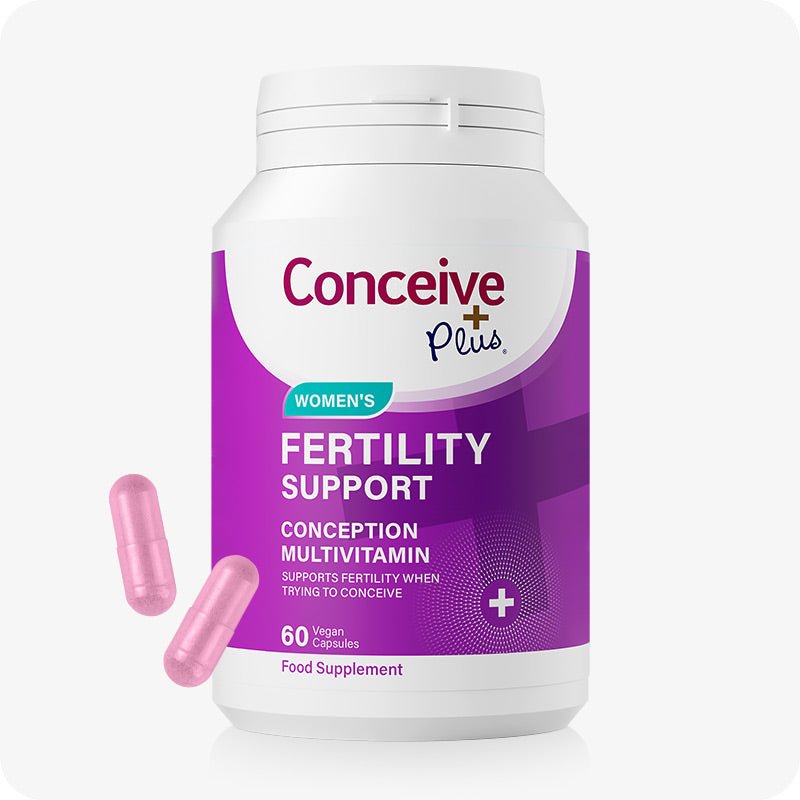
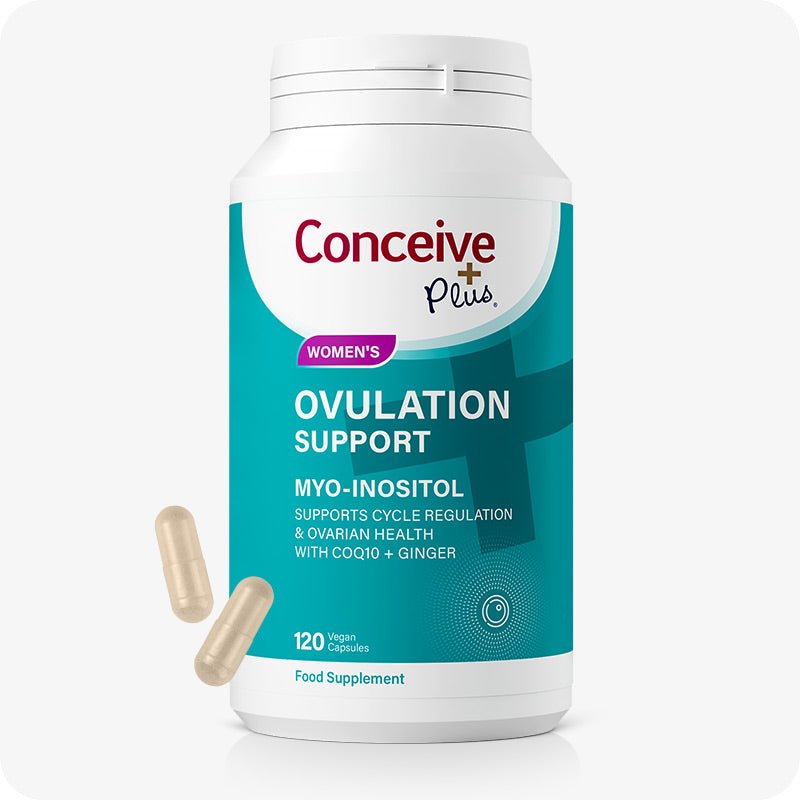
Our fertility supplements combine Myo-Inositol with essential vitamins to support healthy hormone balance and regular ovulation.
Shop Now — $36.00✓ Free shipping available | ✓ Trusted by millions of couples worldwide
The researchers analyzed data of 47,515 women from the Danish National Patient Registry and the Danish IVF (in vitro fertilization) Registry. The average age of the women was 32 years. And all women had been referred to a Danish hospital for fertility problems between 1990 and 2006. Women were followed for up to 12 years. On average, follow-up took place for 7 years. During this time, 57% of the women gave birth to a minimum of one child, while 43% did not give birth.
The researchers found that women who did not give birth to a child were three times more likely to divorce or end the relationship with their partner at the time of the study, compared with women who gave birth to a child.
Commenting on the findings, Dr. Kjaer says: "Our findings suggest that not having a child after fertility treatment may adversely affect the duration of a relationship for couples with fertility issues." She adds that further research is needed to determine the relationship quality and well-being of couples who experience fertility problems. Last year, Medical News Today reported on a study suggesting that a person's personality may affect their fertility. In more recent fertility news, experts published an analysis in the BMJ, stating that IVF is being overused and the risks of the treatment may outweigh the benefits.🌱 Support Your Fertility Journey
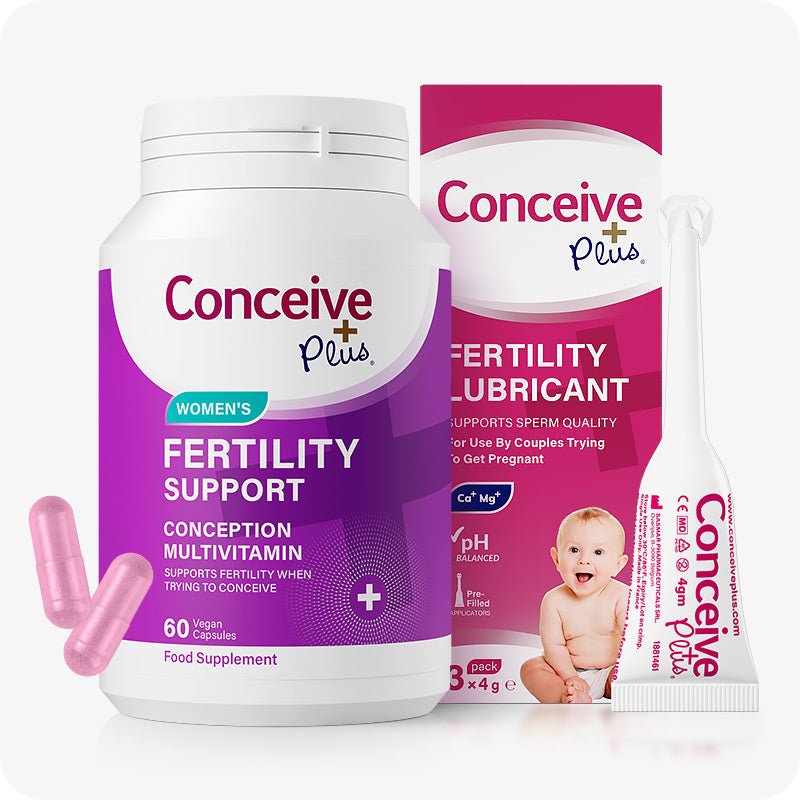
Conceive Plus fertility supplements are clinically formulated to help regulate your cycle and support egg quality.
Shop Fertility Support →Frequently Asked Questions
Recommended by Fertility Experts
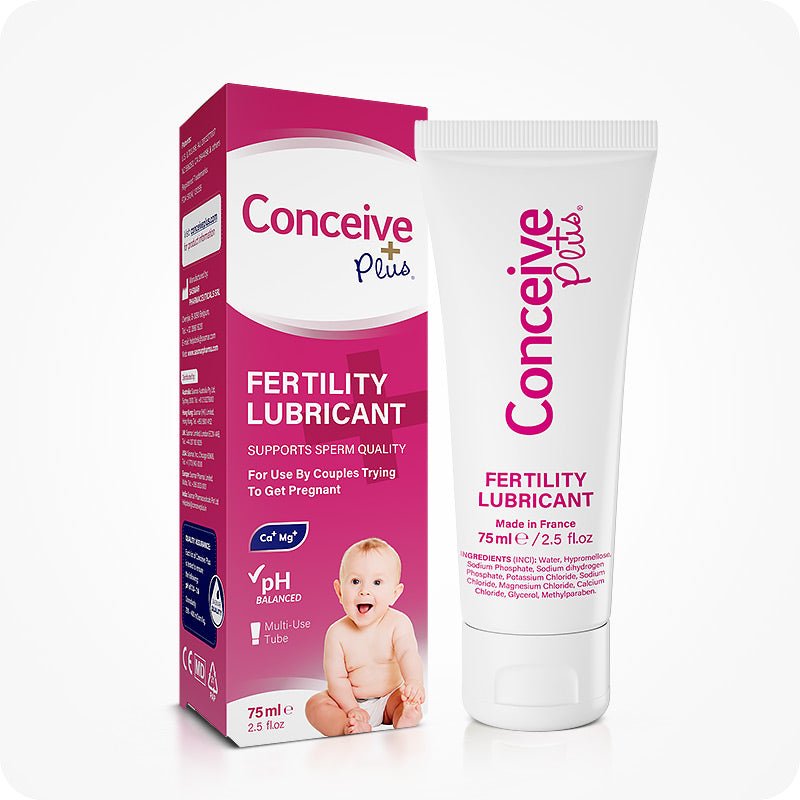
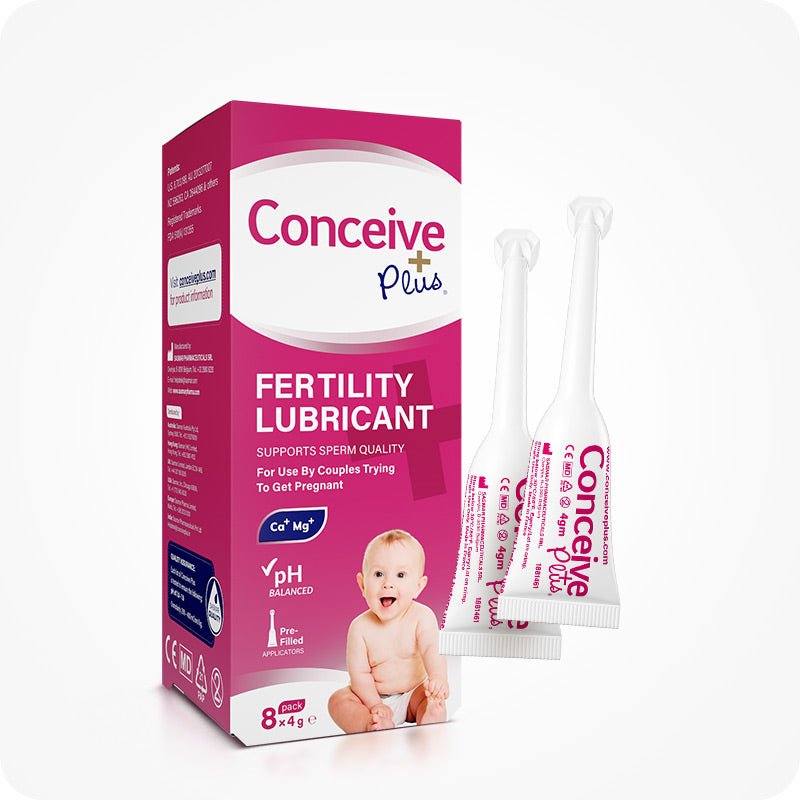
Conceive Plus Fertility Lubricant
Specially formulated to be sperm-friendly and isotonic, supporting your natural conception journey without disrupting the reproductive environment.
Shop Now →Can fertility problems affect your relationship?
Yes, research shows that fertility problems can put significant strain on relationships, affecting couples both physically and psychologically. Studies indicate increased anxiety, depression, and stress levels, particularly when treatment is unsuccessful. However, some research suggests that couples who navigate fertility challenges together may actually become closer as a result.
Are couples who have a baby after fertility treatment more likely to stay together?
According to research published in Acta Obstetricia et Gynecologica Scandinavica, women who gave birth after experiencing fertility problems were three times more likely to remain with their partner compared to those who did not have a child. The study followed over 47,000 women for up to 12 years, suggesting that successfully having a baby after fertility struggles may strengthen the relationship bond.
How common are fertility problems in the UK?
According to the NHS, around 1 in 7 UK couples experience fertility issues, which equates to approximately 3.5 million people. Fertility problems are defined as being unable to conceive after one year of regular unprotected sex. If you're concerned about your fertility, your GP can refer you for initial investigations.
How do I get referred for fertility treatment on the NHS?
To access fertility treatment on the NHS, you should first visit your GP after trying to conceive for 12 months (or sooner if you're over 36 or have known fertility issues). Your GP will arrange initial tests and can then refer you to a fertility specialist at an NHS hospital. Be aware that NHS funding for IVF varies by Integrated Care Board (ICB), so eligibility criteria and waiting times differ across the country.
What support is available for couples struggling emotionally with infertility in the UK?
The NHS and many fertility clinics offer counselling services for couples experiencing the emotional impact of infertility. Organisations such as Fertility Network UK provide support groups, helplines, and resources specifically for those trying to conceive. The HFEA (Human Fertilisation and Embryology Authority) also recommends that all licensed fertility clinics offer patients access to counselling before, during, and after treatment.
How long are NHS waiting times for fertility treatment?
NHS waiting times for fertility treatment vary considerably depending on your local Integrated Care Board and demand in your area, but waits of 12 months or longer are not uncommon. NICE guidelines recommend that eligible women under 40 should be offered three full cycles of IVF, though many areas fund fewer cycles due to budget constraints. Speaking to your GP or checking your local ICB's policy can give you a clearer picture of expected timelines in your region.
Does unsuccessful fertility treatment increase the risk of relationship breakdown?
Research suggests that unsuccessful fertility treatment can increase stress, anxiety, and depression, which may contribute to relationship difficulties. The Danish study found that women who did not give birth after fertility problems were significantly more likely to separate from their partners. Seeking emotional support through counselling or support groups, as recommended by the HFEA, can help couples cope with these challenges together.
Trusted by Couples in Over 70 Countries
Start Your Fertility Journey With the Right Support
Conceive Plus Fertility Lubricant is specially formulated to be compatible with sperm, eggs, and embryos. Whether you are just starting out or have been trying for a while, our products are designed to work with your body — not against it.
Explore Fertility Lubricant →