Experiments on animals such as mouse showed that there is a direct relationship between stress and fertility. Scientists stressed mice by limiting their access to food which resulted in decrease in their fertility rates.
Of course showing the same thing on humans wouldn't be possible.
However researchers from the Ohio university managed to prove that women trying to get pregnant and who already have a high level of stress-related hormones are twice less fertile.
The treatments against infertility are not helping concerning stress. Women experiencing infertility and treatments are showing the same level of anxiety and depression as women having cancer or other serious illnesses.
Psychologically it is very difficult for couples that are having difficulties to conceive. As it happens they are usually surrounded by other couples talking about their babies or pregnancies, their baby/job related issues and so on... Also the fact that fertility treatments are not supported by insurance companies and result in major financial investments doesn’t help either.
✨ Trying to Conceive?
Our fertility supplements combine Myo-Inositol with essential vitamins to support healthy hormone balance and regular ovulation.
✓ Free shipping available | ✓ Trusted by millions of couples worldwide
Don’t underestimate stress and depression!
They are among the top factors that are strongly affecting fertility. Still there are numerous exercises and techniques that can help - women that are learning stress reduction skills, such as yoga for example, have higher pregnancy rates.
Another approach to reduce stress is by getting more social support. For example, connecting with other women who are in the same situation by joining forums, groups, writing and engaging in blogs, and other interactive ways.
So if you are trying to conceive keep in mind that having a relaxed and peaceful mind is decisive. Most importantly don’t forget that being the fruit of love, making a baby should be fun and memorable experience for both of you. So having fun in the process is not just recommended; it’s MANDATORY.
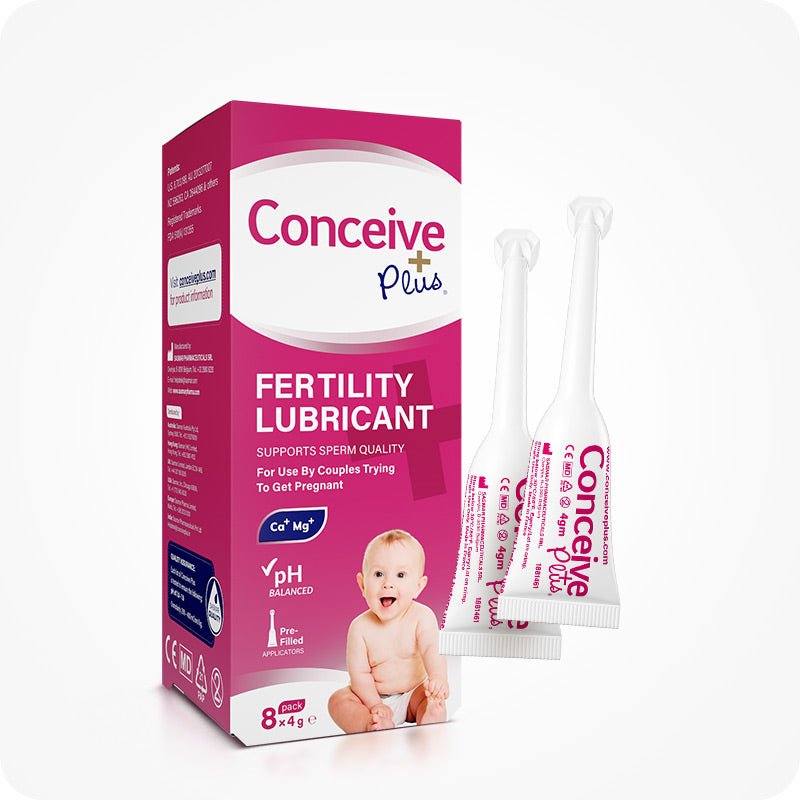
We are here for you, to help you naturally speed up the process of conceiving… but also ensuring that you have the maximum amount of pleasure with Conceive Plus.
Conceive Plus is available in more than 60 countries globally. To find the closest retailer to you, visit our where to buy page
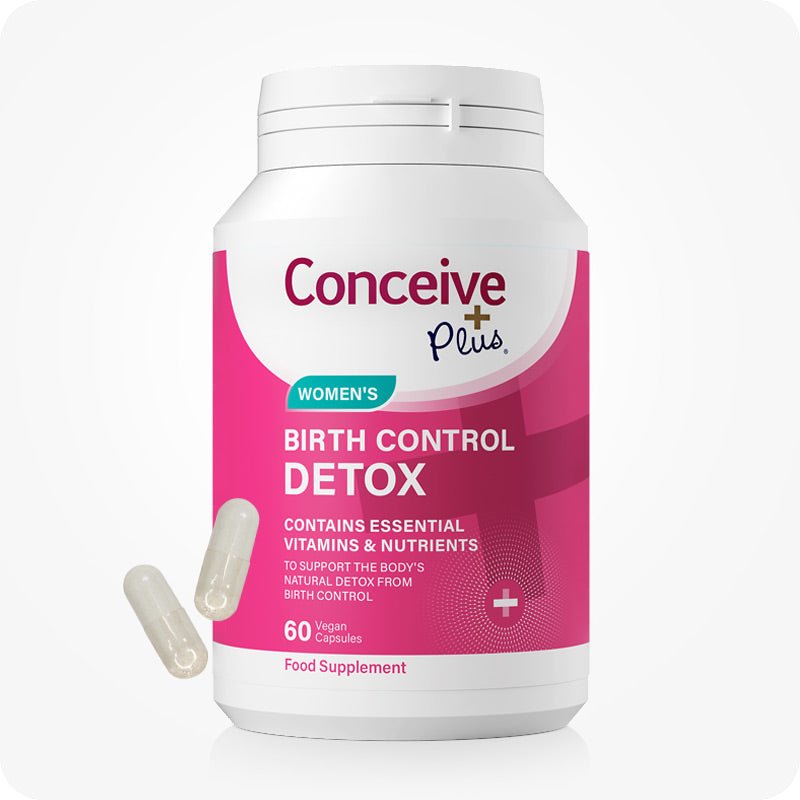
🌱 Support Your Fertility Journey
Conceive Plus fertility supplements are clinically formulated to help regulate your cycle and support egg quality.
Can stress actually stop you from getting pregnant?
Research suggests that high levels of stress hormones can significantly impact your chances of conceiving. A study from Ohio University found that women with elevated stress-related hormones were twice as likely to experience difficulty getting pregnant. While stress alone may not cause infertility, it can be a contributing factor, so managing stress whilst trying to conceive is important.
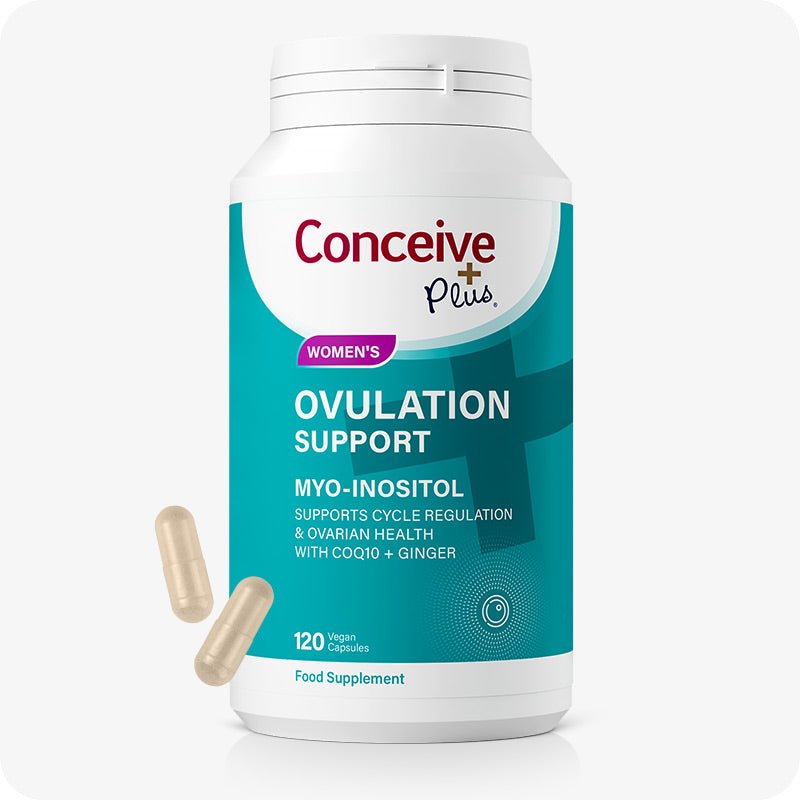
Conceive Plus Ovulation Support — scientifically formulated for cycle health
Does the NHS recognise stress as a factor in infertility?
Yes, the NHS acknowledges that emotional wellbeing plays a role in fertility, and NICE guidelines recommend that fertility clinics offer counselling support to patients. With 1 in 7 UK couples experiencing fertility issues, the psychological impact is well documented, and many NHS fertility services now incorporate stress management advice as part of their care pathway.
Why is fertility treatment so stressful in the UK?
Fertility treatment in the UK can be emotionally and financially demanding, particularly when NHS funding varies by CCG area and waiting times can be lengthy. Many couples face the additional burden of self-funding IVF cycles, which can cost £5,000 or more per round. Research shows that women undergoing fertility treatment experience anxiety and depression levels comparable to those with serious illnesses.
What can I do to reduce stress when tryi
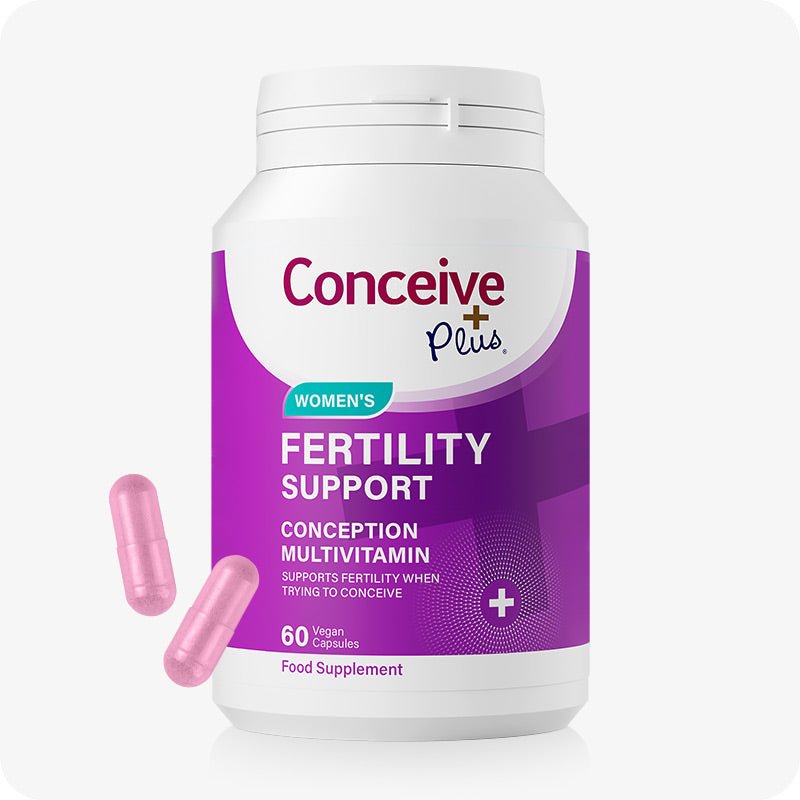
Conceive Plus Women's Fertility — trusted by thousands of couples
ng to conceive naturally?
Evidence suggests that learning stress reduction techniques such as yoga, mindfulness, and relaxation exercises can improve pregnancy rates. Connecting with others through fertility forums, support groups, or charities like Fertility Network UK can also provide valuable emotional support. Keeping communication open with your partner and considering couples counselling may help ease the pressure of TTC.
Can I get free fertility counselling on the NHS?
If you're referred for fertility investigations or treatment on the NHS, you should be offered access to counselling services as recommended by HFEA guidelines. However, availability can vary depending on your local NHS trust and CCG funding. Your GP can advise on what support is available in your area, and charities like Fertility Network UK offer additional resources.
How long should I try to conceive before seeing my GP about stress and fertility?
NICE guidelines recommend seeing your GP if you haven't conceived after 12 months of regular unprotected intercourse, or sooner if you're over 36 or have known fertility concerns. If stress or anxiety is affecting your daily life or your relationship whilst TTC, it's worth speaking to your GP earlier for support and guidance on managing your emotional wellbeing.
Does my partner's stress affect our chances of getting pregnant?
Yes, stress can affect male fertility too, potentially impacting sperm quality and libido. Fertility challenges affect couples together, and the emotional strain can be significant for both partners. Supporting each other and considering stress reduction techniques as a couple can be beneficial when you're trying to conceive.
Trusted by Couples in Over 70 Countries
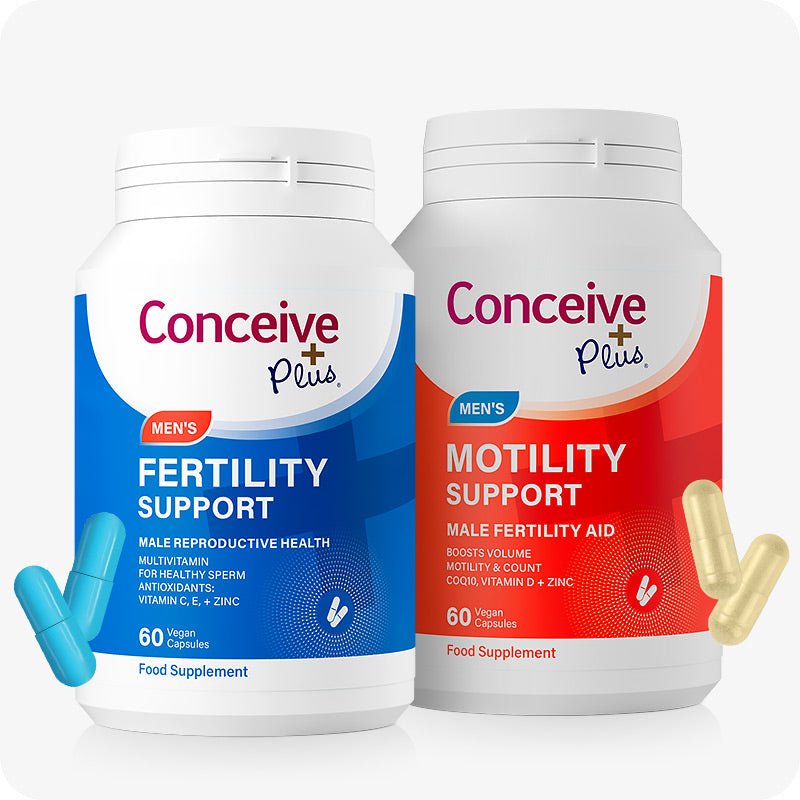
Support Male Fertility From the Inside Out
Male fertility is just as important as female fertility in the conception journey. Conceive Plus Men's range delivers targeted nutritional support to promote healthy sperm and overall reproductive wellbeing.