How To Avoid Getting Pregnant After Intercourse
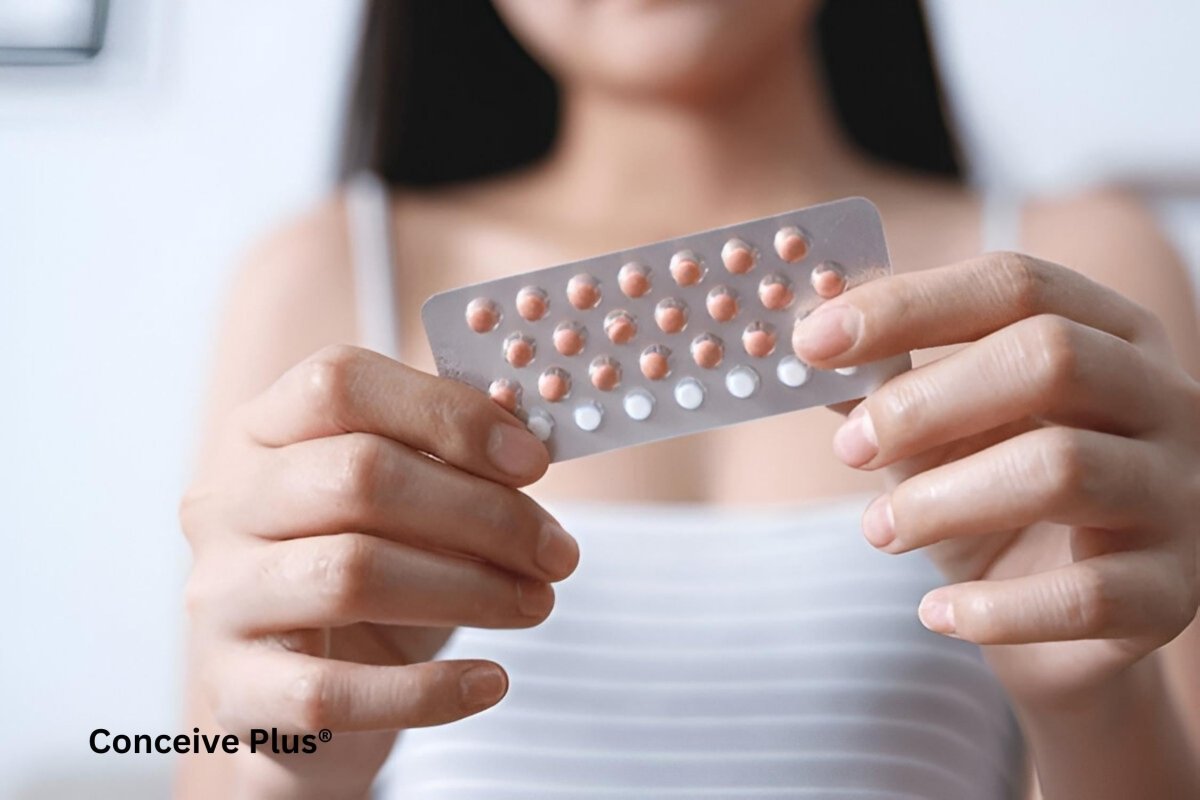

Maybe the condom broke, perhaps you forgot to take the pill for a few days, or maybe your strategy for him to pull out before ejaculation didn’t go to plan. For whatever reason you find yourself trying to avoid getting pregnant after intercourse, try not to panic. Preventing pregnancy after sex is not guaranteed but it is possible.
Below, we’ve outlined the best and most effective strategies to avoid getting pregnant after sex.

Can You Get Sperm Out of Your Body?
There is no proven way of removing sperm from the female body once it has entered the cervix [1]. The truth is that sperm swim fast and are already on the way to your fallopian tube by the time sex is over.
The first thing healthcare professionals recommend doing after unprotected sex or a mishap with a condom is to urinate and wash the genitals. While this won’t get rid of sperm or prevent pregnancy, it will flush out any harmful bacteria that can spread during unprotected sex and prevent a vaginal infection.
After urinating, washing the genitals with warm water and an unscented soap is sufficient. There’s no need to scrub, just a gentle wash and a pat dry will do.
However, it’s important to understand that peeing, washing, showering, having a bath or squirting vinegar into your vagina will not remove sperm or semen after sex. Indeed, washing the vagina with anything other than warm water and non-fragranced soap can upset the natural pH balance of the vagina and cause irritation or result in infection.
How Not to Get Pregnant After Unprotected Sex
If you’re searching for how to prevent getting pregnant after intercourse, the most reliable method is to take emergency contraception, commonly known as the morning-after pill, within 72 hours. The only sure way to avoid pregnancy after unprotected sex is to consult with a doctor or clinic as to whether emergency contraception is right for you. Also known as the morning-after pill [2], emergency contraception can prevent pregnancy when taken within 72 hours of having unprotected sex. However, it is most effective when taken within 24 hours.
In the UK, the morning-after pill is available for free from NHS-associated sexual health clinics and GP surgeries.

Can Foods That Act Like Contraceptives Prevent Pregnancy After Sex?
After condom mishaps during intercourse, or forgetting to take the pill, certain foods are thought to act like contraceptives and help avoid pregnancy. However, scientific evidence is scarce to back up the efficacy of natural foods as a post-intercourse contraceptive [3] and are not recommended by healthcare professionals.

✨ Trying to Conceive?
Our fertility supplements combine Myo-Inositol with essential vitamins to support healthy hormone balance and regular ovulation.
Shop Now — $36.00✓ Free shipping available | ✓ Trusted by millions of couples worldwide
While some believe that eating certain foods in the 3-5 days after sex can help avoid pregnancy, taking emergency contraception within 72 hours remains the most reliable way to avoid getting pregnant after unprotected sex.
Some of the foods touted as post-coital contraceptives include:
Papaya: Consuming unripe papaya is believed to help prevent pregnancy after sex. This is thought to be due to an enzyme contained in papaya called papain. Thought to influence menstrual cycles, according to some holistic practitioners papain can also inhibit the implantation of a fertilised egg in the uterine lining.
Ginger: When ground or crushed ginger is combined with boiling water and strained like tea, some believe it can help induce menstruation and therefore prevent pregnancy. Drinking 2 cups of ginger tea daily after unprotected sex may help to avoid getting pregnant.
Cinnamon: Cinnamon is believed to cause mild uterine contractions that may aid in preventing pregnancy. In some cultures, to avoid getting pregnant from unprotected sex, women suggest consuming cinnamon tea daily until menstruation begins.
Vitamin C: Believed to interfere with the production of progesterone, which naturally increases after conception, Vitamin C is also believed to work as a post-coital contraception. For this purpose, some holistic practitioners advise taking 1500 mg of vitamin C twice per day to prevent pregnancy.
Consuming pineapple, neem, Queen Anne’s Lace (wild carrot), parsley, turmeric, smartweed, and mugwort, are also believed to prevent implantation and pregnancy.
Using food as a contraceptive, however, is not recommended and should be approached with caution or at least discussed with your doctor before use.
Can Home Remedies Prevent Pregnancy After Intercourse?
Although many home remedies claim to answer how to prevent getting pregnant after intercourse, they lack medical backing and are not recommended by healthcare professionals. Home remedies, such as; cleaning the vagina with acidic vinegar, lemon juice, coca cola, or alcohol do not work as a post-coital contraceptive, nor do they kill sperm. Putting anything inside the vagina other than water and soap will cause irritation and a possible infection [4].
Jumping up and down after intercourse to get sperm out of the vagina will not work to prevent pregnancy after sex either.
How to Prevent Pregnancy During and After Sex?
The only certain method of avoiding conception during intercourse is to use contraception. Condoms, an IUD, oral contraceptives, a coil, or a dam are the most secure forms of contraception when seeking to avoid getting pregnant. However, some may question, 'does the birth control pill affect fertility?' when considering contraceptive options; rest assured, using birth control pills does not have long-term effects on fertility.
Avoiding pregnancy can also be achieved by being aware of your fertile window. Women are most fertile for the 12-24 hours around ovulation, therefore understanding their menstrual cycle and avoiding sex around ovulation can also be used as a method of contraception.
Some women use the basal body temperature method to understand when ovulation is occurring, while others observe changes in their cervical mucus as an indicator of ovulation and a way to avoid their fertile window.
The pull-out method, where the male partner removes the penis from the vagina before ejaculating is another form of contraception used by some couples. However, determination, self-control and awareness are required for this method to work [5].
Birth Control Detox by Conceive Plus can support hormonal balance and reproductive health, which may be beneficial for individuals planning to have a baby after contraception.

Conclusion
How to not get pregnant after sex is a common question. Whether it’s your first time having sex, the condom broke, you forgot to take the pill, or spontaneity got hold of you; accidents happen.
Although several home remedies exist on how to avoid getting pregnant after intercourse, and certain foods are believed to prevent implantation, none of these holds merit in the medical field. The only sure method of preventing pregnancy after intercourse is to take emergency contraception, also known as the morning-after pill.
References
- Medical News Today - Getting sperm out of the body after sex: Is it possible? - https://www.medicalnewstoday.com/articles/how-to-get-sperm-out-of-your-body-fast
- NHS - Emergency Contraception - https://www.nhs.uk/contraception/emergency-contraception/
- United Nations Population Fund - Unsafe, unreliable: Dangerous pregnancy-prevention methods - https://www.unfpa.org/dangerous-pregnancy-prevention
- NHS - Contraception - https://www.nhs.uk/contraception/
- WebMD - Natural Birth Control - https://www.webmd.com/sex/birth-control/natural-birth-control
🌱 Support Your Fertility Journey
Conceive Plus fertility supplements are clinically formulated to help regulate your cycle and support egg quality.
Shop Fertility Support →Frequently Asked Questions
Recommended by Fertility Experts
Conceive Plus Men's Fertility Support
Designed to support healthy sperm production, motility, and overall male reproductive health with clinically studied nutrients.
Shop Now →Can peeing after sex stop you from getting pregnant?
No, urinating after sex will not prevent pregnancy. Sperm travel quickly into the cervix and towards the fallopian tubes, so by the time you visit the toilet, they're already on their way. However, the NHS does recommend peeing after intercourse to help flush out bacteria and reduce the risk of urinary tract infections.
How long after unprotected sex can I take the morning-after pill in the UK?
In the UK, you can take the emergency contraceptive pill (commonly called the morning-after pill) up to 72 hours after unprotected sex for Levonorgestrel, or up to 120 hours (5 days) for ellaOne. The sooner you take it, the more effective it is. You can obtain it free from NHS services including GP surgeries, sexual health clinics, and some pharmacies, or purchase it over the counter.
Where can I get emergency contraception for free on the NHS?
You can access free emergency contraception from several NHS services, including your local sexual health or GUM clinic, most GP surgeries, some NHS walk-in centres, and many pharmacies participating in local schemes. If you're under 25, you may also be able to get it from a Brook centre or some young people's services in your area.
Does the morning-after pill affect your fertility long term?
According to NHS guidance, emergency contraception does not affect your long-term fertility. It works by delaying or preventing ovulation for that cycle only, and your normal fertility returns almost immediately. If you find yourself needing emergency contraception regularly, speak to your GP about more reliable ongoing contraceptive options.
Can douching or washing inside prevent pregnancy after sex?
No, douching, washing, or using any products inside the vagina will not prevent pregnancy and is not recommended by the NHS. In fact, douching can disrupt the natural pH balance of your vagina, potentially causing bacterial vaginosis or thrush. If you're worried about pregnancy after unprotected sex, seek emergency contraception as soon as possible instead.
How effective is the copper coil as emergency contraception?
The copper intrauterine device (IUD) is the most effective form of emergency contraception available in the UK, with over 99% effectiveness when fitted within 5 days of unprotected sex. It can be fitted at sexual health clinics, some GP surgeries, or contraception clinics, and has the added benefit of providing ongoing contraception for up to 10 years if you choose to keep it in place.
Will my GP keep emergency contraception confidential if I'm under 16?
Yes, all NHS sexual health services, including GPs and pharmacies, are confidential, even if you're under 16. Healthcare professionals follow strict guidelines to protect your privacy, though they may encourage you to speak to a parent or trusted adult. They will only break confidentiality if they believe you're at risk of serious harm.
Trusted by Couples in Over 70 Countries
Support Male Fertility From the Inside Out
Male fertility is just as important as female fertility in the conception journey. Conceive Plus Men's range delivers targeted nutritional support to promote healthy sperm and overall reproductive wellbeing.
Shop Men's Range →