How to Get Rid of Restless Leg Syndrome While Pregnant
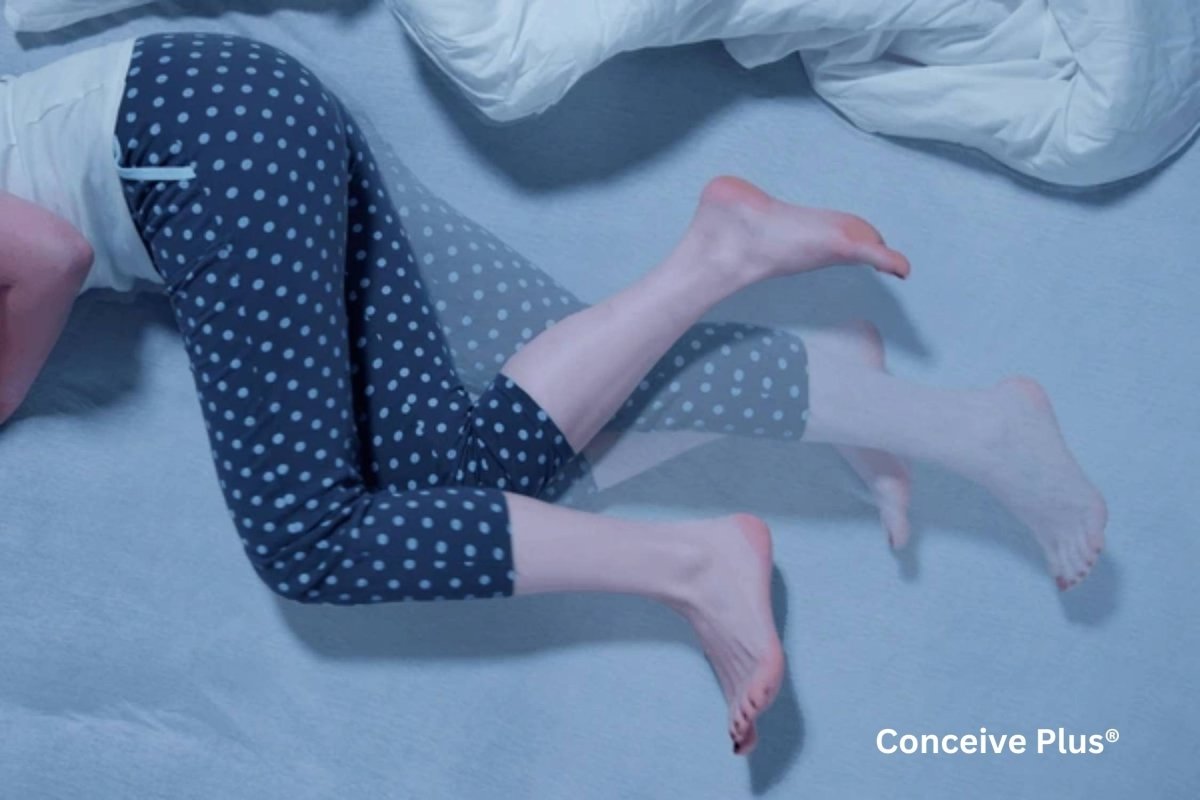

Restless legs syndrome (RLS) is common during pregnancy and known to be especially prevalent during the third trimester. Causing a feeling of jitteriness in the legs, an unscratchable itch, or a frequent urge to move the legs, RLS typically worsens in the evening and can result in sleep disturbances and ongoing fatigue.
This article outlines what can cause RLS during pregnancy, typical symptoms associated with the condition, and how to get rid of restless leg syndrome while pregnant.

What is Restless Legs Syndrome?
Restless legs syndrome (RLS), also known as Willis-Ekbom disease, causes an uncomfortable jittery sensation in the legs, an unexplained tingling, and an impulse to move the legs constantly [1].
Some describe RLS as a feeling of ants or creepy crawly insects moving along the legs, an itch that constantly needs to be scratched, or an odd numbness that moves through the feet, calves and thighs.
RLS is known to occur at any time of the day but is more prevalent in the evening and at night. It can affect people of all ages but is more common in women. During pregnancy, RLS can occur in the first and second trimesters but is more commonly experienced during the third trimester.
Symptoms of Restless Leg Syndrome During Pregnancy
Interestingly, RLS during pregnancy causes the same common symptoms as it does to people who are not pregnant. Although the symptoms of restless legs typically go away after childbirth, they can gravely impact an expectant mother’s sleep if not relieved during pregnancy.
The most common symptoms of RLS include:
- Jittery or tingling feeling in the legs
- Constant itchiness in the legs
- Leg cramping
- Leg pain
- Inability to get comfortable in any position
- Sleep problems
- Constant tossing and turning at night
Pregnant women with restless legs syndrome also worry that their partners are not sleeping well due to their constant movement in the bed at night.

What Causes Restless Legs Syndrome During Pregnancy?
According to the NHS, approximately 20% of women in the UK suffer from RLS during pregnancy. Although researchers remain unsure as to the exact cause of RLS in pregnant women, it is believed to be linked to several factors.
These include:
- Mineral deficiencies before pregnancy
- Lack of movement
- Mother’s BMI
- Low ferritin and haemoglobin levels
- Amount of previous pregnancies
Mineral Deficiencies
Studies suggest that mineral deficiencies related to RLS during pregnancy are thought to occur before women get pregnant. Due to the extra demand for nutrients during pregnancy, the deficiencies impact the body more and more as pregnancy progresses.
These can include vitamin D deficiency, low folate and iron levels, and magnesium deficiency [2].
Lack of Movement
Research also shows that women who exercise regularly before and during pregnancy are less likely to suffer from restless legs syndrome. In another study, results revealed that up to 40% of pregnant women with RLS significantly lowered their symptoms by doing light yoga movements each day [3].
Mother’s BMI
A higher female BMI that starts in early adulthood, age 18-21, has also been linked to a higher risk of RLS during pregnancy. However, more research is needed to clarify the association.

✨ Trying to Conceive?
Our fertility supplements combine Myo-Inositol with essential vitamins to support healthy hormone balance and regular ovulation.
Shop Now — $36.00✓ Free shipping available | ✓ Trusted by millions of couples worldwide
Low Ferritin and Haemoglobin Levels
Low ferritin levels indicate that your iron levels are low and can increase the risk of RLS. Additionally, women with low haemoglobin levels are also at a higher risk of RLS.
Previous Pregnancies
When minerals like iron, folate, and magnesium are low during pregnancy and are not replenished, medical experts believe the ongoing mineral depletion can contribute to RLS in the woman’s next pregnancy.
How to Get Rid of Restless Legs While Pregnant?
Although medication can be prescribed by a doctor to relieve the symptoms of RLS, it’s always best to avoid the side effects of medication during pregnancy and try natural remedies first.
The following are effective methods to relieve restless legs while pregnant:
Replenish Low Minerals
Consult with your doctor to ensure your mineral levels are adequate. Folate and Iron [4], magnesium [5], and vitamin D deficiencies [6] are all linked to an increased risk of RLS and taking them in supplement form can significantly ease restless legs.
Easy and Regular Yoga
Do some moderate exercise every day. It doesn’t have to be anything strenuous - a walk or some light yoga during the day will help to relieve the jittery sensation in the legs in the evening [3]. Practising gentle daily yoga, or going on a daily walk, can also help to keep pregnancy weight gain in check.
Compression Socks
Invest in a pair of compression socks to reduce swelling and improve the circulation of blood and lymph fluid in the lower legs. Your blood volume increases during pregnancy to support the growing foetus. The body’s lowered ability to pump blood around the body can also cause swelling, which contributes to the tingly feeling with RLS.
Electrolytes to Hydrate
To further aid in reducing swelling from an increase in bloody volume during pregnancy, drink enough water to stay hydrated. Electrolytes are also safe during pregnancy to stay hydrated and they also contain magnesium, which further aids in relieving RLS.
Vitamins C and E
Ensuring that your vitamin C and vitamin E intake are sufficient is also helpful in relieving restless legs [7]. Speak with your doctor to determine how much you consume through food and what supplementation may be required.

Can You Prevent Restless Legs Syndrome for Your Next Pregnancy?
Yes. If you are planning to conceive, speak with your doctor about checking your iron, magnesium, and folate levels to increase your chances of a healthy pregnancy and avoid restless legs syndrome.
Depending on what your body requires, your doctor may recommend mineral supplements with a combination of fertility vitamins to ensure your health is optimal for conception and pregnancy.
It’s also helpful to exercise regularly, eat a well-balanced diet, stay hydrated, and do your best to lower your BMI if it’s higher than it should be.
Conclusion
Restless legs syndrome (RLS) during pregnancy can happen during the first and second trimesters but is often more common in the third trimester. In addition to feeling an ongoing sensation of restlessness or itchiness in the legs, RLS also contributes to poor sleep.
The good news is restless legs can be eased by taking supplements to replenish depleted minerals, doing some daily exercise, staying hydrated, and wearing compression socks to reduce swelling.
If you are planning on getting pregnant, ensure you are consuming sufficient iron, folate, magnesium, and vitamin D in your diet. If not, supplementing these vital minerals for pregnancy will reduce the risk of restless legs syndrome.
References
- NHS - Restless Legs Syndrome - https://www.nhs.uk/conditions/restless-legs-syndrome/
- National Library of Medicine - Restless legs syndrome and pregnancy: prevalence, possible pathophysiological mechanisms and treatment - https://www.ncbi.nlm.nih.gov/pmc/articles/PMC5562408/
- National Library of Medicine - Efficacy of an eight-week yoga intervention on symptoms of restless legs syndrome (RLS): a pilot study - https://pubmed.ncbi.nlm.nih.gov/23270319/
- National Library of Medicine - Efficacy of oral iron in patients with restless legs syndrome and a low-normal ferritin: A randomized, double-blind, placebo-controlled study - https://pubmed.ncbi.nlm.nih.gov/19230757/
- National Library of Medicine - Magnesium therapy for periodic leg movements-related insomnia and restless legs syndrome: an open pilot study - https://pubmed.ncbi.nlm.nih.gov/9703590/
- National Library of Medicine - Vitamin D and Restless Legs Syndrome: A Review of Current Literature - https://www.ncbi.nlm.nih.gov/pmc/articles/PMC10077981/
- National Library of Medicine - Efficacy of vitamins C, E, and their combination for treatment of restless legs syndrome in hemodialysis patients: a randomized, double-blind, placebo-controlled trial - https://pubmed.ncbi.nlm.nih.gov/22317944/
🌱 Support Your Fertility Journey
Conceive Plus fertility supplements are clinically formulated to help regulate your cycle and support egg quality.
Shop Fertility Support →Frequently Asked Questions
Recommended by Fertility Experts
Conceive Plus Fertility Lubricant
Specially formulated to be sperm-friendly and isotonic, supporting your natural conception journey without disrupting the reproductive environment.
Shop Now →Is restless leg syndrome common during pregnancy in the UK?
Yes, according to the NHS, approximately 20% of pregnant women experience restless legs syndrome, making it a fairly common condition. It's particularly prevalent during the third trimester and symptoms typically resolve after giving birth.
Should I see my GP or midwife about restless legs during pregnancy?
It's worth mentioning RLS symptoms at your next antenatal appointment, especially if it's severely affecting your sleep. Your midwife or GP can check for underlying causes such as iron deficiency anaemia, which is common in pregnancy and can contribute to RLS symptoms.
Can restless leg syndrome in pregnancy harm my baby?
Restless legs syndrome itself does not directly harm your baby. However, the sleep disturbances it causes can lead to fatigue and stress, so it's important to find ways to manage symptoms and maintain good sleep hygiene during pregnancy.
What can I take for restless legs while pregnant UK?
Many medications typically used for RLS aren't recommended during pregnancy, so always consult your GP or midwife before taking anything. They may suggest iron or folate supplements if blood tests show a deficiency, as these are considered safe during pregnancy and may help relieve symptoms.
Will the NHS test for iron deficiency if I have restless legs when pregnant?
Yes, your midwife or GP can arrange a blood test to check your iron and ferritin levels as part of your antenatal care. Low iron is a known trigger for RLS, and addressing any deficiency with supplements could help reduce your symptoms.
Does restless leg syndrome go away after giving birth?
For most women, RLS symptoms improve significantly or disappear entirely within a few weeks after delivery. If symptoms persist beyond this time, it's advisable to speak with your GP as there may be other underlying causes that need investigating.
Can restless legs during pregnancy affect my chances of conceiving again?
Restless legs syndrome during pregnancy does not affect your fertility or future chances of conceiving. However, if you experienced RLS in one pregnancy, you may be more likely to experience it again in subsequent pregnancies, so it's worth discussing management strategies with your healthcare team when trying to conceive.
Trusted by Couples in Over 70 Countries
Start Your Fertility Journey With the Right Support
Conceive Plus Fertility Lubricant is specially formulated to be compatible with sperm, eggs, and embryos. Whether you are just starting out or have been trying for a while, our products are designed to work with your body — not against it.
Explore Fertility Lubricant →