Inositol Hexaphosphate vs Myo-Inositol

Maybe you’ve been searching for natural ways to treat polycystic ovary syndrome (PCOS) or improve your fertility when trying to conceive. In that case, you may have heard about inositol, Myo-inositol, and D-chiro inositol. While searching inositols, you may have also encountered inositol hexaphosphate or IP6 inositol and wondered if it’s also used to treat PCOS or improve fertility.
Read on to understand all about inositols and their benefits, which inositols help to treat PCOS, and what inositol hexaphosphate helps.

What is Inositol?
Inositol is a sugar-based nutrient naturally produced by the body when glucose is broken down. Sometimes referred to as vitamin B8, inositol is not a true vitamin and is more accurately described as a nutrient that helps sustain endocrine health and neurotransmitter activity [1].
Endocrine health is an umbrella term for optimal growth and development, hormones, moods, organ health, metabolism, and reproduction. Neurotransmitters are messengers that carry chemical signals between cells.
As well as occurring naturally in the body, inositol is found in foods like citrus fruits, legumes, and whole grains. Inositol is also available in supplement form to provide those with inositol imbalances with a regular and consistent intake.
If you're curious about boosting male reproductive health, explore our guide on fertility supplements for men to see how these targeted supplements can work for you.
Are There Different Types of Inositol?
Yes, inositol is known to have different forms and isomers [2].
An isomer is when a compound has the same molecular composition but different physical and chemical properties. The nine inositol isomers include; D-chiro-inositol, Myo-inositol, Allo-inositol Cis-inositol, Epi-inositol, L-chiro-inositol, Muco-inositol, Neo-inositol, and Scylio-inositol
Of these isomers, Myo-inositol and D-chiro-inositol are the most abundant in the body and the most beneficial for treating PCOS and improving ovarian function to enhance fertility. Interestingly, inositol is also interchangeably referred to as myo-inositol.
Inositol hexaphosphate is not an isomer but rather a different form of inositol that has its own isomers.


✨ Trying to Conceive?
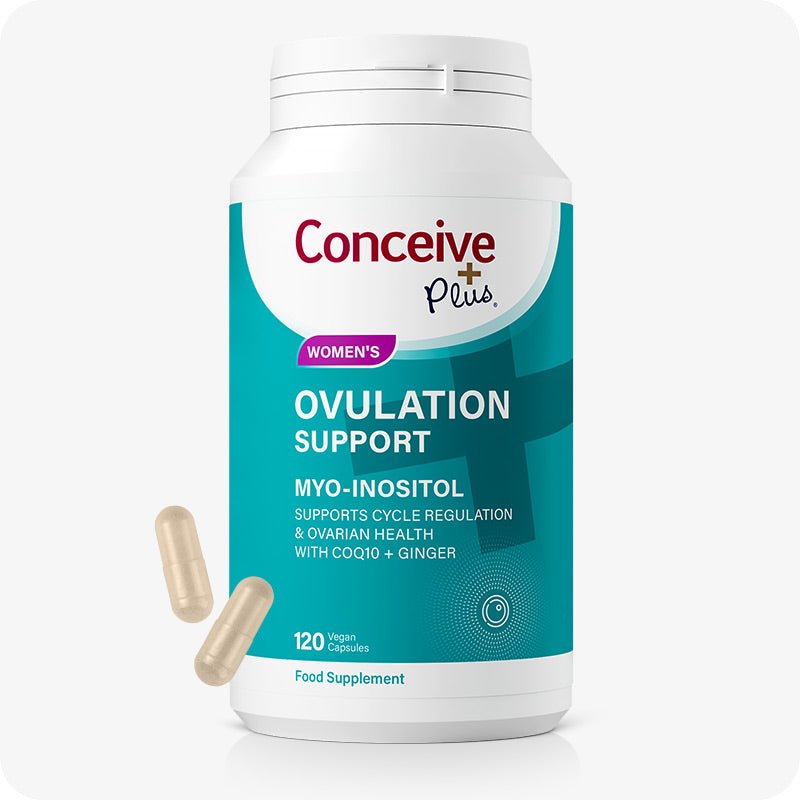
Our fertility supplements combine Myo-Inositol with essential vitamins to support healthy hormone balance and regular ovulation.
Shop Now — $36.00✓ Free shipping available | ✓ Trusted by millions of couples worldwide
What is Inositol Hexaphosphate Used For?
Inositol hexaphosphate, also known as IP-6, Phytate, IP6 inositol or Myo-Inositol hexaphophate, is a vitamin-like nutrient and antioxidant produced by the body. It is also present in foods like legumes, nuts, seeds, and whole grains in addition to being made synthetically [3].
Some medical and holistic practitioners recommend inositol hexaphosphate to prevent and treat cancer, although little evidence exists to back this up. Initial studies into its benefits for breast cancer also appear to suggest that IP-6 can help reduce the side effects of chemotherapy [4].
It has also been intimated that IP-6 could help treat conditions like amenia, diabetes, and heart disease but scientific research is ongoing to confirm this.
In manufacturing, IP-6 is used to keep food from going off.
Is Inositol Hexaphosphate Used to Treat PCOS?
No, it is sometimes used to prevent or treat cancer and studies are ongoing as to its benefits for reducing the side effects of chemotherapy, amenia, and heart disease. To treat PCOS and improve fertility, Myo-inositol and D-chiro-inositol, which are derived from a different form of inositol, are commonly recommended.
How Do Myo-Inositol and D-chiro-Inositol Help PCOS and Improve Fertility?
PCOS is a reproductive disorder linked to high insulin levels, hormone imbalances, and inositol deficiencies. Symptoms often include irregular menstrual cycles, ovarian dysfunction, infertility, insulin resistance, weight gain, acne, facial hair growth, and hair loss from the scalp [5].
Due to the inositol deficiencies that are common in women with PCOS, a combination of Myo-Inositol and D-chiro Inositol at a ratio of 40:1 has proven beneficial in reducing symptoms.
Although Myo-inositol and D-chiro inositol are molecularly similar, they contribute to the body’s health in different ways. Myo-inositol, for example, plays an active role in the transport and use of glucose, also known as blood sugar. Whereas, D-chiro-inositol contributes to the fusion and storage of glycogen in the muscles and liver.
When taken together, in the recommended combination of 40:1, these two inositols not only reduce insulin resistance but also aid in rebalancing hormones by reducing androgen levels (male hormones). This helps to treat common symptoms of PCOS such as facial hair growth, scalp hair loss, and acne, while improved insulin levels lower weight gain.
Additionally, rebalanced hormones help regulate the menstrual cycle and restore ovarian function to improve fertility. D-chiro-inositol helps to improve egg quality [6].
For women with PCOS, the 40:1 combination of Myo-Inositol and D-chiro-inositol can be taken independently as treatment, or in conjunction with other medication. It is also known to improve IVF outcomes.
For more detailed insights on inositol supplements and their role in improving fertility and managing PCOS, check out our comprehensive guide 'Inositol Supplements: What Are They and How Do They Help.'

The Bottom Line
Inositol is a vitamin-like nutrient naturally produced by the body. It occurs in different forms and isomers, which are compounds with the same molecular composition but different physical and chemical properties.
Inositol hexaphosphate is a form of inositol and is believed to help treat cancer and lower the side effects of chemotherapy. When looking to reduce the symptoms of PCOS and improve fertility, however, a 40:1 combination of inositol isomers Myo-inositol and D-chiro-inositol is recommended.
References
- National Library of Medicine - Inositols' Importance in the Improvement of the Endocrine-Metabolic Profile in PCOS - https://pubmed.ncbi.nlm.nih.gov/31752081/
- Science Direct - Inositol - https://www.sciencedirect.com/topics/neuroscience/inositol
- National Library of Medicine - Key Aspects of Myo-Inositol Hexaphosphate (Phytate) and Pathological Calcifications - https://www.ncbi.nlm.nih.gov/pmc/articles/PMC6943413/
- Memorial Sloan Kettering Cancer Center - Inositol Hexaphosphate Purported Benefits, Side Effects & More - https://www.mskcc.org/cancer-care/integrative-medicine/herbs/inositol-hexaphosphate
- NHS - Polycystic Ovary Syndrome - https://www.nhs.uk/conditions/polycystic-ovary-syndrome-pcos/
- National Library of Medicine - The inositols and polycystic ovary syndrome - https://www.ncbi.nlm.nih.gov/pmc/articles/PMC5040057/
🌱 Support Your Fertility Journey
Conceive Plus fertility supplements are clinically formulated to help regulate your cycle and support egg quality.
Shop Fertility Support →Frequently Asked Questions
Recommended by Fertility Experts
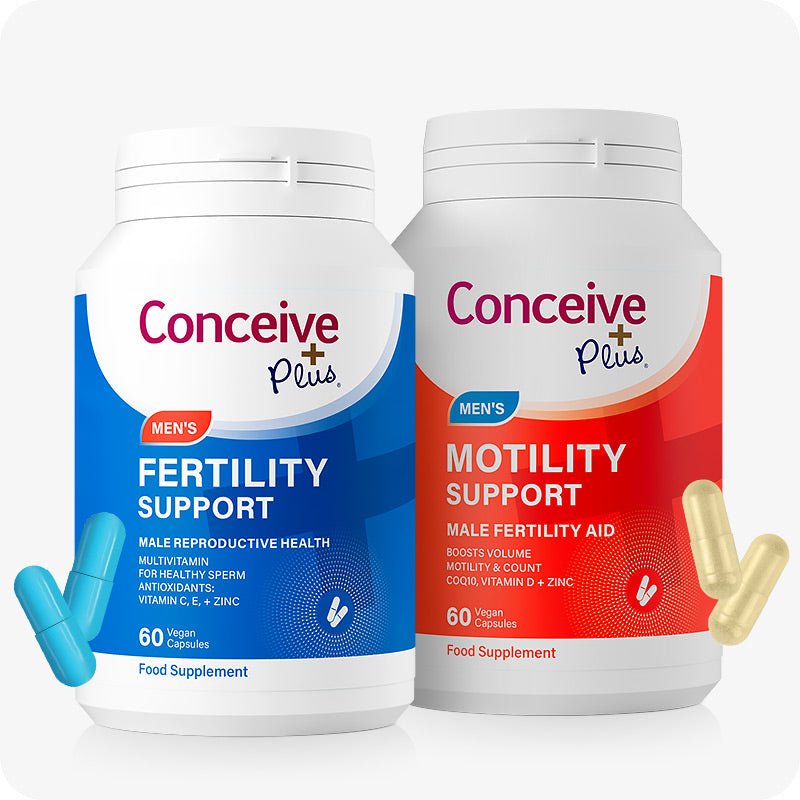
Conceive Plus Men's Fertility Support
Designed to support healthy sperm production, motility, and overall male reproductive health with clinically studied nutrients.
Shop Now →What is the difference between inositol hexaphosphate and myo-inositol for fertility?
Myo-inositol is the most researched form for fertility support, particularly for women with PCOS, as it helps improve insulin sensitivity and egg quality. Inositol hexaphosphate (IP6) is a different compound with six phosphate groups attached, primarily studied for its antioxidant properties rather than direct fertility benefits. For those trying to conceive, myo-inositol is generally the recommended form based on current evidence.
Can I get myo-inositol on NHS prescription for PCOS?
Myo-inositol is not routinely prescribed on the NHS as it's classified as a supplement rather than a licensed medication. NICE guidelines for PCOS management focus on lifestyle interventions and medications like metformin or clomifene for ovulation issues. However, you can purchase myo-inositol supplements privately, and it's worth discussing with your GP or fertility specialist before starting any new supplement regimen.
Is myo-inositol safe to take whilst trying to conceive in the UK?
Myo-inositol is generally considered safe for women who are TTC, with studies showing minimal side effects at recommended doses. It's particularly popular among women with PCOS, as research suggests it may help regulate menstrual cycles and support ovulation. As with any supplement, it's advisable to speak with your GP or fertility consultant before use, especially if you're undergoing NHS fertility treatment.
How long should I take myo-inositol before seeing results for fertility?
Most studies suggest taking myo-inositol for at least three months to see improvements in cycle regularity and ovulation, as this aligns with the natural egg development cycle. Given that 1 in 7 UK couples experience fertility issues, patience is important when trying natural interventions. If you haven't seen any changes after three to six months, consider discussing further options with your GP or requesting a fertility referral.
Should I take myo-inositol alongside NHS fertility treatment like IVF?
Some research suggests myo-inositol may improve egg quality during IVF cycles, particularly for women with PCOS. However, it's essential to inform your HFEA-licensed fertility clinic about any supplements you're taking, as they may have specific protocols. Your clinic can advise whether myo-inositol is appropriate alongside your treatment plan based on your individual circumstances.
What dose of myo-inositol is recommended for women with PCOS in the UK?
The most commonly studied dose is 2,000-4,000mg of myo-inositol daily, often combined with 50-200mcg of folic acid for enhanced benefits. Many fertility supplements available in the UK use a 40:1 ratio of myo-inositol to D-chiro-inositol, which mirrors the body's natural balance. Always check product labels and consult a healthcare professional to ensure you're taking an appropriate dose for your needs.
Where can I buy myo-inositol supplements in the UK?
Myo-inositol supplements are widely available from UK pharmacies, health food shops like Holland & Barrett, and reputable online retailers. When purchasing, look for products specifically formulated for fertility support with clear dosage information and quality certifications. Conceive Plus offers myo-inositol supplements designed for women who are trying to conceive, with formulations backed by scientific research.
Trusted by Couples in Over 70 Countries
Support Male Fertility From the Inside Out
Male fertility is just as important as female fertility in the conception journey. Conceive Plus Men's range delivers targeted nutritional support to promote healthy sperm and overall reproductive wellbeing.
Shop Men's Range →