The Link between Vitamin D and Pregnancy


Why Vitamin D Deficiency is Common
Vitamin D is available through some foods and through exposure to sunlight. You might think that it would be easy to get vitamin D regularly as long as you spend time outdoors. But a number of factors make it more difficult for your body to absorb the vitamin. Covering your skin or wearing sunscreen can prevent your skin from absorbing sunlight. In addition, people with darker skin or obesity may produce vitamin D less quickly. As an alternative to sunlight, you can take in vitamin D through food. The best sources of the vitamin are egg yolks and oily fish such as tuna, salmon, and sardines. Many people do not eat much of these foods, although they may get vitamin D through fortified dairy products. If you don’t regularly drink or eat foods fortified with vitamin D, however, you are likely not producing quite enough.The Risks of Vitamin D Deficiency during Pregnancy

✨ Trying to Conceive?
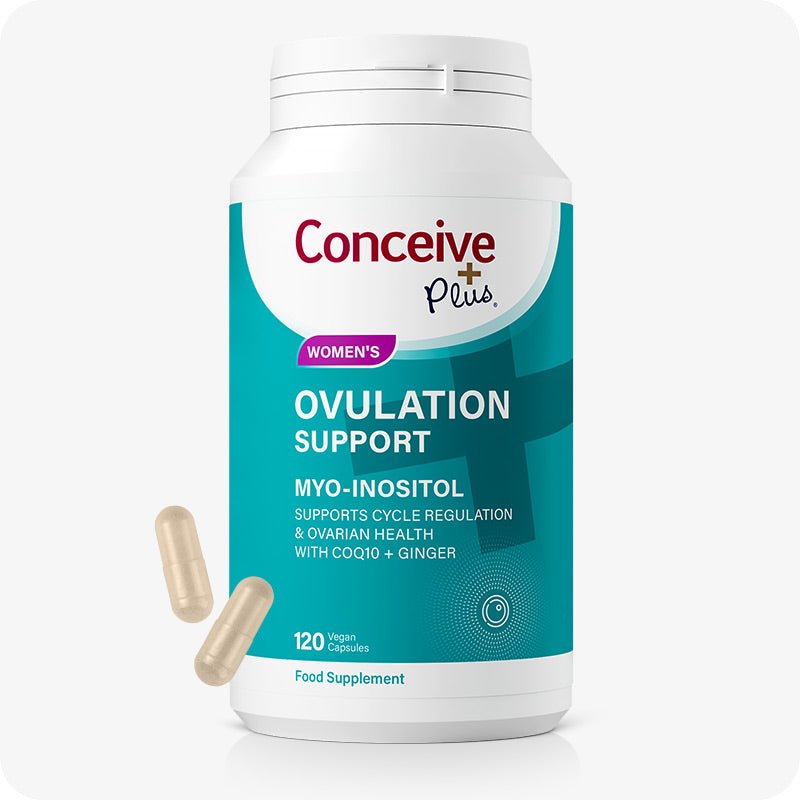
Our fertility supplements combine Myo-Inositol with essential vitamins to support healthy hormone balance and regular ovulation.
Shop Now — $36.00✓ Free shipping available | ✓ Trusted by millions of couples worldwide
How to Get Vitamin D
You can increase your vitamin D levels naturally by eating foods that contain high levels of the vitamin and by getting regular sun exposure. The easiest way to get more vitamin D, however, is by taking a supplement. Researchers are still studying the ideal level of Vitamin D, but most recommend between 600 and 2000 IU (international units). You’ll get some vitamin D through a prenatal vitamin, but most only contain 400 IU. You can get from that to the recommended dosage by taking a vitamin D supplement. When choosing a supplement, cholecalciferol is the strongest form, but you’ll need to look for ergocalciferol if you’re a vegan; cholecalciferol is derived from animal products. If you want to find out if you have a vitamin D deficiency or are unsure of which supplement you should take, it’s a good idea to consult with your doctor. Pregnancy tips to help you conceive The time to start working toward a healthy pregnancy is before you conceive. If you are trying to get pregnant quick, our pregnancy tips are good start to get your body ready for conception process.Information about Conceive Plus
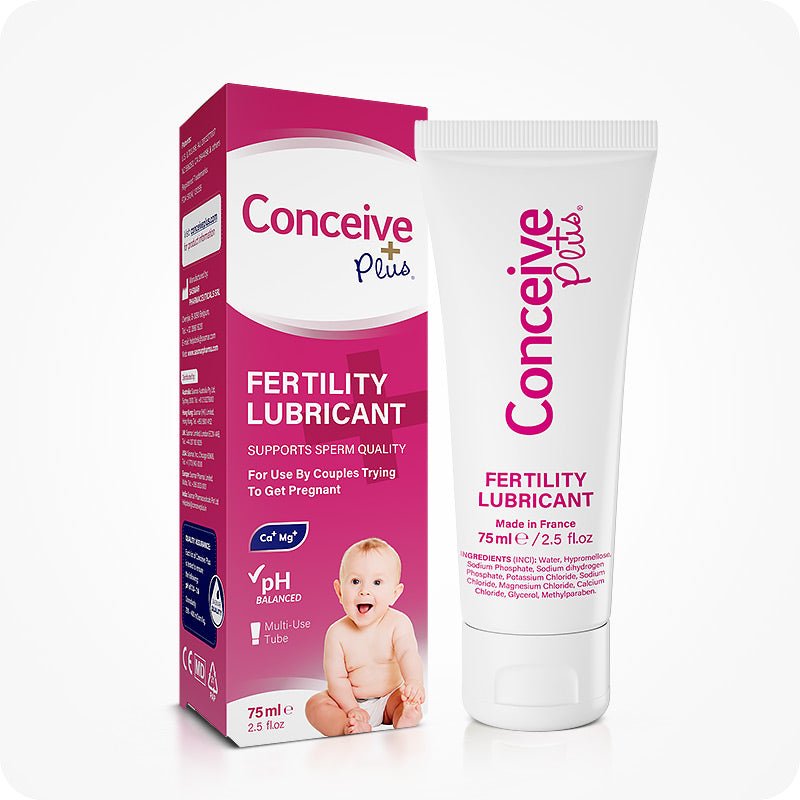
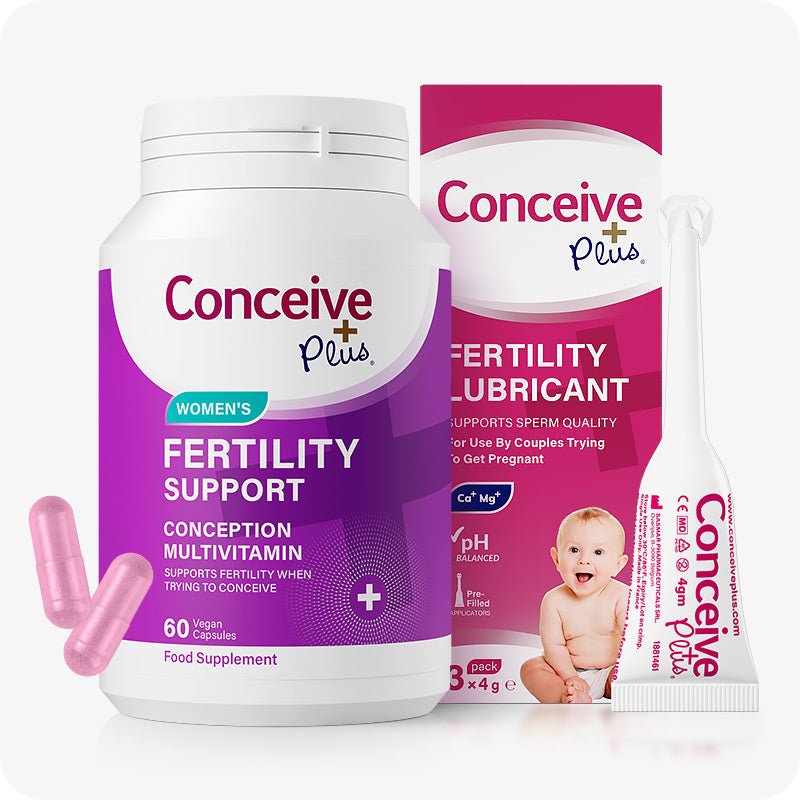
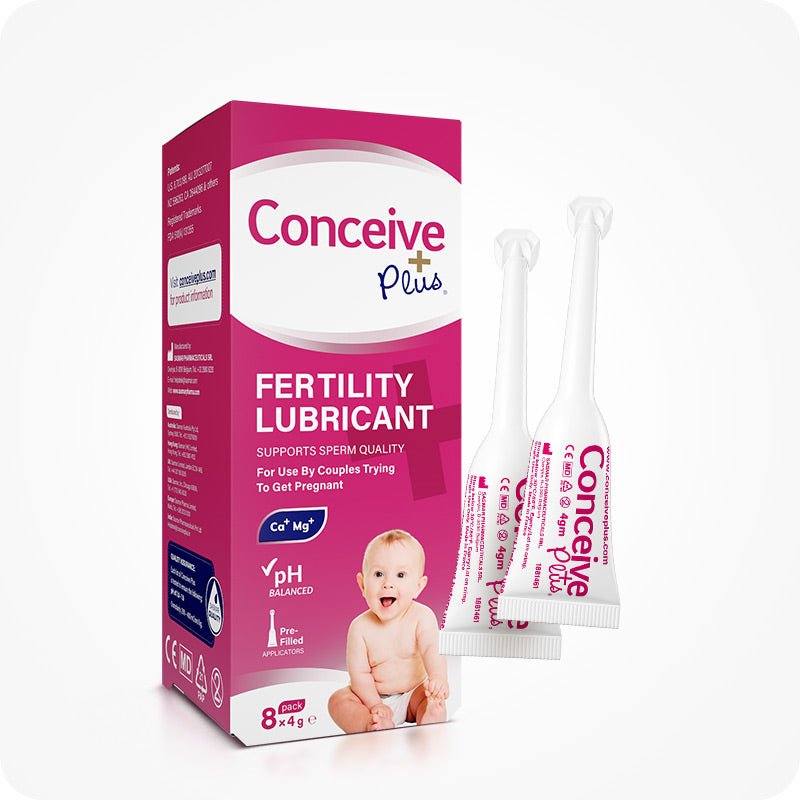
If you have just started trying to get pregnant or have been trying for a while, Conceive Plus® can help increase your chances of conception naturally! Recommended by doctors, pharmacists and fertility clinics in more than 60 countries. This is the fertility friendly lubricant approved by the FDA and a prescription is not required. For where to buy Conceive Plus, visit our where to buy page🌱 Support Your Fertility Journey
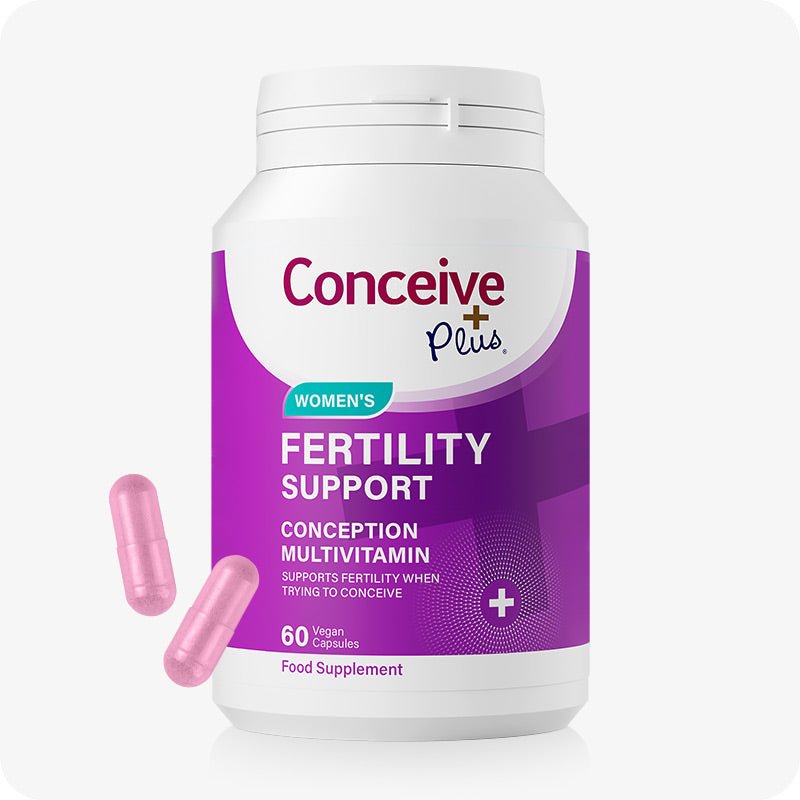
Conceive Plus fertility supplements are clinically formulated to help regulate your cycle and support egg quality.
Shop Fertility Support →Frequently Asked Questions
Recommended by Fertility Experts
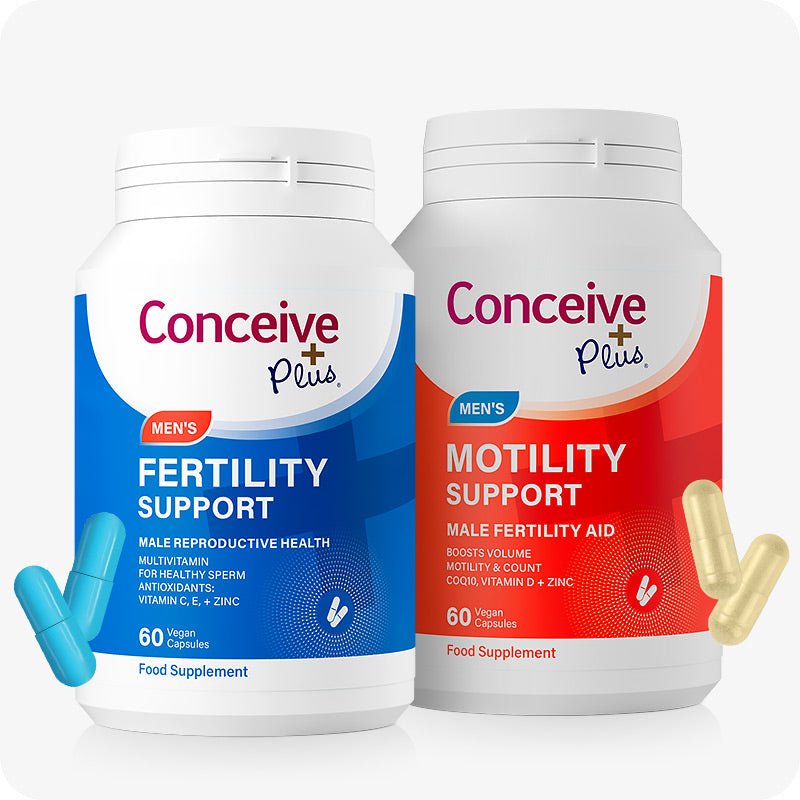
Conceive Plus Men's Fertility Support
Designed to support healthy sperm production, motility, and overall male reproductive health with clinically studied nutrients.
Shop Now →How much vitamin D should I take when trying to conceive in the UK?
The NHS recommends that all adults, including those trying to conceive, should consider taking a daily supplement containing 10 micrograms (400 IU) of vitamin D, particularly during autumn and winter. If you're actively TTC, speak with your GP about whether a higher dose might be appropriate for your individual circumstances, as vitamin D plays an important role in reproductive health.
Can low vitamin D affect my chances of getting pregnant?
Research suggests that vitamin D deficiency may impact fertility in both women and men, potentially affecting hormone balance and reproductive function. With 1 in 7 UK couples experiencing fertility issues, ensuring adequate vitamin D levels is one factor you can address whilst trying to conceive. Your GP can arrange a blood test to check your vitamin D status if you're concerned.
Does the NHS provide free vitamin D supplements during pregnancy?
Yes, if
Why is vitamin D deficiency so common in the UK?
The UK's northern latitude means we don't get strong enough sunlight to produce vitamin D through our skin from October to early March. Many people in the UK also spend significant time indoors, and those with darker skin tones may need longer sun exposure to produce adequate vitamin D, making supplementation particularly important.
Can vitamin D deficiency cause complications during pregnancy?
Yes, research indicates that low vitamin D levels during pregnancy may increase the risk of pre-eclampsia, gestational diabetes, and preterm birth. Vitamin D is also essential for your baby's bone and teeth development, and severe deficiency can lead to rickets in infants. NICE guidelines recommend vitamin D supplementation for all pregnant women to help prevent these complications.
Should my partner take vitamin D if we're trying for a baby?
Yes, vitamin D is important for male fertility too, as studies suggest it may support healthy sperm function and testosterone levels. The NHS recommends that everyone in the UK considers taking a 10 microgram vitamin D supplement daily, so both partners should ensure they're getting enough whilst TTC.
What foods contain vitamin D and are they enough during pregnancy?
Good dietary sources include oily fish like salmon and mackerel, egg yolks, red meat, and fortified foods such as some cereals and spreads. However, it's difficult to get enough vitamin D from food alone, which is why the NHS advises all pregnant women to take a daily supplement regardless of their diet.
Trusted by Couples in Over 70 Countries
Support Male Fertility From the Inside Out
Male fertility is just as important as female fertility in the conception journey. Conceive Plus Men's range delivers targeted nutritional support to promote healthy sperm and overall reproductive wellbeing.
Shop Men's Range →