Mobile phones and fertility


In a time when the mobile phone has become inevitable, even for children, several studies have already attempted to determine the actual risks in their use. What about the combination of mobile phones and fertility. Male fertility is one of the main vital functions jeopardized by mobile devices and as you may know, it is already in decline in Europe. Between 1940 and 1990, the amount of sperm per milliliter of semen has decreased by almost half (from 113 million per milliliter in 1940 to 66 million in 1990). According to researchers, this decrease on a relatively short period can be attributed to environmental rather than genetic factors. Another team, that re-analyzed the data published in 1992, has confirmed the decline in male fertility. This concerns mostly, the United States, Europe and Australia.
Read more in this article:
Being in a developed country will not develop your sperm Women are not spared. According to the Medical Research Foundation, which has spent more than € 500,000 in fertility in 2004: "14% of women, of childbearing age, consult for infertility!" At European level, 15% of couples are already sterile. What causes this phenomenon? Researchers accused the chemical molecules that are in products such as plasticizers, solvents and detergent. A Hungarian research, made on 221 men followed for thirteen months, showed significant correlations, between the lengths of calls made with a cell phone, and the decreased of sperm motility. The result showed their ability to move 51.3% of motile sperm in non-users, as opposed to 36.3% among users. More annoying: based on the results of this study, simply keeping the phone on standby has the effect of reducing the concentration in sperm. Phones emits continuously, even when you do not use it.

✨ Trying to Conceive?
Our fertility supplements combine Myo-Inositol with essential vitamins to support healthy hormone balance and regular ovulation.
Shop Now — $36.00✓ Free shipping available | ✓ Trusted by millions of couples worldwide
The official report on the health effects of mobile phones released in 2001, contained recommendations concerning "prudent avoidance measures to reduce unnecessary exposure," including: "to not wear mobiles close to potentially sensitive tissue, such as contact with the belly for pregnant women or near gonads for a teenager.” If mobile phones have such harmful effects on spermatogenesis, this means that many users are already “affected”, without even knowing. If you are experiencing such difficulties, keep in mind that Conceive Plus was created exactly for these types of issues. Read more about stress here: Stress Can Damage Fertility in Men, Not Just Women
Pregnancy tips to help you conceive
The time to start working toward a healthy pregnancy is before you conceive. If you are trying to get pregnant quick, our pregnancy tips are good start to get your body ready for conception process.Information about Conceive Plus
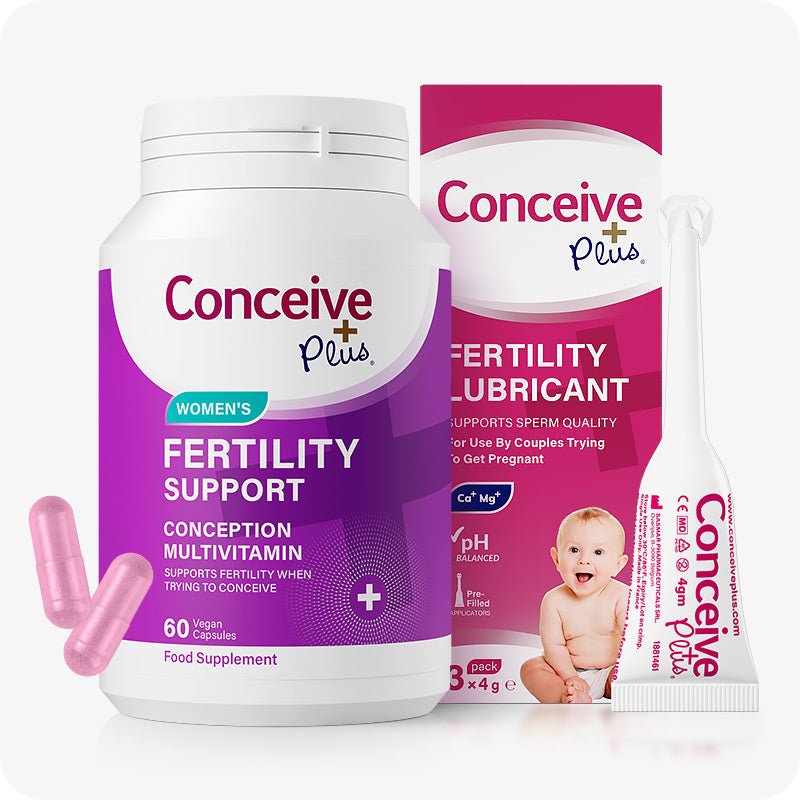
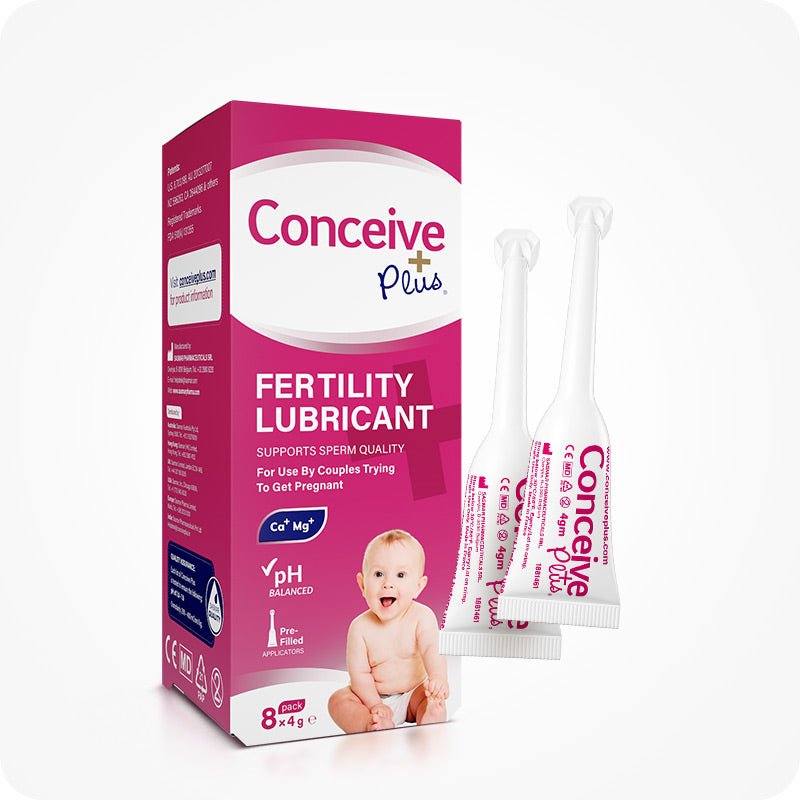
If you have just started trying to get pregnant or have been trying for a while, Conceive Plus® can help increase your chances of conception naturally! Recommended by doctors, pharmacists and fertility clinics in more than 60 countries. This is the fertility friendly lubricant approved by the FDA and a prescription is not required. For where to buy Conceive Plus, visit our where to buy page🌱 Support Your Fertility Journey
Conceive Plus fertility supplements are clinically formulated to help regulate your cycle and support egg quality.
Shop Fertility Support →Frequently Asked Questions
Recommended by Fertility Experts
Conceive Plus Men's Fertility Support
Designed to support healthy sperm production, motility, and overall male reproductive health with clinically studied nutrients.
Shop Now →Can mobile phones really affect male fertility?
Research suggests there may be a link between mobile phone use and reduced sperm quality. A Hungarian study found that men who regularly used mobile phones had lower sperm motility (36.3%) compared to non-users (51.3%). If you're trying to conceive and concerned about sperm health, it may be worth discussing lifestyle factors with your GP, who can refer you for a semen analysis if needed.
Should my partner stop carrying his phone in his pocket when we're TTC?
Some studies indicate that keeping a mobile phone in your trouser pocket, even on standby, may affect sperm concentration due to continuous electromagnetic emissions. Whilst the NHS doesn't currently offer specific guidance on this, many fertility specialists suggest carrying phones in jacket pockets or bags as a precautionary measure when trying to conceive.
Does mobile phone radiation affect female fertility too?
Research on mobile phones and female fertility is less extensive than studies on male fertility. However, with 1 in 7 UK couples experiencing fertility issues, it's sensible to be mindful of potential environmental factors. If you're concerned about your f
Will the NHS test my partner's sperm if we're worried about phone use affecting fertility?
Your GP can refer your partner for a semen analysis through the NHS if you've been trying to conceive for 12 months without success. According to NICE guidelines, both partners should be offered initial fertility investigations. Waiting times vary by area, but this test will assess sperm count, motility, and morphology regardless of the suspected cause.
How can we reduce mobile phone exposure when trying for a baby?
Simple steps include using speakerphone or earphones for calls, keeping phones away from the body when not in use, and switching to aeroplane mode at night. These measures may help reduce electromagnetic exposure whilst you're trying to conceive, alongside other lifestyle changes recommended by the NHS such as maintaining a healthy weight and reducing alcohol intake.
Are fertility problems increasing in the UK?
Evidence suggests male fertility has been declining across developed countries including the UK, with sperm counts dropping significantly since the 1940s. Researchers believe environmental factors, including chemical exposure and potentially electromagnetic radiation, may play a role. The HFEA monitors fertility trends in the UK, and if you're struggling to conceive, your CCG may fund fertility investigations and treatment depending on local criteria.
When should we see a GP about fertility concerns related to lifestyle factors?
The NHS recommends visiting your GP if you haven't conceived after one year of regular unprotected sex, or after six months if the female partner is over 36. During your appointment, you can discuss any lifestyle concerns including mobile phone use, diet, and environmental exposures. Your GP can then advise on appropriate next steps and potential referral to a fertility clinic.
Trusted by Couples in Over 70 Countries
Support Male Fertility From the Inside Out
Male fertility is just as important as female fertility in the conception journey. Conceive Plus Men's range delivers targeted nutritional support to promote healthy sperm and overall reproductive wellbeing.
Shop Men's Range →