Omega-3 May Boost Male Fertility


How Does Omega-3 Improve Fertility?
There are two particularly important kinds of omega-3 fatty acids: docosahexnoic acid (DHA) and eicosapentaenoic acid (EPA), both of which are found in fish sources. DHA is the one that has a positive effect on male fertility. A study at the University of Illinois found that DHA plays a central role in sperm formation. Healthy sperm have a pointed structure at the top called an acrosome. This structure functions much like a sharp hat, enabling the sperm to pierce through the egg’s outer layers. The acrosome also contains a collection of enzymes that helps the sperm to fertilize the egg. DHA is essential to building these acrosomes. Without DHA, sperm remain round at the top and lack those crucial enzymes. For this reason, not getting enough omega-3 can result in weaker sperm. And that will have a harder time fertilizing the egg.How Can You Get More Omega-3?

✨ Support Healthy Sperm
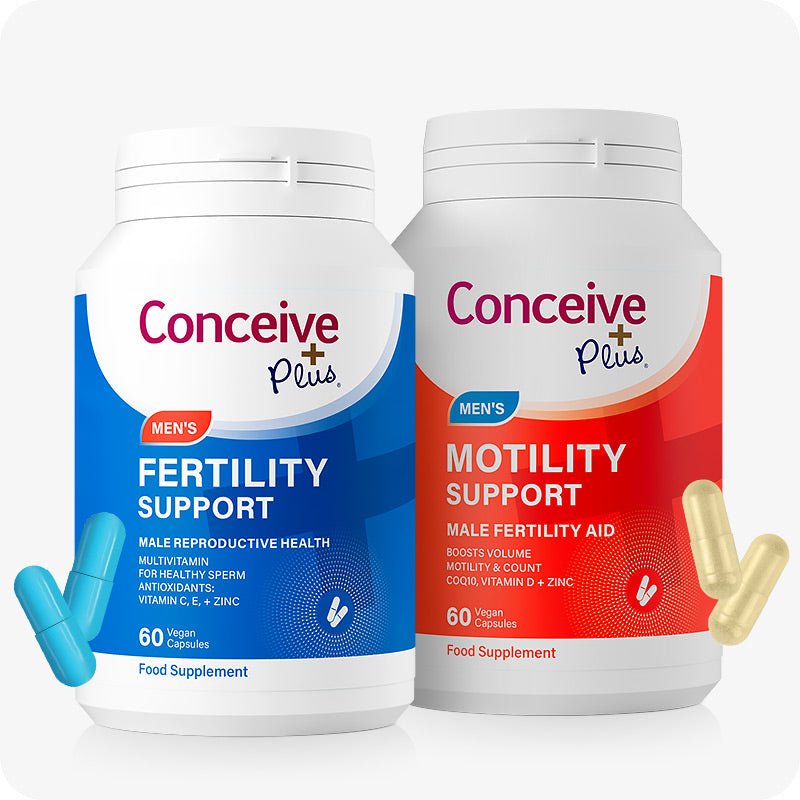
Our Motility Support supplement contains Zinc, CoQ10, and L-Carnitine — clinically studied nutrients for sperm health and motility.
Shop Now — $24.99✓ Free shipping available | ✓ Trusted by millions of couples worldwide
Part of a Larger Strategy
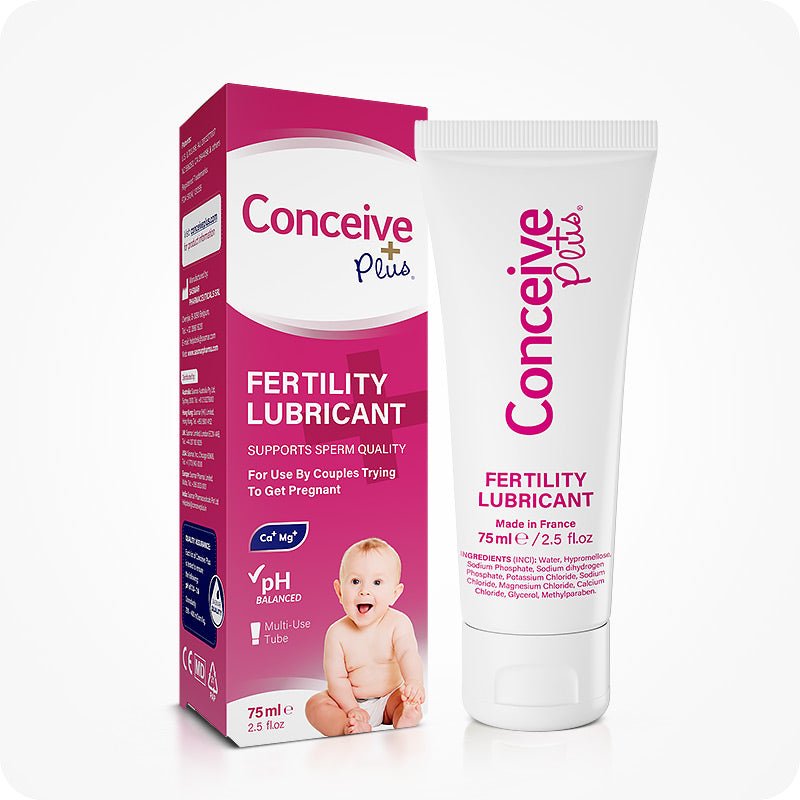
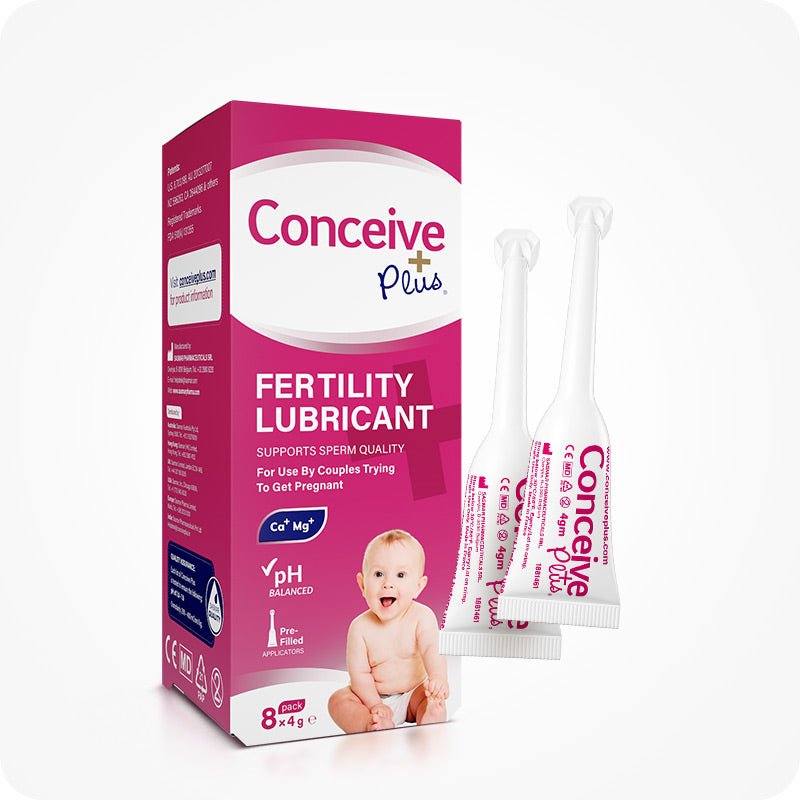
Keep in mind that omega-3 is not a magic cure to infertility. Unless you have undergone a blood test that shows low levels of omega-3, it’s hard to know if that’s what’s solving the problem. Taking an omega-3 supplement is a good way to improve your chances of strong, fertile sperm. However, this supplementation works best when performed alongside other fertility-friendly steps. For example - maintaining a healthy weight, eating healthily, exercising, avoiding smoking and heavy drinking, wearing loose undergarments, and consulting with your doctor. By taking a well-rounded approach, you can be confident that you’re doing everything in your power to improve your odds of conception. CONCEIVE PLUS® Fertility support is an essential part of conception, whether you are just starting out or have been trying for some time. Regular lubricants are proven to have negative effects on the fertilization process and should be avoided when you are trying to conceive.🌱 Boost Male Fertility Naturally
Conceive Plus Men's Motility Support is formulated with the nutrients that matter most for sperm quality, count, and motility.
Shop Men's Fertility →Frequently Asked Questions
Recommended by Fertility Experts
Conceive Plus Men's Fertility Support
Designed to support healthy sperm production, motility, and overall male reproductive health with clinically studied nutrients.
Shop Now →Can omega-3 supplements really help with male fertility NHS?
Research suggests that omega-3 fatty acids, particularly DHA, play an important role in sperm formation and quality. While the NHS recognises that lifestyle factors including diet can affect male fertility, they recommend speaking with your GP before starting any supplements. With 1 in 7 UK couples experiencing fertility issues, optimising nutrition is one factor that may help when trying to conceive.
How much omega-3 should men take for fertility UK?
There's no specific NHS guideline for omega-3 dosage related to fertility, but eating two portions of fish per week (one oily) is generally recommended for overall health. If you're considering omega-3 supplements whilst TTC, it's best to consult your GP or a registered dietitian who can advise on appropriate amounts based on your individual circumstances.
What foods contain omega-3 for male fertility?
Oily fish such as salmon, mackerel, sardines, and herring are excellent sources of DHA and EPA, the omega-3 fatty acids linked to sperm health. Aim to include these in your diet 2-3 times p
Will my GP test omega-3 levels before NHS fertility referral?
Omega-3 testing isn't typically part of standard NHS fertility investigations. According to NICE guidelines, initial male fertility assessments usually include a semen analysis. However, your GP may discuss dietary and lifestyle modifications, including omega-3 intake, as part of general preconception advice before referring you to a specialist.
How long does omega-3 take to improve sperm quality?
Sperm take approximately 74 days to develop fully, so any dietary changes including increased omega-3 intake may take around 2-3 months to show potential benefits. If you're trying to conceive, it's worth making nutritional improvements early and maintaining them consistently whilst TTC.
Are omega-3 supplements safe to take with fertility treatment UK?
Omega-3 supplements are generally considered safe, but if you're undergoing fertility treatment through the NHS or a private clinic, always inform your fertility specialist about any supplements you're taking. The HFEA recommends discussing all supplements with your healthcare team to ensure they won't interfere with any prescribed medications or treatments.
Can low omega-3 cause male infertility?
Research indicates that men with fertility issues often have lower levels of DHA omega-3 in their sperm. While low omega-3 alone may not cause infertility, it can contribute to poorer sperm formation and reduced sperm quality. Addressing omega-3 levels through diet or supplements may be one helpful step alongside other lifestyle modifications recommended by the NHS.
Trusted by Couples in Over 70 Countries
Support Male Fertility From the Inside Out
Male fertility is just as important as female fertility in the conception journey. Conceive Plus Men's range delivers targeted nutritional support to promote healthy sperm and overall reproductive wellbeing.
Shop Men's Range →