Ovulation Discharge: How it Helps You Conceive


Cervical mucus and its changes throughout the menstrual cycle provide useful information to increase your chances of conceiving. On closer inspection, you’ll notice changes in its consistency and colour during ovulation, after menstruation, and in the early stages of pregnancy.
Learning to recognise ovulation secretions can help you identify when you are most fertile and most likely to conceive. Read on to learn more about ovulation discharge, what it looks like, why it changes, and how it helps you to make a baby.

Cervical Mucus Explained
Also known as vaginal discharge, cervical mucus is produced by the cervix, which is the entrance to the uterus from the vagina. The production of cervical mucus is the body’s natural way of supporting the vagina and it’s linked to hormone changes throughout the menstrual cycle.
The primary roles of cervical mucus include protection, lubrication, and reproductive support.
First and foremost, vaginal discharge is produced to protect the vagina and its delicately acidic pH levels from being disrupted by harmful bacteria or parasites that could cause infection. It also prevents bacteria from entering the uterus.
In addition, cervical mucus acts as a natural lubricant to prevent vaginal dryness (atrophy) and flush harmful organisms from the vaginal canal.
Around ovulation, secretions change in consistency to help sperm stay alive and swim through the female reproductive tract to fertilise an egg. [1]
Learning to recognise this ovulation mucus and the difference in cervical fluid post ovulation can help you and your partner to time intercourse around your fertile window each month.
How Cervical Mucus Changes During The Menstrual Cycle
As previously mentioned, fluctuating hormone levels throughout the menstrual cycle directly influence the changes in cervical mucus. [2] Here’s what you can expect:
Menstruation and Cervical Mucus
When you’re menstruating very little cervical mucus is produced and the minimal amount that is present is not noticeable due to menstrual blood.
Cervical Mucus After Your Period
Vaginal discharge is also minimal for 3-4 days after menstruation. It then begins to increase as oestrogen levels and follicle-stimulating hormone (FSH) rise to support follicle growth on the ovary.
During this time cervical mucus becomes thick and somewhat sticky or pasty and its colour can appear cloudy, white, or pale yellow.
Cervical Mucus Before and During Ovulation
In the lead-up to ovulation, the amount of cervical mucus increases, thins and becomes creamier. A day past ovulation occurs, the consistency of your cervical mucus becomes wetter, more slippery and stretchy like raw egg whites.
Known as egg white cervical mucus (EWCM), this fertile ovulation discharge lubricates the vagina in preparation for comfortable intercourse and becomes slightly alkaline to create a more hospitable environment for sperm survival.

✨ Think You Might Be Pregnant?
Get fast, accurate results up to 6 days before your missed period with our early detection pregnancy test.
Shop Now — $3.99✓ Free shipping available | ✓ Trusted by millions of couples worldwide
Its wetter and slippery consistency also improves sperm motility by making it easier for them to swim through the cervix and into the fallopian tubes to fertilise an egg.
Cervical Mucus After Ovulation
Vaginal discharge after ovulation typically becomes drier and more sticky and can seem absent for some, although it’s not. This is due to decreasing oestrogen levels and an increase in progesterone production to support uterine implantation in the case that conception occurs.
Cervical mucus between ovulation and period typically remains like this unless pregnancy has occurred.

Cervical Mucus in Early Pregnancy
Cervical discharge after ovulation if pregnant may not be as dry or sticky as it usually is after ovulation. However, these changes are so minuscule in the first few days after conception that it's difficult to notice.
Typically, by week 8 of pregnancy, you’ll notice a marked increase in your cervical mucus. Leukorrhea is the medical term for cervical mucus during pregnancy. It is usually thin and clear or milky white.
How Long After Egg White Cervical Mucus Do You Ovulate
An egg is typically released 1-2 days after the appearance of egg white cervical mucus. [3] So if you’re trying for a baby, take advantage of EWCM and have unprotected sex for the few days that it’s present.
Even though a mature egg only lives for 12-24 hours after being released, sperm can survive in the female reproductive tract for 3-5 days. Therefore, your fertile window is not just the day you ovulate but also 3-4 days before ovulation.
Once you notice drier cervical mucus following ovulation, your fertile window for that month has closed. Known as the Cervical Mucus Method [4], this approach can alert women that they’re ovulating when trying to have a baby.
As well as cervical mucus, other changes you can monitor to identify ovulation include breast pain ovulation, nipple pain, and cramping on one side of the abdomen.

The Bottom Line
Cervical mucus protects and lubricates the vagina and supports reproduction. It achieves this by responding to hormone changes and altering slightly during each phase of the menstrual cycle.
Just before and during ovulation, for instance, egg white cervical mucus (EWCM) is produced to lubricate the vagina for intercourse and support sperm health & motility.
Understanding the appearance and texture of ovulation discharge can help identify peak fertility and improve timing for conception. Monitoring vaginal discharge ovulation and other symptoms can significantly improve the likelihood of getting pregnant. Cervical secretion after ovulation is usually drier and indicates that a woman’s fertile window has closed for that month.
References
- NHS - Vaginal Discharge - https://www.nhs.uk/conditions/vaginal-discharge/
- Healthline - Guide to Cervical Mucus - https://www.healthline.com/health/womens-health/cervical-mucus#stages
- Parents - Everything You Need to Know About Egg White Cervical Mucus (EWCM) - https://www.parents.com/what-does-an-egg-white-discharge-mean-8604048
- Planned Parenthood - What's the cervical mucus method of FAMs? - https://www.plannedparenthood.org/learn/birth-control/fertility-awareness/whats-cervical-mucus-method-fams
🌱 Get Answers Early
Millions of women trust Conceive Plus for their fertility journey. Clinically validated pregnancy tests delivered to your door.
Shop Pregnancy Tests →Frequently Asked Questions
Recommended by Fertility Experts
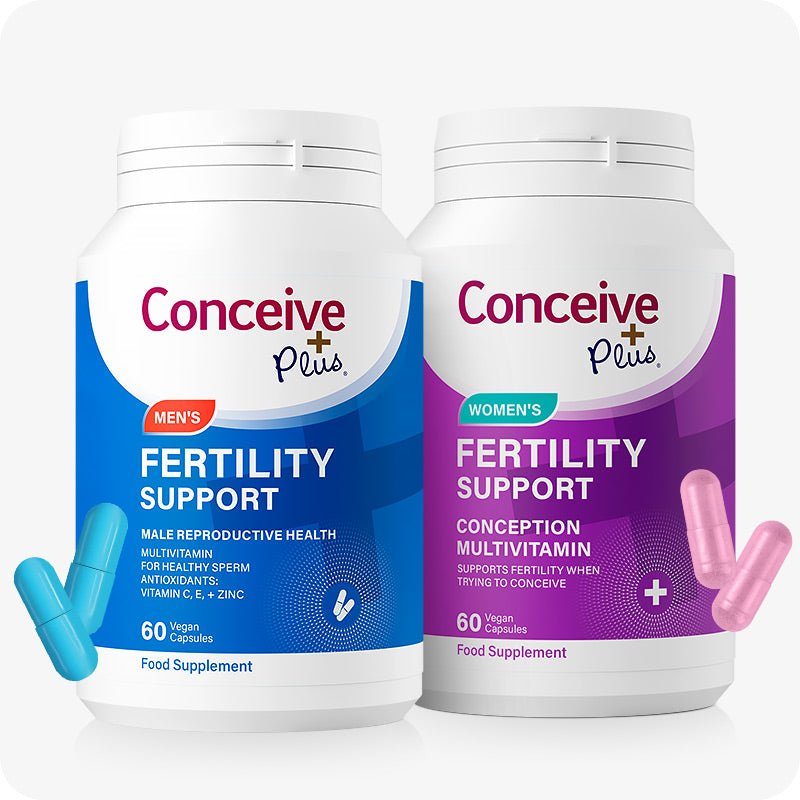
Conceive Plus Men's Fertility Support
Designed to support healthy sperm production, motility, and overall male reproductive health with clinically studied nutrients.
Shop Now →What does ovulation discharge look like?
Ovulation discharge typically resembles raw egg white – it's clear, stretchy, and slippery. This fertile-quality cervical mucus usually appears in the 2-3 days leading up to ovulation and is your body's way of helping sperm travel more easily through the reproductive tract to fertilise an egg.
How can I use cervical mucus to help me conceive?
By checking your cervical mucus daily, you can identify your most fertile days and time intercourse accordingly. When you notice that stretchy, egg white discharge, it's a sign you're approaching ovulation and should try to conceive within the next 24-48 hours for the best chances of pregnancy.
Is it normal to have no discharge during ovulation?
Some women produce less noticeable cervical mucus than others, which can make tracking ovulation more difficult. If you're struggling to identify fertile mucus and have been trying to conceive for 12 months (or 6 months if you're over 35), the NHS recommends speaking to your GP, as 1 in 7 UK couples experience fertility issues.
What's the difference between ovulation discharge and early pregnancy discharge?
After ovulation, cervical mucus typically becomes thicker, cloudier, and less stretchy. In early pregnancy, you may notice an increase in creamy, white discharge called leucorrhoea, though this alone isn't a reliable sign of pregnancy – a test is the only way to confirm.
Can fertility lubricants affect cervical mucus when TTC?
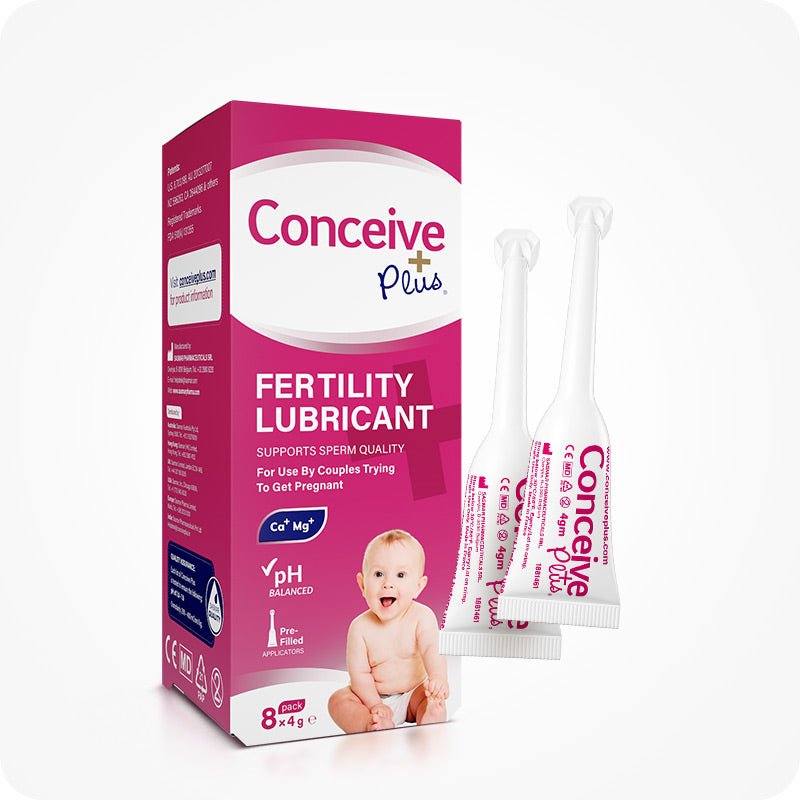
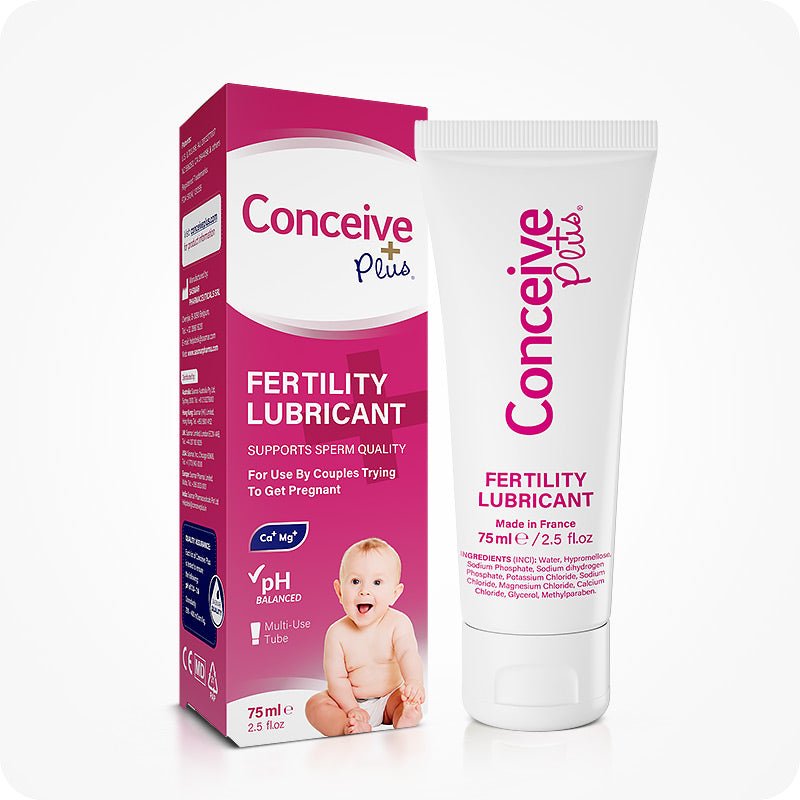
Many standard lubricants can actually harm sperm and interfere with conception. If you're trying to conceive, look for fertility-friendly lubricants that are specifically designed to mimic your natural fertile cervical mucus and support sperm motility without disrupting your vaginal pH.
Should I see my GP if my cervical mucus looks unusual?
If your discharge has a strong odour, unusual colour (green, grey, or yellow), or is accompanied by itching or burning, it's worth booking an appointment with your GP as this could indicate an infection. According to NHS guidance, treating any infections promptly is important when you're trying to conceive, as some conditions can affect fertility if left untreated.
How does cervical mucus tracking compare to ovulation predictor kits?
Both methods can be effective for identifying your fertile window, and many women find using them together gives the clearest picture. Ovulation predictor kits detect the LH surge that happens 24-36 hours before ovulation, whilst cervical mucus changes can give you a few days' advance notice that ovulation is approaching.
Trusted by Couples in Over 70 Countries
Support Male Fertility From the Inside Out
Male fertility is just as important as female fertility in the conception journey. Conceive Plus Men's range delivers targeted nutritional support to promote healthy sperm and overall reproductive wellbeing.
Shop Men's Range →