Stress Can Damage Fertility in Men, Not Just Women


Just because a woman cannot conceive does not always mean that it is her fault since stress can damage men’s fertility, as well. Infertility among men can be a very — ahem — touchy subject because most men are less likely to seek a physician’s help if they are stressed or ill. This is not just speculation or some bar talk.
According to WebMD, a survey of 1,100 men for the American Academy of Family Physicians showed that about 85 percent of the men who surveyed said that they would seek medical treatment if they are ill. Most of the sample — 92 percent — said that they would wait a few days to see if the illness goes away before seeing a doctor. Men with infertility problems may also have a fear of having their masculinity judged, which decreases their likelihood of seeking help. In men, stress can interfere with hormones that affect sperm production and development, which reduces the odds of sperm to reach and fertilize the ovum. The American Fertility Association (AFA) states that infertility can also cause stress, which leads to a never-ending cycle of emotional drama, including depression, low self-esteem and relationship problems with their significant other. There is strong evidence that shows the correlation between sperm quality and quantity and the amount of stress men have. A 2008 study among 744 men that was conducted at the University of Massachusetts showed that men who had more than two stressful events in their lives had a significantly lower sperm count than men who had fewer than two stressful events in their lives.

✨ Support Healthy Sperm
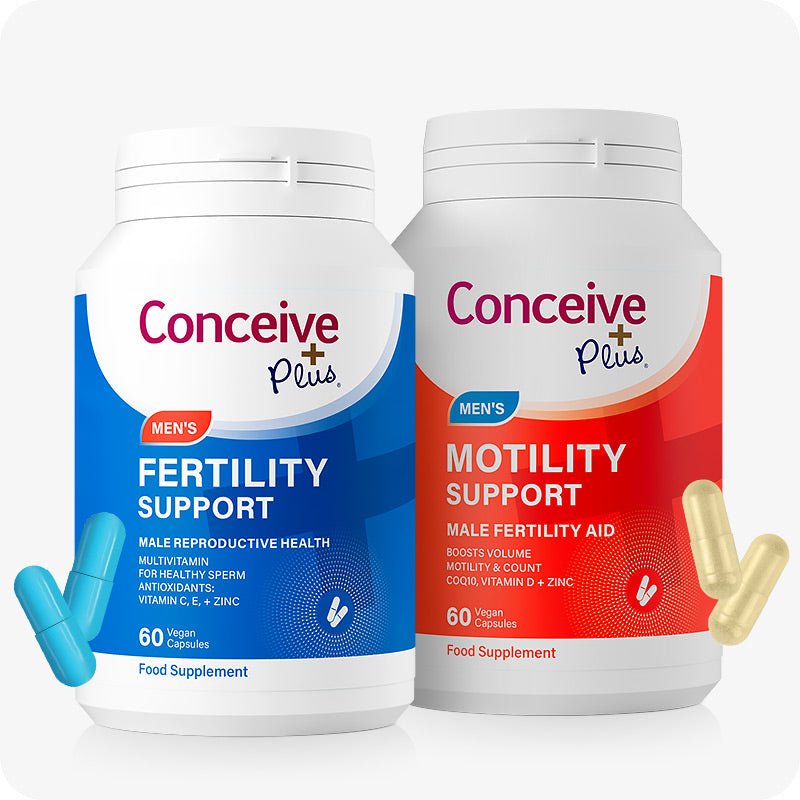
Our Motility Support supplement contains Zinc, CoQ10, and L-Carnitine — clinically studied nutrients for sperm health and motility.
Shop Now — $24.99✓ Free shipping available | ✓ Trusted by millions of couples worldwide
While current research provides much evidence in supporting the causes of women’s infertility, there is little spotlight on how stress can damage fertility in men. However, recent research from Nicolaus Copernicus University in Bydgoszcz, Poland, may shed some light. Researcher Jolanta Guz and her colleagues found that oxidative stress is a major factor in determining the amount and quality of sperm and accounts for half of all male infertility cases. Oxidative stress weakens the body’s ability to offset or neutralize the imbalance of free radical production, such as DNA and cell membrane damage. Therefore, it can decrease sperm motility, concentration and shape, which lead to a weaker chance of fertilizing the egg cell. In their report published July 12, 2013 in PLOS One, Guz and her colleagues wrote that abnormal sperm show high levels of oxidative stress, such as “excessive level of reactive oxygen species” and lower antioxidant content. There is no single best way to deal with the damage from stress and fertility issues for men, although physicians have recommended regular exercise, a healthy diet and more open communication with their women. Some men may find that eating more dietary fiber, fruits and vegetables lift their mood. Some may find physical activity, such as jogging, yoga or salsa dancing, to calm the mind. Whatever the method may be, every man should find a way to deal with the cause of stress. Knowing is half the battle.
🌱 Boost Male Fertility Naturally
Conceive Plus Men's Motility Support is formulated with the nutrients that matter most for sperm quality, count, and motility.
Shop Men's Fertility →Frequently Asked Questions
Recommended by Fertility Experts
Conceive Plus Men's Fertility Support
Designed to support healthy sperm production, motility, and overall male reproductive health with clinically studied nutrients.
Shop Now →Can stress actually affect male fertility?
Yes, research shows that stress can interfere with the hormones responsible for sperm production and development in men. A study of 744 men found that those who experienced more than two stressful life events had significantly lower sperm counts than those with fewer stressful events. This is why managing stress is important for couples trying to conceive.
How do I get my partner referred for a male fertility test on the NHS?
If you've been trying to conceive for 12 months without success (or 6 months if the woman is over 35), your GP can refer both partners for fertility investigations. According to NICE guidelines, men should be offered a semen analysis as part of the initial assessment. Waiting times vary by area, so it's worth asking your local CCG about current timescales.
Why are men less likely to seek help for fertility problems in the UK?
Research suggests that many men feel their masculinity may be judged when facing fertility issues, which can make them reluctant to seek medical help. Studies show that 92% of men tend to wait several days before seeing a doctor about health concerns. It's important to remember that around 1 in 7 UK couples experience fertility issues, and male factors contribute to roughly half of all cases.
Does stress cause low sperm count?
Stress has been shown to negatively impact both sperm quality and quantity. When men experience chronic stress, it can disrupt hormone levels needed for healthy sperm production. The good news is that lifestyle changes to reduce stress, alongside proper nutrition, can help improve sperm health over time.
What supplements can help with male fertility in the UK?
Nutrients such as zinc, CoQ10, and L-Carnitine have been clinically studied for their benefits to sperm health and motility. The NHS recommends maintaining a healthy lifestyle, but many fertility specialists also suggest supplements to support sperm quality. Always speak to your GP before starting any new supplement regimen.
Can infertility itself cause stress and mental health problems?
Absolutely. The American Fertility Association notes that infertility can create a difficult cycle where the condition causes stress, which may then worsen fertility outcomes. Men experiencing fertility difficulties may also suffer from depression, low self-esteem, and relationship strain. If you're struggling, organisations like Fertility Network UK offer support services specifically for men.
How long should we try to conceive before seeing our GP?
According to NICE guidelines, couples should see their GP if they haven't conceived after one year of regular unprotected intercourse, or after six months if the woman is over 35. Given that 1 in 7 UK couples experience fertility issues, seeking help early can ensure you get the right support and any necessary NHS referrals in good time.
Trusted by Couples in Over 70 Countries
Support Male Fertility From the Inside Out
Male fertility is just as important as female fertility in the conception journey. Conceive Plus Men's range delivers targeted nutritional support to promote healthy sperm and overall reproductive wellbeing.
Shop Men's Range →