The secret of fertile sperm



✨ Trying to Conceive?
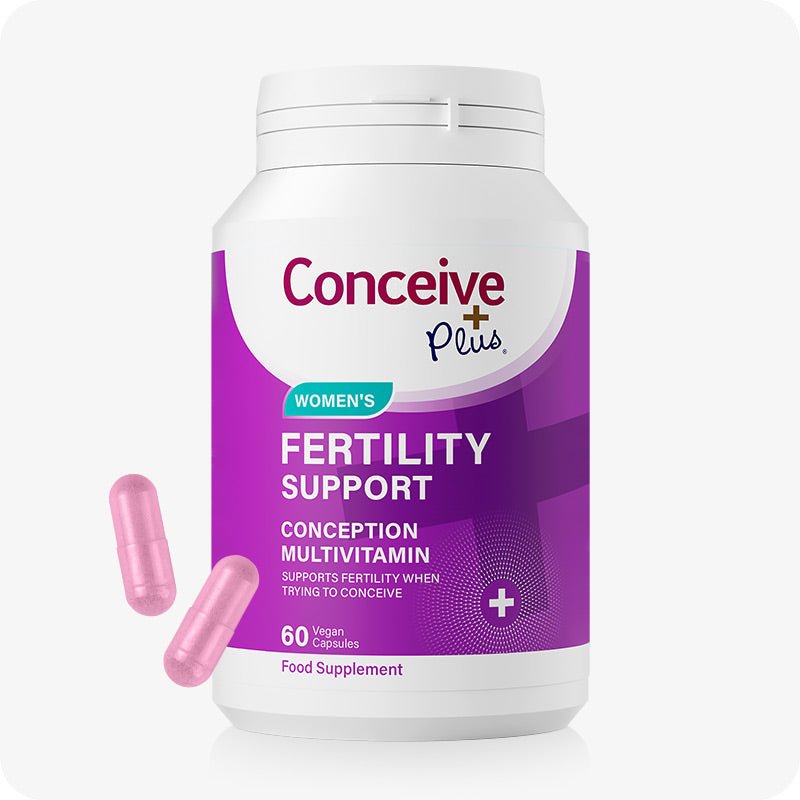
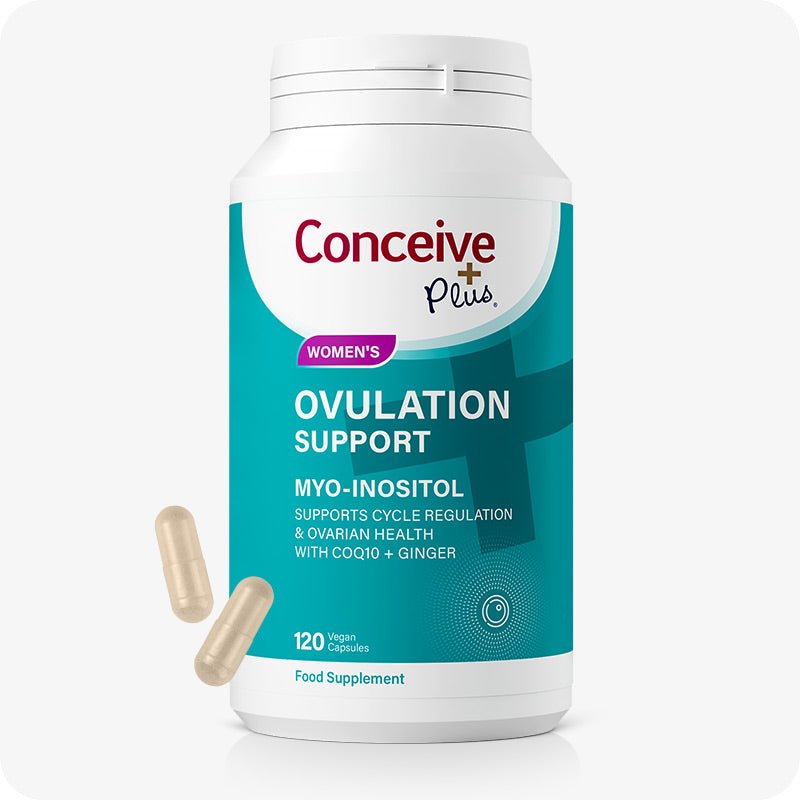
Our fertility supplements combine Myo-Inositol with essential vitamins to support healthy hormone balance and regular ovulation.
Shop Now — $36.00✓ Free shipping available | ✓ Trusted by millions of couples worldwide
🌱 Support Your Fertility Journey
Conceive Plus fertility supplements are clinically formulated to help regulate your cycle and support egg quality.
Shop Fertility Support →Frequently Asked Questions
Recommended by Fertility Experts
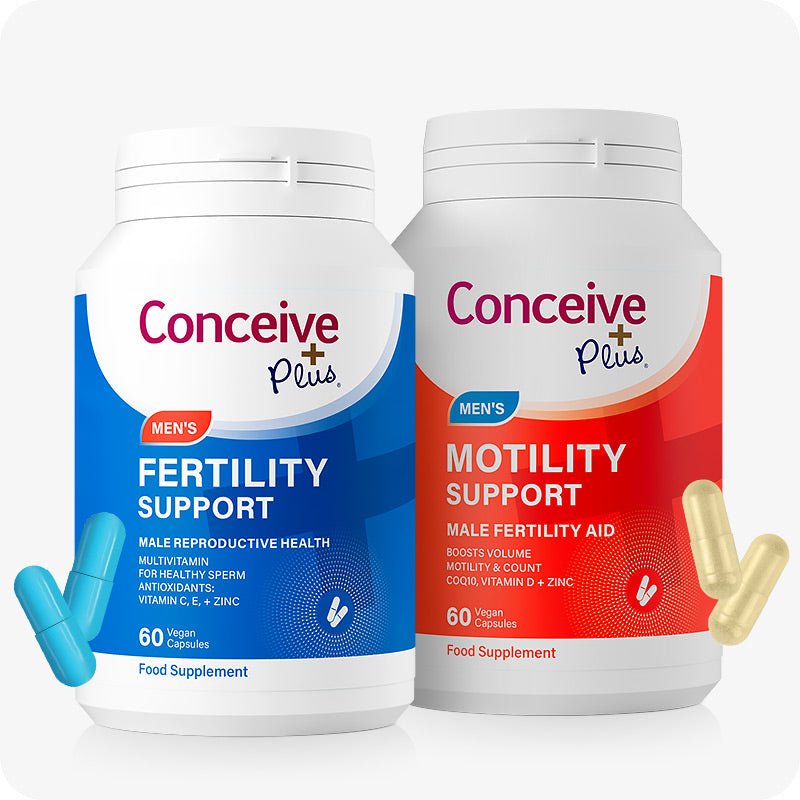
Conceive Plus Men's Fertility Support
Designed to support healthy sperm production, motility, and overall male reproductive health with clinically studied nutrients.
Shop Now →What are sperm ion channels and why do they matter for male fertility?
Ion channels are specialised proteins found in the membrane of sperm cells that regulate the movement of calcium, potassium, and protons. These channels are essential for healthy sperm function, including motility and the ability to fertilise an egg. Research into ion channels like CatSper may lead to new diagnostic tests and treatments for male infertility, which currently affects around 1 in 7 UK couples trying to conceive.
Can the NHS test for sperm ion channel problems?
Currently, NHS fertility testing focuses on standard semen analysis, which examines sperm count, motility, and morphology as recommended by NICE guidelines. Testing for specific ion channel function is still largely within the research phase and not routinely available through NHS fertility clinics. If you're concerned about male factor infertility, your GP can refer you for initial investigations after 12 months of trying to conceive.
Why can't doctors diagnose most cases of male infertility?
Research suggests that around 80 percent of male infertility cases remain unexplained or idiopathic, meaning the underlying cause cannot be identified with current diagnostic tools. Scientists are working to understand the biochemical factors, such as ion channel function, that differentiate fertile sperm from infertile sperm. This ongoing research may eventually lead to better diagnostic testing available through fertility services.
How does progesterone affect sperm and fertilisation?
Progesterone, a hormone released by the female reproductive system, has been shown to activate the CatSper ion channel in sperm cells through a non-genomic pathway. This activation increases sperm activity and is thought to play a crucial role in guiding sperm towards the egg for fertilisation. Understanding this process could help researchers develop new fertility treatments and even novel forms of contraception.
What should I do if we've been TTC for over a year with no success?
According to NHS guidelines, you should speak to your GP if you haven't conceived after 12 months of regular unprotected intercourse, or sooner if you're over 36 or have known fertility concerns. Your GP can arrange initial tests including semen analysis for the male partner and refer you to a fertility specialist if needed. Be aware that NHS funding criteria for fertility treatment vary by local Clinical Commissioning Group (CCG), so it's worth checking your area's specific eligibility requirements.
Will there be new treatments for male infertility based on this research?
Researchers are hopeful that understanding sperm ion channels could lead to targeted treatments for male infertility in the future. As the CatSper channel is only expressed in sperm cells, it represents a promising target for both fertility treatments and potential unisex contraceptives. However, these developments are still in the research phase and not yet available through NHS or private fertility clinics in the UK.
How can I support healthy sperm while trying to conceive?
The NHS recommends maintaining a healthy lifestyle to support sperm quality, including eating a balanced diet, exercising regularly, reducing alcohol intake, and avoiding smoking. Fertility supplements containing key nutrients may also help support overall reproductive health. If you have concerns about sperm quality, speak to your GP who can advise on appropriate testing and potential referral to a fertility specialist.
Trusted by Couples in Over 70 Countries
Support Male Fertility From the Inside Out
Male fertility is just as important as female fertility in the conception journey. Conceive Plus Men's range delivers targeted nutritional support to promote healthy sperm and overall reproductive wellbeing.
Shop Men's Range →