I WANT TO GET PREGNANT, BUT … Natural ways to boost your fertility


Watch your weight
“Most importantly, if you’re overweight, get started on a reasonable regime of weight reduction. That is one of the most common reasons for infertility,” said Dr. Michael Covlin, MD Ob/Gyn at Heartland Women’s Health in Marion. “Weight control is huge, as is decreasing the amount of insulin in your system, and that’s done by reducing the amount of sugar and carbohydrates in your diet.” In one study, researchers evaluated the body mass index of more than 2,000 pregnant women. They found that women who were overweight or obese – BMI of 25-39 – took twice as long to get pregnant and women who were underweight – BMI of 19 or less – took four times as long. “Women definitely need to stay at a healthy weight when trying to conceive,” Dr. Covlin said.Watch what you drink
Drinking too much coffee or other caffeine drinks can contribute to infertility by decreasing the amount of vitamins and nutrients in a woman’s body. You don’t have to give it up completely, just stay under 250 milligrams of caffeine a day to be sure. Moderation is also the key to alcohol consumption when trying to get pregnant, no more than one drink per day. But once you are pregnant, alcohol should be avoided completely as it has been proven to increase the risk of serious birth defects.Stop smoking
Smoking can impair both a woman’s and a male fertility, and smoking while pregnant has been proven to increase the risk of miscarriage.Supplements can help

✨ Trying to Conceive?
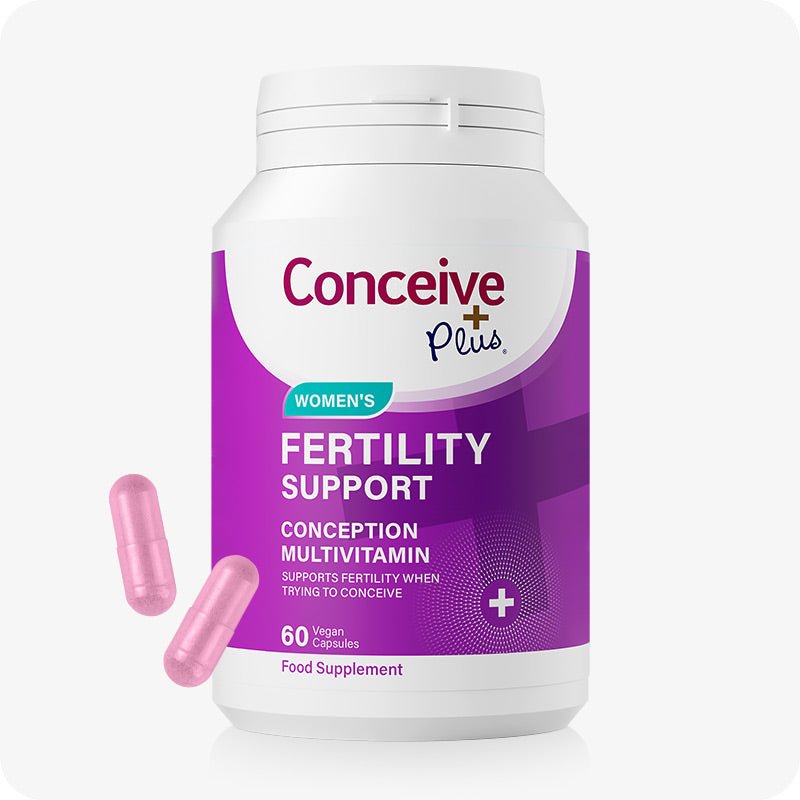
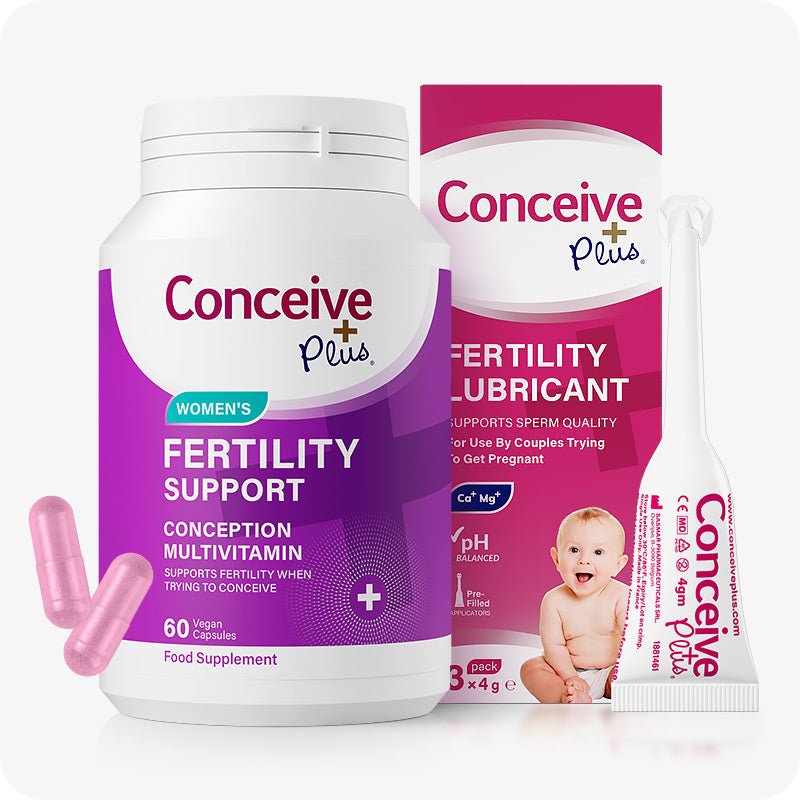
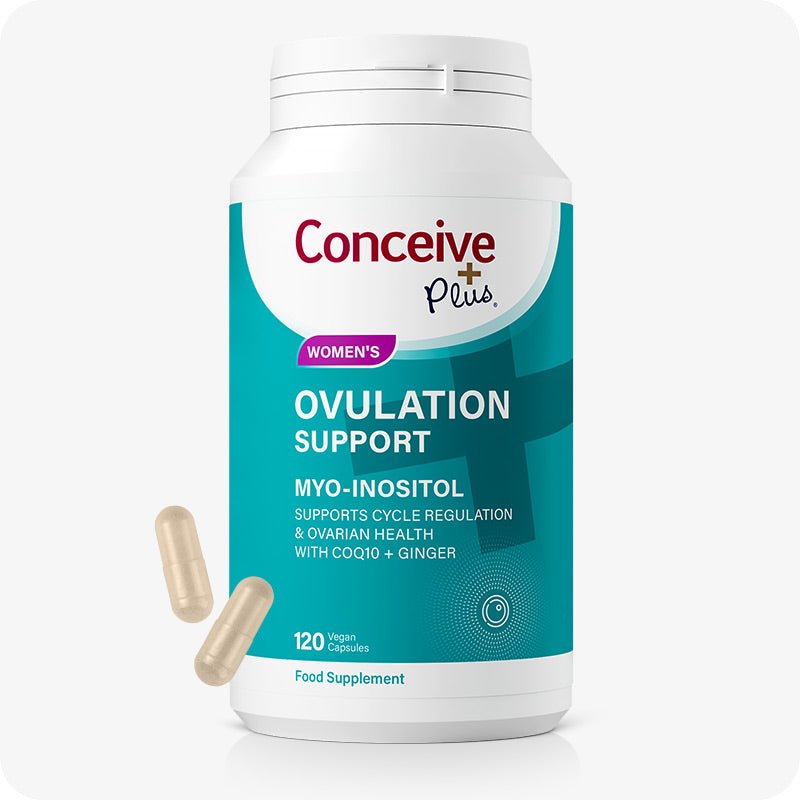
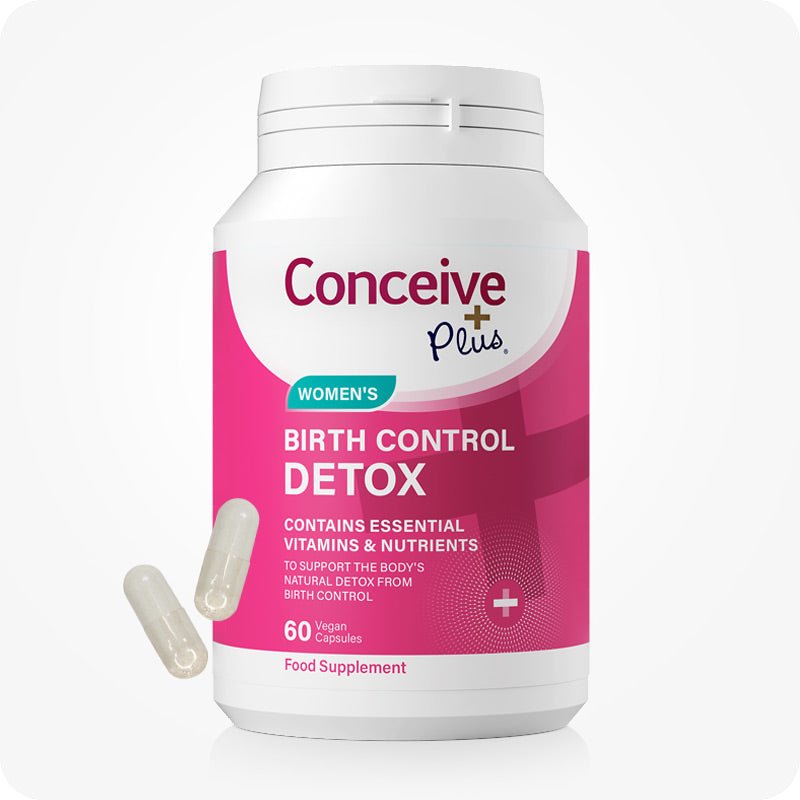
Our fertility supplements combine Myo-Inositol with essential vitamins to support healthy hormone balance and regular ovulation.
Shop Now — $36.00✓ Free shipping available | ✓ Trusted by millions of couples worldwide
Dr. Michael Colvin at Heartland Women’s Health in Marion, recommends supplementing a nutritious diet with Vitamin D, Iodine and Magnesium. “Deficiencies in these nutrients can contribute to infertility and are pretty common,” he said. Herbs that promote hormonal balance, regular ovulation, and proper circulation may help, also, but should only be taken under the supervision of your Ob/Gyn. Here are a few that you could talk about trying.
Black Cohosh root (Actaea racemosa) promotes regulation of the entire menstrual cycle and is excellent for relieving ovarian pain. Blue Cohosh rhizome and root (Caulophyllum thalictroides) is both an ovarian and uterine tonic that aids in regulation of the entire menstrual cycle.
Maca root (Lepidium meyenii) is a nourishing food for the endocrine system, aiding both the pituitary, adrenal, and thyroid glands (all involved in hormonal balance). It supports overall hormonal balance, works to balance estrogen/progesterone levels and is good for overall menstrual cycle support.
Milk Thistle seed (Silybum marianum) supports hormonal balance. It is one of the best plants for liver health, which is vital for hormonal balance. The liver helps to filter toxins from the body, including excess hormones.
Tribulus, aerial parts and fruit (Tribulus terrestris) may normalize ovulation in infertile women when used prior to ovulation. Tribulus has also been found to be a nourishing tonic for the female reproductive system as a whole, especially concerning the ovaries.
Vitex, Chaste tree berry (Vitex agnus-castus) is an effective aid in regulating hormonal balance. It also promotes ovulation and improves timing of the menstrual cycle.
Wild Yam root (Dioscorea villosa) promotes healthy menstrual cycles and reduces ovarian pain.
Yarrow aerial parts (Achillea millefolium) relieves pelvic congestion and improves the entire menstrual cycle timing.
Chart your ovulation
Ovulation occurs about 14 days before the menstrual period is due. Richard Couples often wait until the day of ovulation or later to have intercourse. But if you really want to get pregnant, err on the early side.Have frequent sex
Delaying lovemaking won’t help your chances of conception. In fact, waiting more than five days may decrease the sperm count. “Couples trying to conceive should have sex at least every other day,” Dr. Covlin said.Choose lubricants wisely
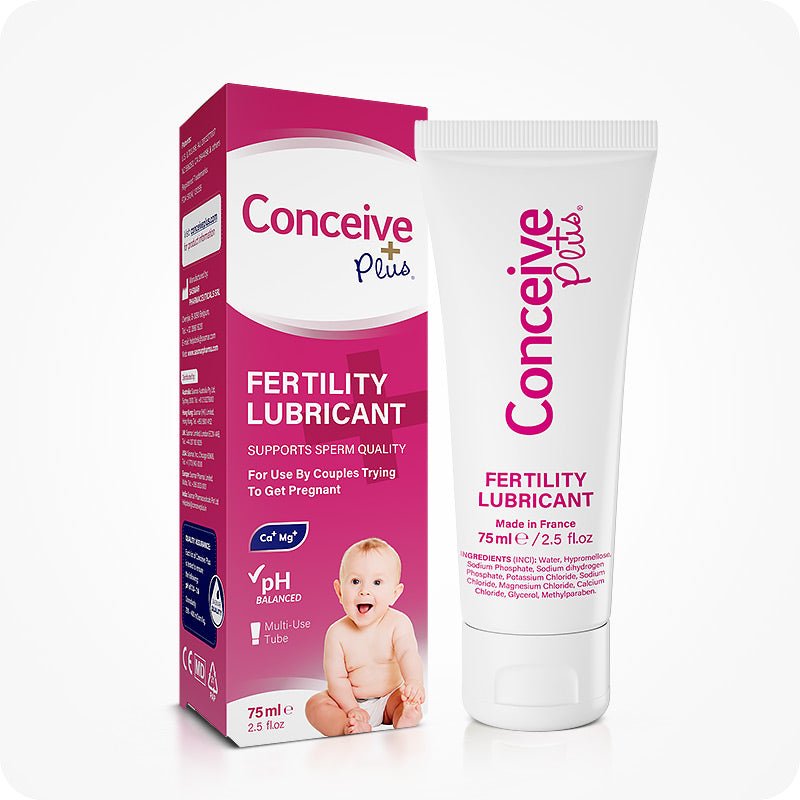
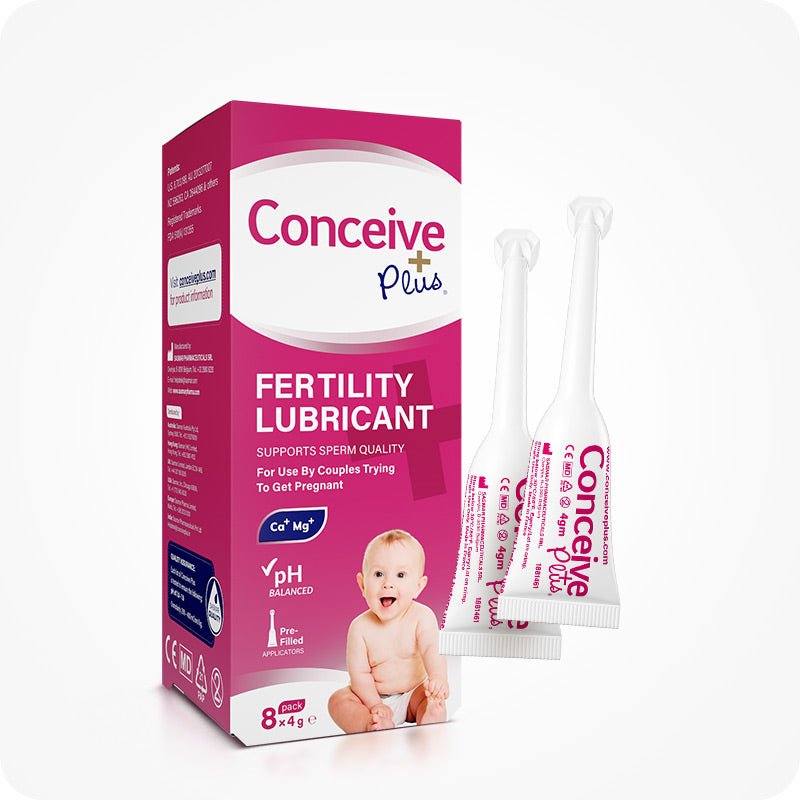
“Water-based lubricants are best,” said Dr. Covlin. “Still, some can inhibit sperm mobility, so check with your Ob/Gyn first.” Some lubricants can actually decrease fertility, such as soap. When you’re trying to get pregnant, be sure to avoid products that have spermicidal agents. Conceive Plus fertility lubricant has been cleared by the FDA and is safe to use when you are trying to get pregnant.Just relax and don’t stress out
“Remember that if all is in order, you’ve got a three percent chance of getting pregnant with each ovulation cycle,” Dr. Covlin said. “About 85 percent of couples who follow these simple rules will conceive with a year, 95 percent within two year. But if you’ve been trying for a year without results, consult your Ob/Gyn.”🌱 Support Your Fertility Journey
Conceive Plus fertility supplements are clinically formulated to help regulate your cycle and support egg quality.
Shop Fertility Support →Frequently Asked Questions
Recommended by Fertility Experts
Conceive Plus Men's Fertility Support
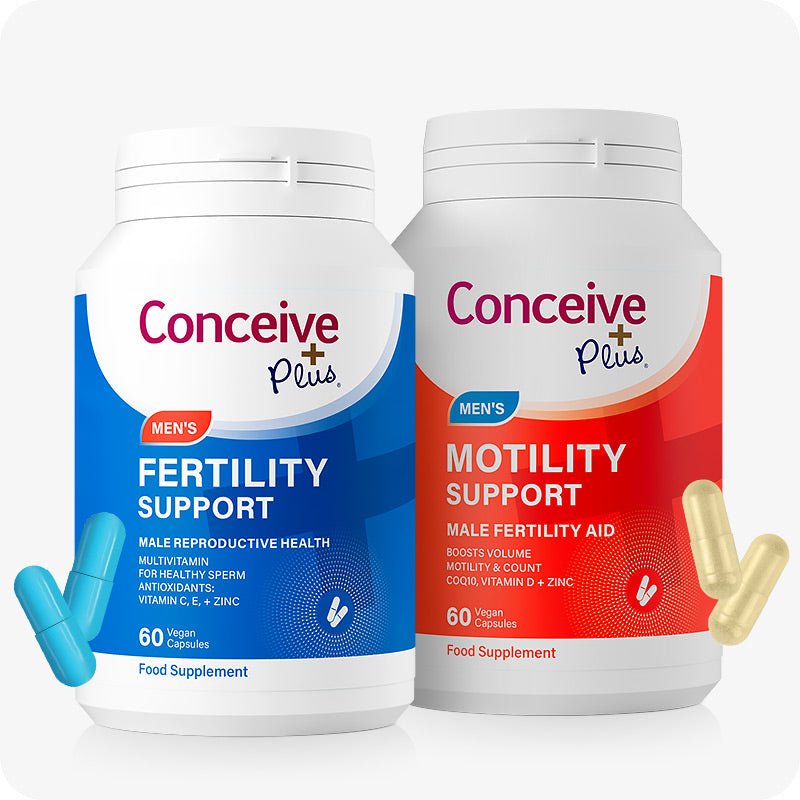
Designed to support healthy sperm production, motility, and overall male reproductive health with clinically studied nutrients.
Shop Now →What is a healthy BMI for getting pregnant in the UK?
According to NHS guidelines, the ideal BMI for conception is between 19 and 25. Research shows that women who are overweight (BMI 25-39) may take twice as long to conceive, whilst those who are underweight (BMI below 19) could take up to four times longer. Your GP can help you achieve a healthy weight before trying to conceive.
How much caffeine can I drink when trying to conceive UK?
The NHS recommends limiting caffeine intake to no more than 200mg per day when trying to conceive or during pregnancy, which is roughly equivalent to two cups of instant coffee. Excessive caffeine consumption can reduce your body's absorption of essential vitamins and nutrients needed for fertility.
What supplements should I take to boost fertility naturally?
The NHS recommends taking 400 micrograms of folic acid daily when trying to conceive. Additionally, supplements containing Vitamin D, Iodine, and Magnesium may help address common nutrient deficiencies that can contribute to fertility issues. Always speak to your GP before starting any new supplements.
Does smoking affect fertility NHS?
Yes, the NHS confirms that smoking significantly impacts both male and female fertility and can reduce your chances of conceiving naturally. Smoking during pregnancy also increases the risk of miscarriage and complications. Your GP can refer you to free NHS Stop Smoking services to help you quit before trying to conceive.
How long should I try to get pregnant before seeing my GP?
NICE guidelines recommend seeing your GP if you haven't conceived after one year of regular unprotected intercourse, or after six months if you're over 36. Around 1 in 7 UK couples experience fertility issues, so don't hesitate to seek advice if you're concerned about your fertility journey.
Can losing weight help me get pregnant faster?
Yes, maintaining a healthy weight is one of the most effective natural ways to boost your fertility. Reducing sugar and refined carbohydrates in your diet can help lower insulin levels, which is particularly beneficial for conditions like PCOS. Even a modest weight loss of 5-10% can significantly improve your chances of conception.
Can I drink alcohol when trying for a baby UK?
Whilst moderate alcohol consumption (no more than one unit per day) is generally considered acceptable when trying to conceive, the NHS advises that the safest approach is to avoid alcohol completely. Once pregnant, you should stop drinking entirely, as alcohol has been proven to increase the risk of serious birth defects.
Trusted by Couples in Over 70 Countries
Support Male Fertility From the Inside Out
Male fertility is just as important as female fertility in the conception journey. Conceive Plus Men's range delivers targeted nutritional support to promote healthy sperm and overall reproductive wellbeing.
Shop Men's Range →