Tips to boost your fertility

Say no to alcohol and cigarettes
Several Scientific studies have proven that excessive consumption of alcoholic drinks and cigarettes can reduce man’s sperm quality and quantity. It is advised to exclude it from your and your partner’s daily diet when trying to conceive. But if abstinence is not possible then it is advised to reduce it to the strict minimum. Sam has the best blogs on diets and exercise. The most important is exclude drinking and smoking during the second half of your cycle. Because that’s when you might be pregnant. If on the other hand you experience a period as normal, there’s little harm in drinking sensibly in accordance with medical guidelines.Lack of essential nutrients
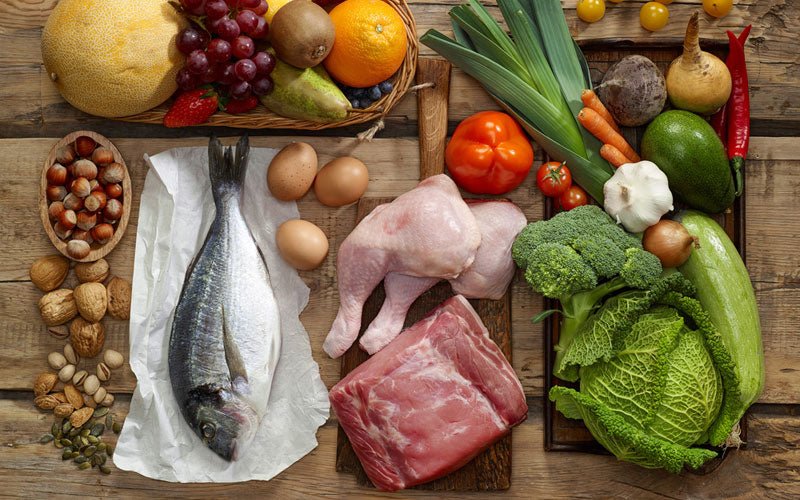
It has also been proved that deficiency in vitamins such as iron and vitamin D can prevent women from ovulation. If you have polycystic syndrome you are likely to have a low shortage of vitamin D. Some women with polycystic syndrome are exposed to deficiency in vitamin D. So it is recommended to eat more fatty fish (such as salmon,tuna, and mackerel), eggs and drink cow’s milk to increase vitamin D in your body. But organ meats like liver and giblets, oysters, soybeans, pumpkin seeds, spinach and lentils are good source of iron. Also, low shortage of iodine can be said to weaken the performance of the thyroid gland as it is one of the major cause of infertility, a study even said that 50% of patient that suffer from infertility have shortage of iodine. A solution to this is taking an iodine supplement to counter the deficiency.Good fats and bad fats

✨ Trying to Conceive?
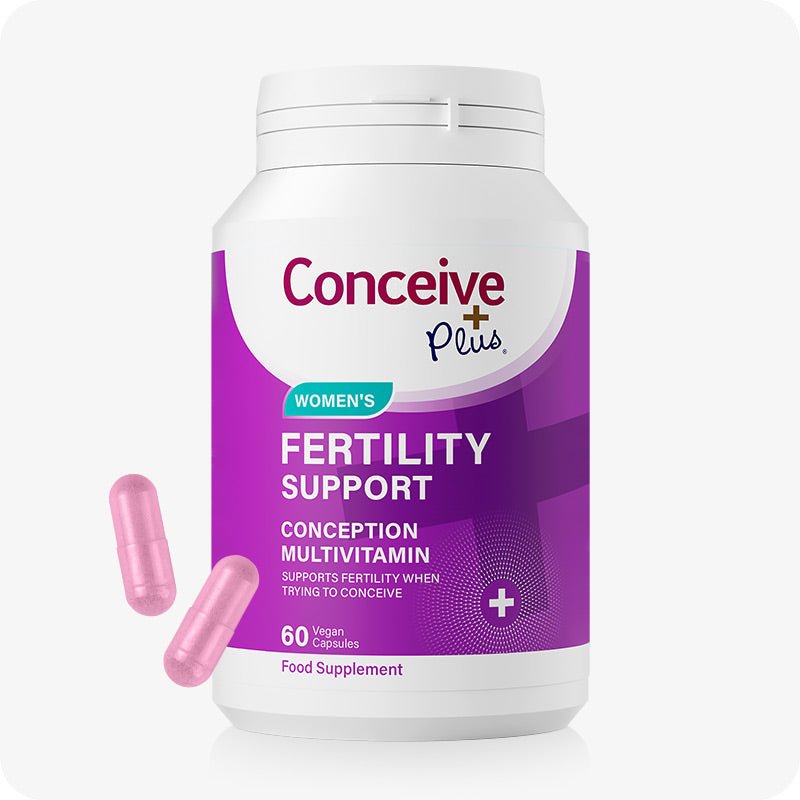
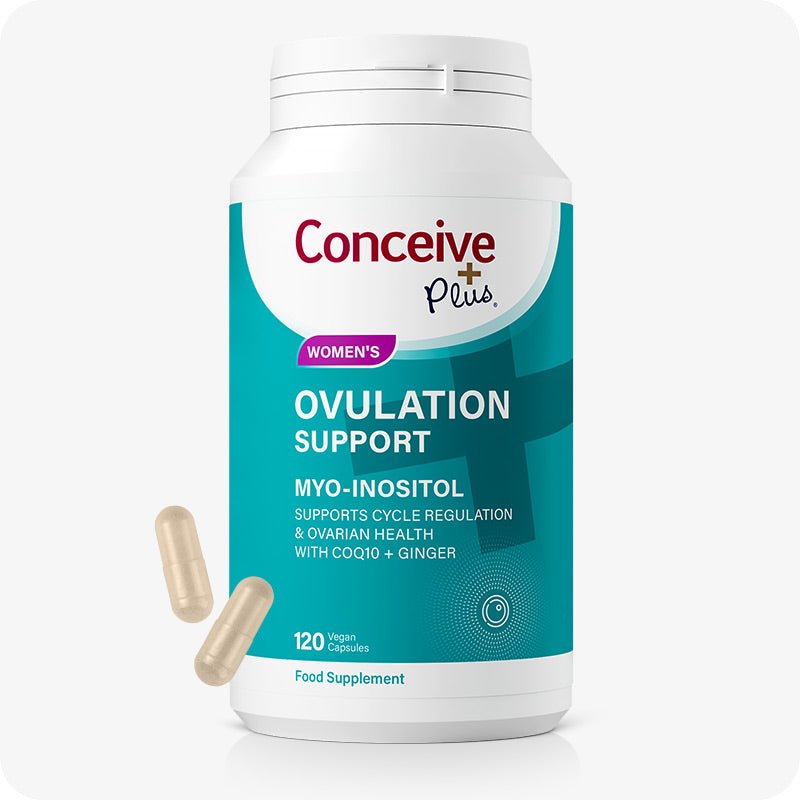
Our fertility supplements combine Myo-Inositol with essential vitamins to support healthy hormone balance and regular ovulation.
Shop Now — $36.00✓ Free shipping available | ✓ Trusted by millions of couples worldwide
- Monounsaturated fatty acids – Found in plant foods like nuts, avocados, olive oil, and canola oil, and in poultry
- Polyunsaturated fatty acids – Found in fatty fish such as salmon and mackerel, and corn and soybean oils
- Ok-in-moderation fat – Found in meat and dairy products such as cheese, butter, and milk
Caffeine
One study showed that women who drank more than one cup of coffee a day were half as likely to become pregnant per cycle as compared to women who consumed less. Another study in patients undergoing in vitro fertilisation (IVF) demonstrated that women who consumed even modest amounts of caffeine (50 mg) were likely to have decreased live birth rates. Although researchers haven’t been able to find a clear connection between moderate caffeine intake and fertility problems, the answer may be related to the ability of caffeine to influence the quality of the developing oocyte (egg). It’s generally considered safe to consume 200 to 300 milligrams (mg) of caffeine daily while trying to conceive. That’s up to two 8-ounce cups of coffee for a weak brew. If you get more than that, it might be a good idea to cut back.🌱 Support Your Fertility Journey
Conceive Plus fertility supplements are clinically formulated to help regulate your cycle and support egg quality.
Shop Fertility Support →Frequently Asked Questions
Recommended by Fertility Experts
Conceive Plus Men's Fertility Support
Designed to support healthy sperm production, motility, and overall male reproductive health with clinically studied nutrients.
Shop Now →How can I boost my fertility naturally before trying to conceive?
Making lifestyle changes such as reducing alcohol intake, stopping smoking, and ensuring you get enough essential nutrients like vitamin D, iron, and iodine can help support your fertility. The NHS recommends both partners make these changes together, as sperm quality can be affected by lifestyle factors too. It's particularly important to avoid alcohol during the second half of your menstrual cycle when you could potentially be pregnant.
Does drinking alcohol affect fertility when trying to conceive?
Yes, research shows that excessive alcohol consumption can reduce sperm quality and quantity in men, and may affect ovulation in women. NHS guidelines suggest that if you're trying to conceive, it's safest to avoid alcohol altogether, though moderate drinking in line with UK guidelines (no more than 14 units per week) during the first half of your cycle is considered lower risk. If you think you might be pregnant, it's best to stop drinking completely.
What vitamins should I take when trying to get pregnant UK?
The NHS recommends taking 400 micrograms of folic acid daily before conception and during the first 12 weeks of pregnancy. Additionally, ensuring adequate levels of vitamin D, iron, and iodine is important for supporting ovulation and thyroid function. You can boost these through diet by eating fatty fish, eggs, leafy greens, and fortified foods, or speak to your G
Can vitamin D deficiency cause infertility?
Low vitamin D levels have been linked to ovulation problems, particularly in women with polycystic ovary syndrome (PCOS). NICE guidelines recognise the importance of addressing nutritional deficiencies when investigating fertility issues. Good sources of vitamin D include oily fish like salmon and mackerel, eggs, and fortified milk, though many people in the UK benefit from supplements, especially during autumn and winter months.
When should I see my GP about fertility problems UK?
The NHS advises seeing your GP if you haven't conceived after one year of regular unprotected sex, or after six months if you're over 36. Around 1 in 7 UK couples experience fertility issues, so it's more common than many people realise. Your GP can arrange initial tests and refer you to a fertility specialist if needed, though waiting times and funding criteria vary by local Integrated Care Board (formerly CCG).
Does smoking affect male fertility?
Yes, scientific studies have proven that smoking can significantly reduce sperm quality and quantity in men. The HFEA recommends that both partners stop smoking when trying to conceive, as it can also affect the success rates of fertility treatments. Many NHS fertility clinics require patients to be non-smokers before offering treatment, so quitting early gives you the best chance of conceiving.
What foods help with fertility when trying for a baby?
A balanced diet rich in essential nutrients can support your fertility journey. Include fatty fish like salmon and tuna for vitamin D, leafy greens and lentils for iron, and dairy products for iodine and calcium. The NHS recommends eating a varied, healthy diet rather than relying solely on supplements, though folic acid supplementation is advised for all women trying to conceive.
Trusted by Couples in Over 70 Countries
Support Male Fertility From the Inside Out
Male fertility is just as important as female fertility in the conception journey. Conceive Plus Men's range delivers targeted nutritional support to promote healthy sperm and overall reproductive wellbeing.
Shop Men's Range →