The Impact of Weight on Fertility


Being overweight and its effect on fertility
Being overweight (having a BMI of 25 or more) can interfere with a woman’s fertility by affecting her body’s production of hormones. Having more fat results in producing more estrogen, which in term can interfere with ovulation. In addition, obesity has been linked to a couple of fertility-related problems, including endocrine disorder and poly-cystic ovary syndrome. In total, women who are obese have a significantly harder time conceiving, and being overweight can also undermine fertility. For men, being overweight can reduce testosterone levels and result in lower sperm quality.Being underweight and its effect on fertility

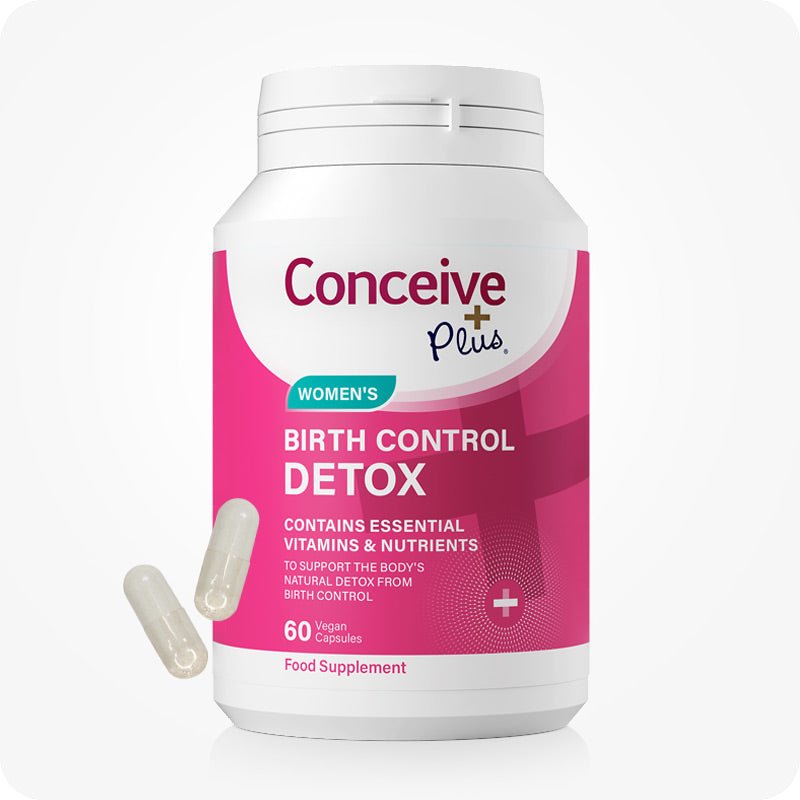
✨ Trying to Conceive?
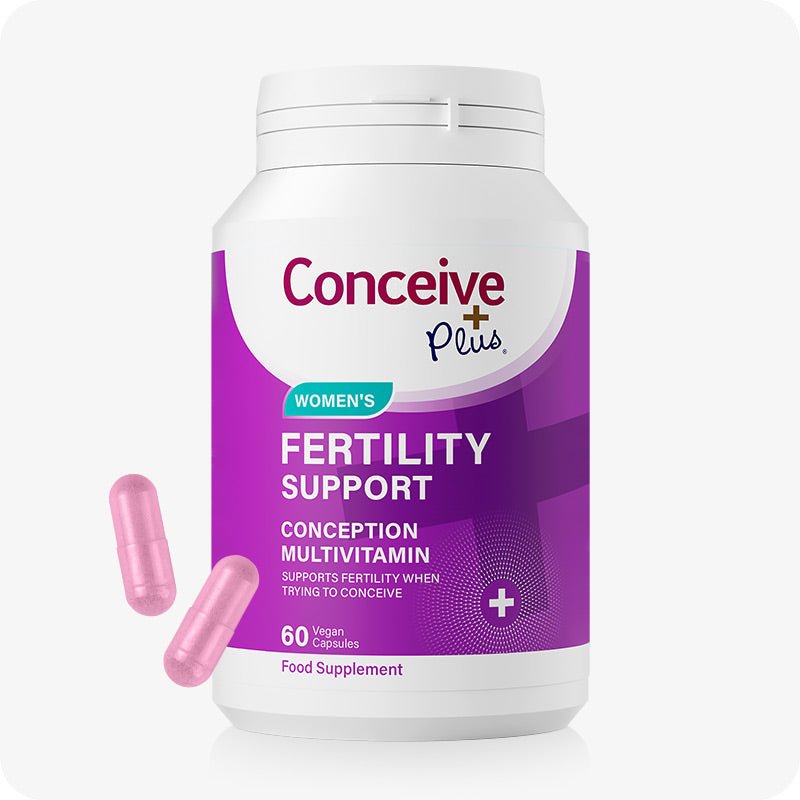
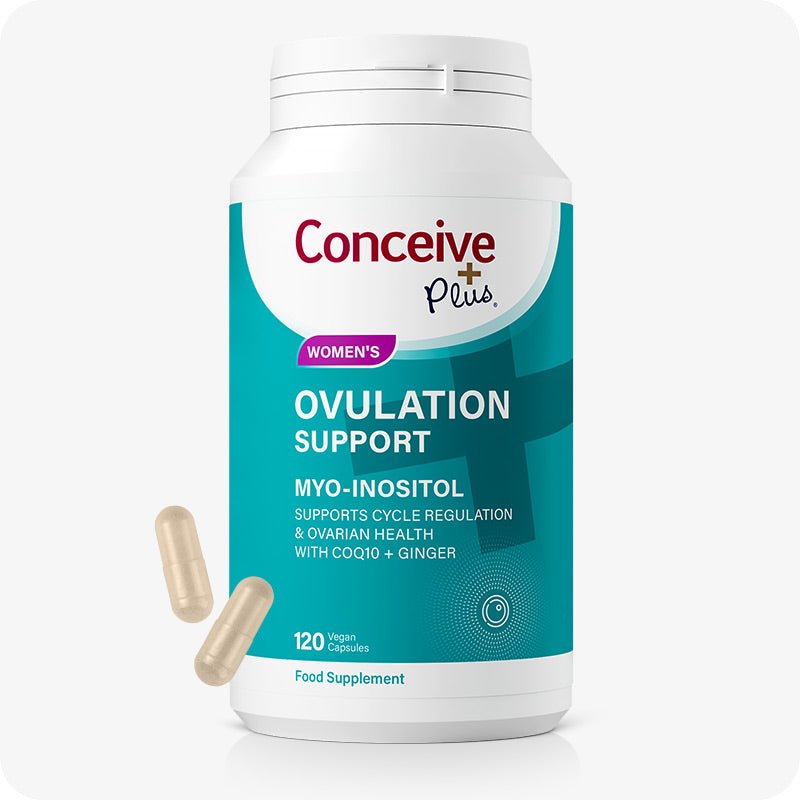
Our fertility supplements combine Myo-Inositol with essential vitamins to support healthy hormone balance and regular ovulation.
Shop Now — $36.00✓ Free shipping available | ✓ Trusted by millions of couples worldwide
🌱 Support Your Fertility Journey
Conceive Plus fertility supplements are clinically formulated to help regulate your cycle and support egg quality.
Shop Fertility Support →Frequently Asked Questions
Recommended by Fertility Experts
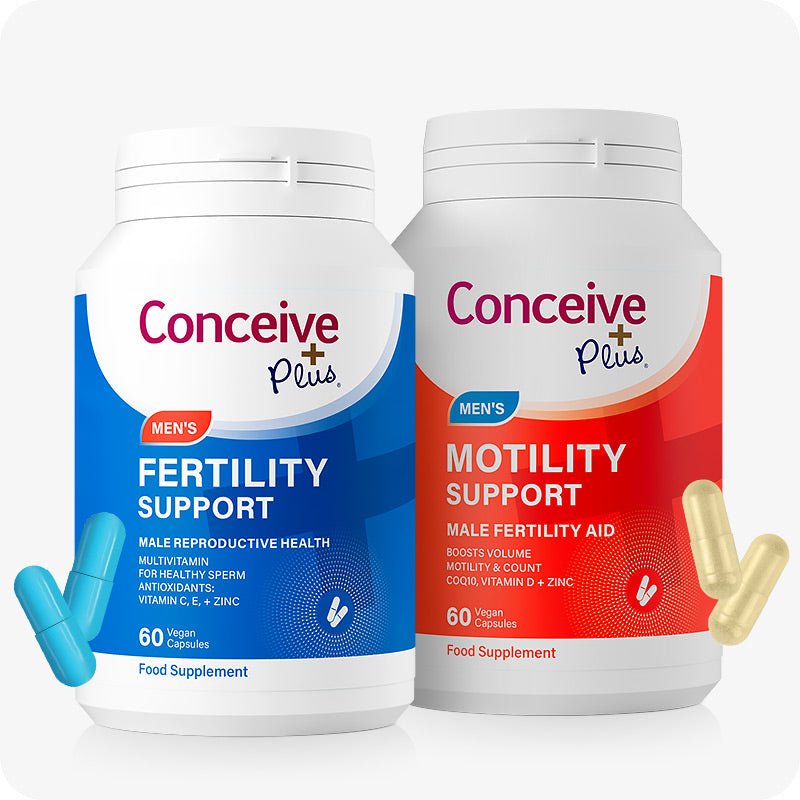
Conceive Plus Men's Fertility Support
Designed to support healthy sperm production, motility, and overall male reproductive health with clinically studied nutrients.
Shop Now →Can being overweight stop me getting pregnant?
Yes, being overweight can make it harder to conceive. According to the NHS, having a BMI of 25 or above can affect hormone production and interfere with ovulation, making it more difficult to become pregnant naturally. Women with obesity may also be at higher risk of conditions like polycystic ovary syndrome (PCOS), which can further impact fertility.
What BMI do I need for NHS fertility treatment?
Most Clinical Commissioning Groups (CCGs) require women to have a BMI between 19 and 30 to qualify for NHS-funded fertility treatment, though this can vary by area. NICE guidelines recommend that women with a BMI over 30 should be supported to lose weight before starting assisted reproduction. It's worth checking with your local Integrated Care Board (ICB) for specific criteria in your region.
Does my partner's weight affect our chances of conceiving?
Yes, weight affects male fertility too. Men who are overweight may have lower testosterone levels and reduced sperm quality, whilst being underweight can lead to a lower sperm count. The NHS recommends that both partners aim for a healthy weight when trying to conceive to maximise your chances.
Will losing weight help me get pregnant faster?
Reaching a healthy weight can significantly improve your chances of conception. Research sho
Can being too thin cause fertility problems?
Yes, being underweight with a BMI under 18.5 can disrupt hormone production and lead to irregular periods or stop ovulation altogether. The NHS advises that women who are underweight may also lack essential nutrients needed for a healthy pregnancy. If you're struggling to gain weight, speak to your GP who can check for underlying conditions and refer you to a dietitian.
How long should I try to conceive before seeing my GP about weight and fertility?
The NHS recommends seeing your GP if you haven't conceived after 12 months of regular unprotected sex, or after 6 months if you're over 35. However, if you know your BMI is outside the healthy range of 18.5-24.9, it's worth speaking to your doctor sooner. Around 1 in 7 UK couples experience fertility issues, and addressing weight concerns early can help improve your chances.
What support is available on the NHS to help me reach a healthy weight before TTC?
Your GP can refer you to NHS weight management programmes, which may include dietitian appointments, exercise programmes, or group support sessions. Some areas also offer specialist preconception clinics for women with weight-related fertility concerns. These services are free and can help you reach a healthy weight safely before trying to conceive.
Trusted by Couples in Over 70 Countries
Support Male Fertility From the Inside Out
Male fertility is just as important as female fertility in the conception journey. Conceive Plus Men's range delivers targeted nutritional support to promote healthy sperm and overall reproductive wellbeing.
Shop Men's Range →