Will Ovulation Test Be Positive If Pregnant? Understanding The Journey Of Pregnancy
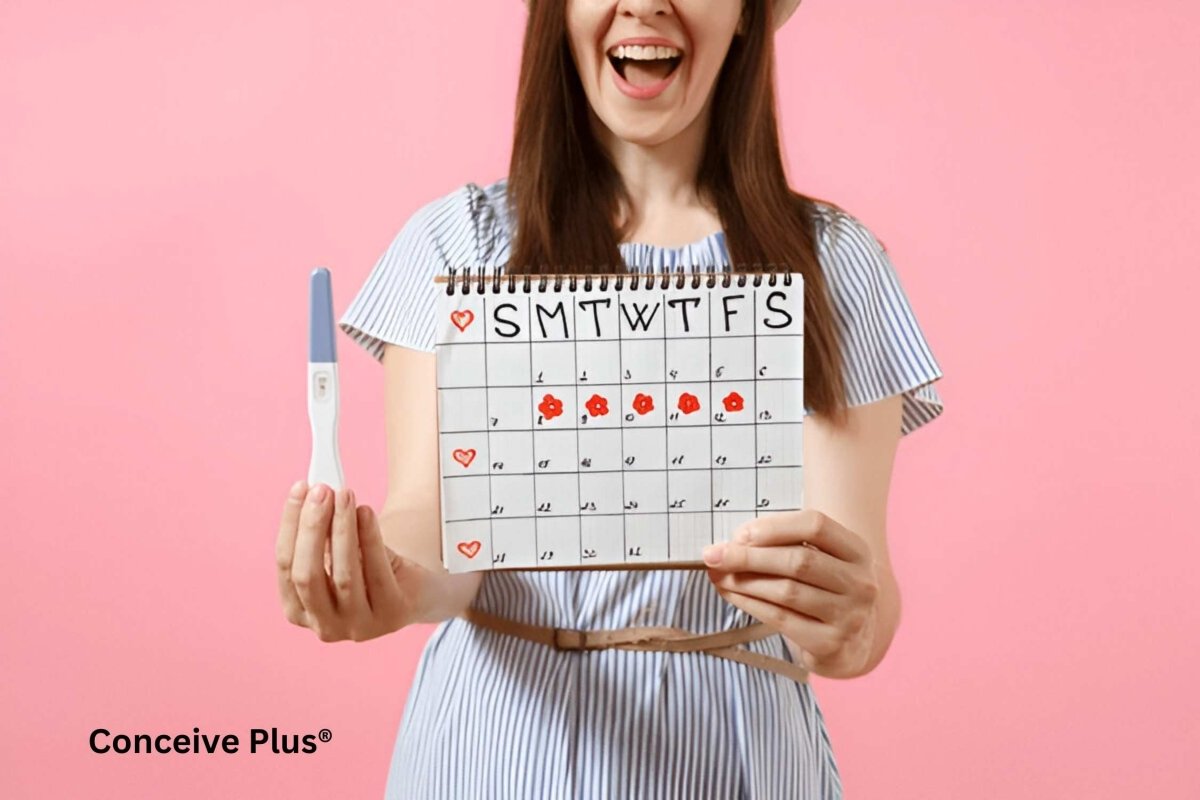

Ovulation tests are widely used by those trying to conceive, as they help predict the most fertile days by detecting a surge in luteinizing hormone (LH), which triggers ovulation. However, many women wonder, will ovulation test be positive if pregnant? In addition to using ovulation tests, incorporating fertility foods and supplements can support your reproductive health and improve your chances of conception. While ovulation tests aren’t designed to detect pregnancy, there are cases where a positive result could indicate pregnancy. In this article, we’ll explore how ovulation tests work, why they might show positive results during pregnancy, and the limitations of relying on them as a pregnancy indicator.

How Ovulation Tests Work
Ovulation tests measure the levels of luteinizing hormone (LH) in urine. When LH levels surge, it signals the body to release an egg within 24 to 36 hours. A positive result on an ovulation test typically indicates that ovulation will occur soon, marking the fertile window for conception. This is why ovulation tests are so helpful in fertility tracking [1].
Why Might an Ovulation Test Show Positive During Pregnancy?
Some women report getting a positive ovulation test when they’re already pregnant. This phenomenon happens because LH and hCG (human chorionic gonadotropin), the hormone produced during pregnancy, have a similar molecular structure. Ovulation tests are designed to detect LH, but they may sometimes pick up on hCG as well due to this similarity.
So, can an ovulation test detect pregnancy? In theory, yes. Although ovulation tests are not made to detect hCG, the structural similarity can sometimes cause them to show a positive result if hCG levels are high enough. However, it’s essential to understand that this is not a reliable or consistent way to test for pregnancy. The sensitivity of ovulation tests to hCG varies significantly, and they are not calibrated to detect this hormone specifically.

Limitations of Using Ovulation Tests as Pregnancy Tests
While a positive ovulation test during pregnancy might seem promising, it’s important to recognize the limitations of using ovulation tests for this purpose.

✨ Trying to Conceive?
Our fertility supplements combine Myo-Inositol with essential vitamins to support healthy hormone balance and regular ovulation.
Shop Now — $36.00✓ Free shipping available | ✓ Trusted by millions of couples worldwide
- Lack of Sensitivity to hCG: Ovulation tests are calibrated to detect the surge in LH, not the much higher levels of hCG that are characteristic of pregnancy. This makes them unreliable for confirming pregnancy, as they may not be sensitive enough to pick up on the lower levels of hCG present in very early pregnancy [2].
- Inconsistent Results: Unlike pregnancy tests, which are specifically designed to detect hCG, ovulation tests can yield inconsistent results when used as a pregnancy test. This means a positive result on an ovulation test could lead to false assumptions and unnecessary confusion.
- Differences in Hormone Detection: Although LH and hCG are similar, they are distinct hormones with unique roles. LH triggers ovulation, while hCG is produced after the fertilized egg implants in the uterus. Therefore, ovulation tests are not a substitute for pregnancy tests, as they’re not specifically designed to recognize the distinct structure of hCG.
Why a Pregnancy Test Is the Best Choice for Confirmation
If you suspect you’re pregnant, it’s best to take a home pregnancy test or consult a healthcare provider. Pregnancy tests are designed to detect even low levels of hCG, making them much more accurate and reliable for confirming pregnancy than ovulation tests.
While it may be tempting to rely on an ovulation test if it’s the only option on hand, doing so can lead to unclear or misleading results. Home pregnancy tests are much more reliable, especially because they are calibrated specifically to detect hCG from the earliest days of pregnancy [3].
Common Scenarios Where an Ovulation Test Shows Positive Results During Pregnancy
There are scenarios where women report seeing positive results on ovulation tests during pregnancy. This can happen when:
- hCG Levels Are Higher: During the early stages of pregnancy, hCG levels double every 48 to 72 hours. If hCG levels rise significantly, an ovulation test may detect it, leading to a positive result.
- Multiple Positive Tests Are Taken Over Time: Occasionally, women testing regularly with ovulation tests report consistent positive results due to rising hCG levels, particularly after a missed period. However, this method is highly inconsistent and not scientifically recommended.

Final Thoughts: Should You Rely on an Ovulation Test for Pregnancy Detection?
Ultimately, if you’re asking, “can ovulation test detect pregnancy?” the answer is that it’s possible, but highly unreliable. While ovulation tests can sometimes show a positive result during pregnancy due to their sensitivity to LH and hCG, they are not designed for this purpose. Pregnancy tests are specifically built to detect hCG accurately and should be the go-to method for anyone wanting a clear answer about pregnancy.
In conclusion, while an ovulation test may occasionally detect the presence of hCG, it is not a substitute for a pregnancy test. If you’re asking, will ovulation test be positive if pregnant, the answer is that it’s possible but not dependable. For a reliable answer, stick to a home pregnancy test or consult your healthcare provider. This way, you can be confident in your results and start preparing for the next steps in your pregnancy journey with accurate information.
Resources
- Su HW, Yi YC, Wei TY, Chang TC, Cheng CM. Detection of ovulation, a review of currently available methods. Bioeng Transl Med. 2017 May 16;2(3):238-246. doi:10.1002/btm2.10058. PMID: 29313033; PMCID: PMC5689497.
- Betz D, Fane K. Human Chorionic Gonadotropin. [Updated 2023 Aug 14]. In: StatPearls [Internet]. Treasure Island (FL): StatPearls Publishing; 2024 Jan-. Available from: https://www.ncbi.nlm.nih.gov/books/NBK532950/
- Kennedy CE, Yeh PT, Gholbzouri K, Narasimhan M. Self-testing for pregnancy: a systematic review and meta-analysis. BMJ Open. 2022 Feb 28;12(2):e054120. doi:10.1136/bmjopen-2021-054120. PMID: 35228285; PMCID: PMC8886405.
🌱 Support Your Fertility Journey
Conceive Plus fertility supplements are clinically formulated to help regulate your cycle and support egg quality.
Shop Fertility Support →Frequently Asked Questions
Can an ovulation test detect pregnancy in the UK?
Whilst ovulation tests are designed to detect luteinising hormone (LH) rather than pregnancy, they may occasionally show a positive result during pregnancy due to the structural similarity between LH and hCG (the pregnancy hormone). However, the NHS recommends using a proper pregnancy test for accurate results, as ovulation tests are not calibrated to reliably detect pregnancy.
Why is my ovulation test positive but I think I'm pregnant?
If you're seeing a positive ovulation test when you suspect you might be pregnant, it could be because the test is picking up hCG rather than LH. This happens because both hormones have a similar molecular structure. To confirm pregnancy, it's best to take a dedicated pregnancy test or speak to your GP for a blood test.
How accurate are ovulation tests for tracking fertility in the UK?
Ovulation tests are generally considered to be over 99% accurate at detecting the LH surge that occurs before ovulation. The NHS acknowledges that ovulation predictor kits can be helpful for couples trying to conceive, particularly as 1 in 7 UK couples experience fertility issues. However, they work best when used alongside other fertility awareness methods.
Should I use ovulation tests before getting an NHS fertility referral?
Many GPs recommend tracking your cycle with ovulation tests for several months before referring you to a fertility specialist. According to NICE guidelines, most couples should try to conceive naturally for at least one year before seeking NHS fertility treatment, though this may be reduced to six months if you're over 36 or have known fertility concerns.
Can I get ovulation tests free on the NHS?
Ovulation tests are not typically provided free on the NHS and are usually purchased over the counter from pharmacies or supermarkets across the UK. However, if you're referred to an NHS fertility clinic, the clinic will conduct their own hormone testing as part of your fertility assessment, which is covered by NHS funding where eligible.
What should I do if ovulation tests are always negative but I want to conceive?
If you're consistently getting negative ovulation tests, it could indicate irregular ovulation or an underlying condition such as polycystic ovary syndrome (PCOS). The NHS recommends booking an appointment with your GP, who can arrange blood tests to check your hormone levels and discuss whether a referral to a fertility specialist is appropriate based on your CCG's funding criteria.
How soon after a positive ovulation test should I try to conceive?
After a positive ovulation test, ovulation typically occurs within 24 to 36 hours, so this is your most fertile window. The NHS advises that having regular intercourse every two to three days throughout your cycle gives you the best chance of conception, rather than focusing solely on the days around a positive test result.