Fertility Supplements for Women: What to Take When Trying to Conceive


Fertility Supplements for Women: What to Take When Trying to Conceive
Starting a family is one of life's most significant journeys, and ensuring your body is nutritionally prepared gives you the best possible foundation. For women trying to conceive (TTC), fertility supplements for women play a crucial role in supporting hormonal balance, egg quality, menstrual regularity, and overall reproductive health.
This in-depth guide reviews the most evidence-backed fertility supplements for women, how they work, when to start taking them, and how Conceive Plus supports women throughout their TTC journey — from the UK to every corner of the world.
Why Nutritional Status Matters So Much for Female Fertility
Female reproductive biology is exquisitely sensitive to nutritional status. Ovarian follicles take roughly 90 days to mature before ovulation — meaning the nutrients available during that entire window directly influence egg quality. Hormone synthesis depends on adequate micronutrient levels. The uterine lining requires specific vitamins to thicken and become receptive to an embryo. Even implantation and early embryo development are shaped by maternal nutrition.
Yet studies consistently show that many women in the UK and globally enter pregnancy with suboptimal levels of key nutrients. A 2019 survey found that over 60% of UK women of reproductive age had suboptimal vitamin D levels. Folate deficiency at conception remains a major public health concern despite decades of education. Fertility supplements for women address these gaps systematically, providing nutrients in doses specifically calibrated to reproductive health needs.
The Essential Fertility Supplements for Women
Conceive Plus — trusted by couples in over 70 countries.
Shop Conceive Plus →
1. Folic Acid / Folate
Folic acid is the most universally recommended of all fertility supplements for women. The NHS recommends 400 mcg daily from before conception until 12 weeks of pregnancy to significantly reduce the risk of neural tube defects (NTDs) such as spina bifida.
Beyond NTD prevention, folate supports DNA synthesis, cell division, and amino acid metabolism — all critical during the rapid cell proliferation of early embryonic development. Some women carry a genetic variant (MTHFR) that impairs folic acid conversion; for these women, the methylfolate form of folate in supplements is more bioavailable.
Start folic acid at least one month before trying to conceive — ideally three months before for optimal tissue saturation.
2. Vitamin D3
Vitamin D is not merely a bone mineral — it functions as a hormone that regulates gene expression across virtually every tissue, including the ovaries, endometrium, and immune system. Studies link higher vitamin D levels with improved IVF success rates, better ovarian response, and reduced risk of miscarriage.
A 2020 meta-analysis found women with sufficient vitamin D were 34% more likely to achieve a clinical pregnancy after IVF than deficient women. As a core component of fertility supplements for women, vitamin D3 (the more bioavailable form) is particularly important in the UK where sunshine is limited from October to April.
The NHS recommends 400 IU daily, though many fertility specialists recommend 1,000–2,000 IU for women who are deficient.
3. CoQ10 (Coenzyme Q10)
CoQ10 is gaining significant attention as one of the most impactful fertility supplements for women, particularly for those over 35 or undergoing IVF. As women age, CoQ10 levels in eggs (oocytes) decline — and with them, the mitochondrial energy production that eggs need for successful fertilisation and embryo development.
Studies show CoQ10 supplementation improves ovarian response in poor responders, increases egg quality, improves fertilisation rates, and reduces the risk of chromosomally abnormal embryos (aneuploidy). A 2018 trial in Journal of Clinical Medicine found 600 mg/day of CoQ10 for 60 days before IVF significantly improved egg number and quality.
Ubiquinol (the reduced form of CoQ10) has better bioavailability than ubiquinone, making it the preferred form in premium fertility supplements for women.
4. Iron
Iron-deficiency anaemia affects up to 30% of women of reproductive age in the UK and is associated with anovulation (absence of ovulation), irregular cycles, and reduced fertility. Even sub-anaemic iron deficiency impairs follicular development.
A large Harvard Nurses' Health Study found women taking iron supplements had a 40% lower risk of ovulatory infertility than those not supplementing. Iron from supplements may need to be in a form that minimises constipation — bisglycinate forms are gentler than ferrous sulphate.
5. Inositol (Myo-Inositol & D-Chiro-Inositol)
Inositol — specifically the combination of myo-inositol and D-chiro-inositol — is one of the most exciting developments in fertility supplements for women, particularly for those with PCOS or insulin resistance. Inositol is a secondary messenger in insulin signalling pathways, and supplementation significantly improves insulin sensitivity, reduces androgen levels, and restores ovulatory function in women with PCOS.
Multiple randomised trials show myo-inositol supplementation (2–4g/day) restores regular ovulation in PCOS, reduces miscarriage rates, and improves IVF outcomes. It is now included in European fertility society guidelines for PCOS management.
6. Omega-3 Fatty Acids (DHA/EPA)
Omega-3 fatty acids — particularly DHA (docosahexaenoic acid) — are critical for egg quality, embryo implantation, and foetal brain development. Studies show women with higher DHA levels have better IVF outcomes and lower risk of preterm birth.
As a component of fertility supplements for women, omega-3s also reduce systemic inflammation (which can impair implantation), support progesterone production, and improve blood flow to the uterus.
Algae-based omega-3s provide DHA without the contamination risk of fish oil and are suitable for vegetarian and vegan women.
7. Vitamin B12
Vitamin B12 works synergistically with folate in DNA synthesis and methylation processes essential for egg maturation and embryo development. Deficiency is particularly common in vegetarians and vegans. Low B12 is associated with anovulatory cycles and may contribute to elevated homocysteine, which impairs implantation.
8. Zinc
Zinc plays a critical role in ovarian follicle development, the LH surge that triggers ovulation, and progesterone synthesis. Studies show zinc-deficient women have longer time-to-pregnancy and higher rates of ovulatory disorders. Zinc is a key mineral in well-formulated fertility supplements for women.
9. Vitamin E
Vitamin E is a powerful fat-soluble antioxidant that protects the egg from oxidative damage during the 90-day maturation process. It also supports uterine lining development and blood flow — studies show vitamin E improves endometrial thickness in women with thin linings.
10. Selenium
Selenium is essential for thyroid function — and thyroid disorders are one of the most common causes of female infertility. Selenium also has antioxidant roles in the reproductive system, protecting follicles and supporting early embryo development.
Conceive Plus Women's Fertility Support
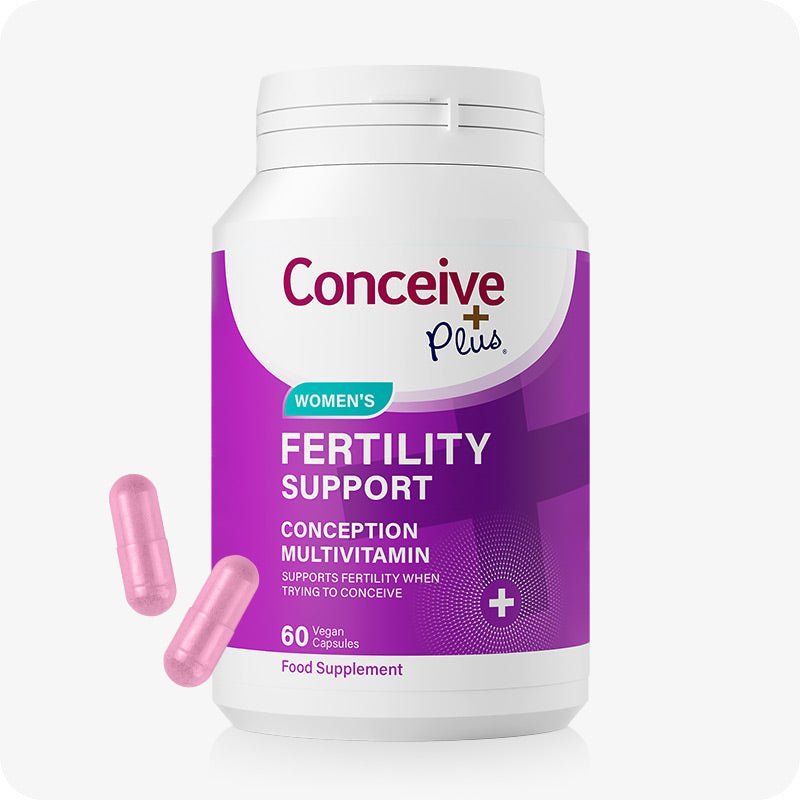
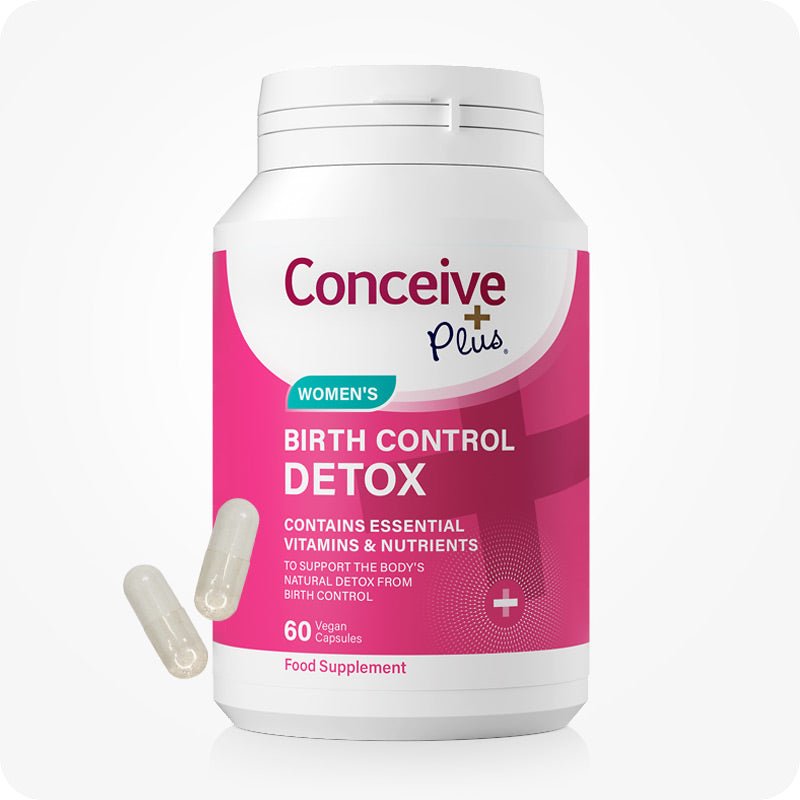
Conceive Plus Women's Fertility Support is a comprehensive daily supplement designed specifically for women who are trying to conceive. It delivers clinically meaningful doses of folate, vitamin D3, CoQ10, iron, inositol, omega-3 DHA, zinc, selenium, vitamins B12, C, and E — a complete nutritional foundation for female fertility.
Unlike general multivitamins that use token amounts of fertility nutrients, Conceive Plus is formulated by reproductive health experts with dosages aligned to fertility research. The result is a trusted fertility supplement for women recommended by GPs, midwives, and fertility clinicians across the UK.
Conceive Plus Women's Fertility Support is available at conceiveplus.co.uk with free UK delivery on qualifying orders.
Conceive Plus Women's Fertility Support is formulated specifically for women trying to conceive.
Shop Conceive Plus Women's Supplements →
When Should Women Start Taking Fertility Supplements?
The ideal answer is: before you start trying to conceive. Because key nutrients like folate need several weeks to reach optimal tissue levels, and CoQ10 and vitamin D work over months, starting fertility supplements for women at least 3 months before TTC is strongly recommended.
Timing guidelines by nutrient:
- Folic acid: Start at least 1 month before TTC; ideally 3 months
- Vitamin D: Start 2–3 months before; levels take time to change
- CoQ10: Start 2–3 months before; builds up in ovarian tissue gradually
- Iron: Start 2–3 months before if at risk of deficiency; get levels checked
- Inositol: Start 2–3 months before if PCOS is a concern
- Omega-3: Can start anytime; continues throughout pregnancy
If you're already trying to conceive and haven't started fertility supplements for women yet, begin immediately. Some nutrients like antioxidants and vitamin D begin showing benefit within weeks.
Special Considerations: Age and Fertility Supplements
Women's fertility declines with age — and the decline accelerates after 35. The primary mechanism is diminishing ovarian reserve and declining egg quality. Eggs accumulate oxidative damage over decades, and mitochondrial dysfunction in eggs becomes increasingly common with age.
This is why CoQ10 is particularly important as a component of fertility supplements for women over 35. By replenishing mitochondrial energy capacity, CoQ10 may partially compensate for age-related declines in egg quality. Studies suggest starting 400–600 mg/day several months before TTC or IVF retrieval.
Women over 40 should also prioritise DHEA (dehydroepiandrosterone) — a hormone precursor that may improve ovarian response in poor responders — but this should be taken only under medical supervision.
Fertility Supplements for Women and PCOS
Polycystic ovary syndrome (PCOS) affects 1 in 10 women in the UK and is the most common cause of ovulatory infertility. Women with PCOS benefit from targeted fertility supplements beyond the standard stack:
- Inositol: 2–4g myo-inositol/day restores ovulation and reduces androgens
- Vitamin D: PCOS is strongly associated with vitamin D deficiency; supplementation improves insulin sensitivity
- Chromium: Supports insulin sensitivity; reduces cravings
- N-Acetyl Cysteine (NAC): Equivalent to metformin in some studies for ovulation induction in PCOS
- Magnesium: Improves insulin signalling; often deficient in PCOS
Our fertility supplements for women are formulated with the nutrients you need most on your TTC journey.
Explore Conceive Plus Women's Fertility Supplements →
Frequently Asked Questions: Fertility Supplements for Women
Q: What are the most important fertility supplements for women?
A: The most evidence-backed fertility supplements for women are folic acid/folate, vitamin D3, CoQ10, inositol, iron, omega-3 DHA, zinc, selenium, and vitamins B12, C, and E. A comprehensive formula like Conceive Plus Women's Fertility Support delivers these in a single daily dose.
Q: Can fertility supplements help if I have irregular periods?
A: Yes. Inositol is particularly effective for restoring regular ovulatory cycles in women with PCOS-related irregularity. Vitamin D, iron, and folate also support hormonal balance and cycle regularity.
Q: Are fertility supplements for women safe to take?
A: Quality fertility supplements for women at recommended doses are safe for the vast majority of women. However, if you have specific health conditions or take prescription medications, check with your GP or midwife before starting new supplements.
Q: Can I take fertility supplements while having IVF?
A: Many fertility clinics encourage appropriate supplementation before and during IVF. CoQ10 and antioxidants in particular may improve egg quality and IVF outcomes. Always inform your clinic of all supplements you're taking.
Q: How long should I take fertility supplements before trying to conceive?
A: Ideally start fertility supplements for women at least 3 months before TTC to allow key nutrients to reach optimal levels in eggs and other reproductive tissues.
Q: Do fertility supplements guarantee pregnancy?
A: No supplement can guarantee pregnancy — fertility is affected by many factors. However, optimising your nutritional status with the right fertility supplements for women gives your body the best possible foundation for conception and healthy pregnancy.
Q: Can my partner take fertility supplements too?
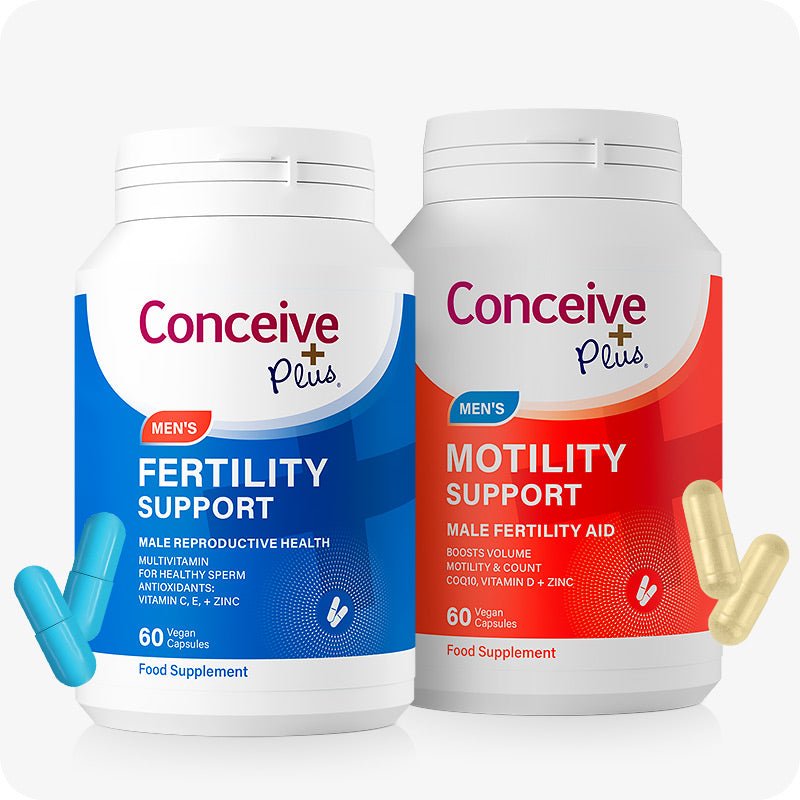
A: Absolutely. Male fertility supplements (zinc, CoQ10, L-carnitine, selenium) can significantly improve sperm quality. A joint approach is recommended for couples TTC.
Q: What is the difference between prenatal vitamins and fertility supplements for women?
A: Prenatal vitamins are formulated primarily for pregnancy maintenance. Fertility supplements for women are designed for the pre-conception and TTC phase, often including higher doses of CoQ10, inositol, and antioxidants specifically targeted at egg quality and ovulatory function.
Q: Can I take folic acid and CoQ10 together?
A: Yes — there are no known interactions between these nutrients. Many high-quality fertility supplements for women combine both in a single formula.
Q: Where can I buy Conceive Plus fertility supplements in the UK?
A: Conceive Plus Women's Fertility Support is available directly at conceiveplus.co.uk, with free delivery on qualifying orders across the UK.
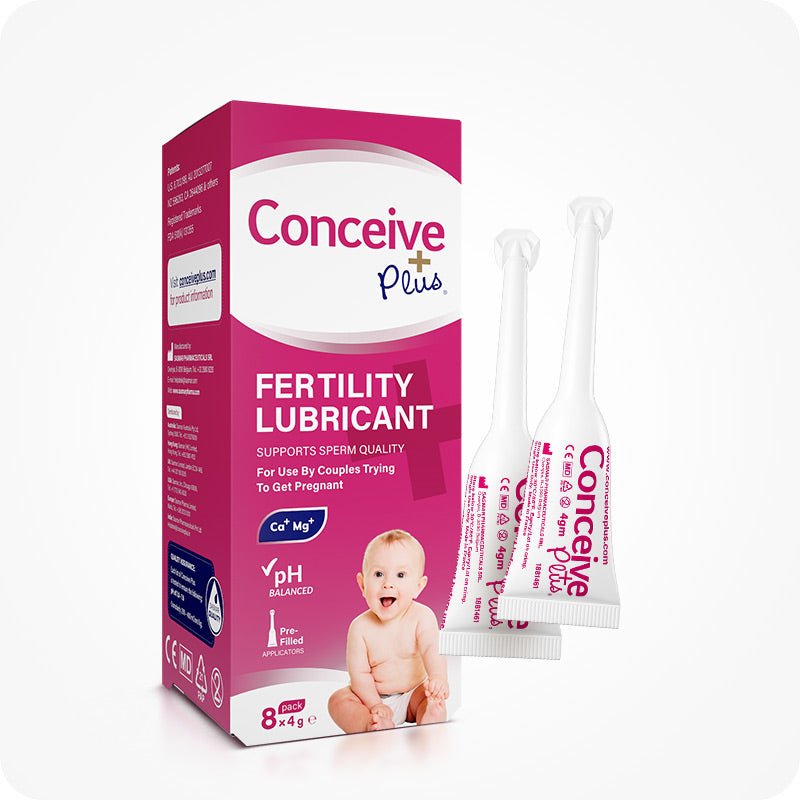
Shop our complete range of fertility supplements and lubricants — trusted by reproductive health professionals worldwide.
Shop Conceive Plus Now →