Ovulation Tracking: The Complete Guide to Knowing Your Fertile Window


Ovulation Tracking: The Complete Guide to Knowing Your Fertile Window
Ovulation tracking is one of the most powerful tools available to couples trying to conceive. Understanding exactly when you ovulate — and acting on that information — can dramatically increase your chances of getting pregnant each cycle. Yet many people trying to conceive (TTC) rely on guesswork, apps alone, or general cycle-length assumptions that may not reflect their personal biology.
This comprehensive guide covers everything you need to know about ovulation tracking: the methods available, how to interpret signs, what affects timing, and how to maximise your fertile window. Whether you're just starting your TTC journey or have been trying for months, understanding your ovulation is foundational.
Why Ovulation Tracking Matters
The human fertile window is surprisingly short. An egg survives for just 12–24 hours after ovulation. Sperm can survive in the female reproductive tract for up to 5 days under optimal conditions — which means the total fertile window is roughly 5–6 days per cycle, with the best odds concentrated in the 1–2 days immediately before ovulation.
Without ovulation tracking, it is easy to miss this window entirely — especially if your cycles are irregular, longer, shorter, or simply variable. Studies show that women who actively track ovulation and time intercourse accordingly conceive significantly faster than those who do not.
A well-cited study published in the New England Journal of Medicine found that conception rates were highest when intercourse occurred in the five days before ovulation and on the day of ovulation itself, with the two days prior to ovulation being peak. Precision matters.
Ovulation Tracking Method 1: Basal Body Temperature (BBT)
Basal body temperature (BBT) charting involves taking your temperature each morning before getting out of bed, before any activity, talking, or eating. After ovulation, progesterone causes a subtle rise in BBT — typically 0.2–0.5°C — that persists until your next period.
How to use BBT for ovulation tracking:
- Use a dedicated BBT thermometer accurate to 0.01°C
- Take your temperature at the same time every morning (variation of 30+ minutes affects accuracy)
- Chart temperatures on a graph — apps like Fertility Friend or Kindara make this easy
- Look for a sustained rise (3+ days) to confirm ovulation has occurred
Key limitation: BBT confirms ovulation after the fact. By the time you see the temperature rise, the egg may already be gone. Use BBT in combination with other predictive methods for best results.
Ovulation Tracking Method 2: Ovulation Predictor Kits (OPKs)
Ovulation predictor kits (OPKs) detect the luteinising hormone (LH) surge that triggers ovulation. LH surges 24–36 hours before ovulation, making OPKs predictive rather than confirmatory — meaning you can act on the result and time intercourse appropriately.
Types of OPKs:
- Standard LH strips: Inexpensive, effective, compare test line to control line
- Digital OPKs: Display smiley face or digital result; easier to read, more expensive
- Advanced digital OPKs (e.g., Clearblue): Track both oestrogen rise and LH surge, extending the identified fertile window
- Quantitative LH tests: Some apps connect with strips to track LH trends, not just peaks
When to start testing: Count from day 1 of your period. If your cycle is 28 days, start testing from day 10. For shorter cycles (25 days), start day 7-8. For longer cycles (35+ days), start day 17-18. Test once or twice daily during your expected fertile window.
Ovulation Tracking Method 3: Cervical Mucus Monitoring
Cervical mucus changes in predictable ways throughout your cycle in response to oestrogen and progesterone. Learning to read these changes is a core component of the Billings Method and other fertility awareness methods — and a valuable addition to any ovulation tracking approach.
The phases of cervical mucus:
- Post-period (dry days): Little to no mucus; not fertile
- Building fertile mucus: Creamy, white, or yellowish; somewhat fertile
- Peak fertile mucus: Clear, stretchy, like raw egg whites — called "spinnbarkeit." Can stretch 5–10 cm between fingers. This signals peak fertility.
- Post-ovulation: Mucus becomes thick, sticky, or absent as progesterone rises
Egg-white cervical mucus (EWCM) is your body's signal that ovulation is approaching. It is designed to facilitate sperm transport and survival. When you see EWCM, that is your cue to act.
Ovulation Tracking Method 4: Fertility Apps
Fertility apps have transformed ovulation tracking accessibility, but their accuracy varies widely. Apps range from simple calendar-based predictions to AI-powered cycle analysis that integrates BBT, LH data, and symptoms.
What to look for in a fertility app:
- Ability to log multiple data types (BBT, OPK results, cervical mucus, symptoms)
- Cycle history analysis rather than just average-based predictions
- Clear identification of fertile window vs predicted ovulation day
- Data export (useful for sharing with healthcare providers)
Top-rated options: Natural Cycles (FDA-cleared), Fertility Friend, Clue, Ovia Fertility, Flo. Note that calendar-only predictions are least accurate for women with irregular cycles.
Ovulation Tracking Method 5: Ultrasound Monitoring
For women undergoing fertility treatment or investigations, transvaginal ultrasound follicle tracking (folliculometry) is the gold standard. A specialist monitors the growth of ovarian follicles and can precisely identify when ovulation is imminent (follicle reaches 18–24mm) or has occurred.
This level of precision is typically reserved for medically supervised cycles (IUI, IVF) or when other tracking methods have been inconclusive. Some fertility clinics offer monitored cycles for women struggling to conceive without immediate need for treatment.
Signs of Ovulation Beyond the Core Methods
Your body produces several secondary signs around ovulation that can inform your ovulation tracking:
- Mittelschmerz: One-sided lower abdominal pain or cramping at ovulation — experienced by roughly 20% of women
- Breast tenderness: Some women notice increased breast sensitivity around ovulation
- Light spotting: Brief mid-cycle spotting can occur as oestrogen briefly drops before the LH surge
- Increased libido: Research shows women naturally experience higher sexual desire around ovulation — your biology working in your favour
- Heightened senses: Some women report sharper sense of smell or more sensitivity to sound around ovulation
- Bloating: Mild abdominal bloating or fullness around ovulation time is common
These secondary signs are most useful when combined with primary tracking methods rather than relied upon alone.
What Can Disrupt Ovulation Timing?
Even with diligent ovulation tracking, several factors can shift when you ovulate cycle to cycle:
- Stress: Elevated cortisol directly interferes with LH signalling and can delay or suppress ovulation
- Illness or fever: Disrupts BBT charting; can delay ovulation
- Travel and time zone changes: Affects circadian rhythms and may shift ovulation
- Intense exercise: High-volume exercise can suppress the hypothalamic-pituitary axis and delay or inhibit ovulation
- Low body weight / caloric restriction: Extreme dieting or low BMI can cause anovulatory cycles
- PCOS: Irregular LH surges and multiple follicles can produce confusing OPK readings and variable ovulation timing
- Thyroid dysfunction: Both hypo- and hyperthyroidism can disrupt ovulation
- Coming off hormonal contraception: Cycles may take several months to regularise
If your tracking consistently shows irregular cycles, absent LH surges, or no sustained BBT rise, consulting a gynaecologist or reproductive specialist is recommended.
Maximising Your Fertile Window: Practical Tips
Once you've identified your fertile window through ovulation tracking, here is how to maximise your chances:
- Aim for intercourse every 1–2 days during the fertile window — not just on predicted ovulation day. Daily intercourse is fine and may slightly increase chances; every other day is slightly less tiring and maintains sperm quality.
- Start the day before your LH surge peaks — when OPK shows positive, have intercourse that day and the next 1–2 days.
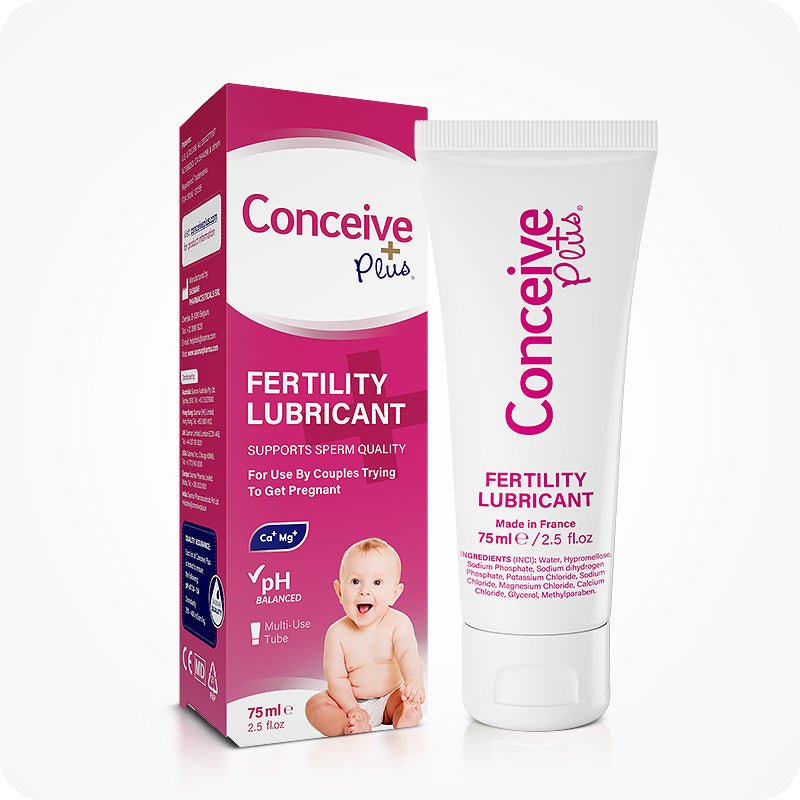
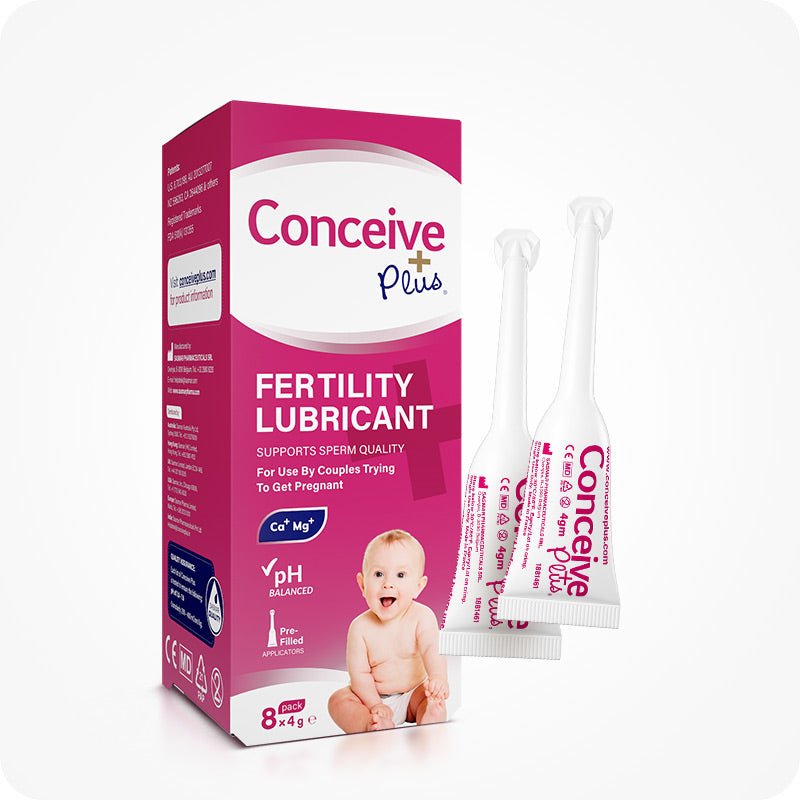
- Use a fertility-friendly lubricant — standard lubricants can damage sperm. Choose a pH-balanced, sperm-safe option like Conceive Plus, which is clinically formulated to support sperm motility and survival.
- Don't stress about timing — elevated stress hormones are counterproductive; relax and focus on frequency over precision.
- Support sperm quality — have your partner avoid hot baths, tight clothing, and excessive alcohol in the weeks before your fertile window.
Our fertility-friendly lubricant is pH-balanced and clinically tested to support sperm function — perfect for use during your tracked fertile window.
Shop Conceive Plus Lubricant UK →
Ovulation Tracking FAQ
How accurate are ovulation predictor kits?
Standard LH OPKs are approximately 97–99% accurate at detecting an LH surge. However, detecting the surge does not guarantee ovulation occurs — a small percentage of LH surges do not result in ovulation (especially in PCOS). Advanced digital OPKs that also track oestrogen provide wider fertile window detection.
Can I use OPKs to prevent pregnancy?
OPKs are not a reliable contraceptive method. They are designed and validated for TTC use only. The identification of fertile days is directional for conception purposes; for contraception, fertility awareness methods require specific training and are not equivalent to OPK use.
Why does my OPK keep showing a positive?
Prolonged LH surge detection is common in PCOS, where multiple small follicles produce sustained LH activity without true ovulation. Some medications also affect LH readings. If you consistently see multiple days of positive OPKs without a clear peak, speak with a gynaecologist.
Can stress really delay ovulation?
Yes. Psychological and physical stress elevates cortisol, which suppresses GnRH signalling in the hypothalamus — the first step in the hormonal cascade leading to ovulation. Even moderate chronic stress can delay ovulation by several days or suppress it entirely in a cycle.
What if I don't get an LH surge?
If you are testing correctly (twice daily, with diluted first-morning urine avoided) and do not detect a surge across multiple cycles, this warrants investigation. Potential causes include anovulation, PCOS, low ovarian reserve, thyroid disorders, or early perimenopause. See your GP or gynaecologist.
Can I still ovulate without getting a period?
Ovulation precedes menstruation by approximately 14 days. You can ovulate without a subsequent period (the resulting early pregnancy prevents withdrawal bleeding), and conversely you can have a period without having ovulated (anovulatory cycle). These are distinct events.
How many days after ovulation can I take a pregnancy test?
Most home pregnancy tests can detect hCG 10–14 days after ovulation (the luteal phase length). Testing earlier increases the risk of a false negative — hCG levels are often too low to detect before 10 days post-ovulation.
Does ovulation tracking work with irregular cycles?
Yes, though it requires a predictive method (OPKs or ultrasound) rather than calendar prediction. For women with cycles varying by more than 7 days, calendar-based apps are unreliable; OPKs and BBT/CM monitoring provide real-time data that works regardless of cycle length.
Can supplements help regulate ovulation?
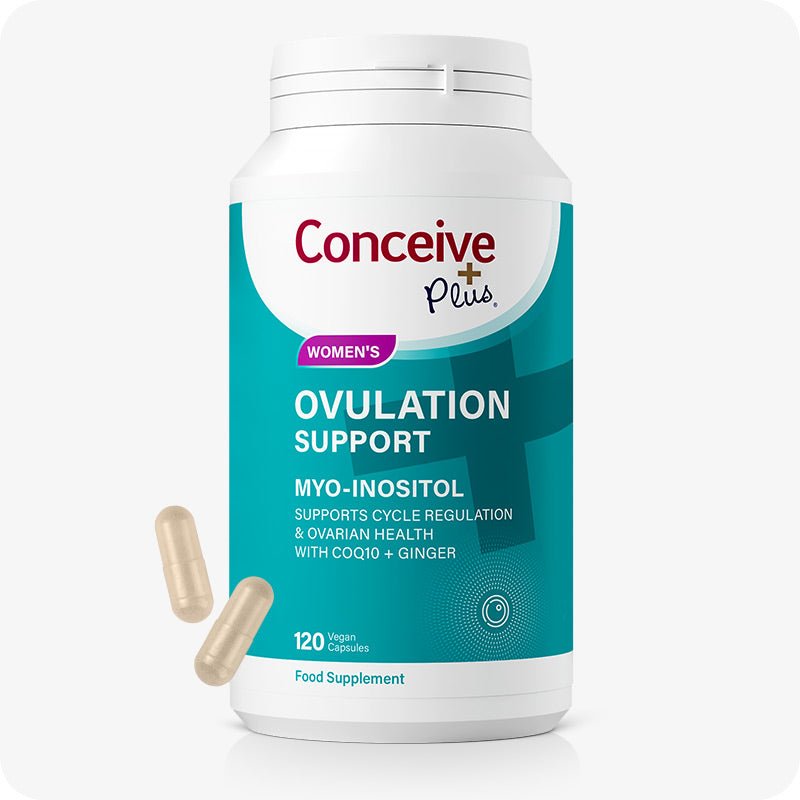
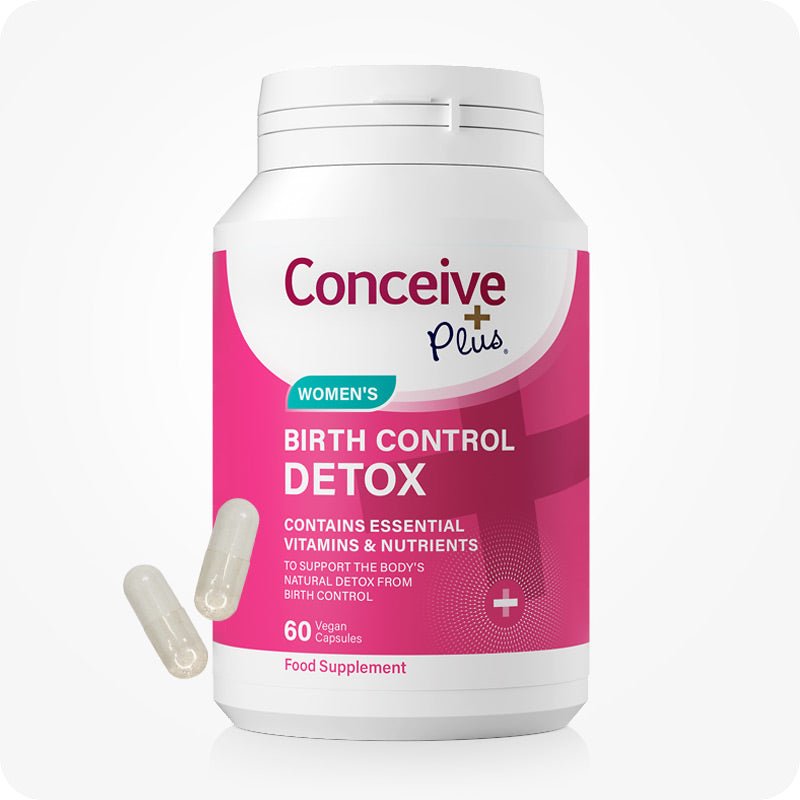
Certain nutrients support regular ovulation. Inositol (especially myo-inositol) has evidence for improving ovulation in PCOS. Vitamin D deficiency is associated with anovulation and supplementation can help in deficient women. CoQ10 supports egg quality. Conceive Plus supplements are formulated to support regular cycle health alongside your tracking practice.
Should both partners track anything?
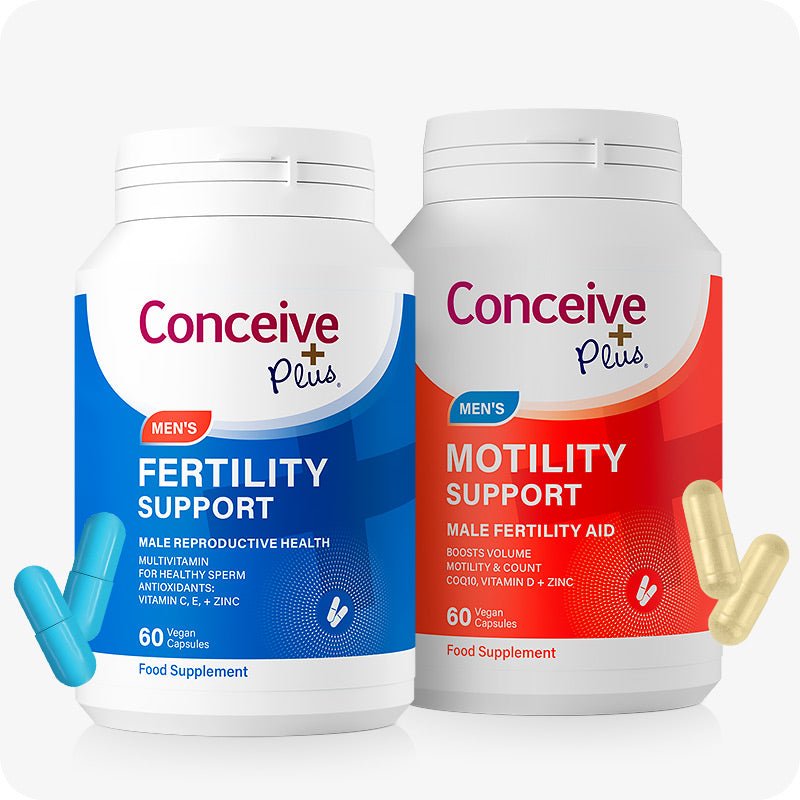
Ovulation tracking is female-focused, but male partners can support conception odds by monitoring lifestyle factors that affect sperm quality in the 60–90 days before the fertile window. Sperm take approximately 72 days to mature; improvements in diet, exercise, and supplementation take time to affect sperm parameters.
Building Your Personalised Ovulation Tracking System
The most effective approach to ovulation tracking combines methods:
- Primary: OPKs for LH surge detection (predictive)
- Confirmatory: BBT rise (confirms ovulation occurred)
- Supporting: Cervical mucus monitoring (additional fertile window signal)
- Recording: A good app to log and trend data
After 2–3 cycles of consistent tracking, most women develop a clear picture of their personal ovulation pattern — including when it tends to vary and what external factors influence it. This data becomes invaluable if you need to discuss your cycle with a healthcare provider.
Pair your tracking practice with appropriate nutritional support. Conceive Plus offers a range of fertility supplements designed for both partners, alongside our clinically formulated fertility lubricant to maximise your conception odds when your fertile window arrives.
Conceive Plus fertility lubricant and supplements are designed to work alongside your ovulation tracking practice — supporting every step of your TTC journey.
Explore Conceive Plus UK Range →