How to Get Rid of Heartburn When Pregnant?
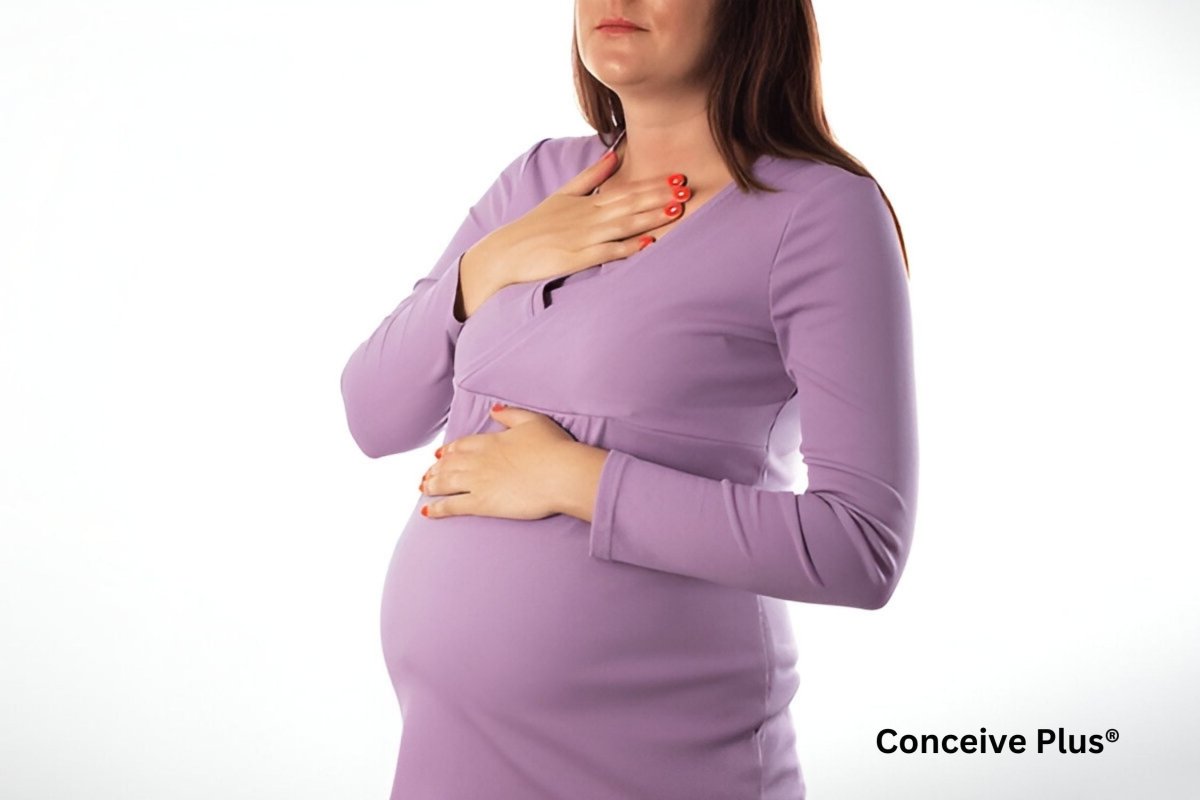

Heartburn, also known as indigestion or acid reflux, is a common complaint while pregnant. In addition to hormone changes associated with pregnancy, it’s typically caused by your growing baby pressing against your digestive tract. Many women search for practical advice on how to get rid of heartburn when pregnant, as it can significantly impact daily comfort.
Thankfully, heartburn is easily treated with some diet alterations, home remedies, and lifestyle changes. Some indigestion medications are also safe to take during pregnancy.

What Is Heartburn?
Heartburn is described as a burning chest pain that sometimes extends to the throat. It normally worsens after eating, when lying down, or from bending over [1]. For many, heartburn is at its worst in the evening but this is not the case for everyone. Some pregnant women can get severe heartburn at any time of the day.
Also known as indigestion, or acid reflux, heartburn has nothing to do with the heart and more to do with the stomach.
It occurs when the lower oesophagal sphincter muscle relaxes at the incorrect time [2]. Located at the bottom of the oesophagus, this moveable muscle that acts like a valve is what joins the stomach to the oesophagus. It behaves in such a way to ensure the flow of digestion goes into the stomach and not back up into the throat.
When the oesophagal sphincter muscle relaxes at the wrong time, the opening it creates at the bottom of the oesophagus enables stomach acid to enter, which then causes a burning feeling in the chest and throat.
Thankfully, most cases of heartburn are temporary and easily treated.
Why Does Heartburn Happen During Pregnancy?
Heartburn is common during pregnancy due to the growing uterus, hormone fluctuations that occur to support a developing foetus, and changes to the digestive system [3]. Most pregnant women report that indigestion is most frequent in the last trimester.
Hormone fluctuations are a part and parcel of pregnancy, occurring naturally at various stages to support the female body and the growing baby. A pregnant woman’s hormones can also change how the digestive system tolerates and digests certain foods.
Essentially, during pregnancy, food moves at a slower pace through the digestive system and this can increase the chances of not only heartburn but also bloating and constipation. Although heartburn is more common later in pregnancy, it can sometimes be experienced as one of the early signs of pregnancy due to hormonal changes.
The hormone progesterone, which increases in production during pregnancy, is also known to contribute to the relaxation of certain muscles, including the oesophagal sphincter muscle.
Designed to allow food to pass from the oesophagus into the stomach, the increased progesterone causes the oesophagal sphincter muscle to relax too much, which allows stomach contents (like stomach acid) to travel back into the oesophagus.

✨ Trying to Conceive?
Our fertility supplements combine Myo-Inositol with essential vitamins to support healthy hormone balance and regular ovulation.
Shop Now — $36.00✓ Free shipping available | ✓ Trusted by millions of couples worldwide
A growing uterus, which enlarges to support the developing foetus, puts pressure on the stomach during pregnancy. This can result in stomach acid being pushed back up into the oesophagus, especially when increased progesterone levels have relaxed the oesophagal sphincter muscle.
This is the main reason that heartburn typically becomes more prevalent in the third trimester. When the uterus and baby are at their largest, other organs, such as the stomach and bladder are under extra pressure.

How to Get Rid of Heartburn While Pregnant
Easing heartburn during pregnancy is typically done by eliminating certain foods and making some simple lifestyle changes. It is also easily relieved with some helpful home remedies or indigestion medication that is safe during pregnancy.
Avoid Certain Foods. It’s advisable to avoid consuming foods and drinks that aggravate the digestive system or cause indigestion. Most pregnant women can easily identify these foods and drinks because they’ll feel heartburn soon after consuming them.
Foods to avoid to ease heartburn during pregnancy typically include citrus fruits, and anything spicy, greasy, fried, or fatty. Incorporating magnesium-rich foods or supplements into your diet during pregnancy may help support digestion and reduce the occurrence of heartburn by promoting muscle relaxation and reducing stomach acid production. Carbonated drinks and caffeine can also cause heartburn in pregnant women.
Eat Small Meals. Due to the added pressure that the growing uterus puts on the stomach, eating large meals can easily trigger heartburn. Whereas, eating small meals and snacks throughout the day can help to nourish mother and baby while avoiding the risk of indigestion. It’s also advisable to eat slowly to prevent heartburn.
No Liquids During Meals. To avoid filling the stomach with too much, try drinking water and other liquids between meals instead of with meals.
Time Your Rests. Heartburn often worsens when you lay down, therefore it’s recommended to avoid eating or drinking 3 hours before bed or taking an afternoon nap. It’s also helpful to use an extra pillow to prop the upper body up during sleep to avoid heartburn.
What’s the Best Natural Remedy for Heartburn During Pregnancy?
Although it is not medically backed, according to holistic health practitioners and pregnant women who have experienced heartburn, a warm milk and honey drink is the best natural remedy for heartburn [4].
Simply warm some milk, add a tablespoon of honey and drink. Raw, unpasteurized honey is the most natural and beneficial type of honey.
If nothing else helps, consult with your doctor about a safe heartburn medication for pregnancy.

The Bottom Line
Heartburn is one of the most common side effects of pregnancy, especially in the last trimester when the uterus is at its largest and pressing against the stomach. Described as a burning chest pain, it occurs when a muscle at the end of the oesophagus relaxes too much, remains open, and allows stomach acid to flow in the wrong direction.
For those wondering how to get rid of heartburn when pregnant, a combination of eliminating certain foods, eating little and often, and avoiding laying down after meals can help. Warm milk mixed with honey is the most common natural remedy recommended by pregnant women for easing heartburn.
References
- Mayo Clinic - Heartburn - https://www.mayoclinic.org/diseases-conditions/heartburn/symptoms-causes/syc-20373223
- Cleveland Clinic - Esophagus - https://my.clevelandclinic.org/health/body/21728-esophagus
- NHS - Indigestion and Heartburn in Pregnancy - https://www.nhs.uk/pregnancy/related-conditions/common-symptoms/indigestion-and-heartburn/
- Healthline - Can You Use Honey to Treat Acid Reflux? - https://www.healthline.com/health/digestive-health/honey-for-acid-reflux#how-to-use
🌱 Support Your Fertility Journey
Conceive Plus fertility supplements are clinically formulated to help regulate your cycle and support egg quality.
Shop Fertility Support →Frequently Asked Questions
Recommended by Fertility Experts
Conceive Plus Fertility Lubricant
Specially formulated to be sperm-friendly and isotonic, supporting your natural conception journey without disrupting the reproductive environment.
Shop Now →Is heartburn a sign of pregnancy in the early weeks?
Heartburn can indeed be an early pregnancy symptom for some women, often appearing alongside other signs like nausea and fatigue. Hormonal changes, particularly rising progesterone levels, can cause the oesophageal sphincter to relax, leading to acid reflux even before you miss your period. However, heartburn alone isn't a reliable indicator, so if you're trying to conceive, it's best to take a pregnancy test for confirmation.
What can I take for heartburn during pregnancy NHS?
According to NHS guidance, antacids containing calcium carbonate or magnesium are generally considered safe during pregnancy and can provide quick relief from heartburn. Alginates, such as Gaviscon, are also recommended as they form a protective barrier over stomach contents. Always speak to your GP, midwife, or pharmacist before taking any medication whilst pregnant, as some antacids containing high sodium levels or aluminium should be avoided.
When should I worry about heartburn during pregnancy?
Whilst heartburn is common and usually harmless during pregnancy, you should contact your GP or midwife if you experience severe pain, difficulty swallowing, unexplained weight loss, or if you're vomiting blood. The NHS advises seeking medical attention if over-the-counter remedies aren't working or if symptoms are significantly affecting your ability to eat or sleep, as you may need a stronger prescription treatment.
Does heartburn during pregnancy mean my baby has lots of hair?
Interestingly, a small study did suggest a correlation between pregnancy heartburn and babies born with more hair, possibly due to the same hormones causing both. However, this isn't a reliable predictor, and most medical professionals, including those within the NHS, consider it more of an old wives' tale than scientific fact. Your heartburn is far more likely caused by hormonal changes and your growing uterus pressing against your stomach.
How can I sleep with heartburn while pregnant?
The NHS recommends sleeping in a propped-up position, using extra pillows to elevate your head and upper body to help prevent stomach acid from rising. Avoid eating large meals within three hours of bedtime, and try sleeping on your left side, which can aid digestion and is also the recommended position for pregnant women in the third trimester. Wearing loose-fitting nightwear can also help reduce pressure on your stomach.
Are there any natural remedies for pregnancy heartburn?
Many women find relief through natural remedies such as sipping on ginger tea, eating smaller and more frequent meals, and avoiding trigger foods like spicy dishes, citrus fruits, and fatty foods. Some find that drinking a glass of milk or eating a small amount of yoghurt helps neutralise stomach acid. However, if natural remedies aren't providing sufficient relief, speak to your midwife or GP about safe over-the-counter options.
Will my heartburn go away after I give birth?
For most women, pregnancy-related heartburn resolves shortly after giving birth, once hormone levels return to normal and the pressure from the uterus is relieved. If you continue to experience persistent heartburn after delivery, it's worth mentioning to your GP at your postnatal check-up, as it may indicate an underlying condition such as gastro-oesophageal reflux disease (GORD) that requires further investigation.
Trusted by Couples in Over 70 Countries
Start Your Fertility Journey With the Right Support
Conceive Plus Fertility Lubricant is specially formulated to be compatible with sperm, eggs, and embryos. Whether you are just starting out or have been trying for a while, our products are designed to work with your body — not against it.
Explore Fertility Lubricant →