Ovulation Tracking for Fertility: A Complete Guide to Understanding Your Cycle


Ovulation Tracking for Fertility: A Complete Guide to Understanding Your Cycle
Ovulation tracking is one of the most powerful tools available to anyone trying to conceive. Yet many couples spend months trying without ever accurately identifying their fertile window—reducing their chances significantly with every cycle. This comprehensive guide to ovulation tracking explains how it works, which methods deliver the most reliable results, and how to use this information to meaningfully improve your conception chances.
Understanding your cycle isn't simply about knowing when you ovulate—it's about recognising the full hormonal landscape that governs fertility, and using that knowledge strategically. Whether you're new to trying to conceive or have been tracking for a while, this guide will deepen your understanding of ovulation tracking and give you clear, actionable next steps.
What Is Ovulation and Why Does Tracking It Matter?
Ovulation is the release of a mature egg (oocyte) from the dominant follicle in the ovary. It occurs approximately once per menstrual cycle, triggered by a surge of luteinising hormone (LH). The released egg survives for just 12–24 hours—making the fertile window surprisingly brief. Ovulation tracking allows you to identify and act on this window before it closes.
Sperm, by contrast, can survive in the female reproductive tract for up to 5 days in optimal cervical mucus conditions. This creates a theoretical fertile window of approximately 6 days per cycle: the 5 days before ovulation and the day of ovulation itself. Research published in The New England Journal of Medicine found conception is most likely when intercourse occurs in the two days immediately before ovulation—with the day before being the statistically optimal timing.
Methods of Ovulation Tracking: From Basic to Advanced
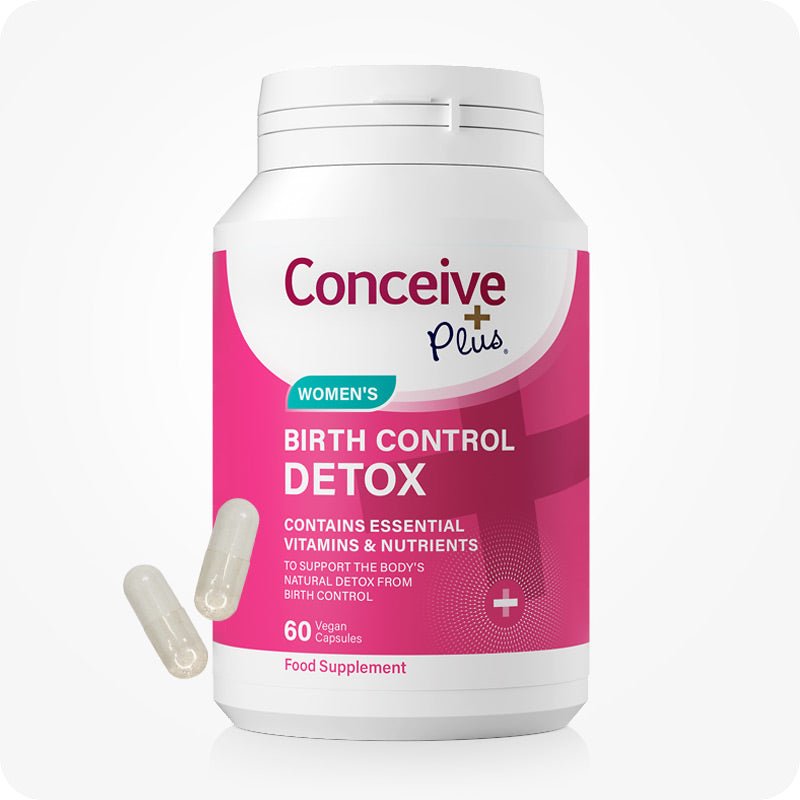
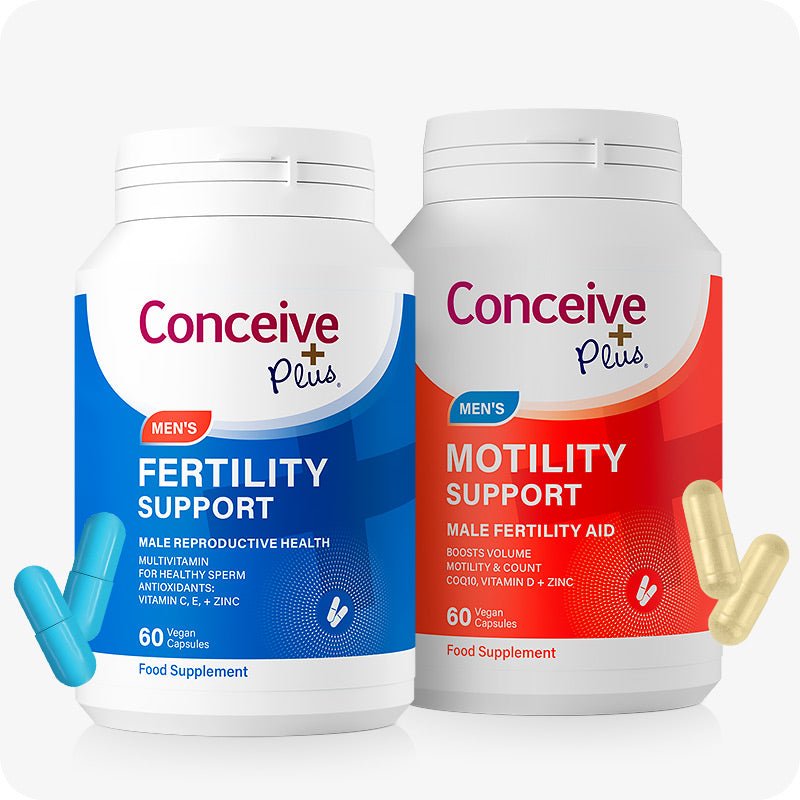
Support Your Fertility Journey with Conceive Plus
Conceive Plus offers clinically formulated fertility supplements and fertility-friendly lubricants trusted by couples worldwide. Explore our range to find the right support for your unique journey.
1. Calendar Method
The calendar method uses past cycle length to estimate future ovulation. In a theoretical 28-day cycle, ovulation occurs around day 14. In reality, only about 13% of women have exactly 28-day cycles, and cycle length varies—often in the same person from month to month. Accuracy: low. Not recommended as a primary method for anyone with any cycle variability.
2. Basal Body Temperature (BBT) Tracking
BBT tracking involves measuring temperature each morning before rising, using a sensitive basal thermometer. After ovulation, rising progesterone causes a sustained temperature increase of 0.2–0.5°C. This thermal shift confirms that ovulation has occurred—but crucially, it cannot predict it in advance. For timing intercourse, you need predictive methods.
3. Cervical Mucus Monitoring
Cervical mucus changes throughout the cycle in response to rising oestrogen. As ovulation approaches, mucus becomes increasingly clear, stretchy, and slippery—often compared to raw egg white. This fertile-quality cervical mucus creates an optimal environment for sperm survival and transport. Peak fertile mucus typically appears 1–2 days before ovulation.
4. LH Ovulation Tests (OPKs)
Ovulation predictor kits detect the LH surge in urine. LH peaks 24–36 hours before ovulation, making OPKs genuinely predictive. A positive result indicates ovulation is likely within the next 24–36 hours—creating an ideal window for intercourse. Digital OPKs provide clear results without line-reading interpretation. Some advanced monitors track oestrogen and progesterone for a more complete hormonal picture.
5. Fertility Monitors
Advanced fertility monitors track multiple hormones simultaneously—typically LH and oestrogen, with newer models adding progesterone. They learn your personal hormonal patterns over multiple cycles, providing personalised fertile window predictions that account for your individual biology rather than statistical averages.
6. Ultrasound Follicle Tracking
Transvaginal ultrasound allows direct visualisation of developing follicles. A dominant follicle reaching 18–22mm typically precedes ovulation by 24–48 hours. This provides the highest accuracy but requires clinical appointments and is primarily used in formal fertility treatments.
Combining Ovulation Tracking Methods for Maximum Accuracy
The most reliable ovulation tracking approach combines multiple methods. The sympto-thermal method—combining BBT with cervical mucus monitoring—is validated in peer-reviewed research with pregnancy rates comparable to oral contraceptives when used with high precision. Adding LH testing provides predictive power alongside biological confirmation.
A practical combined approach for ovulation tracking:
- Track cervical mucus throughout the cycle daily
- Take daily BBT readings each morning before rising
- Begin LH testing from cycle day 8–10 (earlier for shorter cycles)
- Time intercourse on the 2–3 days leading up to and including the LH peak
- Confirm ovulation via the post-ovulation BBT thermal shift
Understanding Your Fertile Window: Timing Intercourse Strategically
Knowing your fertile window through ovulation tracking is only valuable when used strategically. Research on conception probability by day of intercourse relative to ovulation:
- 5 days before ovulation: ~5% probability per cycle
- 2 days before ovulation: ~29% probability per cycle
- 1 day before ovulation: ~33% probability per cycle (peak)
- Day of ovulation: ~26% probability per cycle
Intercourse every 1–2 days throughout the fertile window maximises coverage without placing excessive pressure on the relationship.
Ovulation Tracking with Irregular Cycles
Irregular cycles make calendar-based prediction unreliable, but other ovulation tracking methods remain fully valid. LH testing (started early, done daily) can identify the surge even in unpredictable cycles. Cervical mucus monitoring and BBT are particularly valuable when cycle length varies significantly from month to month.
Conditions that frequently cause irregular cycles include PCOS, thyroid disorders, hyperprolactinaemia, and perimenopause. If your cycles vary by more than 7–10 days consistently, speak with your GP to investigate underlying causes.
When Ovulation Tracking Suggests a Problem
Consistent BBT tracking may reveal patterns worth investigating:
- No thermal shift detected after day 21: May indicate anovulatory cycles
- Short luteal phase (<10 days between ovulation and period): May indicate luteal phase deficiency affecting implantation
- Consistently very early or late ovulation: May reflect hormonal imbalances worth investigating
Months of ovulation tracking data becomes a valuable resource to share with a fertility specialist, potentially accelerating diagnosis and treatment.
Cervical Mucus and Conceive Plus: Supporting Your Fertile Environment
Cervical mucus quality is a critical but often overlooked fertility factor. Inadequate cervical mucus prevents sperm from reaching the egg even when intercourse is perfectly timed through accurate ovulation tracking. Factors that compromise mucus include antihistamines, decongestants, certain antidepressants, and age-related changes.
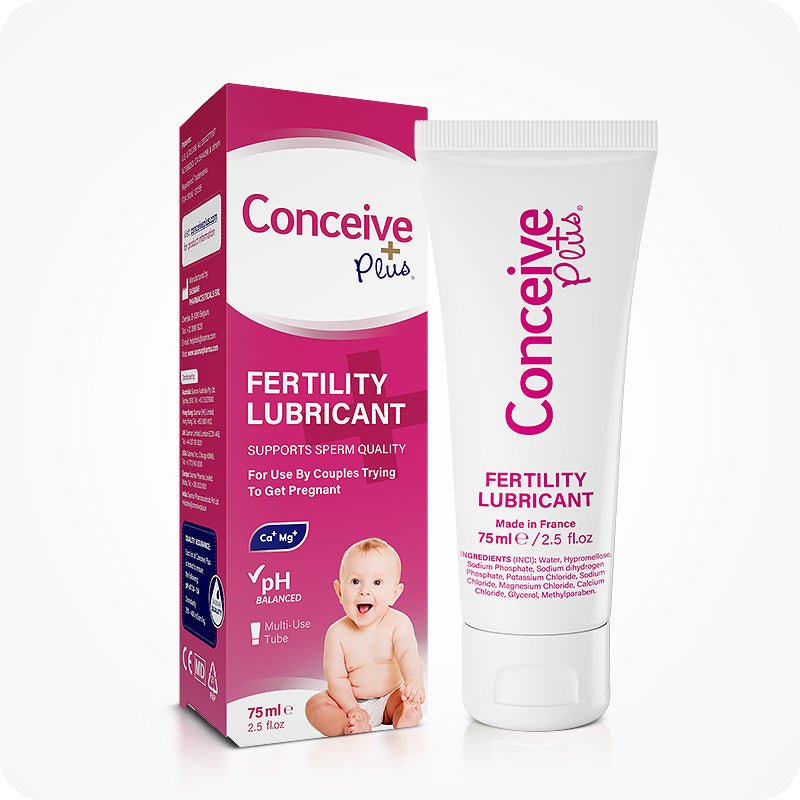
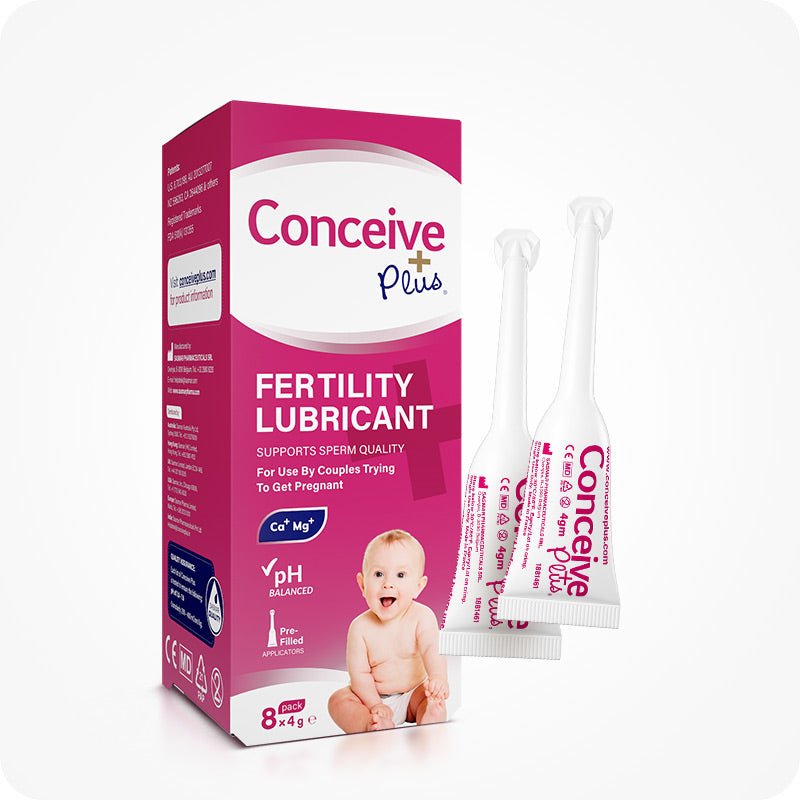
Conceive Plus fertility lubricant is specifically formulated to mimic fertile-quality cervical mucus—pH-balanced to 7.2–8.0 and enriched with calcium and magnesium ions that actively support sperm function. For couples where mucus may be insufficient, Conceive Plus provides a sperm-safe environment that complements the optimal timing identified through ovulation tracking.
FAQ: Ovulation Tracking
Q: How many days before ovulation does the LH surge occur?
A: The LH surge typically occurs 24–36 hours before ovulation. A positive OPK indicates ovulation is likely within this window—time intercourse the same day and the next.
Q: Can I ovulate without a positive OPK?
A: Yes—some LH surges are brief or occur between testing windows. Testing twice daily (morning and mid-afternoon) during the expected fertile period reduces the risk of missing it.
Q: Does stress affect ovulation timing?
A: Significant stress can delay or suppress ovulation. Cortisol elevation from chronic stress interferes with the hormonal cascade driving the LH surge.
Q: Is it possible to ovulate more than once per cycle?
A: Spontaneous double ovulation can occur within a 24-hour window (the mechanism behind fraternal twins). The luteal phase prevents additional ovulation cycles within the same month.
Q: How long should I track before seeing a specialist?
A: If under 35 with 12 months of TTC without success, or over 35 with 6 months, speak to your GP. Your ovulation tracking data is valuable for any fertility consultation.
Q: Does the time of day for an LH test matter?
A: Yes—morning urine can dilute LH readings. Most manufacturers recommend testing between 10am and 8pm, with urine concentrated by 2–4 hours of not drinking excessively.
Q: Can fertility supplements help with ovulation?
A: Yes—myo-inositol, vitamin D, CoQ10, and N-acetyl cysteine all have evidence supporting improved ovulation regularity, particularly in women with PCOS or irregular cycles.
Q: Is it safe to have intercourse every day during the fertile window?
A: Yes, for most couples. Daily intercourse during the fertile window identified by ovulation tracking is associated with the highest pregnancy rates. Concerns about sperm count reduction are generally unfounded in men with normal parameters.
Q: What if my BBT chart doesn't show a clear shift?
A: BBT can be disrupted by illness, alcohol, poor sleep, or timing inconsistency. A few irregular charts don't indicate a problem. If consistently no shift appears over 3+ cycles, discuss with your doctor.
Q: Can I track ovulation while breastfeeding?
A: Ovulation can return while breastfeeding but is unpredictable. LH testing is the most reliable ovulation tracking method in this context, as cycles may be absent or highly irregular.
Ready to Take the Next Step?
Join thousands of couples who trust Conceive Plus on their path to parenthood. Scientifically formulated, doctor-recommended, and designed for every stage of your fertility journey.