Ovulation Tracking: The Complete Guide to Knowing Your Fertile Window


Ovulation Tracking: The Complete Guide to Knowing Your Fertile Window
Understanding your body's natural fertility signals is one of the most powerful steps you can take when trying to conceive. Ovulation tracking gives you precise insight into your fertile window — the narrow span of days each cycle when conception is possible. Whether you've just started trying or have been TTC for some time, mastering ovulation tracking can dramatically improve your chances of timing intercourse correctly.
This comprehensive guide covers every method of ovulation tracking available today, the science behind each approach, what your fertile signs actually mean, and how Conceive Plus products support your body throughout the ovulation cycle.
Why Ovulation Tracking Matters for Conception
Many couples are surprised to discover that the fertile window in a typical menstrual cycle is only 5–6 days long — the five days before ovulation and the day of ovulation itself. This is because sperm can survive in the female reproductive tract for up to five days, while the egg is only viable for 12–24 hours after release.
Timing intercourse during this window is essential. A study published in the New England Journal of Medicine found that the probability of conception was highest when intercourse occurred on the day of ovulation (33%) and the two days preceding it (27–31%). Missing the fertile window entirely means missing the chance for that cycle, regardless of how frequently intercourse occurs at other times.
Ovulation tracking removes the guesswork. Rather than relying on a standard "cycle day 14" assumption — which is only accurate for women with a perfect 28-day cycle — ovulation tracking reveals your actual, personal ovulation timing, which can vary significantly from month to month and from woman to woman.
Basal Body Temperature (BBT) Tracking
Basal body temperature is the body's lowest resting temperature, measured first thing in the morning before any activity. Under the influence of progesterone, BBT rises slightly (0.2–0.5°C) after ovulation occurs and remains elevated until menstruation.
How to track BBT effectively:
- Take your temperature at the same time each morning before getting out of bed, speaking, or drinking anything
- Use a dedicated basal thermometer accurate to two decimal places (0.01°C or 0.01°F)
- Record readings daily on a chart or fertility app
- Look for a sustained rise of at least 0.2°C lasting 3+ days — this confirms ovulation has occurred
The limitation of BBT is that it confirms ovulation retrospectively — after the fact. It's most useful for identifying ovulation patterns over several months so you can predict your fertile window in future cycles. Combined with other methods, BBT is a powerful component of a comprehensive ovulation tracking approach.
Cervical Mucus Monitoring: Your Body's Fertility Signal
Cervical mucus changes dramatically throughout the menstrual cycle under hormonal influence, providing clear physical signals of approaching ovulation. Learning to read these changes is one of the most direct and cost-free methods of ovulation tracking available.
Post-menstruation: Dry or minimal discharge. Cervix is closed and low.
Pre-ovulation: Sticky, opaque, white or cream mucus. Some fertility present but intercourse timing less critical.
Peak fertility: Clear, slippery, stretchy mucus resembling raw egg white. This "egg white cervical mucus" (EWCM) is the hallmark of your most fertile days. It facilitates sperm transport through the cervix and contains nutrients that support sperm survival.
Post-ovulation: Mucus becomes thick, cloudy, and sticky again under progesterone's influence. The fertile window has closed.
Monitoring cervical mucus daily — ideally at the same time each day — provides real-time information about your fertility status. When combined with ovulation predictor kits (OPKs) and BBT, it forms the foundation of the Fertility Awareness Method (FAM).
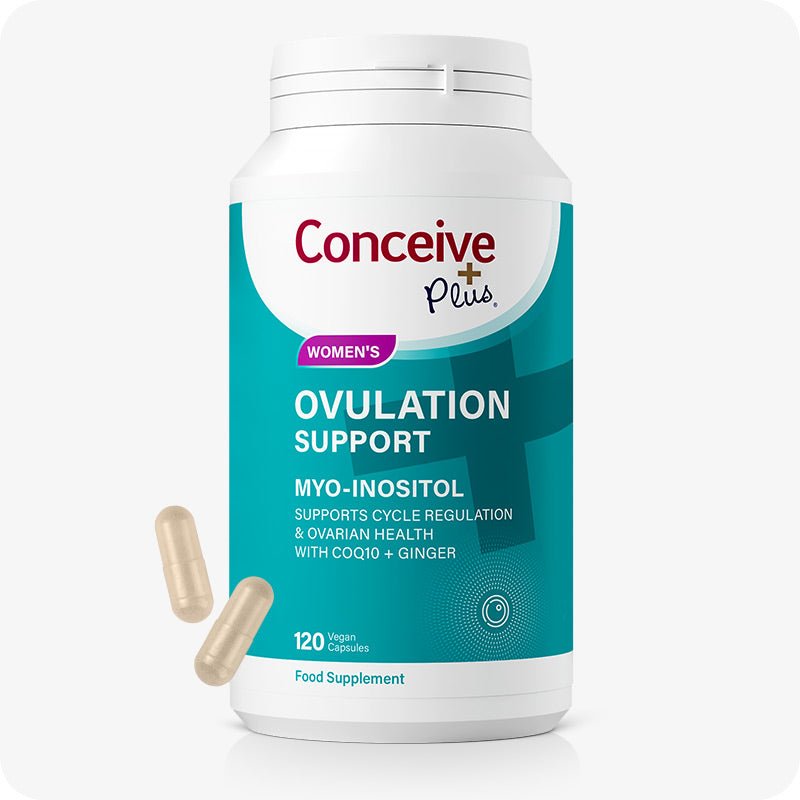
Conceive Plus Ovulation Support supplements are formulated with inositol, folate, vitamin D, and antioxidants to promote regular ovulation and hormonal balance — giving your body the best foundation for conception.
Explore Conceive Plus Ovulation Support →
Ovulation Predictor Kits (OPKs): The Most Popular Ovulation Tracking Tool
Ovulation predictor kits detect the surge in luteinising hormone (LH) that triggers ovulation approximately 24–36 hours before the egg is released. This advance warning makes OPKs exceptionally practical for timing intercourse proactively rather than retrospectively.
How OPKs work: LH is always present in urine in small amounts. In the 24–36 hours before ovulation, the pituitary gland releases a large surge of LH that is detectable in urine. OPKs use an antibody-based test to identify when this surge crosses a threshold.
Types of OPKs available:
Standard (line) OPKs: Relatively inexpensive and widely available. A positive result occurs when the test line is as dark as or darker than the control line. These require subjective interpretation and can be confusing for some users.
Digital OPKs: Provide a clear smiley face (positive) or circle (negative) result. More expensive but eliminate interpretation ambiguity. Some advanced digital OPKs (like Clearblue Advanced) also identify high-fertility days before the peak surge.
Hormone monitoring systems: Devices like the Mira fertility monitor measure LH and oestrogen quantitatively, providing a numerical hormone profile across the cycle. More expensive but provide the most detailed data for ovulation tracking.
Tips for OPK accuracy:
- Test at the same time each day — afternoon (10am–8pm) is generally recommended as LH surges are detected most reliably then
- Reduce fluid intake for 2 hours before testing
- Begin testing a few days before expected ovulation based on your cycle length
- Test twice daily during your likely fertile window for best accuracy
- A positive OPK means ovulation is expected within 12–36 hours — aim to have intercourse that day and the next
Ovulation Tracking Apps and Fertility Monitors
The proliferation of fertility technology has made ovulation tracking more accessible than ever. Apps range from simple period trackers to sophisticated platforms that integrate multiple data streams.
Algorithm-based apps (Flo, Clue, Ovia) predict ovulation based on cycle history. They are helpful for general awareness but rely on averages rather than actual hormone data — they cannot tell you when you are actually ovulating this cycle.
Sensor-based monitors (Ava bracelet, Natural Cycles) measure physiological parameters (BBT, heart rate variability, breathing rate) overnight to identify fertile days. These integrate beautifully with ovulation tracking and reduce the burden of daily manual measurements.
Comprehensive systems (Mira, Inito) combine wearable or urine-based hormone testing with AI-powered analysis. These provide the highest accuracy for ovulation tracking and are particularly useful for women with irregular cycles or PCOS.
No app or device is infallible — combining methods always provides more reliable ovulation tracking than any single approach.
Ovulation Tracking with Irregular Cycles
For women with irregular cycles — including those with PCOS, thyroid conditions, or cycles that naturally vary by more than a week month to month — ovulation tracking is both more important and more challenging.
Irregular cycles mean that cycle-day-based predictions are unreliable. OPKs become particularly valuable because they detect actual hormone changes rather than predicted dates. For women with PCOS and elevated LH, OPKs can give false positives — in this case, hormone monitors that measure both LH and oestrogen (like Mira) provide clearer data.
Supplementation can also support cycle regularity and ovulation quality. Inositol (particularly myo-inositol and D-chiro-inositol) is well-evidenced for supporting hormonal balance in women with PCOS. Conceive Plus Ovulation Support contains evidence-based inositol alongside folate, vitamin D, and antioxidants — supporting the hormonal environment needed for regular, well-timed ovulation.
Combining Ovulation Tracking Methods for Maximum Accuracy
The most accurate ovulation tracking combines multiple methods:
- OPKs for real-time LH surge detection (predictive)
- Cervical mucus monitoring for corroborating fertile signs
- BBT charting for retrospective confirmation and pattern identification
- Fertility apps for data integration and trend analysis
When all methods align — OPK positive, egg white mucus present, BBT rise confirmed the following day — you can be confident that ovulation occurred and your timing was optimal.
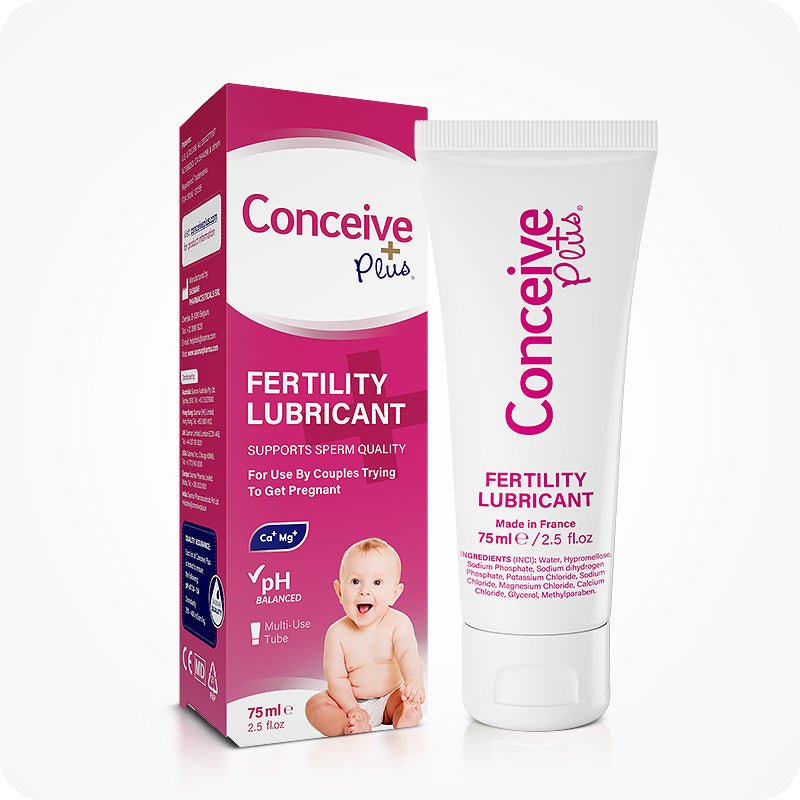
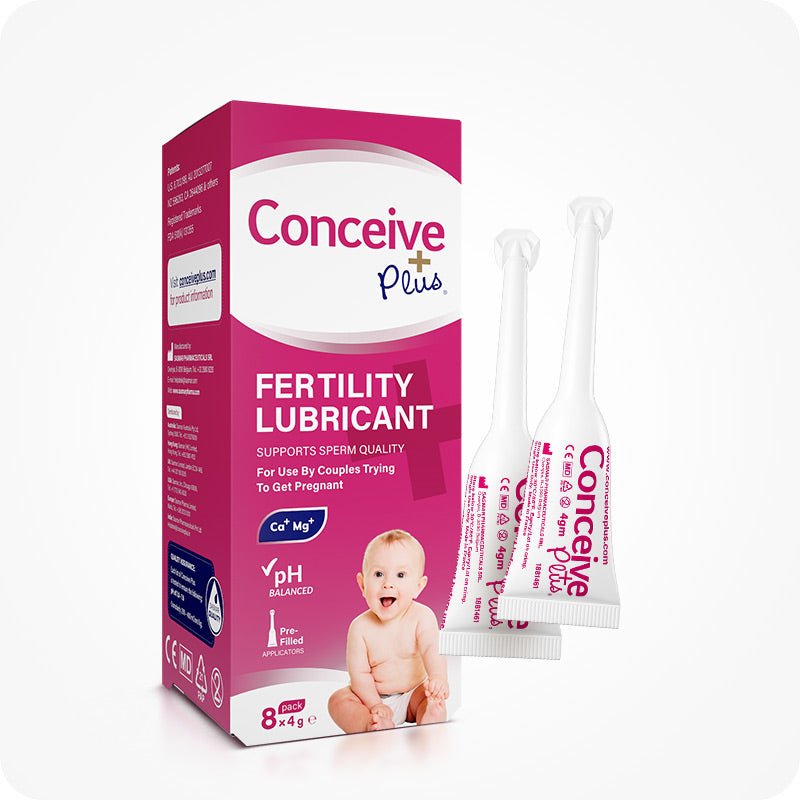
Conceive Plus Fertility Lubricant is formulated to be sperm-friendly with physiological pH and osmolality — supporting sperm survival in the reproductive tract during your fertile window without the toxicity of regular lubricants that can harm sperm motility.
Frequently Asked Questions: Ovulation Tracking
Q: How do I know if I'm ovulating?
A: Common signs include a positive OPK, egg white cervical mucus, slight pelvic pain (mittelschmerz), a small dip then rise in BBT, light spotting, and increased libido. Using at least two of these indicators together gives the most reliable confirmation.
Q: Can I still ovulate even if my periods are irregular?
A: Yes — irregular cycles don't necessarily mean you're not ovulating. They mean ovulation timing varies. OPKs are especially helpful for identifying ovulation in irregular cycles.
Q: How many days before ovulation is a woman fertile?
A: The fertile window begins approximately 5 days before ovulation (because sperm can survive for up to 5 days) and ends 24 hours after ovulation (the egg's survival window). The 2–3 days before ovulation and the day of are typically most fertile.
Q: What does it mean if my OPK is never positive?
A: If you've tested correctly for a full cycle and never see a positive, it may indicate you're not ovulating (anovulation), or you're missing the surge. Try testing twice daily at different times. If negative results persist, consult your GP or gynaecologist.
Q: Can stress affect ovulation?
A: Yes. Chronic stress elevates cortisol, which can suppress GnRH (the hormone that triggers the hormonal cascade leading to ovulation), causing delayed or absent ovulation. This is why supporting overall health and wellbeing is an important complement to ovulation tracking.
Q: Does taking Conceive Plus Ovulation Support help with ovulation?
A: Conceive Plus Ovulation Support is formulated with inositol, folate, vitamin D, CoQ10, and antioxidants that support hormonal balance and regular ovulation. It's not a drug and doesn't artificially induce ovulation — rather, it supports the nutritional environment needed for your body's natural ovulation cycle to function optimally.
Q: Is it possible to ovulate more than once per cycle?
A: Releasing two eggs in one cycle (which can result in fraternal twins) is possible, but both eggs are released within a 24-hour period. It is not possible to have two separate ovulations days or weeks apart. After the LH surge, only one ovulatory window occurs per cycle.
Q: How long does it take to get pregnant once you start tracking ovulation?
A: Studies show that couples with no fertility issues who time intercourse correctly during the fertile window have a 20–30% chance per cycle. Approximately 85% of couples conceive within 12 months of trying. Ovulation tracking improves odds per cycle by ensuring intercourse occurs at the optimal time.
From ovulation support supplements to fertility lubricant and prenatal vitamins, Conceive Plus has everything you need for every stage of your conception journey — trusted by couples across the UK.
Explore the Conceive Plus Range →
Conclusion: Ovulation Tracking Is the Foundation of Successful TTC
Ovulation tracking transforms the conception journey from guesswork into informed, targeted action. By understanding your body's unique fertility signals — through OPKs, cervical mucus monitoring, BBT charting, or advanced fertility monitors — you can ensure intercourse is timed precisely during the days that matter most.
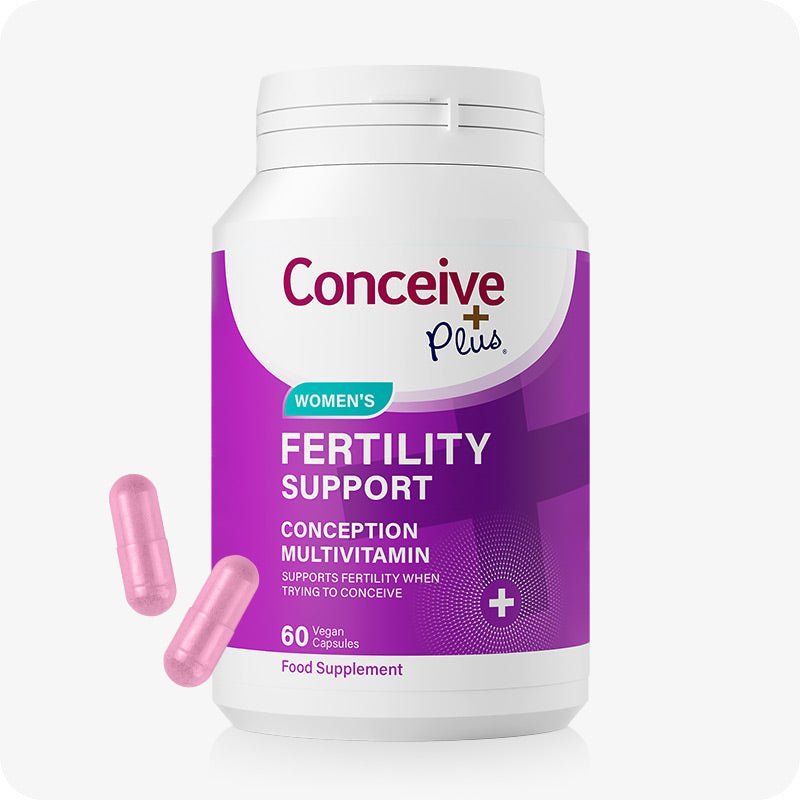
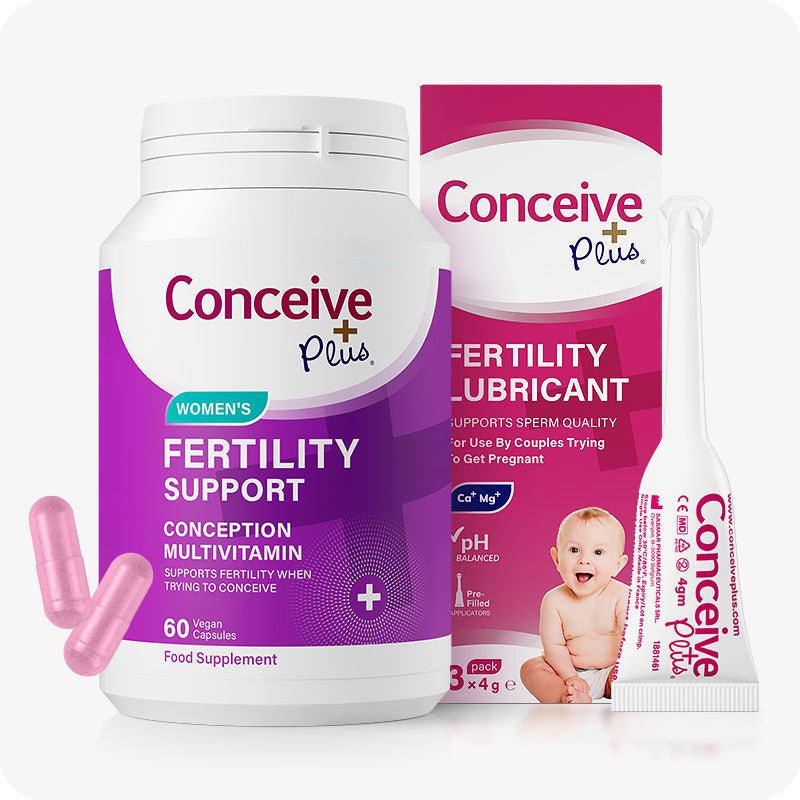
Combine ovulation tracking with the right nutritional support — including Conceive Plus Ovulation Support, fertility lubricant, and prenatal vitamins — and you give yourself the most comprehensive possible foundation for conception.
Your body holds the answers. Ovulation tracking helps you read them. Conceive Plus helps you act on them. Explore the full Conceive Plus range at conceiveplus.co.uk.