Sperm Health Guide: How to Improve Sperm Count, Motility and Morphology


Sperm Health Guide: How to Improve Sperm Count, Motility and Morphology
Sperm health is a critical — and often overlooked — component of fertility. Despite popular perception, male factor infertility accounts for 40 to 50% of all infertility cases, making sperm quality just as important as egg health when trying to conceive. This comprehensive sperm health guide covers everything you need to know about sperm count, motility, morphology, and the evidence-based steps you can take to improve all three parameters naturally.
Understanding the Three Pillars of Sperm Health
When fertility specialists evaluate male fertility through a semen analysis, they assess three primary parameters: sperm count, motility, and morphology. Each plays a distinct role in the journey from ejaculation to fertilisation.
Sperm Count (Concentration): The number of sperm per millilitre of semen. The World Health Organisation (WHO) defines normal sperm concentration as at least 16 million sperm per millilitre, with a total count of at least 39 million per ejaculate. Low sperm count (oligospermia) makes natural conception more difficult simply because fewer sperm are available to reach the egg.
Sperm Motility: The ability of sperm to swim effectively toward the egg. WHO criteria define normal motility as at least 42% of sperm showing any movement, with at least 30% showing progressive motility (swimming forward). Poor motility (asthenospermia) is one of the most common causes of male factor infertility and can be significantly influenced by lifestyle, nutrition, and supplementation.
Sperm Morphology: The shape and structure of sperm. Even in highly fertile men, only 4% or more of sperm need to have normal shape by WHO criteria (Kruger strict morphology). Abnormal morphology affects a sperm's ability to penetrate and fertilise an egg. Interestingly, morphology is often the most amenable to improvement through nutritional intervention.
Support Healthy Sperm Naturally
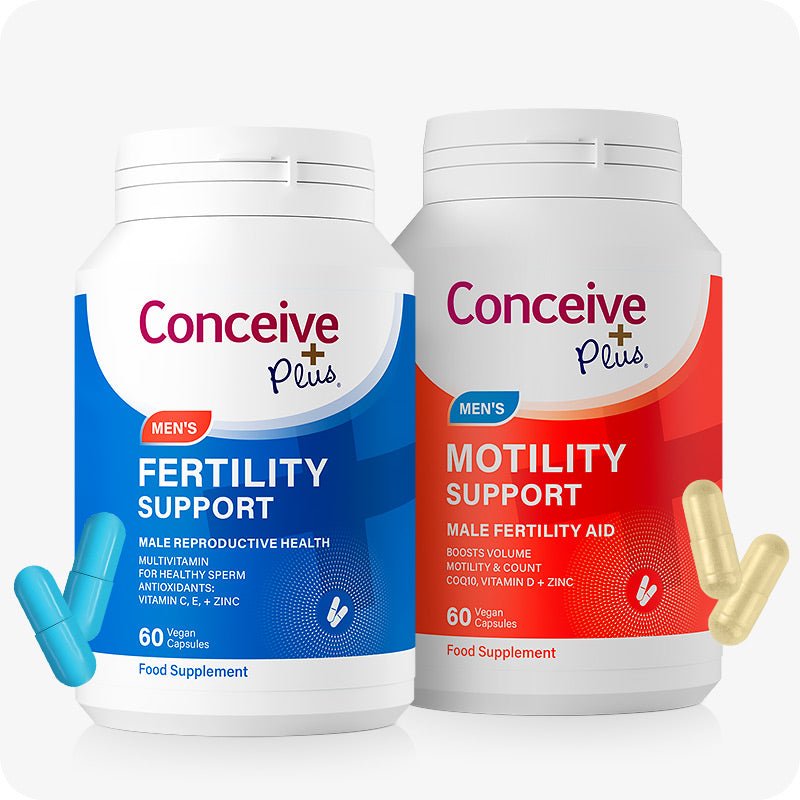
Conceive Plus Male Fertility Supplements contain zinc, selenium, CoQ10 and L-carnitine to support sperm count, motility and morphology.
Shop Male Fertility Supplements →The Top Lifestyle Factors That Affect Sperm Health
Sperm health is remarkably responsive to lifestyle factors. The good news is that because sperm are produced in a continuous cycle (spermatogenesis takes approximately 72-74 days), the improvements you make today will be reflected in sperm quality roughly three months from now.
Diet and Nutrition
A Mediterranean-style diet rich in antioxidants, healthy fats, lean proteins, and complex carbohydrates is associated with significantly better sperm parameters. Studies show that men who consume high levels of processed foods, trans fats, and excessive sugar have significantly lower sperm counts and poorer motility than those eating whole-food diets. Key foods for sperm health include walnuts (omega-3s), tomatoes (lycopene), dark leafy greens (folate), shellfish (zinc), and blueberries (antioxidants).
Exercise
Regular moderate exercise improves testosterone levels, reduces oxidative stress, and supports healthy sperm production. However, excessive high-intensity training — particularly cycling for prolonged periods or competitive endurance sports — can temporarily impair sperm parameters through heat exposure and oxidative stress. The sweet spot appears to be 150-300 minutes of moderate aerobic exercise per week.
Heat Exposure
Sperm production requires a temperature approximately 2-3°C lower than core body temperature — which is why the testes are located outside the body. Regular exposure to heat from hot baths, saunas, tight underwear, laptop use on the lap, or heated car seats can impair spermatogenesis. Switching to boxer shorts and avoiding prolonged heat exposure are simple but meaningful changes.
Alcohol and Smoking
Heavy alcohol consumption significantly reduces testosterone and impairs sperm production. Even moderate drinking has been associated with reduced sperm concentration and motility in some studies. Smoking, meanwhile, introduces thousands of oxidative compounds into the body that directly damage sperm DNA. Men who smoke have 13-17% lower sperm counts than non-smokers, and their sperm show significantly higher rates of DNA fragmentation.
Stress
Chronic psychological stress elevates cortisol, which suppresses testosterone production and can directly impair spermatogenesis. Stress also tends to drive behaviours (poor diet, alcohol, reduced sleep) that compound the effect. Mindfulness, regular exercise, and adequate sleep are the evidence-based foundations of stress management for men trying to conceive.
Nutrients That Directly Improve Sperm Parameters
Nutritional deficiencies are among the most correctable causes of poor sperm health. Here's what the science shows about the most effective nutrients for sperm count, motility, and morphology:
Zinc: Essential for testosterone production, sperm formation, and DNA integrity. Zinc deficiency is strongly associated with oligospermia and poor morphology. Supplementation with 25-66mg daily has shown improvements in sperm count and motility in multiple studies. Oysters, red meat, and pumpkin seeds are excellent dietary sources.
Selenium: A trace mineral that protects sperm from oxidative damage and is essential for the formation of the sperm flagellum (tail) — the structure that drives motility. Selenium combined with vitamin E has shown additive effects on improving motility and morphology.
CoQ10: Sperm cells have exceptionally high energy demands. CoQ10 powers ATP production in the mitochondria of the sperm midpiece — the energy engine that drives motility. Multiple randomised controlled trials have shown CoQ10 supplementation (200-600mg daily) significantly improves sperm count, motility, and morphology after 12-26 weeks.
Folate: Important for DNA synthesis and methylation in sperm cells. Folate deficiency is associated with higher rates of sperm DNA fragmentation and chromosomal abnormalities. Combined zinc and folate supplementation has shown synergistic effects on sperm quality.
Vitamin C: A potent antioxidant that protects sperm from oxidative damage in the seminal fluid. Studies show vitamin C supplementation reduces sperm DNA damage and improves motility in men with elevated oxidative stress markers.
L-Carnitine: Concentrated in epididymal fluid, L-carnitine is essential for sperm energy metabolism and maturation. Research shows L-carnitine and acetyl-L-carnitine supplementation can significantly improve motility — particularly progressive motility — and may help men with idiopathic asthenospermia.
Lycopene: The carotenoid that gives tomatoes their red colour, lycopene is a powerful antioxidant with specific benefits for sperm morphology. A University of Sheffield trial found daily lycopene supplementation improved sperm morphology by 40% over three months — a remarkable finding for a naturally occurring nutrient.
Conceive Plus Male Fertility Supplements: The Science-Based Solution
Conceive Plus male fertility supplements are formulated to address all three pillars of sperm health — count, motility, and morphology — with clinically studied ingredients in evidence-based doses. Each capsule delivers a comprehensive blend including zinc, selenium, CoQ10 (ubiquinol), L-carnitine, acetyl-L-carnitine, lycopene, vitamin C, vitamin E, methylfolate, and vitamin D3.
Conceive Plus has been trusted by fertility clinics and couples worldwide for over a decade. The supplements are manufactured in GMP-certified facilities with no artificial colours, fillers, or unnecessary additives — just the nutrients your sperm need most. Men who take Conceive Plus consistently for three months (one full spermatogenesis cycle) typically report improved semen analysis results and increased confidence in their fertility health.
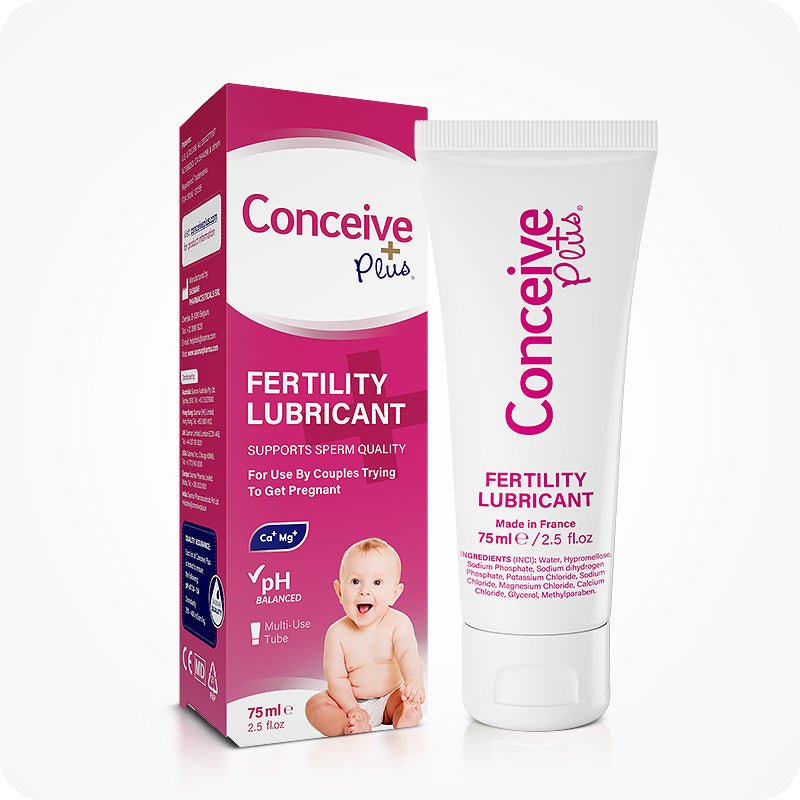
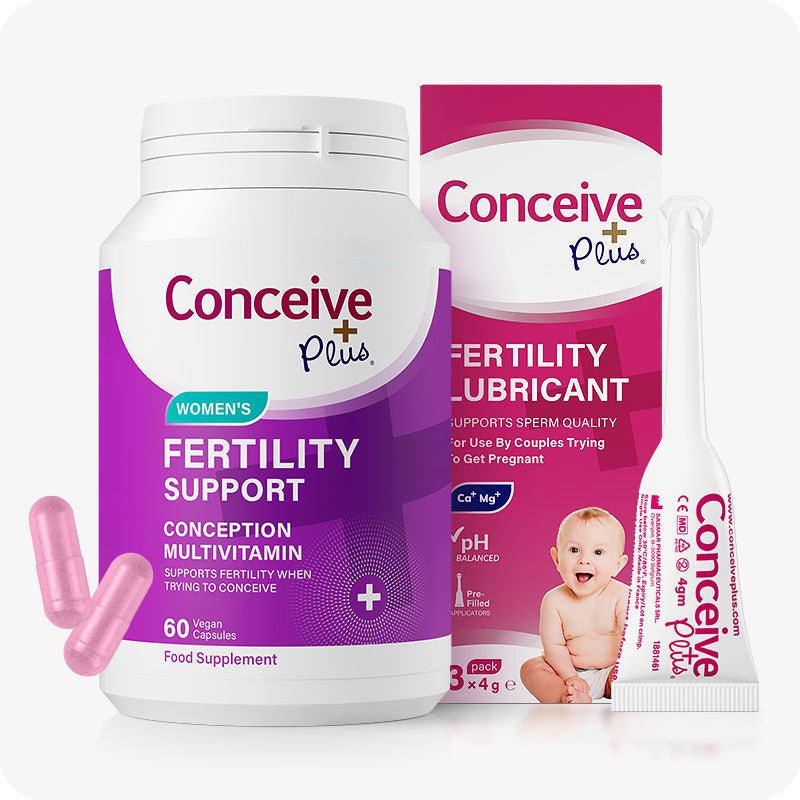
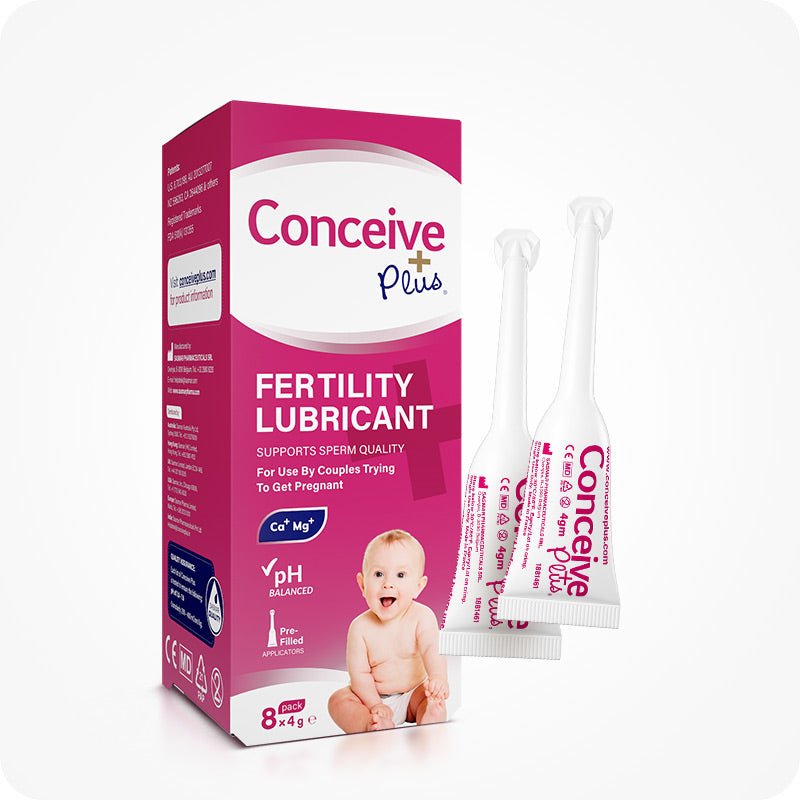
Pairing male fertility supplements with Conceive Plus fertility lubricant provides comprehensive couple-level support. The lubricant is formulated with calcium and magnesium ions that support sperm function, with pH and osmolality calibrated to the natural cervical environment — unlike most standard lubricants which are harmful to sperm.
How Long Does It Take to Improve Sperm Health?
This is the most important piece of information for any man trying to improve his fertility: spermatogenesis takes approximately 72-74 days, plus another 12-21 days for sperm to transit through the epididymis and mature. This means that changes you make today — whether dietary, lifestyle, or supplementation — will be reflected in your sperm quality approximately three to three-and-a-half months from now.
This timeline has an important practical implication: if you're trying to conceive and have recently changed your lifestyle or started supplements, you need to wait at least three months before expecting to see the results in a semen analysis or in improved conception outcomes. Consistency during this window is critical — the improvements accumulate progressively rather than appearing all at once.
For men with more significant sperm health issues (very low count, very poor motility), it may take two or more spermatogenesis cycles (six months or more) of consistent nutritional optimisation to see the full extent of potential improvement.
When to See a Fertility Specialist
Lifestyle optimisation and supplementation can deliver impressive results for many men, but there are situations where specialist assessment is warranted earlier rather than later:
- Trying to conceive for 12 months without success (or 6 months if the female partner is over 35)
- Known history of testicular injury, surgery, or varicocele
- Previous chemotherapy or radiation therapy
- Signs of hormonal imbalance (low libido, fatigue, reduced body hair)
- Erectile dysfunction or ejaculatory disorders
- Family history of male fertility problems
A semen analysis — ordered by your GP or done through a home testing kit — is an excellent first step for any man wanting to understand his baseline sperm health before or during fertility efforts.
Complete Your Sperm Health Toolkit
From supplements to sperm-friendly lubricant, Conceive Plus has everything couples need to optimise their fertility journey.
Explore Conceive Plus →Frequently Asked Questions About Sperm Health
Can low sperm count be improved naturally?
In many cases, yes. Lifestyle modifications — particularly optimising diet, reducing alcohol, quitting smoking, managing stress, and supplementing with evidence-based nutrients — can meaningfully improve sperm count over a 3-6 month period. The degree of improvement depends on the underlying cause.
What is the fastest way to improve sperm motility?
No supplement or lifestyle change delivers overnight results, but CoQ10 and L-carnitine have shown the most consistent effects on sperm motility in clinical research. Combined with reducing alcohol, quitting smoking, and managing heat exposure, these changes can produce measurable improvements in motility within one spermatogenesis cycle (approximately 90 days).
Does phone radiation affect sperm health?
Some studies suggest that radiofrequency electromagnetic radiation from mobile phones may have modest negative effects on sperm motility and DNA integrity when phones are carried in trouser pockets for extended periods. While the evidence is not conclusive, keeping your phone out of your pocket and away from the testicular area is a simple precautionary measure worth taking.
Can supplements fix azoospermia?
Azoospermia (complete absence of sperm in the ejaculate) requires specialist medical evaluation to determine whether it is obstructive (blockage in the reproductive tract) or non-obstructive (impaired sperm production). While nutritional optimisation may help in some non-obstructive cases, most men with azoospermia will require medical or surgical intervention. This is not something supplements alone can address — please see a urologist or reproductive specialist.
Is sperm DNA fragmentation treatable?
Yes — elevated sperm DNA fragmentation is significantly responsive to antioxidant therapy. Studies show that high-dose antioxidant supplementation (vitamin C, vitamin E, CoQ10, zinc, and selenium) can reduce DNA fragmentation indices by 20-30% over 3-6 months. Lifestyle changes — particularly quitting smoking and reducing oxidative stressors — are equally important.
How does age affect sperm health?
Unlike women, men continue producing sperm throughout their lives — but sperm quality does decline with age. After 40, sperm motility, morphology, and DNA integrity progressively decrease, and the risk of de novo gene mutations in sperm increases. This is why paternal age is an independent risk factor for some pregnancy complications and child health outcomes. Nutritional optimisation is especially important for men over 40 who are trying to conceive.
Should both partners take fertility supplements?
Absolutely. Fertility is a couple's endeavour — both sperm quality and egg quality matter for successful conception. While the female partner focuses on ovulation support and egg quality, the male partner can simultaneously optimise sperm parameters. Conceive Plus offers targeted supplements for both men and women, designed to work together as a comprehensive couples' fertility programme.
What sperm parameters matter most for IVF?
For conventional IVF, sperm count and motility are most important as the sperm must navigate to and fertilise the egg naturally in the culture dish. For ICSI (intracytoplasmic sperm injection), where a single sperm is selected and injected directly into the egg, morphology and DNA integrity become more critical. Improving all three parameters gives the best outcomes across all assisted reproductive procedures.