Is Breast Pain Ovulation, Pregnancy, or Menstruation?

When trying to get pregnant, women can be extra aware of any little changes in the body, particularly the breasts. While breast tenderness around ovulation is common due to hormone changes, it’s also a common indicator of PMS and pregnancy.
Many women experience breast pain ovulation as a result of hormonal fluctuations, particularly due to rising estrogen levels before the egg is released. So how do you distinguish which one it is? And can you rely on breast tenderness as an indicator that you’re ovulating?
Keep reading to find out why breast pain occurs around ovulation, during pregnancy, or before your period. We also outline additional symptoms linked to each to make it easier to differentiate the different causes of breast pain [1].

Breast Pain Described
Breast pain, which is medically referred to as mastalgia, is defined as cyclic or noncyclic. Cyclic breast pain is typically regular and linked to the menstrual cycle. Whereas noncyclic breast pain refers to a persistent sensation that is unrelated to the menstrual cycle.
When associated with ovulation, PMS, or pregnancy, breast pain is typically of the cyclic type. It can manifest as breast tenderness, a dull pain, a sharp ache, throbbing, or nipple pain and it can also extend into the armpit.
Cyclic mastalgia is known to affect one or both breasts and often goes hand in hand with an extra fullness or swelling of the breasts.
Can Breast Pain Be a Sign of Ovulation?
Yes, it can, but not always, and not for everyone.
Ovulation is when the ovaries release an egg and women are at their most fertile. On a regular menstrual cycle of 28 days, ovulation typically occurs around day 14. Just before ovulation occurs, a rise in oestrogen levels can cause breast pain. After ovulation, however, oestrogen levels fall and progesterone levels increase, which can also result in breast pain.
The level of breast pain experienced around ovulation can vary from woman to woman. While some women experience only mild breast tenderness around ovulation, it is a more severe pain for others. At the time of ovulation, the nipples can also feel particularly sore for some [2].
As a general rule, however, breast pain alone cannot be relied upon to indicate ovulation.
Other Signs That You Are Ovulating
Additional symptoms of ovulation include side pain, bloating, changes to your vaginal discharge, and an increase in your sex drive. Basal body temperature, which is the lowest body temperature the body reaches during sleep or rest, is typically higher in the morning during ovulation.
Some women use this higher morning temperature as an indicator of ovulation, but due to varying climates, seasons, and home heating factors, this is not always reliable.
During ovulation, vaginal discharge typically becomes slippery and stretchy, resembling raw egg whites. If you notice this wetter and more slippery vaginal discharge around day 14 of your cycle when trying to get pregnant, it’s an ideal time to cosy up to your partner and enjoy your heightened libido.
That said, signs of ovulation can manifest differently for every woman and what might indicate the fertile window for some, might not for others. For this reason, if you are trying to conceive, it can be helpful to use an ovulation tracker app or test kit to know for sure when you are ovulating.

✨ Trying to Conceive?
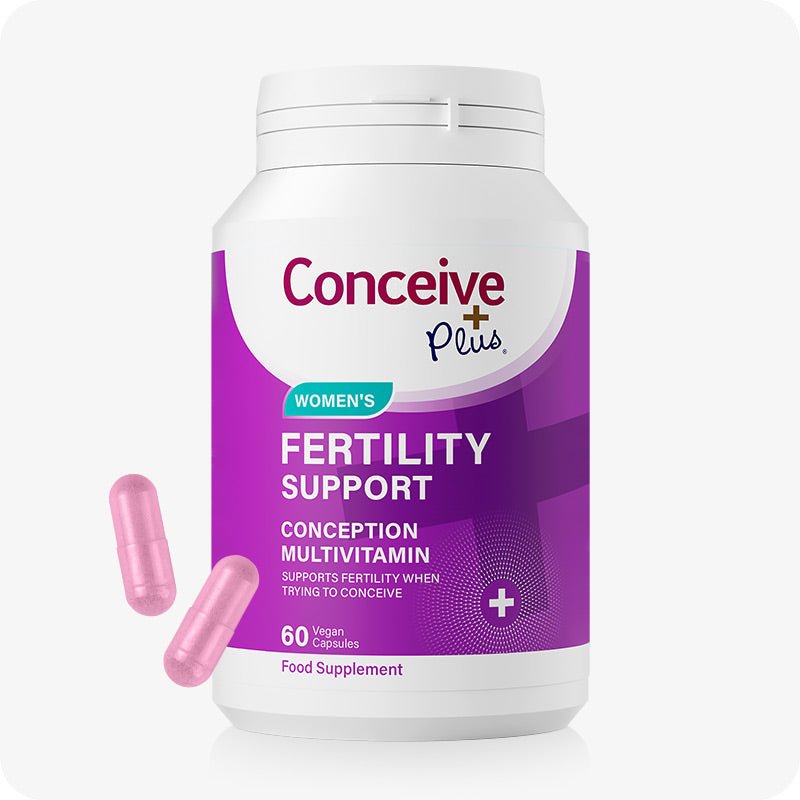
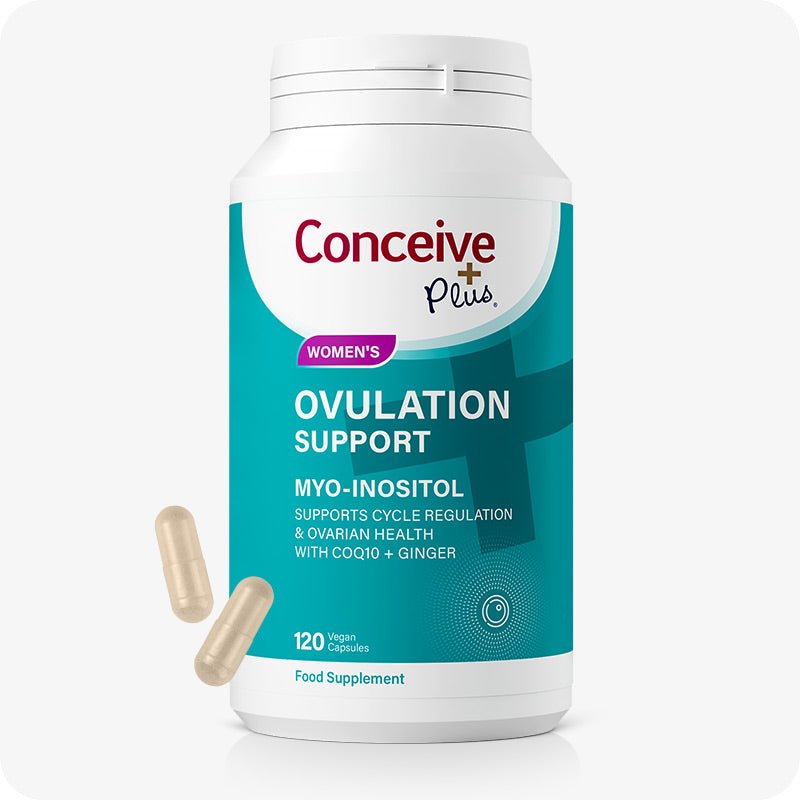
Our fertility supplements combine Myo-Inositol with essential vitamins to support healthy hormone balance and regular ovulation.
Shop Now — $36.00✓ Free shipping available | ✓ Trusted by millions of couples worldwide

When Breast Pain is a Sign of Menstruation
Breast pain before menstruation is also caused by a rise in oestrogen and progesterone and is a common symptom of a condition known as premenstrual syndrome (PMS). Swollen or enlarged breasts are also usual with PMS, as are temporary breast lumps that subside once menstrual bleeding begins [3].
Once again, the breast pain associated with PSM will vary in severity, presenting as mild for some and quite painful for others. The good news is that it goes away as soon as your period starts.
Additional Signs of PMS
According to the NHS, the most common signs of PMS include; abdominal bloating or cramping, an increase in spots or acne, feeling more irritable than usual, and tiredness, or trouble sleeping.
It’s also very common for women experiencing PMS to be more emotional than usual.
When Is Breast Pain a Sign of Pregnancy?
Breast tenderness, sore nipples, and breast pain are common signs of pregnancy. However, breast pain just after ovulation is usually a little too early to indicate pregnancy. This is because implantation, which is when the fertilised egg embeds into the endometrium (uterus lining), typically happens 8-10 days after conception [4].
Once implantation occurs, pregnancy hormones kick in and this is when women typically start to notice early pregnancy symptoms.
In addition to breast pain, symptoms of early pregnancy usually begin with a missed period. Morning sickness (nausea & vomiting), which can occur at any time of the day, is an early sign of pregnancy for some women but not others [5]. Peeing more than usual, especially at night, and changes to your eating habits are also normal in early pregnancy.
Foods that you enjoyed before you conceived might become distasteful and vice versa. And some women can experience a lingering metallic taste in their mouth in the early weeks of gestation.

When to See a Doctor
If your breast pain persists and does not appear to be linked to ovulation, PMS, or pregnancy, make an appointment with your doctor for further evaluation.
The Bottom Line
Breast pain is a common symptom of ovulation, PMS, and pregnancy. But without understanding the additional symptoms of each, and the typical length of your cycle, it can be difficult to determine which it is.
As a general rule, breast tenderness around ovulation does not signal pregnancy and is more than likely a symptom of increased oestrogen levels as the ovaries release an egg. When breast pain is a symptom of PMS it typically subsides within a few days, or as soon as menstrual bleeding begins.
Tracking breast pain ovulation patterns along with other ovulation symptoms can help improve your chances of conception by identifying your most fertile days. Whereas, when breast pain or nipple pain is an indicator of early pregnancy, it will usually linger for more than a few days. Additional symptoms like a missed period, peeing more frequently, or noticing a metallic taste in your mouth may also become apparent.
References
- Johns Hopkins Medicine – Breast Pain - https://www.hopkinsmedicine.org/health/conditions-and-diseases/mastalgia-breast-pain
- Healthline - Are Sore Nipples a Sign of Ovulation - https://www.healthline.com/health/womens-health/sore-nipples-ovulation
- NHS - PMS (Premenstrual Syndrome) - https://www.nhs.uk/conditions/pre-menstrual-syndrome/
- Mother and Baby – Is Breast Pain a Sign of Ovulation? https://www.motherandbaby.com/getting-pregnant/trying-to-conceive/breast-pain-ovulation/
- Mayo Clinic - Symptoms of Pregnancy: What Happens First - https://www.mayoclinic.org/healthy-lifestyle/getting-pregnant/in-depth/symptoms-of-pregnancy/art-20043853
🌱 Support Your Fertility Journey
Conceive Plus fertility supplements are clinically formulated to help regulate your cycle and support egg quality.
Shop Fertility Support →Frequently Asked Questions
Recommended by Fertility Experts
Conceive Plus PCOS Range
A targeted nutritional approach to support hormonal balance and reproductive health for women with PCOS.
Shop Now →Is breast pain a reliable sign that I'm ovulating?
Breast pain can be a sign of ovulation, but it's not reliable enough to use on its own when trying to conceive. The NHS recommends tracking multiple fertility signs, such as cervical mucus changes and basal body temperature, or using ovulation predictor kits for more accurate results. Every woman experiences ovulation differently, so breast tenderness may occur for some but not others.
How can I tell if my breast pain is from ovulation or early pregnancy?
Timing is key when distinguishing between the two. Breast pain around ovulation typically occurs mid-cycle (around day 14 of a 28-day cycle) and usually subsides within a few days, whereas pregnancy-related breast tenderness tends to persist and may be accompanied by other symptoms like a missed period, nausea, or fatigue. If you suspect pregnancy, taking a home test after your missed period is the most reliable way to confirm.
Why do my breasts hurt before my period every month?
Cyclical breast pain before your period is caused by hormonal fluctuations, particularly rising progesterone levels after ovulation. This is a very common PMS symptom and is generally nothing to worry about. According to the NHS, if the pain is severe or affecting your daily life, speak to your GP as there are treatments available.
Should I see my GP about breast pain when trying to conceive?
Occasional cyclical breast pain related to your menstrual cycle is usually normal and doesn't require medical attention. However, if you've been trying to conceive for over a year (or six months if you're over 35) without success, the NHS recommends booking an appointment with your GP to discuss fertility investigations. Around 1 in 7 UK couples experience fertility issues, so seeking help early can be beneficial.
Can I use breast tenderness to help track my fertile window?
While some women do notice breast tenderness around ovulation, it's best used alongside other fertility tracking methods rather than on its own. The NHS and NICE guidelines suggest combining methods such as monitoring cervical mucus, using ovulation predictor kits, and tracking your cycle to more accurately identify your fertile window when TTC.
Is breast pain during ovulation something to worry about?
In most cases, breast pain during ovulation is completely normal and caused by natural hormonal changes. However, if you experience severe, persistent, or unusual breast pain that doesn't follow your cycle, or if you notice any lumps or changes in breast appearance, the NHS advises seeing your GP to rule out other causes.
What can I do to relieve breast pain during my cycle?
The NHS suggests wearing a well-fitted supportive bra, taking over-the-counter pain relief like paracetamol or ibuprofen, and applying a warm compress to ease discomfort. Some women also find reducing caffeine intake helpful. If breast pain is severe or interfering with your daily activities, your GP can discuss additional treatment options with you.
Trusted by Couples in Over 70 Countries
Take Control of Your Reproductive Health With PCOS
Living with PCOS presents unique challenges on the path to conception. Conceive Plus PCOS range is formulated with key nutrients to help support hormonal balance and a healthy cycle, empowering you on your fertility journey.
Explore the PCOS Range →