Managing Stress While Trying to Conceive: A Compassionate Guide for 2026


Did you know that women who participated in a mind-body stress management program before their second IVF cycle saw pregnancy rates jump to 52%, compared to just 20% for those who didn't? This 2026 data highlights a powerful truth: your emotional well-being isn't just a side note; it's a vital part of your reproductive health. It's exhausting to be told to "just stop stressing" when you're navigating the clinical pressure of scheduled intimacy or the agonizing quiet of the two-week wait. You shouldn't feel blamed for your body's response to a process that often feels entirely out of your control, yet managing stress while trying to conceive remains a primary concern for many couples. We understand the weight of this journey and the toll it takes on your spirit.
Discover science-backed strategies to navigate the emotional complexities of your fertility journey and reclaim a sense of calm and control. This guide offers a compassionate look at the physiological link between cortisol and conception while providing practical tools to help you thrive. We'll preview ways to prevent burnout, manage the financial anxieties of modern fertility care, and nurture intimacy without the weight of clinical expectation. You deserve a path forward that prioritizes both your biological goals and your mental peace.
Key Takeaways
- Understand the biological "Stress-Fertility Loop" to recognize how cortisol and adrenaline impact your reproductive hormones without internalizing blame.
- Identify and mitigate the "clinical burden" of daily tracking to create a more sustainable, balanced approach to managing stress while trying to conceive.
- Implement "Micro-Soothe" techniques and gentle movement to build emotional resilience and protect your mental well-being during the two-week wait.
- Reclaim intimacy by addressing performance anxiety and learning how a calmer state of mind supports natural arousal and healthy cervical mucus production.
- Discover how stable blood sugar and targeted nutritional support can help balance your mood and optimize your body for a healthier conception journey.
Does Stress Actually Impact Your Fertility? Understanding the Science
The biological relationship between your mind and your body is intricate, particularly when you're focused on conception. Many people find themselves trapped in what scientists call the "Stress-Fertility Loop." This is a natural physiological response where the anxiety of wanting to conceive triggers a physical stress reaction, which then creates more anxiety about the stress itself. It's a cycle that feels difficult to break, but understanding the mechanics behind it is the first step toward reclaiming a sense of control. When you experience pressure, your body isn't failing you; it's simply reacting to perceived signals of "danger" or instability in your environment.
One of the most persistent and harmful myths is the suggestion that you should "just relax and it will happen." This narrative often places the burden of infertility squarely on the individual's emotional state, which is both inaccurate and unkind. While research indicates a correlation between high distress levels and lower pregnancy rates, stress is rarely the sole cause of infertility. The psychological effects of infertility are profound, and feeling anxious is a valid, expected response to a challenging journey. Managing stress while trying to conceive isn't about achieving a state of perfect Zen. It's about supporting your body's natural systems so they can function without the constant interference of "fight or flight" hormones.
The Role of the Hypothalamic-Pituitary-Adrenal (HPA) Axis
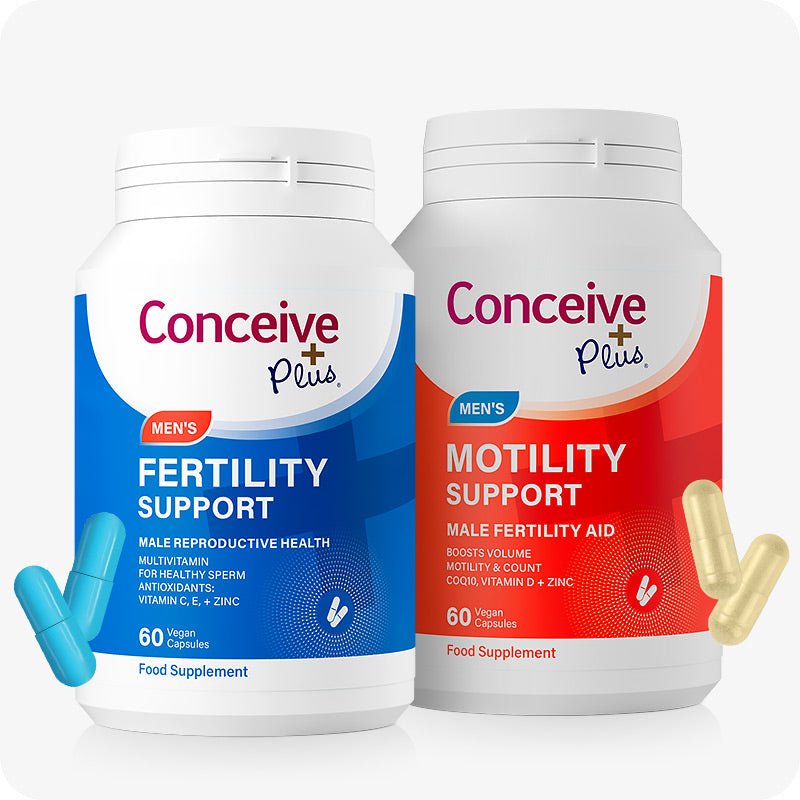
Your brain is designed to prioritize survival over reproduction. When you experience high stress, your HPA axis activates, releasing cortisol and adrenaline. In an evolutionary sense, these hormones tell your body that the current environment might be unsafe for a pregnancy. This survival shift can lead to delayed or irregular ovulation as the brain deprioritizes reproductive signals. This impact isn't limited to women. Chronic stress also affects male fertility, as elevated cortisol can lead to oxidative stress, which may negatively influence sperm count and motility support.
Distinguishing Between Acute and Chronic Stress
It's helpful to distinguish between a single bad day and long-term burnout. A high-pressure deadline or a minor argument won't "reset" your cycle progress. Your body is resilient enough to handle acute stressors without losing its reproductive rhythm. The real challenge comes from the cumulative effect of long-term burnout, where the "two-week wait" and clinical schedules create a constant state of high alert. Instead of trying to suppress your emotions, we encourage a "support, not suppression" mindset. Acknowledge the difficulty of the process. By focusing on managing stress while trying to conceive through small, consistent actions, you provide your nervous system with the safety it needs to function optimally.
Identifying Your Specific TTC Stressors
Identifying what specifically triggers your anxiety is a vital step in managing stress while trying to conceive and reclaiming your sense of self. For many, the path to parenthood stops feeling like a shared dream and starts feeling like a clinical project. You might feel a heavy emotional strain as your identity shifts from a whole person to a set of biological data points. This transition often leads to a sense of losing yourself, where hobbies and personal joy are replaced by the relentless pursuit of a positive test result. Acknowledging the science of stress and fertility helps us see that these external pressures aren't just in your head; they have a measurable impact on your daily quality of life.
The financial burden also adds a layer of complexity that's hard to ignore. Whether it's the cost of supplements or the investment in monitoring tools, the mounting expenses can create a sense of urgency that fuels further stress. Validating these feelings is essential. It's okay to admit that this process is difficult, expensive, and emotionally draining. You aren't failing because you feel overwhelmed; you're simply responding to a high-stakes environment with deep personal significance.
The Tracking Trap: When Data Becomes Distressing
The clinical burden of daily temperature tracking and interpreting ovulation strips can be exhausting. While these tools provide essential insights, they also create a constant focus on conception that leaves little room for mental peace. If you find your heart racing every time you reach for a thermometer, it might be a sign of tracking burnout. Consider these signs that you might need a break:
- You feel a sense of dread when checking your fertility apps.
- Your mood for the entire day is dictated by a single data point or test result.
- The process of tracking has replaced intimacy with your partner with a sense of obligation.
You don't have to monitor every single metric every single month. Sometimes, taking a "tracking holiday" for one cycle can provide the emotional reset needed to continue. Choosing a reliable, simple pregnancy test or ovulation kit can help reduce the ambiguity that often fuels anxiety, allowing you to get the answers you need without the added layer of confusion.
Navigating the Social Landscape
Social pressure often arrives from the people we love most. Family gatherings can become minefields of intrusive questions about when you'll start a family. It's perfectly acceptable to set firm boundaries. You might say, "We appreciate your support, but we'd rather not discuss our timeline today." Managing stress while trying to conceive becomes significantly easier when you aren't constantly defending your personal life to others.
Beyond family, the digital world presents its own challenges. Social media envy is a real phenomenon where seeing another pregnancy announcement feels like a personal setback. Protecting your peace might mean muting certain accounts or taking a break from apps that trigger distress. Finding a "safe space" community, whether a local support group or a private online forum, ensures you aren't carrying this weight alone. You deserve to be surrounded by people who understand that your worth isn't defined by your fertility status.
5 Practical Strategies for Building Emotional Resilience

✨ Trying to Conceive?
Our fertility supplements combine Myo-Inositol with essential vitamins to support healthy hormone balance and regular ovulation.
Shop Now — $36.00✓ Free shipping available | ✓ Trusted by millions of couples worldwide
Developing emotional resilience doesn't require a total lifestyle overhaul. In fact, adding a long list of new "wellness" chores often creates more pressure rather than relieving it. Instead, focus on "Micro-Soothe" moments. These are intentional, 60-second pauses throughout your day where you check in with your body and release physical tension. By breaking down resilience into these small, manageable intervals, managing stress while trying to conceive becomes a series of gentle choices rather than a daunting mountain to climb. You don't need to be perfect; you just need to be kind to yourself.
Movement is another area where a shift in perspective helps. While high-intensity interval training has its place, your body may perceive extreme physical exertion as an additional stressor when you're already emotionally taxed. Prioritize gentle movement like walking in nature or restorative yoga. These activities lower cortisol without placing excessive demands on your metabolic system. If you find yourself needing deeper support, professional counseling with a fertility specialist provides a safe space to process the unique grief and hope that comes with this journey. Utilizing specific stress management techniques for fertility can help you navigate these sessions effectively and externalize the heavy emotions you've been carrying.
Mindfulness and the Science of the Vagus Nerve
Mindfulness is more than just a buzzword; it's a physiological tool. By practicing simple box breathing or grounding exercises, you stimulate the Vagus nerve. This nerve acts as a bridge between your brain and your womb, signaling to your reproductive organs that the body is safe. Just five minutes of daily practice can shift your nervous system from a state of "fight or flight" into "rest and digest." This shift supports a more receptive hormonal environment, helping your body return to its natural equilibrium after a stressful day.
The "Two-Week Wait" Survival Guide
The time between ovulation and your next period is often the most anxiety-inducing phase. Journaling serves as a vital tool during this window, allowing you to externalize the intrusive thoughts that often feel overwhelming. Rather than letting anxiety consume your entire day, try setting a specific "worry window." Dedicate 15 minutes in the afternoon to feel all your fears and write them down. Once the timer ends, you've "contained" that stress for the day, allowing you to focus on other aspects of your life.
- Create a "distraction list" of books, movies, or projects to keep your mind occupied during peak anxiety times.
- Set a specific time for testing rather than checking impulsively throughout the day.
- Plan a non-pregnancy related treat, such as a favorite meal or a small outing, regardless of the test result.
By implementing these strategies, you shift your focus from the outcome to the process of caring for yourself. This proactive approach to managing stress while trying to conceive empowers you to maintain your identity and well-being, ensuring that the journey toward parenthood doesn't eclipse the person you are today.
Reclaiming Intimacy: Reducing the Stress of "Timed Intercourse"
When intimacy is reduced to a calendar event, the emotional connection that anchors your relationship often suffers. Many couples find that "timed intercourse" introduces a level of performance anxiety that makes sex feel more like a clinical appointment than a shared expression of love. This shift is a significant hurdle in managing stress while trying to conceive. It's common for partners to feel "used" or viewed simply as a means to an end during the fertile window, leading to a decline in libido and a sense of emotional disconnection. By acknowledging this reality, you can begin to prioritize your relationship over the calendar and protect the bond that started this journey.
The pressure to perform on demand can lead to a cycle of frustration for both partners. Men may experience difficulty with arousal under the weight of expectation, while women often find that the psychological stress manifests physically. This isn't a failure of your relationship; it's a physiological response to a high-pressure situation. Managing stress while trying to conceive requires a shift in perspective, moving away from the "task" of baby-making and back toward the joy of physical connection.
Overcoming Physical Discomfort and Vaginal Dryness
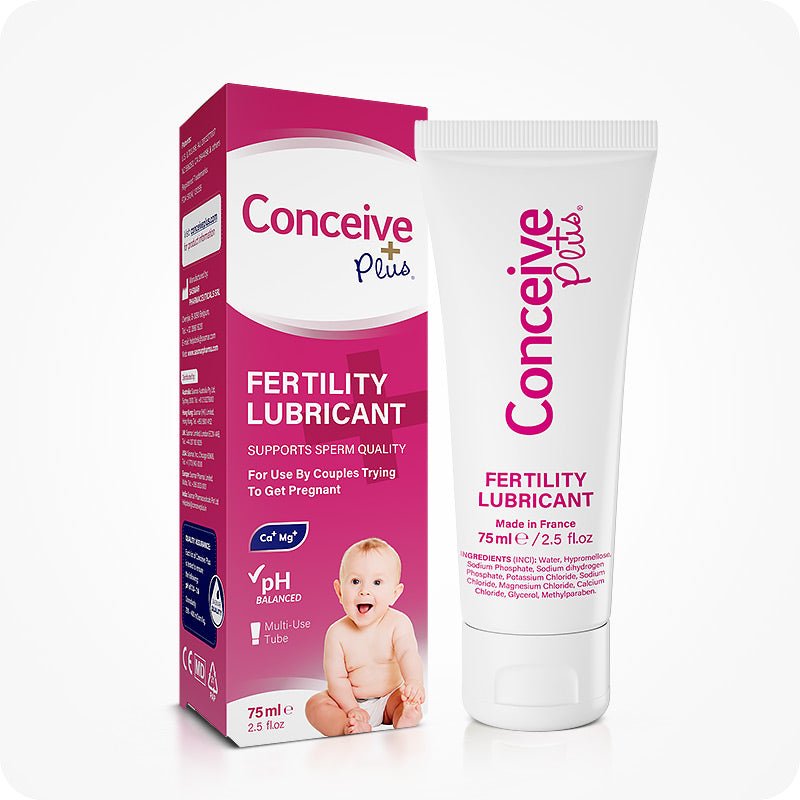
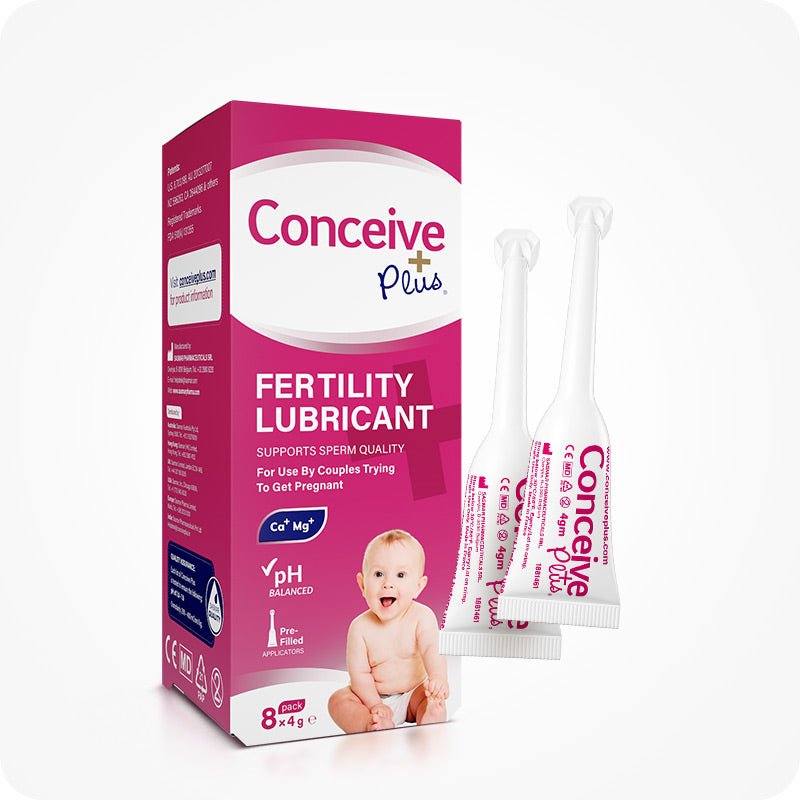
High stress levels don't just affect your mind; they have a direct physical impact on your body's arousal response. When the "fight or flight" system is active, your body often inhibits the production of natural cervical mucus and vaginal lubrication. This can lead to physical discomfort during intercourse, making the process feel even more like a chore. While many reach for standard lubricants to solve this, it's vital to know that most household brands are not sperm-friendly. They often have an acidic pH or contain ingredients that can hinder sperm motility and health.
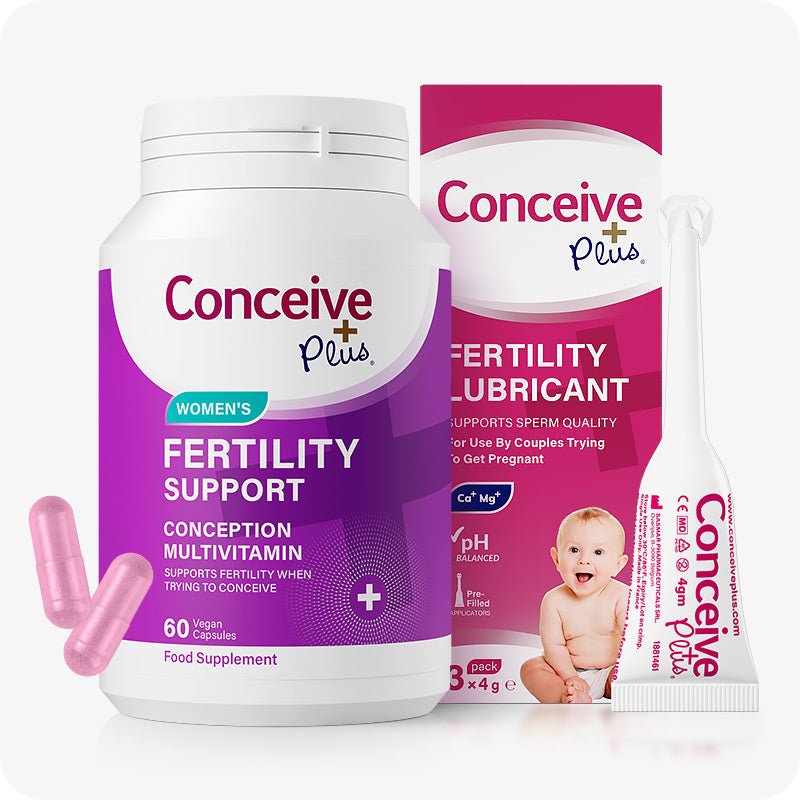
Using a pH-balanced lubricant like Conceive Plus UK supports the journey by mimicking the body's natural fluids. This provides the necessary comfort without compromising your goals. Whether you choose the tube for flexibility or the pre-filled applicators for ease of use, these tools help reduce the clinical feel of timed sex. They allow you to focus on the physical connection rather than the discomfort of dryness. If you're looking to make your intimate moments feel more natural and less clinical, you can explore the Conceive Plus UK range of fertility-friendly lubricants here.
Shifting the Focus from "Baby-Making" to Connection
Reintroducing spontaneity requires a conscious effort to separate intimacy from the goal of conception. Techniques like "Sensate Focus" can be incredibly helpful. This involves relearning touch through a series of exercises that focus on physical sensation without the immediate goal of intercourse or orgasm. It takes the pressure off "performing" and allows you to reconnect with your partner's body in a low-stakes environment.
Clear communication is also essential. If one partner feels overwhelmed by the schedule, it's important to voice those feelings without blame. Try to schedule "non-conception" intimacy dates where the goal is simply to enjoy each other's company. Reintroducing touch that isn't tied to a fertile window helps rebuild trust and spontaneity. Maintaining this emotional safety net ensures that your relationship remains the foundation of your life, regardless of where you are in your cycle.
Nutritional Support for a Calmer Conception Journey
While mindfulness and emotional boundaries are vital, the physical foundation of your resilience often begins with what you consume. Maintaining stable blood sugar is an essential, yet frequently overlooked, component of managing stress while trying to conceive. When your blood sugar levels spike and crash, your body releases cortisol to compensate. This physiological reaction can mimic or worsen feelings of anxiety and panic, creating a sense of internal chaos. By prioritizing complex carbohydrates, healthy fats, and proteins, you provide your brain with a steady supply of energy. This helps stabilize your mood and keeps your reproductive hormones in a more balanced state.
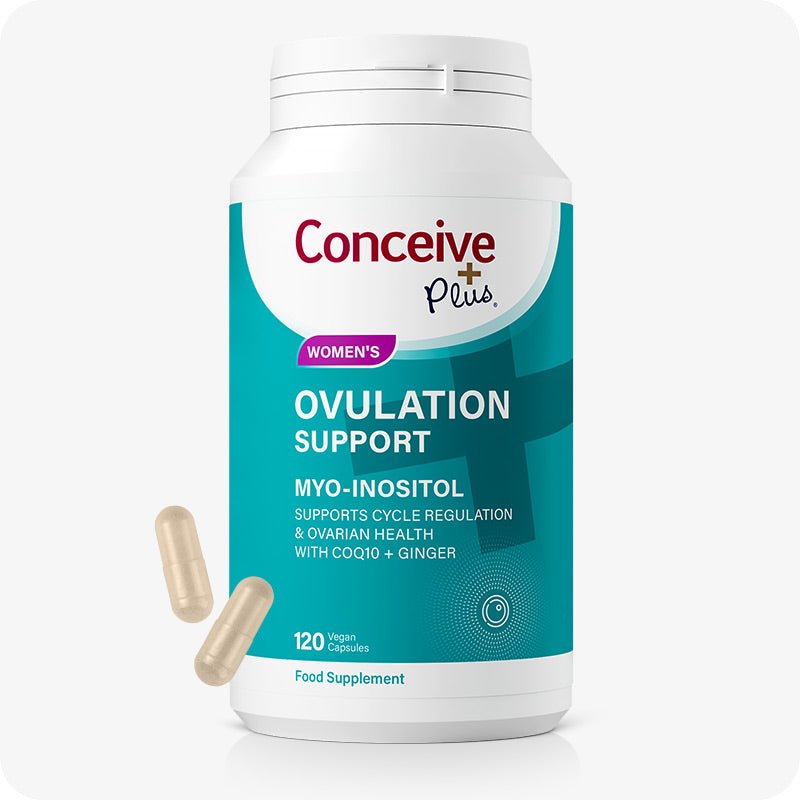
Myo-inositol is particularly noteworthy for its dual benefits in this area. While it's widely recognized for supporting those with PCOS by improving insulin sensitivity, it also plays a significant role in neurotransmitter signaling. This helps regulate emotional responses, providing a calmer mental baseline during the unpredictable phases of your cycle. High-stress periods often disrupt healthy eating habits or suppress appetite entirely. In these moments, high-quality supplements act as a necessary safety net. They ensure your body receives the raw materials it needs to support reproductive function even when your daily routine feels overwhelming.
Vitamins for Emotional and Hormonal Balance
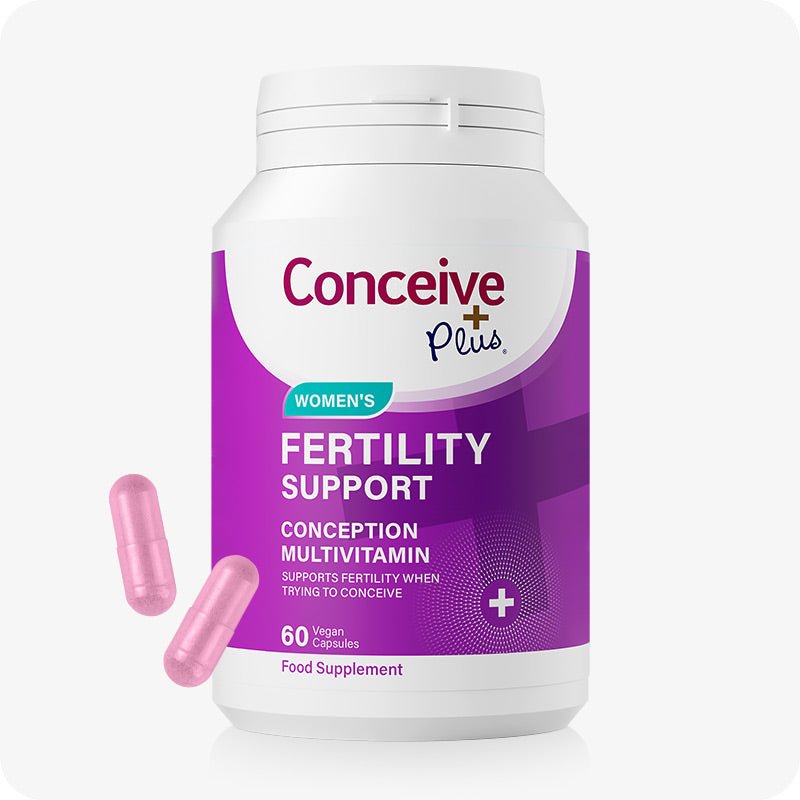
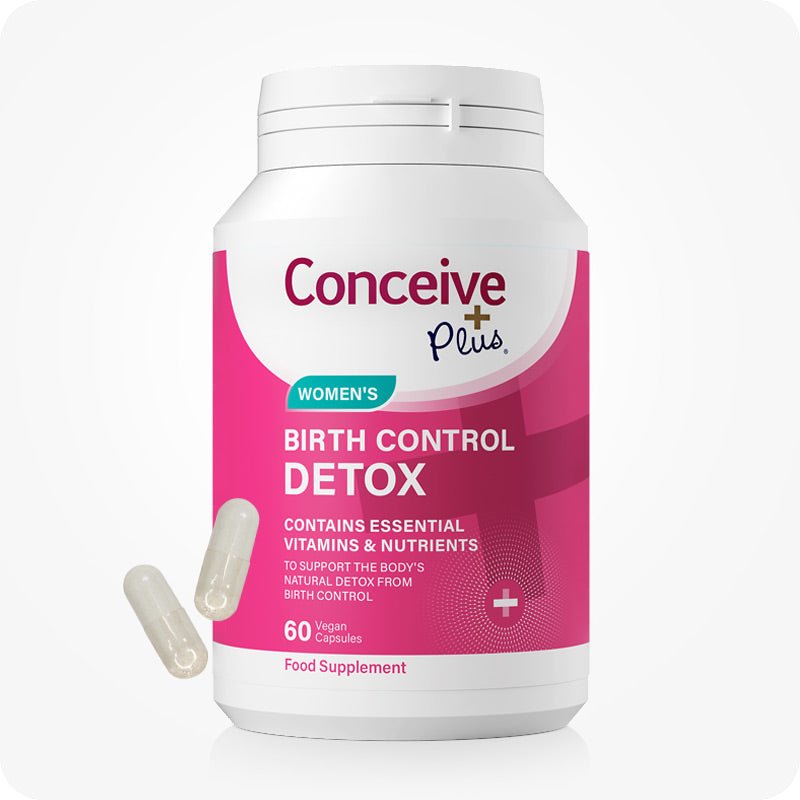
Specific nutrients act as the building blocks for a healthy nervous system. Magnesium and B-vitamins are essential for supporting the adrenal glands, which bear the brunt of chronic stress. Magnesium helps relax the nervous system and improves sleep quality, while B-vitamins are critical for energy production and hormone synthesis. Additionally, Zinc and Selenium contribute to both egg quality and the body's overall stress resilience by acting as powerful antioxidants that protect cells from oxidative damage. Conceive Plus UK Women’s Fertility Support integrates these key nutrients into a comprehensive formula designed to optimize your body's internal environment and support your emotional well-being during this sensitive time.
A Compassionate Conclusion: You Are Not Alone
Managing stress while trying to conceive is not about achieving a state of perfect, unwavering calm. It's about recognizing that stress is a natural part of a deeply meaningful journey. You don't need to be "perfectly relaxed" to be a good candidate for parenthood. Your body is remarkably resilient, and its ability to adapt to the ups and downs of this process is something to be honored.
We encourage you to celebrate the "good enough" days and the small wins along the way. Whether it's a day where you prioritized a "Micro-Soothe" moment or a cycle where you reclaimed the joy of intimacy, these steps matter. You're navigating a path that requires immense courage and patience. Remember that your worth is not defined by your fertility status, and your journey is supported by both science and a community that understands the weight of your goals. Be gentle with yourself; you're doing better than you think.
Empowering Your Path Toward Parenthood
Focusing on your well-being during fertility requires more than just biological tracking; it demands a dedicated focus on your emotional and physical resilience. By understanding the science behind the stress-fertility loop and replacing high-pressure tasks with genuine connection, you can transform your experience. Managing stress while trying to conceive is a continuous process of choosing small, supportive actions over clinical burnout. Whether you're stabilizing your mood through nutritional support or stimulating the Vagus nerve through breathwork, each step helps restore a sense of calm and biological equilibrium.
As you move forward, having the right tools can make all the difference in reclaiming a sense of comfort. Explore the Conceive Plus UK range to support your journey with confidence. Our patented, pH-balanced formula has been trusted by couples since 2008. Developed by Sasmar Pharmaceuticals to ensure optimal sperm health, our products are supported by fertility experts and thousands of positive reviews. You don't have to carry the weight of this process alone. Trust in your body's inherent resilience and know that you're supported every step of the way.
Frequently Asked Questions
Can stress actually stop me from ovulating?
Yes, significant physiological or emotional stress can delay or even prevent ovulation during a specific cycle. When your body perceives a high level of threat, the hypothalamic-pituitary-adrenal (HPA) axis may deprioritize reproductive functions to focus on survival. This can lead to a suppressed luteinizing hormone (LH) surge, which is the necessary trigger for the release of an egg from the ovary.
Is it true that I should "just relax" to get pregnant?
No, telling someone to "just relax" is an unhelpful myth that often creates more anxiety and a sense of personal blame. While managing stress while trying to conceive is beneficial for your overall health, infertility is a complex biological condition. Relaxation alone isn't a medical cure for underlying reproductive challenges, and you shouldn't feel that your emotions are the primary barrier to your success.
How can I tell if my stress levels are affecting my fertility?
You might notice physical indicators such as a sudden change in your cycle length, spotting between periods, or a noticeable decrease in fertile cervical mucus. Chronic stress can also manifest as persistent fatigue, disrupted sleep, or a significant drop in your libido. If your cycle tracking data shows irregular patterns that don't align with your usual baseline, it could be a sign that your nervous system needs more support.
Does stress affect male fertility as much as female fertility?
Yes, stress has a documented impact on male reproductive health by potentially lowering testosterone levels and sperm quality. High cortisol levels can lead to oxidative stress within the body, which may negatively influence sperm count and motility. It's helpful for both partners to engage in stress reduction techniques to ensure the best possible environment for conception and to support each other's emotional well-being.
What are the best ways to handle the "Two-Week Wait" anxiety?
The best approach is to use "containment" strategies, such as setting a fifteen-minute "worry window" each day to process your fears. Outside of that window, focus on a pre-planned distraction list of engaging activities like reading a new book or starting a creative project. This prevents the anxiety of the wait from consuming your entire day and helps you maintain a sense of normalcy during a period of uncertainty.
Are there specific breathing exercises for fertility?
Box breathing and diaphragmatic breathing are particularly effective because they directly stimulate the Vagus nerve. By inhaling for four seconds, holding for four, and exhaling for four, you signal to your brain that your body is in a safe, stable environment. This shift out of "fight or flight" mode supports a more receptive hormonal state, which is a key component of managing stress while trying to conceive.
Can fertility lubricants help if stress is causing vaginal dryness?
Yes, fertility-friendly lubricants are excellent tools for providing comfort when stress or "timed intercourse" inhibits your natural lubrication. Standard lubricants often have an acidic pH that can be harmful to sperm health. Using a pH-balanced option like Conceive Plus ensures that you maintain the necessary comfort for intimacy without compromising sperm motility or creating a hostile environment for conception.
When should I seek professional help for TTC-related stress?
You should consider professional help if your anxiety feels unmanageable, you've lost interest in activities you once enjoyed, or the process is causing significant strain on your relationship. A fertility-focused counselor or therapist can provide specialized coping mechanisms for the unique grief and pressure of the conception journey. Seeking support isn't a sign of weakness; it's a proactive step toward protecting your mental health and resilience.
🌱 Support Your Fertility Journey
Conceive Plus fertility supplements are clinically formulated to help regulate your cycle and support egg quality.
Shop Fertility Support →Trusted by Couples in Over 70 Countries
Support Male Fertility From the Inside Out
Male fertility is just as important as female fertility in the conception journey. Conceive Plus Men's range delivers targeted nutritional support to promote healthy sperm and overall reproductive wellbeing.
Shop Men's Range →