What to Avoid When Trying to Conceive: The Ultimate 2026 Checklist


Did you know that nearly 20% of women still believe it's safe to wait until a positive pregnancy test before they stop drinking alcohol? When you're focused on the hope of a new beginning, it's natural to feel anxious that a hidden habit or environmental factor might be delaying your progress. Understanding exactly what to avoid when trying to conceive is a vital part of your preconception care. It isn't just about cutting out the obvious risks; it's about creating a biological sanctuary that supports the delicate health of both eggs and sperm.
You deserve peace of mind and a clear, scientific path forward as you prepare for this life-changing transition. This guide provides a definitive 2026 checklist to help you refine your daily routine and eliminate the hurdles that often go unnoticed. We'll explore the latest health standards, including the July 2026 EU ban on BPA in food packaging and the specific caffeine and dietary limits recommended by leading experts. By following these steps, you can feel confident that you're doing everything possible to optimize your reproductive health and accelerate your journey to parenthood.
Key Takeaways
- Learn why the 90-day period before conception is the most critical window for protecting the biological quality of both eggs and sperm.
- Identify the specific dietary thresholds for caffeine and alcohol to understand exactly what to avoid when trying to conceive without feeling overwhelmed.
- Discover how to audit your home for hidden endocrine disruptors, such as phthalates and BPS, that can silently interfere with your hormonal balance.
- Understand the biological impact of standard personal lubricants on sperm motility and why vaginal pH and osmolality are crucial factors for successful fertilization.
- Follow a clear, step-by-step plan to transition from a state of avoidance to one of proactive support by repairing oxidative damage through targeted nutrition.
The Pre-conception Mindset: Why What You Avoid Matters
Success in your journey to parenthood often begins months before you see a positive result on a pregnancy test. While many couples focus on adding prenatal vitamins or superfoods to their diet, understanding what to avoid when trying to conceive is equally vital for a healthy outcome. This isn't about a restrictive or fad-based detox; it's about a scientific pre-conception cleanse that respects your body's natural rhythms and removes the biological hurdles that can slow your progress.
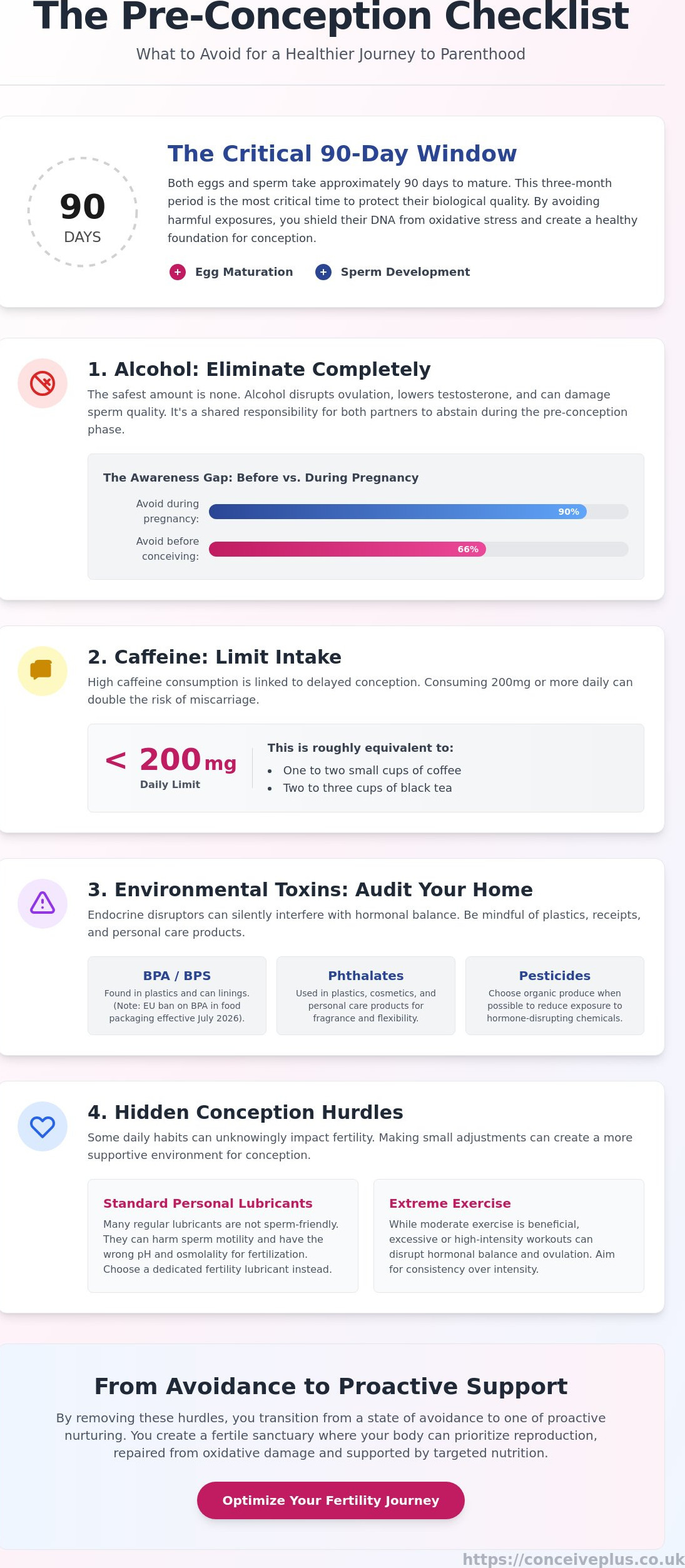
Both eggs and sperm take approximately 90 days to reach full maturation. During this three-month window, these cells are highly sensitive to their environment. Oxidative stress, caused by environmental toxins or certain lifestyle habits, can create unstable molecules that damage the DNA and structural integrity of reproductive cells. By identifying and removing these stressors now, you're protecting the health of your future child from the very beginning. Pre-conception counseling often emphasizes this proactive approach to ensure both partners are in peak reproductive health before they begin their journey.
To better understand the biological impact of your daily choices, watch this helpful video:
Creating a Fertile Sanctuary for Conception
Your body is a master of prioritization. When it perceives high levels of stress or chemical interference, it focuses resources on vital organs like the heart and brain, often at the expense of the reproductive system. This biological survival mechanism is why managing stress while trying to conceive is a foundational pillar of fertility. Creating a sanctuary means setting realistic expectations for change and recognizing that your body needs to feel safe and supported to prioritize a pregnancy. It's about shifting from a state of "survival" to a state of "nurturing."
The Cumulative Impact of Lifestyle Factors
Reproductive health isn't determined by a single event but by the cumulative weight of small, daily choices. It's a shared responsibility; since sperm quality is just as vulnerable to oxidative damage as egg quality, both partners should commit to the avoidance checklist together. You don't need to be perfect. Success often lies in the distinction between "limiting" occasional indulgences and "eliminating" known toxins that provide no biological benefit. When you understand what to avoid when trying to conceive, you regain a sense of control over a process that can often feel unpredictable or overwhelming.
Dietary Red Flags: Foods and Substances to Limit
Understanding what to avoid when trying to conceive includes a careful look at your pantry and fridge. Your diet provides the essential building blocks for the 90-day maturation window of your eggs and sperm. When you consume high-inflammatory foods or substances that disrupt endocrine function, you may unknowingly create a more challenging environment for fertilization. Shifting your nutritional focus toward purity and balance is a profound act of care for your future reproductive success.
Alcohol and Caffeine: The Hidden Fertility Blockers
The most recent guidelines from the American College of Obstetricians and Gynecologists (ACOG) are clear; the safest amount of alcohol when trying to conceive is none. Alcohol can disrupt the delicate hormonal balance required for regular ovulation in women and has been shown to lower testosterone levels and sperm quality in men. While a 2026 survey revealed that 90% of women know alcohol is unsafe during pregnancy, only 66% realized they should stop drinking before they actually conceive. Choosing to abstain now ensures your body is a clean, supportive environment from the moment of conception.
Caffeine requires similar caution. High intake is linked to delayed conception and an increased risk of early pregnancy loss. Research indicates that consuming 200mg or more daily can double the risk of miscarriage compared to those who avoid it entirely. To stay within safe limits, consider this caffeine guide:
- Standard Espresso: approximately 63mg
- Brewed Coffee (8oz): approximately 95mg
- Black Tea: approximately 47mg
- Energy Drinks: often 80mg or higher per serving
Try replacing these with nurturing herbal infusions like peppermint or ginger tea, which provide comfort without the stimulant load.
Beyond stimulants, you should be mindful of heavy metals and bacterial risks. High-mercury fish such as shark, swordfish, king mackerel, and tilefish can accumulate in your bloodstream and negatively impact the development of a fetus's nervous system. Similarly, processed sugars and trans fats can trigger insulin resistance, which often leads to hormonal imbalances that interfere with ovulation. For those looking to swap these red flags for nourishing alternatives, our guide on the ultimate diet for trying to conceive offers a comprehensive roadmap. Ensuring you have high-quality nutritional support during this transition can help bridge any gaps in your daily intake.
It's also essential to eliminate risks of foodborne illness. Unpasteurised dairy products and raw or undercooked meats carry a risk of Listeria. This bacterium is particularly dangerous during the preconception and early pregnancy stages, as it can lead to severe complications even if the parent feels only mildly unwell.
The Danger of Excess Vitamin A (Retinol)
While vitamins are generally beneficial, pre-formed Vitamin A, known as retinol, can be harmful in high doses during the early stages of pregnancy. It's important to distinguish this from beta-carotene, the plant-based form found in carrots and sweet potatoes, which is perfectly safe. You should avoid liver products, such as pâté, and check your current supplements to ensure they don't contain excessive retinol. Focusing on whole-food sources of nutrients is a safer, more methodical way to prepare your body for the journey ahead.
Environmental Toxins and Male-Specific Hazards
While dietary changes are a visible part of your journey, the invisible environment of your home also plays a significant role. When considering what to avoid when trying to conceive, many couples overlook the chemical load in their daily surroundings. Common household cleaning agents often contain harsh solvents and synthetic fragrances that can trigger oxidative stress in reproductive cells. Transitioning to plant-based, fragrance-free alternatives is a simple but effective way to reduce this burden and create a safer space for your future family.
Endocrine Disruptors: BPA and Phthalates
Endocrine disruptors are chemicals that interfere with the endocrine system and hormonal signals. These substances often mimic natural hormones, tricking the body into responding in ways that can disrupt ovulation or lower sperm counts. Bisphenol A (BPA) is one of the most well-known disruptors, frequently found in plastic containers and thermal paper receipts. In a major step for public health, the European Union's Commission Regulation (EU) 2024/3190 prohibits the use of BPA in most food contact materials starting July 20, 2026. To protect your fertility now, consider these swaps:
- Replace plastic food containers with glass or stainless steel alternatives.
- Avoid handling thermal receipts where possible, or wash your hands immediately after contact.
- Choose personal care products labeled phthalate-free and avoid anything with generic fragrance in the ingredients list.
Phthalates are often hidden in synthetic scents to make them last longer, but they are linked to significant disruptions in male reproductive development. Choosing unscented products is a small change that can have a profound impact on your hormonal health.
Scrotal Hyperthermia: Keeping Sperm Cool
Male fertility is particularly sensitive to temperature. There's a clear biological reason why testicles are located outside the body; sperm production requires an environment that is roughly two degrees cooler than the rest of the core. When the scrotal area is subjected to prolonged heat, it leads to scrotal hyperthermia, which can significantly impair sperm motility and count. To optimize male reproductive health, it's important to avoid certain heat-intensive activities:
- Using laptops directly on the lap for extended periods.
- Frequent use of hot tubs, saunas, or steam rooms.
- Relying on heated car seats during long commutes.
- Long-distance cycling, which can restrict blood flow and increase local temperature.
Switching to loose-fitting cotton underwear can also help maintain the ideal temperature for sperm development. Because environmental damage can take time to reverse, providing comprehensive support for both partners can help repair the effects of past exposure. Reducing these physical and chemical stressors gives your body the best opportunity to succeed naturally.
Hidden Conception Killers: Regular Lubricants and Exercise Extremes
Many couples are surprised to learn that products designed to enhance intimacy can actually be a primary factor in what to avoid when trying to conceive. Standard personal lubricants are formulated to match the naturally acidic environment of the vagina, which usually sits between a pH of 3.8 and 4.5. While this acidity is healthy for preventing infections, it's lethal for sperm. During your most fertile window, your body produces cervical mucus with a higher pH of 7.0 to 8.5 to protect and nourish sperm as they travel. Using a standard lubricant at this time creates a chemical barrier that can stop sperm in their tracks before they even reach the cervix.
Why Standard Lubricants Can Hinder Your Journey
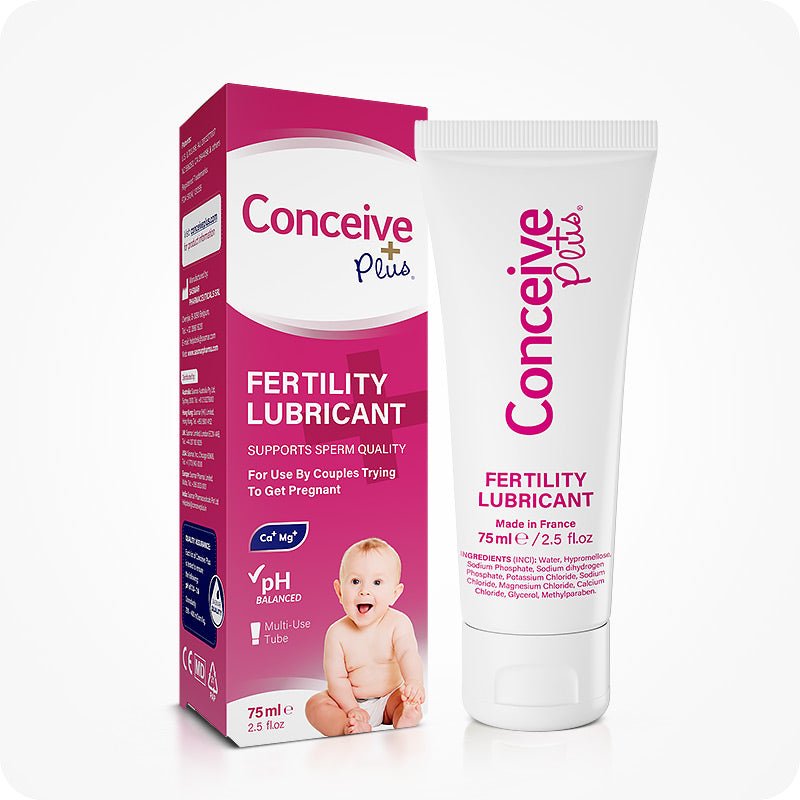
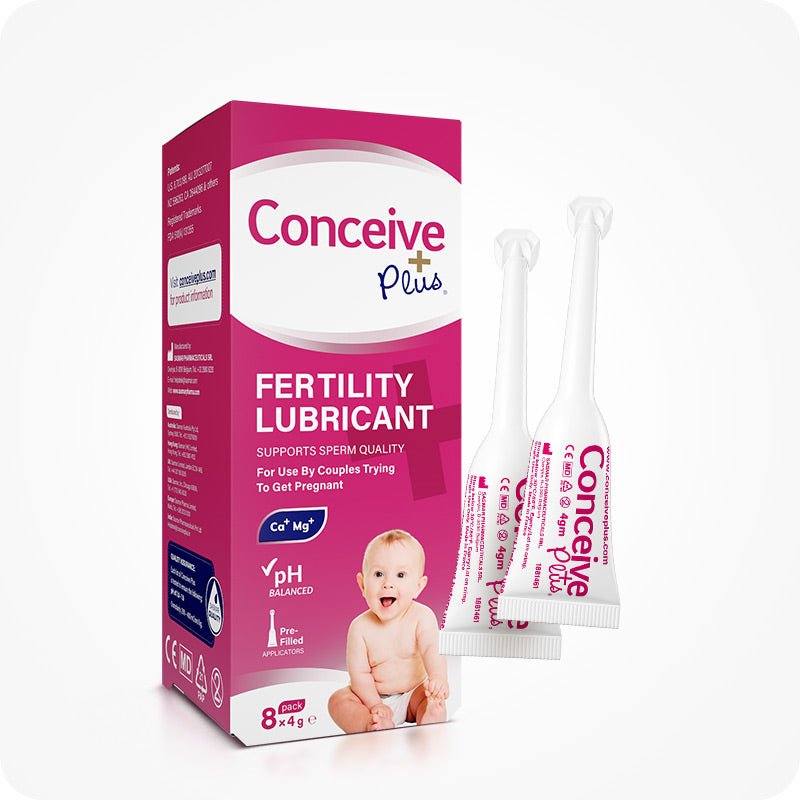
Beyond pH levels, osmolality is a critical factor that many "sperm-friendly" labels overlook. Osmolality refers to the concentration of particles in a liquid. Most regular gels are hypertonic, meaning they have a much higher concentration than biological fluids. This physical imbalance causes water to be drawn out of the sperm cells, effectively dehydrating and killing them. To ensure you aren't accidentally sabotaging your efforts, it's important to choose a solution that is specifically designed to be isotonic and pH-balanced. Conceive Plus Fertility Lubricant is one of the few brands globally cleared by the FDA in the PEB category, confirming it's safe for sperm, eggs, and embryos. It uses a patented formula that includes essential calcium and magnesium ions to support the natural fertilization process.
High-Intensity Training vs. Fertility
Physical activity is generally beneficial, but finding the "Goldilocks Zone" is essential for reproductive health. Extreme, high-intensity training can lead to the "Female Athlete Triad," where a significant deficit in energy causes hormonal disruptions and can even stop ovulation entirely. This happens because the body perceives the intense physical strain as a period of stress, prioritizing survival over reproduction. For men, excessive heat generated during intense endurance workouts or heavy weightlifting can also impair sperm production, similar to the heat stress discussed in previous sections.
Instead of high-impact or endurance extremes, focus on moderate activities that promote circulation without exhausting your reserves. Recommended activities include:
- Brisk walking in nature to lower cortisol levels.
- Moderate swimming for low-impact cardiovascular health.
- Fertility-focused yoga to encourage blood flow to the pelvic region.
If you're currently using standard products during your fertile window, making the switch to fertility-friendly alternatives is one of the simplest and most effective changes you can make today. Balancing your physical activity and your intimate products ensures that you're removing hidden hurdles and creating the best possible environment for success.
Transitioning from Avoidance to Optimal Support
Shifting from a mindset of caution to one of proactive support is a powerful milestone in your journey. Once you understand what to avoid when trying to conceive, you can begin a methodical four-step plan to optimize your fertile sanctuary. This transition starts with a thorough audit of your kitchen and bathroom. Remove any lingering endocrine disruptors, such as BPA-laden plastics, and discard standard, acidic lubricants that can hinder sperm motility. By clearing these hurdles, you stop the cycle of oxidative damage and allow your body to focus entirely on reproductive health.
The second step involves introducing targeted nutrients to repair the cumulative impact of previous environmental or dietary stressors. This is a critical part of knowing what to avoid when trying to conceive; it isn't just about stopping negative habits but also about actively nurturing the cells that will form your future child. Since both partners contribute to the health of the embryo, a unified nutritional strategy ensures that both eggs and sperm are maturing in the best possible environment.
Targeted Nutritional Support for Him and Her
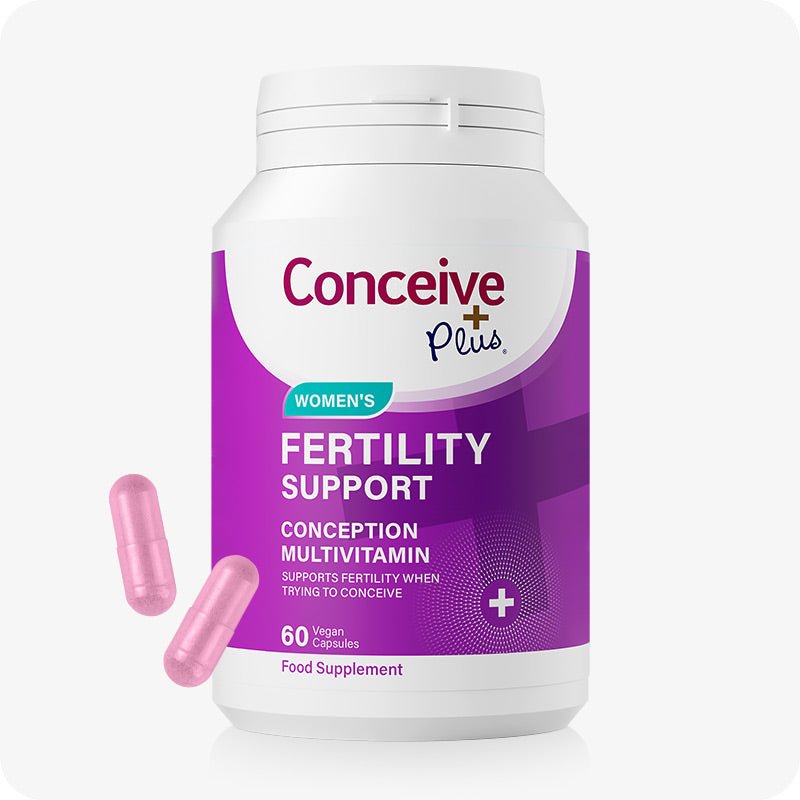
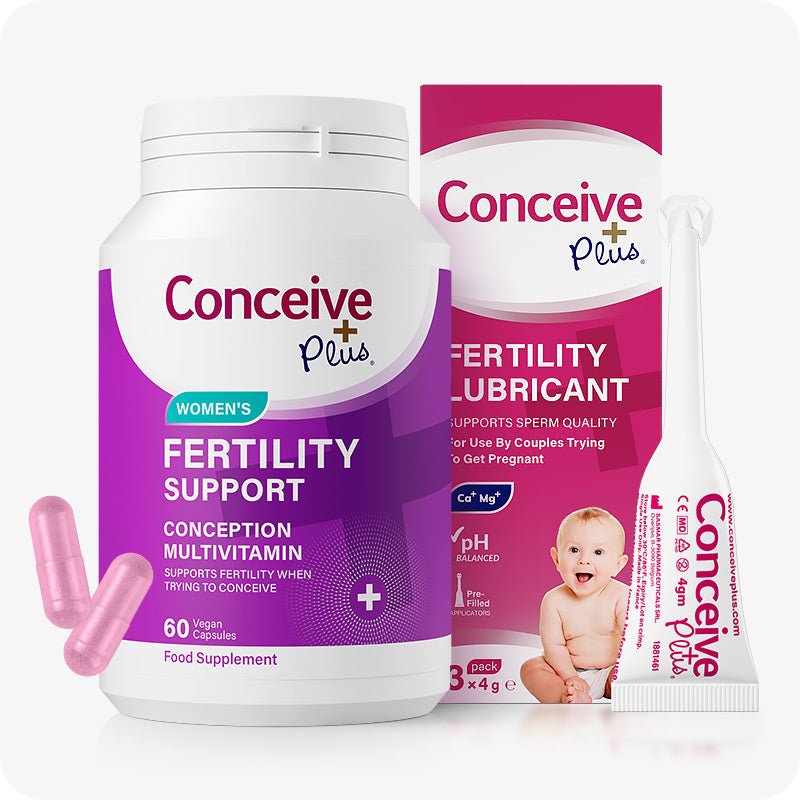
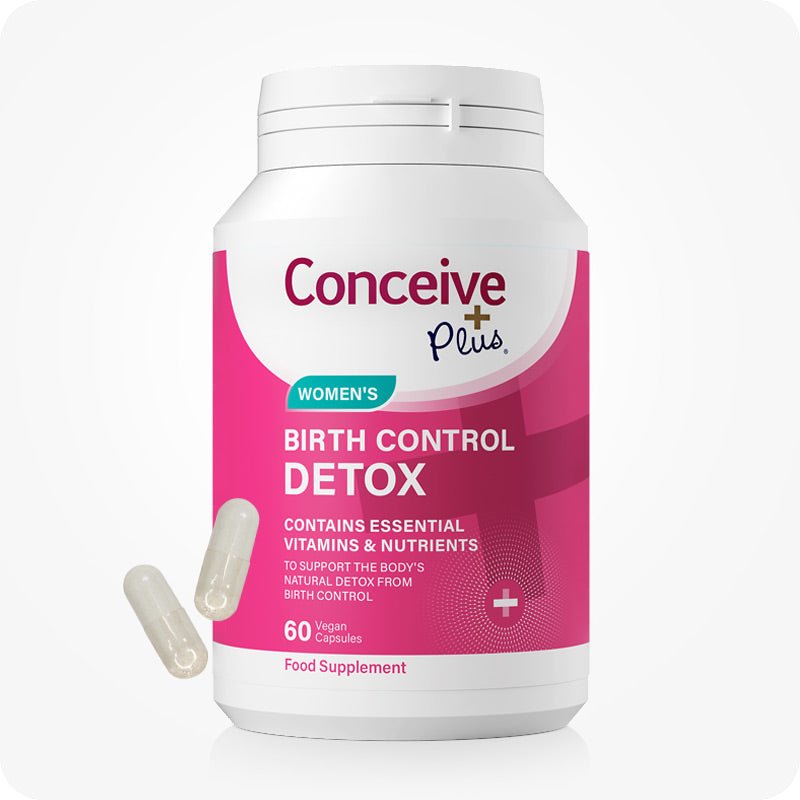
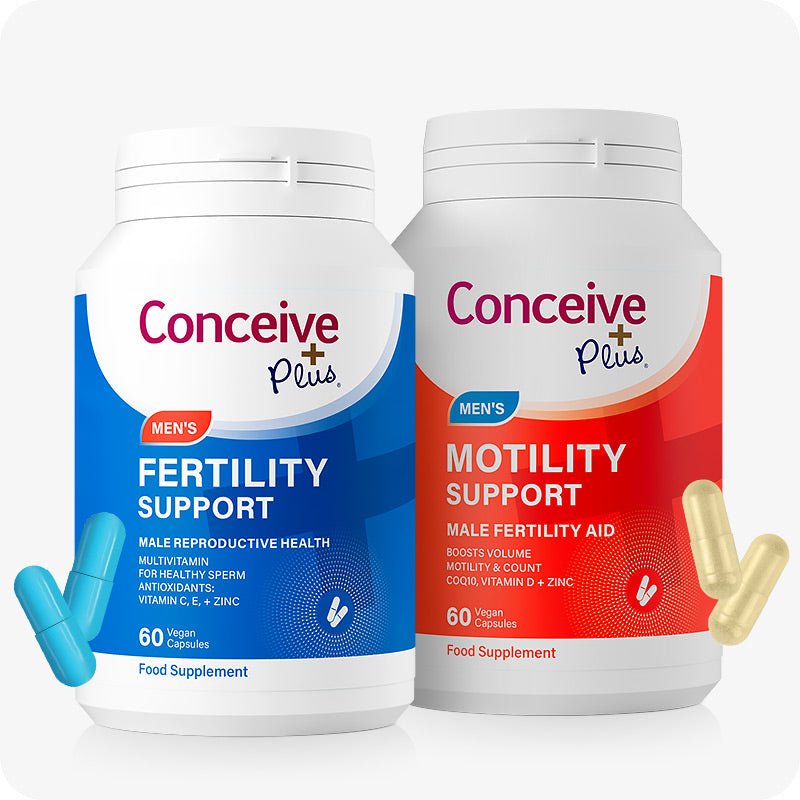
For women, nutrients like Myo-Inositol are essential for maintaining egg quality and managing the hormonal complexities often associated with PCOS. For men, Zinc and Selenium are non-negotiable for protecting sperm from oxidative stress and ensuring healthy motility. Choosing Conceive Plus His and Hers deals provides a comprehensive foundation for both partners. These supplements ensure that the 90-day maturation window is fully supported by the specific vitamins and minerals your bodies need most to thrive.
Tracking Your Window with Precision
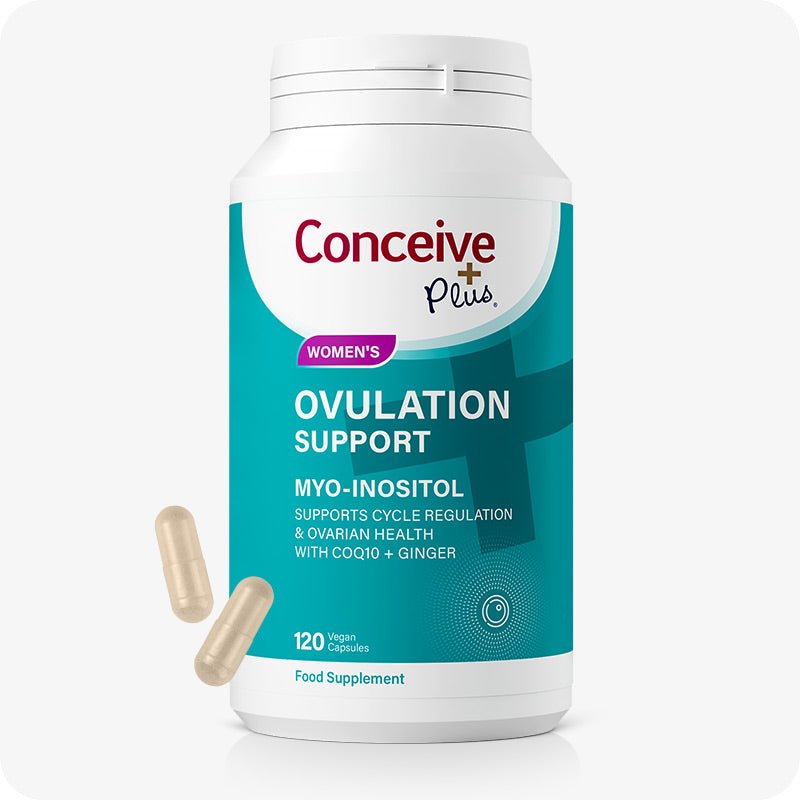
Timing is just as important as biological quality. Many couples rely on standard calendar apps that use generic algorithms, which can lead to missed opportunities and unnecessary anxiety. To ensure you're acting with precision, use the Conceive Plus Ovulation Calculator to identify your unique fertile window based on your actual cycle length. You can further optimize this process by introducing ovulation support vitamins. These are specifically formulated to help regulate your cycle and support the delicate hormonal shifts required for successful fertilization. Taking these steps moves you from a state of uncertainty into a state of empowered readiness, giving you the peace of mind that you're doing everything possible to succeed.
Your Path to a Healthy Conception Starts Today
Navigating the journey to parenthood is a deeply personal experience that requires both patience and precision. By identifying exactly what to avoid when trying to conceive, you've taken a significant step toward protecting the 90-day maturation window for both eggs and sperm. Whether it's auditing your home for environmental toxins or ensuring your intimate products are pH-balanced, these intentional choices create the biological sanctuary your body needs to prioritize a healthy pregnancy.
Since 2008, millions of couples worldwide have relied on our clinically recommended fertility-friendly lubricant to support their dreams. Our patented formula, developed by Sasmar Pharmaceuticals, is designed to work in harmony with your body's natural processes. We invite you to Shop the Full Conceive Plus Range to Support Your Journey and move forward with the peace of mind that you're doing everything possible to succeed. You've built the foundation; now, let's focus on the hope and excitement of what's to come. We're honored to be a partner in your story.
Frequently Asked Questions
Is it okay to have just one glass of wine while trying to conceive?
Experts recommend complete abstinence from alcohol when you are planning a pregnancy. Even small amounts can disrupt hormonal cycles or impact early development before you realize you've conceived. Because there is no known safe threshold for alcohol consumption during the preconception phase, choosing water or herbal infusions is the best way to protect your reproductive health. This proactive choice ensures your body is a clean and supportive environment from the very first day of fertilization.
Do energy drinks affect sperm quality or egg health?
Energy drinks can negatively impact both partners due to their high caffeine and refined sugar content. A single serving often contains a large portion of your daily 200mg caffeine limit, which is linked to delayed conception and a higher risk of early pregnancy loss. Additionally, the rapid insulin spikes caused by these drinks can interfere with ovulation and lower sperm quality, making them a key item on the list of what to avoid when trying to conceive.
Can I still go to the gym and do HIIT workouts while TTC?
You can continue to exercise, but it's wise to shift from high-intensity interval training (HIIT) to more moderate activities. Excessive physical strain can signal the body to prioritize survival over reproduction, potentially disrupting your menstrual cycle or lowering sperm counts. Brisk walking or swimming provides the benefits of movement without the hormonal stress associated with over-training. This approach helps you maintain a balanced biological environment while keeping your energy levels high for the journey ahead.
Is it true that hot baths can lower a man’s sperm count?
Yes, prolonged exposure to high temperatures from hot baths or saunas can significantly reduce sperm count and motility. Sperm production requires a temperature slightly lower than the rest of the body to function correctly. When the scrotal area is overheated, it can take several months for sperm quality to recover. It is best to stick to lukewarm showers to ensure the reproductive environment remains at an optimal temperature for the health of the sperm cells.
Should I stop taking all medications when I start trying for a baby?
You shouldn't stop any prescribed medications without first consulting your healthcare provider. While some drugs can interfere with fertility or fetal development, others are essential for your ongoing health. Your doctor can help you transition to safer alternatives or adjust dosages to ensure you are supported throughout the preconception phase. Always mention your plans to conceive during any medical appointments to receive the most accurate and safe guidance for your specific situation.
Are all "natural" lubricants safe to use during my fertile window?
Not all natural lubricants are safe for conception, as ingredients like kitchen oils or certain plant extracts can be harmful to sperm. Even if a product is labeled as natural, it may still have an acidic pH or high osmolality that hinders sperm motility. When researching what to avoid when trying to conceive, it's essential to select an FDA-cleared, fertility-friendly lubricant that is specifically formulated to be isotonic and pH-balanced to support the natural journey of sperm.
How long does it take for lifestyle changes to affect sperm quality?
It generally takes about three months for lifestyle improvements to reflect in sperm quality. This is because the cycle of sperm production and maturation lasts roughly 90 days. If you start making healthy changes today, such as improving your diet or reducing heat exposure, you can expect to see the biological benefits in the sperm that will be ready for fertilization in about twelve weeks. Consistency is key to seeing these biological improvements.
Can smoking occasionally really impact my fertility?
Yes, even occasional smoking can have a measurable impact on your ability to conceive. Chemicals in tobacco smoke accelerate the loss of eggs in women and damage the DNA within sperm cells in men. Quitting entirely is one of the most effective ways to improve your reproductive health. This change not only boosts your fertility but also ensures a safer environment for a developing fetus, reducing the risk of complications from the very start.