Fertility Myths Debunked: What Science Really Says About Conception in 2026


When you're trying to conceive, the flood of information — and misinformation — can feel overwhelming. From well-meaning relatives offering outdated advice to online forums filled with fertility myths passed down through generations, it can be genuinely difficult to separate fact from fiction. In 2026, with more scientific research on human reproduction than ever before, many long-held beliefs about conception have been thoroughly examined, tested, and in many cases, debunked.
This guide cuts through the noise to examine the most common fertility myths with clear scientific scrutiny. Whether you're just beginning your conception journey or have been trying for some time, understanding what the evidence actually says will help you focus your energy on approaches that truly matter — and let go of the ones that don't. Let's explore what modern reproductive science tells us about getting pregnant.
Myth vs. Reality: Common Misconceptions About Female Fertility
Female fertility is perhaps the most myth-laden area of reproductive health, with misconceptions ranging from the largely harmless to those that cause real anxiety and unhelpful behaviour.
Myth: Women are at their most fertile on Day 14 of their cycle.
Reality: The idea that ovulation always occurs on day 14 is one of the most persistent and potentially damaging fertility myths. This belief stems from the standard 28-day cycle model taught in school biology, but research shows that only about 13% of women with regular cycles actually ovulate on day 14. A landmark study tracking over 2,000 women found that ovulation occurred on day 14 in fewer than 30% of cycles, even in women with regular 28-day cycles. For women with shorter or longer cycles, ovulation timing shifts accordingly. Tracking ovulation through basal body temperature, ovulation predictor kits, or cervical mucus observations gives a far more accurate picture of your personal fertile window.
Myth: If your period is regular, your fertility is fine.
Reality: Regular periods are a positive sign, but they don't guarantee fertility. Regular cycles indicate that ovulation is likely occurring, but they tell us nothing about egg quality, fallopian tube health, uterine structure, or other factors that influence fertility. Conditions like endometriosis, uterine fibroids, and ovarian reserve issues can coexist with regular menstrual cycles. Regular periods are one piece of the fertility puzzle, not the entire picture.
Myth: You can always tell when you're ovulating by how you feel.
Reality: While some women do experience mid-cycle symptoms — mild pelvic pain (mittelschmerz), increased libido, or changes in cervical mucus — many women ovulate without any noticeable symptoms whatsoever. Research shows that relying on symptoms alone is insufficient for accurately identifying the fertile window. Objective methods like LH testing (ovulation predictor kits) or temperature tracking provide much more reliable identification of ovulation timing.
Debunking Male Fertility Myths
Male fertility carries its own substantial mythology, often coloured by cultural stigma that has historically made men reluctant to discuss or investigate their fertility openly.
Myth: Male fertility doesn't decline with age.
Reality: While men do remain fertile far longer than women, male fertility is not immune to the effects of ageing. Research published in Human Reproduction has shown that sperm DNA fragmentation increases significantly with age, and men over 45 face longer time-to-conception and higher rates of miscarriage compared to younger men. A large population study found that men over 45 were 12 times more likely to take more than 12 months to achieve conception compared to men under 25. The children of older fathers also show increased rates of certain genetic conditions.
Myth: If a man has fathered children before, his fertility is fine.
Reality: Male fertility can change over time due to lifestyle factors, medical conditions, medications, or simple ageing. A man who fathered a child five years ago may have different sperm parameters today. Stress, illness, exposure to toxins, and lifestyle changes can all impact sperm quality. If a couple is struggling to conceive despite a previous pregnancy, both partners should be evaluated — secondary infertility affects approximately 11% of couples in the UK.
Myth: Tight underwear significantly reduces male fertility.
Reality: This one has a kernel of scientific truth but is often overstated. There is some evidence that elevated scrotal temperature can temporarily affect sperm production, and loose underwear may contribute to slightly lower scrotal temperatures. However, the effect size is modest. A Harvard study found a link between looser underwear and better sperm parameters, but this difference alone is unlikely to resolve significant fertility challenges. While switching to boxers is a reasonable and harmless change, it's not the fertility game-changer it's sometimes portrayed as.
Evidence-Based Fertility Support
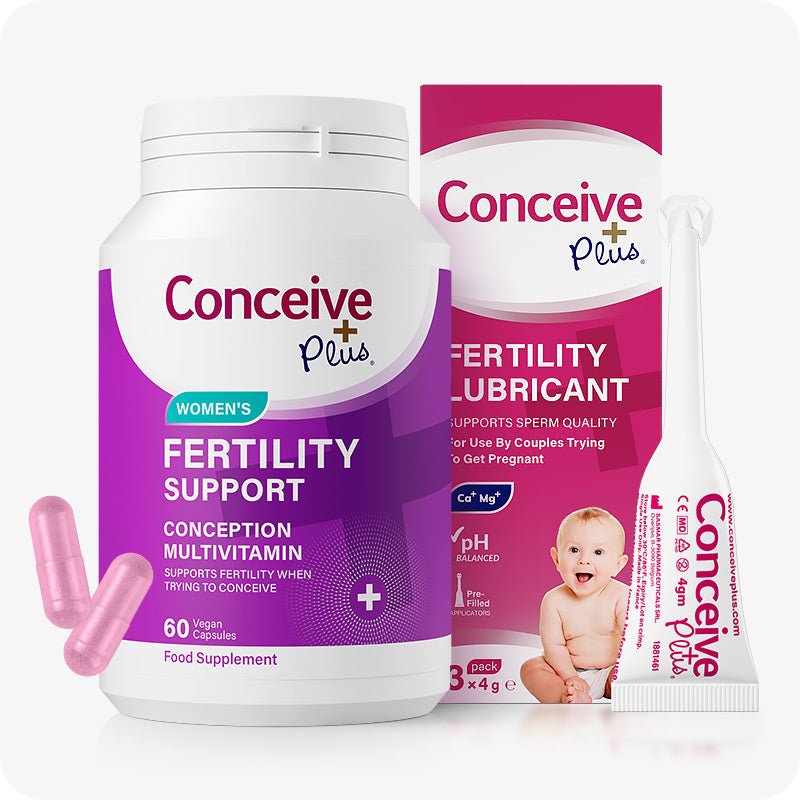
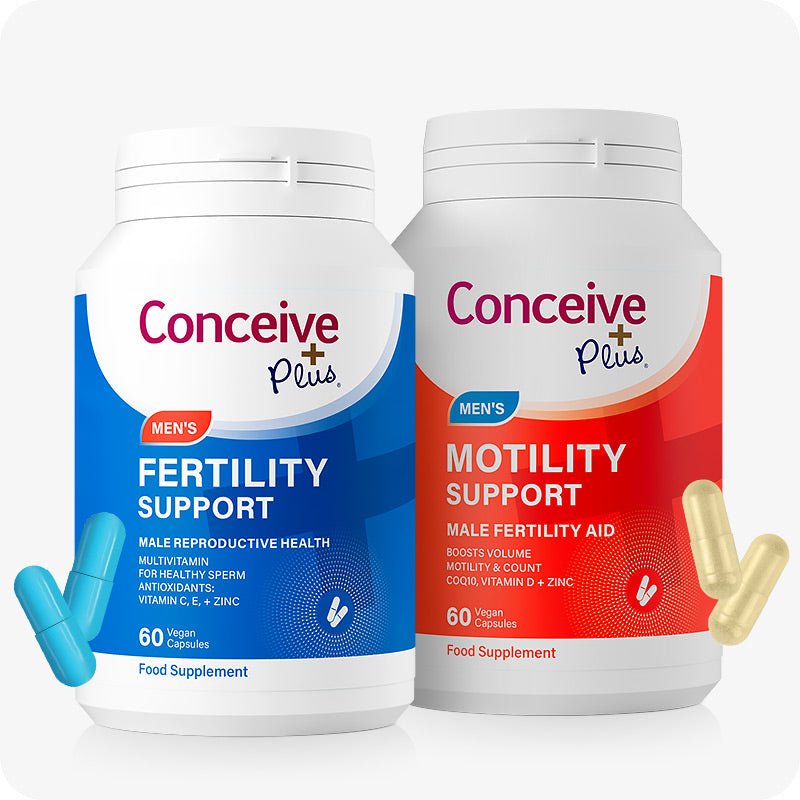
Conceive Plus offers fertility support products backed by clinical research — not myths. Our couples bundle combines targeted nutritional support for both partners to optimise reproductive health from every angle.
Myths About Timing and Intercourse
Perhaps no area of fertility advice is more myth-laden than advice about when and how to have sex when trying to conceive.
Myth: You must have sex every day during your fertile window.
Reality: Having sex every day during the fertile window is not only unnecessary but may be counterproductive for some couples. Sperm can survive in the female reproductive tract for up to 5 days, meaning that having sex every 1-2 days around ovulation provides excellent coverage without the pressure of daily sex. For men with borderline semen parameters, daily ejaculation may actually reduce sperm concentration, though total motile sperm count may remain adequate. Research suggests that having sex every 2-3 days throughout the cycle — rather than restricting it to the fertile window — optimises exposure while reducing performance anxiety.
Myth: Lying with your legs in the air after sex helps conception.
Reality: This widely practised ritual lacks scientific support. Within seconds of ejaculation, sperm begin swimming toward the cervix — they don't need gravity's assistance. Research has not demonstrated that remaining horizontal or elevating the hips after sex improves pregnancy rates. Sperm that are motile and have normal morphology will reach the cervix regardless of your post-coital position. The anxiety and awkwardness of maintaining unusual positions may actually be more detrimental to the experience than any potential benefit.
Myth: Orgasm is necessary for conception.
Reality: While there is some older research suggesting that female orgasm might help propel sperm toward the egg (the "upsuck" theory), more recent studies have not found convincing evidence that female orgasm is necessary for conception. Millions of pregnancies occur without female orgasm. However, if the question is whether a satisfying sexual relationship matters for overall wellbeing during the TTC journey — absolutely yes. Reducing the pressure and focusing on mutual enjoyment may reduce the stress that does genuinely impact fertility.
Diet and Lifestyle Myths
The intersection of diet, lifestyle, and fertility has generated enormous amounts of both valid advice and total misinformation.
Myth: A perfectly clean diet guarantees conception.
Reality: Nutrition unquestionably influences fertility, but no dietary pattern is a guarantee of conception. Many perfectly healthy people with excellent diets face fertility challenges, while people with less-than-ideal diets conceive easily. The relationship between diet and fertility is real but probabilistic — good nutrition optimises the conditions for conception without guaranteeing it. Research supports the Mediterranean diet pattern as beneficial for both male and female fertility, but this is about improving odds, not certainty.
Myth: Coffee is a fertility killer.
Reality: The research on caffeine and fertility is more nuanced than common advice suggests. High caffeine intake (more than 300mg per day, equivalent to about 3 cups of coffee) has been associated with slightly reduced fertility and increased miscarriage risk in some studies. However, moderate caffeine consumption — 1-2 cups of coffee per day — has not been convincingly linked to fertility problems in most research. The NHS advises women trying to conceive to limit caffeine to under 200mg per day, which allows for one or two cups of coffee. Cutting out coffee entirely is not supported as necessary by the current evidence.
Myth: Alcohol is only a problem during pregnancy, not when TTC.
Reality: Alcohol can affect fertility before pregnancy. In women, heavy drinking disrupts the hormonal axis governing ovulation. In men, alcohol impairs testosterone production and sperm quality. A Danish study found that even moderate alcohol consumption was associated with reduced fertility in women undergoing fertility treatments. The safest approach for both partners when actively trying to conceive is to minimise alcohol consumption.
Supplement and Medical Myths
The supplement industry has capitalised enormously on fertility concerns, generating significant confusion about what actually works and what doesn't.
Myth: Any prenatal vitamin is good enough for fertility support.
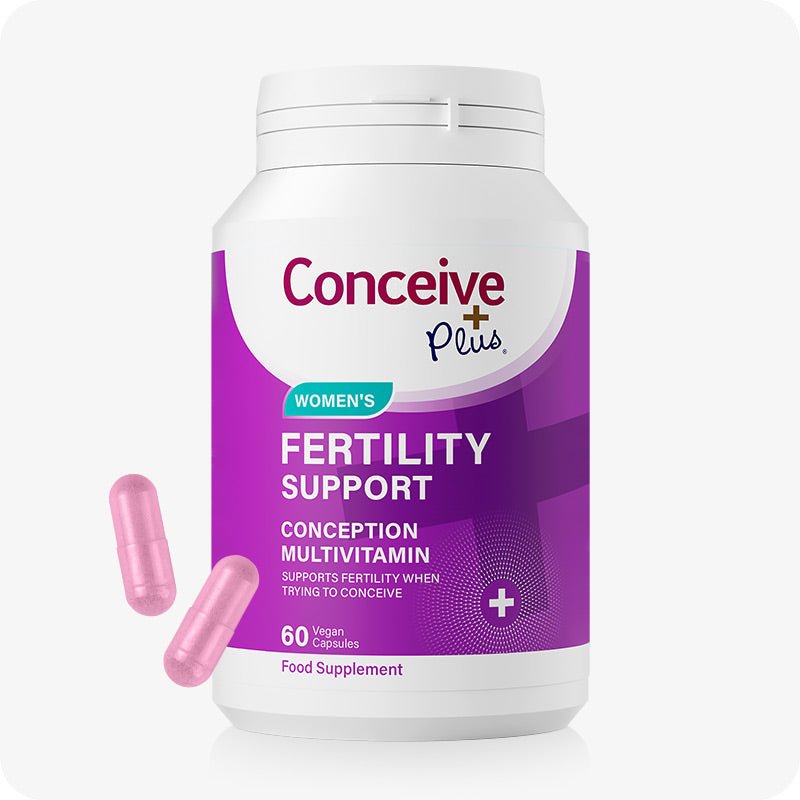
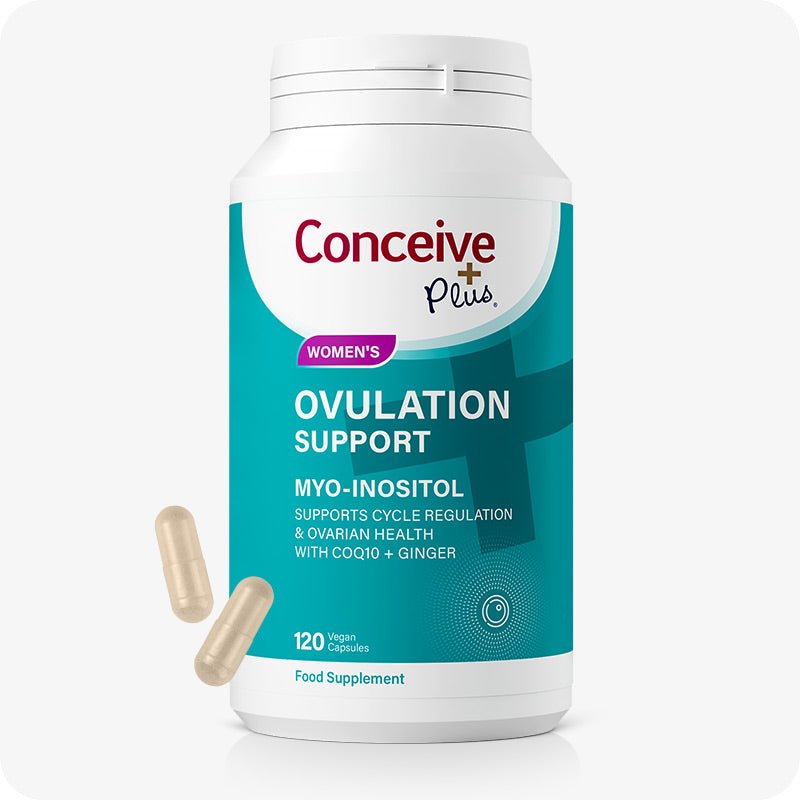
Reality: Not all prenatal supplements are created equal, and there are meaningful differences between basic prenatal vitamins and formulations specifically designed to support conception. Key considerations include the form of nutrients used (methylfolate vs. folic acid for those with MTHFR variants), the inclusion of fertility-specific nutrients like CoQ10, inositol, and antioxidants, and appropriate doses. A standard prenatal vitamin covers nutritional gaps during pregnancy but may not address specific fertility-supporting needs. Conceive Plus products are formulated with preconception nutrition specifically in mind.
Myth: Natural conception is always preferable to medical assistance.
Reality: There's nothing inherently superior about conception without medical assistance, and delaying necessary medical evaluation or treatment in pursuit of "natural" conception can reduce the chances of pregnancy, particularly as time passes. If you've been trying for 12 months without success (6 months if you're over 35), seeking evaluation is not "giving up" — it's being proactive. Many fertility interventions are minimally invasive and dramatically improve pregnancy chances.
Myth: IVF works for everyone, so there's no rush to try it.
Reality: IVF is a remarkable technology but it is not a universal solution and success rates decline significantly with age. In the UK, according to the HFEA, live birth rates per embryo transferred in 2019 were 32% for women under 35, declining to 5% for women over 42. IVF is most effective when pursued before significant age-related decline in egg quality. The idea of IVF as a guaranteed backup plan leads some couples to delay evaluation and treatment longer than is in their best interest.
Emotional and Psychological Myths
Perhaps the most harmful myths surrounding fertility are those that place blame on individuals for their struggles, often disguised as well-meaning encouragement.
Myth: "Just relax and it will happen."
Reality: This advice, while often well-intentioned, is both scientifically oversimplified and potentially harmful. While chronic severe stress does have documented negative effects on fertility hormones, the vast majority of fertility challenges have identifiable physical causes that relaxation alone will not resolve. Telling someone struggling with unexplained infertility, blocked tubes, endometriosis, or severe male factor infertility to "just relax" dismisses their experience and may delay appropriate medical evaluation. Stress management is a valuable component of overall fertility health, but it's not a treatment for structural or pathological fertility issues.
Myth: Fertility problems are primarily a women's issue.
Reality: This persistent myth causes real harm by delaying male fertility evaluation and placing disproportionate physical and emotional burden on women. Research consistently shows that male factor infertility contributes to approximately 40-50% of all fertility challenges. In the UK, approximately 1 in 20 men has some degree of reduced fertility. Comprehensive fertility evaluation of both partners from the outset is not only scientifically appropriate but essential for an efficient path to conception.
Moving Forward With Evidence-Based Confidence
Understanding what the science actually says about fertility empowers you to make better decisions on your conception journey. The myths discussed here aren't just intellectual curiosities — they shape behaviour, create unnecessary anxiety, and in some cases delay interventions that could genuinely help.
The most evidence-backed approach to optimising fertility includes: tracking ovulation accurately rather than relying on calendar estimates, ensuring both partners are evaluated when there are concerns, prioritising sleep, nutrition, and stress management, supplementing thoughtfully with evidence-based formulations, and seeking timely medical advice when appropriate. These evidence-backed strategies, rather than the myths, are your best tools for a successful conception journey.
Science-Backed Support for Your Journey
Skip the myths and choose evidence-based fertility support. The Conceive Plus Bundle provides comprehensive nutritional support for both partners, formulated with clinically studied ingredients designed to support reproductive health.
Frequently Asked Questions About Fertility Myths
Is it true that stress causes infertility?
Chronic, severe stress can affect hormone levels and ovulation, but for most people, stress alone does not cause infertility. Most fertility challenges have identifiable physical causes. That said, managing stress is beneficial for overall health and wellbeing during the TTC journey, and there is evidence that stress-reduction interventions can improve outcomes for some people undergoing fertility treatments.
Does the position you have sex in affect your chances of getting pregnant?
No sexual position has been scientifically proven to increase the likelihood of conception. Sperm are strong swimmers that begin moving toward the cervix within seconds of ejaculation regardless of gravity. Focus on enjoying the experience rather than contorting into supposedly fertility-enhancing positions.
Can you get pregnant during your period?
While uncommon, it is possible to get pregnant from sex during a period, particularly in women with shorter cycles. If a woman has a short cycle (e.g., 21 days) and a longer period, sperm from sex during menstruation could survive until ovulation occurs shortly after the period ends. This is why cycle length and individual variation matter more than calendar-based generalizations.
Is it true that fertility declines sharply at 35?
The decline in female fertility with age is real but the "cliff at 35" narrative is somewhat exaggerated. Fertility does begin declining more noticeably in the mid-30s and decreases more sharply after 37-38, but the transition is gradual rather than a sudden drop at 35. The 35 threshold is a clinical guideline for earlier evaluation, not a biological deadline. Many women conceive naturally into their late 30s and early 40s.
Do lubricants really affect fertility?
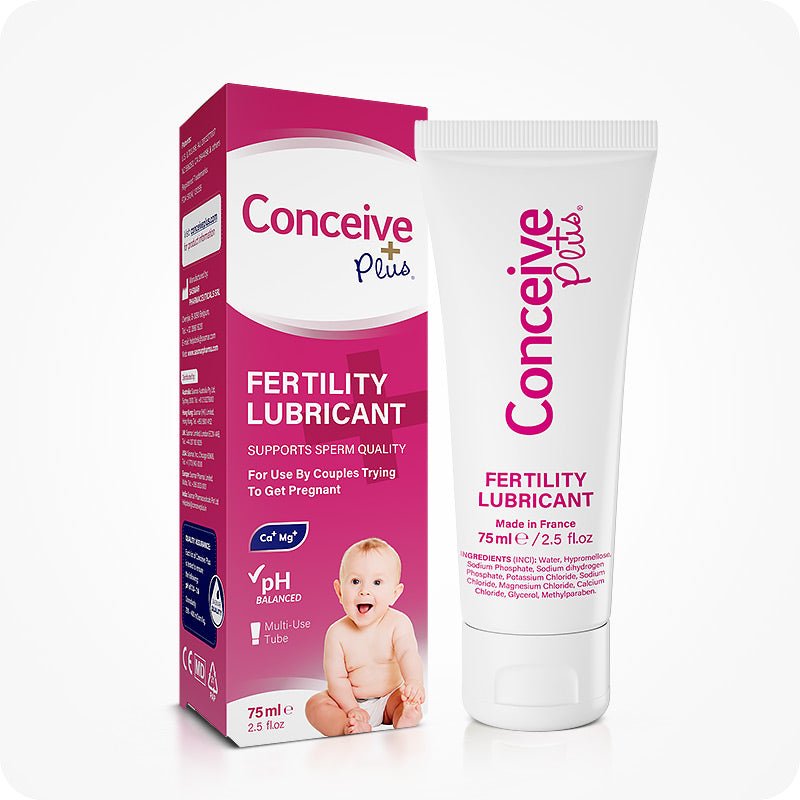
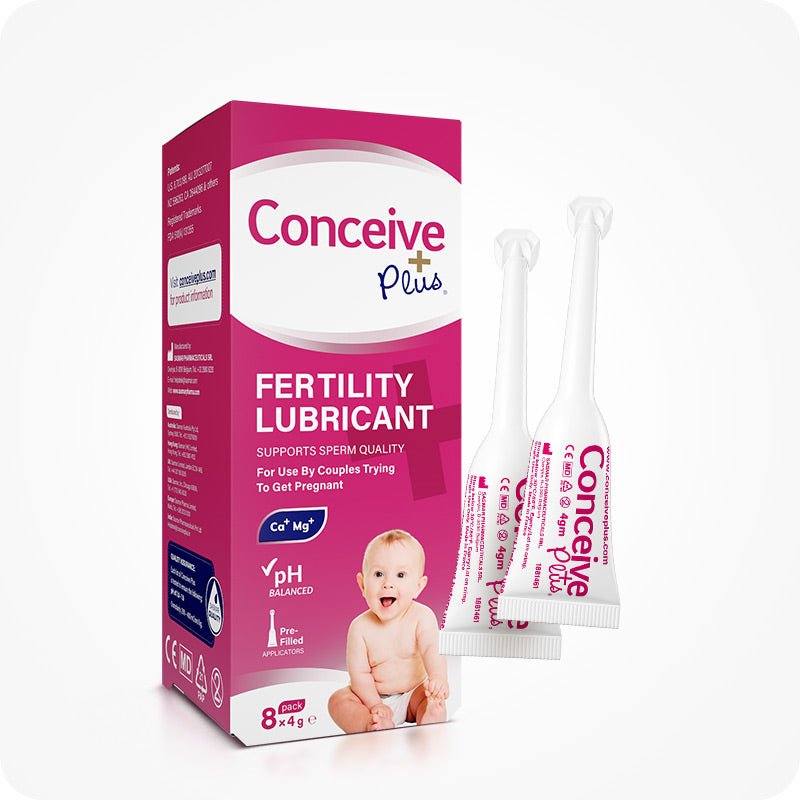
Some conventional lubricants are indeed toxic to sperm. Studies have shown that certain water-based and silicone lubricants significantly reduce sperm motility. Fertility-specific lubricants formulated to be pH-appropriate and osmolality-balanced, such as those from Conceive Plus, are designed to be sperm-friendly. If you use a lubricant when TTC, choosing one specifically formulated for conception is advisable.
Can eating pineapple core improve implantation?
The pineapple core and implantation trend, based on the anti-inflammatory properties of bromelain, lacks clinical evidence. There are no human studies demonstrating that eating pineapple improves implantation rates. While pineapple is a nutritious food and harmless to include in your diet, it should not be relied upon as a fertility intervention.
Is it true that you can't get pregnant if you've been on the pill for years?
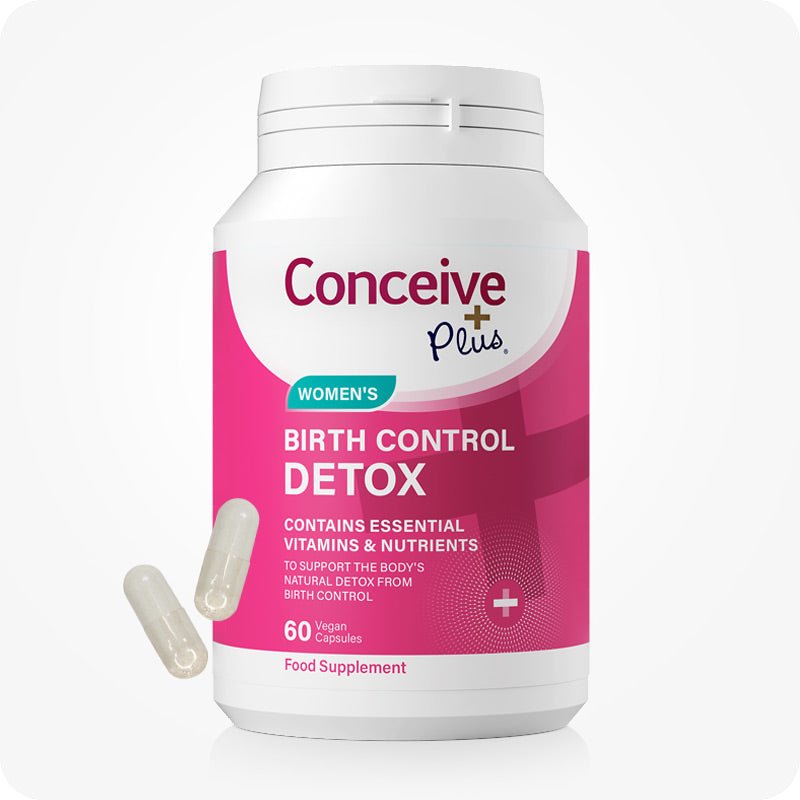
Long-term oral contraceptive use does not cause permanent fertility impairment. Fertility typically returns within 1-3 months of stopping the pill, though it may take up to 6 months for cycles to fully regularise. Large studies have found no difference in long-term pregnancy rates between women who used oral contraceptives and those who didn't.
Does drinking green tea improve fertility?
Green tea contains antioxidants that support general health, and there is some laboratory evidence that EGCG (a green tea catechin) has fertility-relevant properties. However, clinical evidence in humans is limited. Green tea also contains caffeine, which in large amounts may affect fertility. Moderate green tea consumption as part of a balanced diet is unlikely to be harmful, but it's not a proven fertility treatment.
Can irregular periods always mean you're not ovulating?
Not necessarily. Many women with irregular cycles do ovulate, just at less predictable times. However, very irregular cycles (particularly those shorter than 21 days or longer than 35 days) can indicate ovulatory dysfunction. Using ovulation prediction kits or tracking basal body temperature helps identify whether and when ovulation is occurring regardless of cycle regularity.