Fertility Testing: A Complete Guide to Understanding Your Reproductive Health in United Kingdom


Fertility Testing: A Complete Guide to Understanding Your Reproductive Health in United Kingdom
Fertility testing can feel like stepping into an intimidating world of unfamiliar medical terminology, blood draws, and ultrasound wands. Yet it is one of the most empowering steps a person or couple can take on the path to parenthood. Whether you have been trying for a few months or a few years, understanding your reproductive health through comprehensive testing removes guesswork, identifies obstacles, and opens the door to targeted treatment. In United Kingdom, access to fertility diagnostics has expanded significantly, and knowing what tests are available — and when to pursue them — can save months or even years of frustration.
This guide walks through the full spectrum of fertility testing, from at-home ovulation predictor kits to advanced clinic-based diagnostics. We will cover what each test measures, what the results mean, and how to use that information to make informed decisions about your fertility journey.
When Should You Get Tested?
The question of when to begin fertility testing is one of the most common — and most important — questions couples ask. The general guidelines supported by major fertility organisations are:
Under 35: If you have been trying to conceive through regular, unprotected intercourse for 12 months without success, it is time to seek evaluation. Approximately 85% of couples conceive within one year, so the remaining 15% warrant investigation.
35-37: After six months of trying without success, testing is recommended. The six-month threshold reflects the declining ovarian reserve and reduced egg quality that accelerate in the mid-thirties.
Over 38: Many specialists recommend seeking evaluation after just three to six months of trying, or even proactively before starting. At this age, time is a critical factor, and early testing can identify issues before they become harder to treat.
Known risk factors: If you have a history of irregular periods, endometriosis, PCOS, pelvic inflammatory disease, repeated miscarriage, prior cancer treatment, or a known male factor (such as a previous vasectomy or varicocele), testing should begin regardless of how long you have been trying.
It is important to remember that fertility testing is not an admission of failure. It is an act of agency. Couples who test early and identify issues promptly have significantly better outcomes than those who wait years before seeking help.
Female Fertility Tests: What to Expect
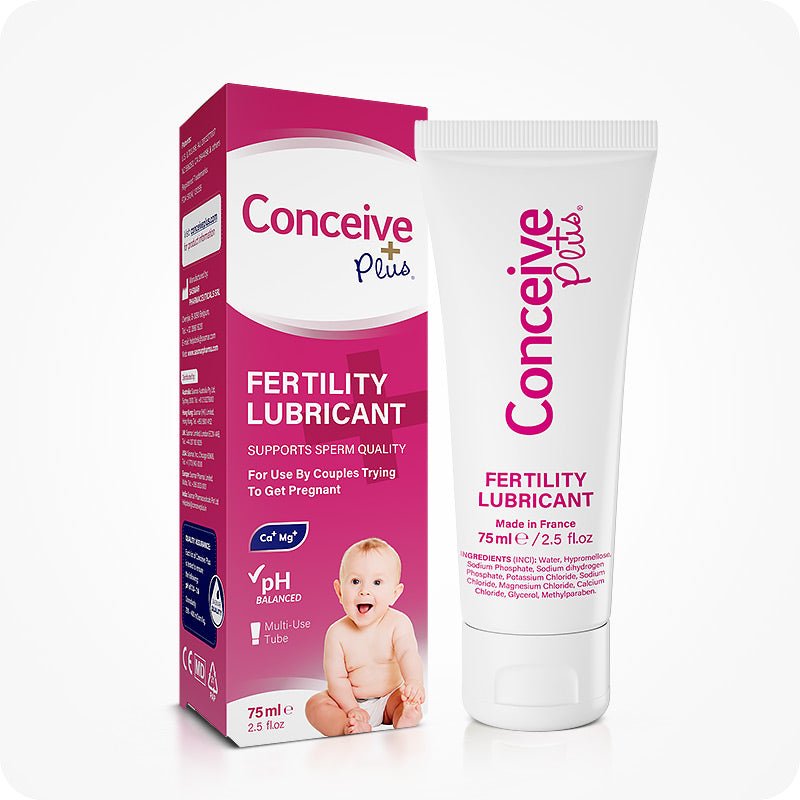
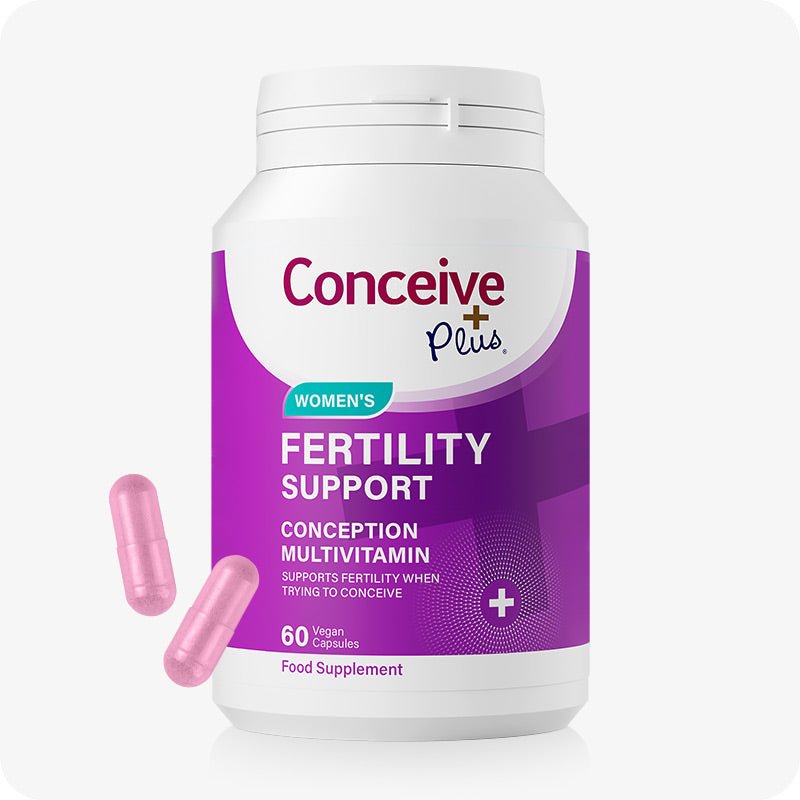
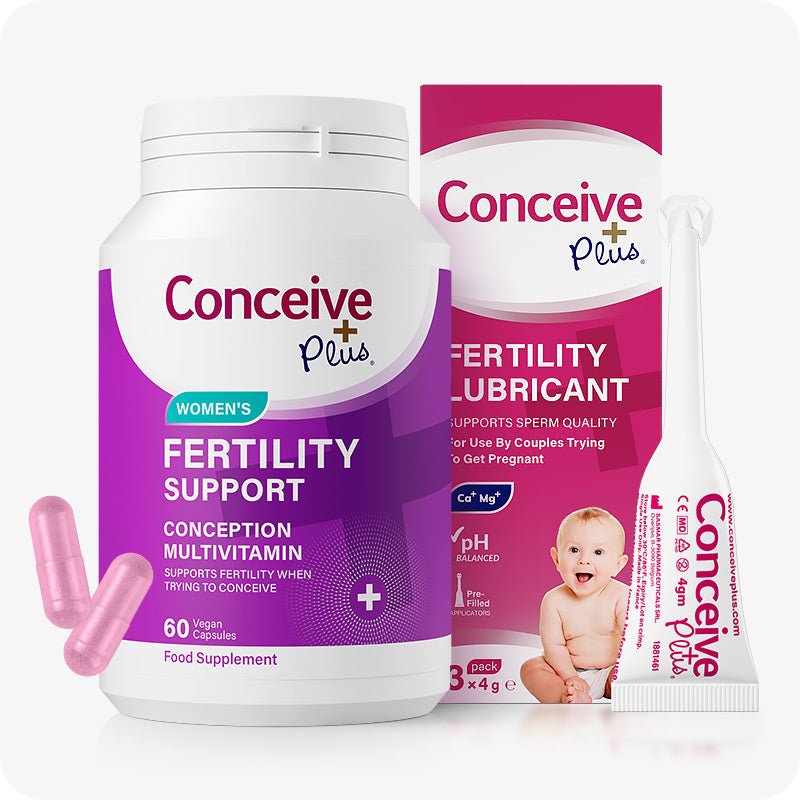
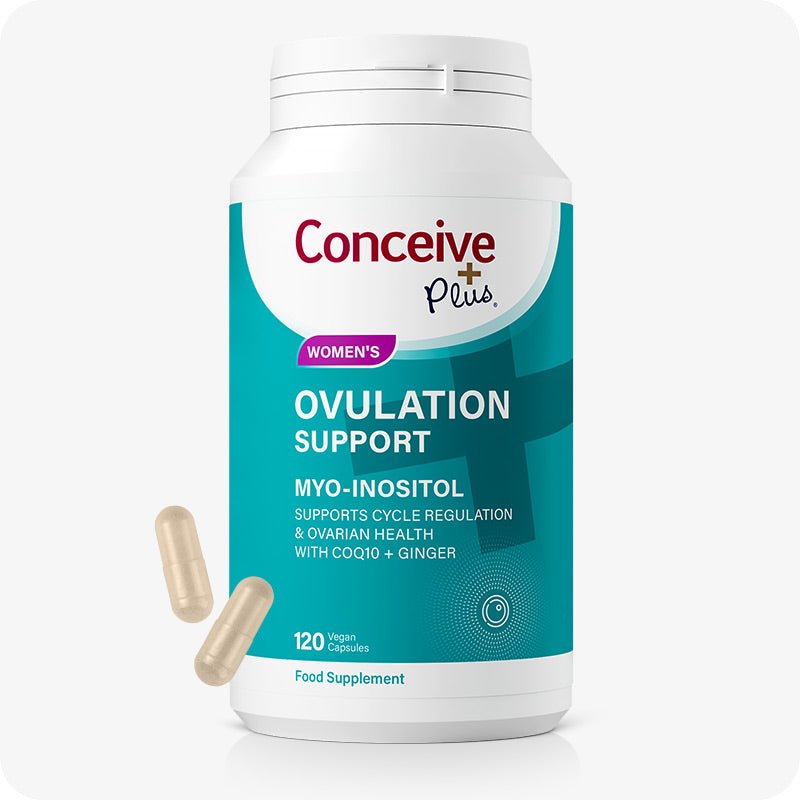
Support Your Fertility Journey with Conceive Plus
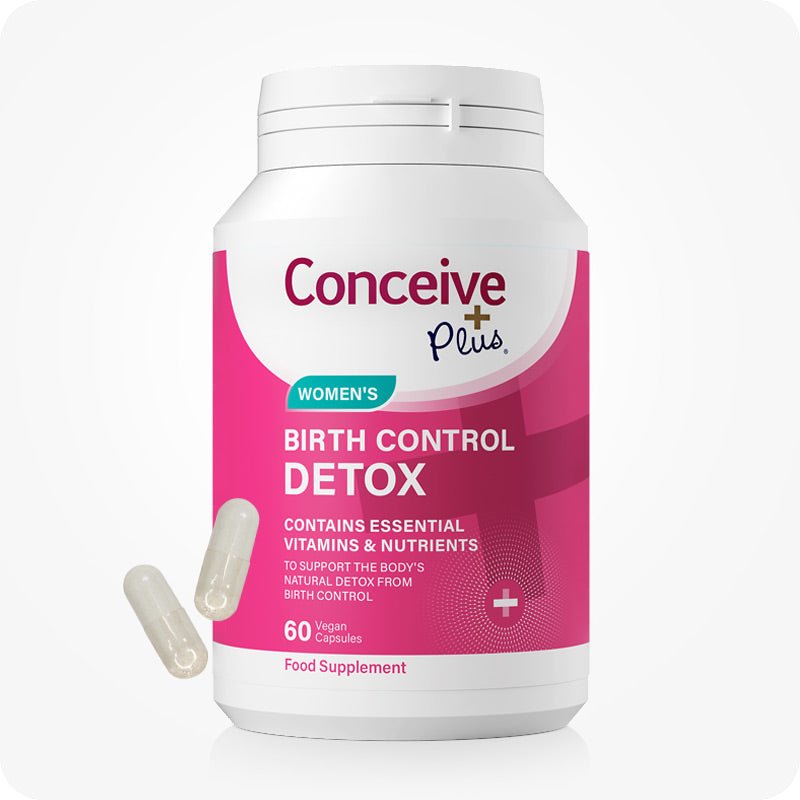
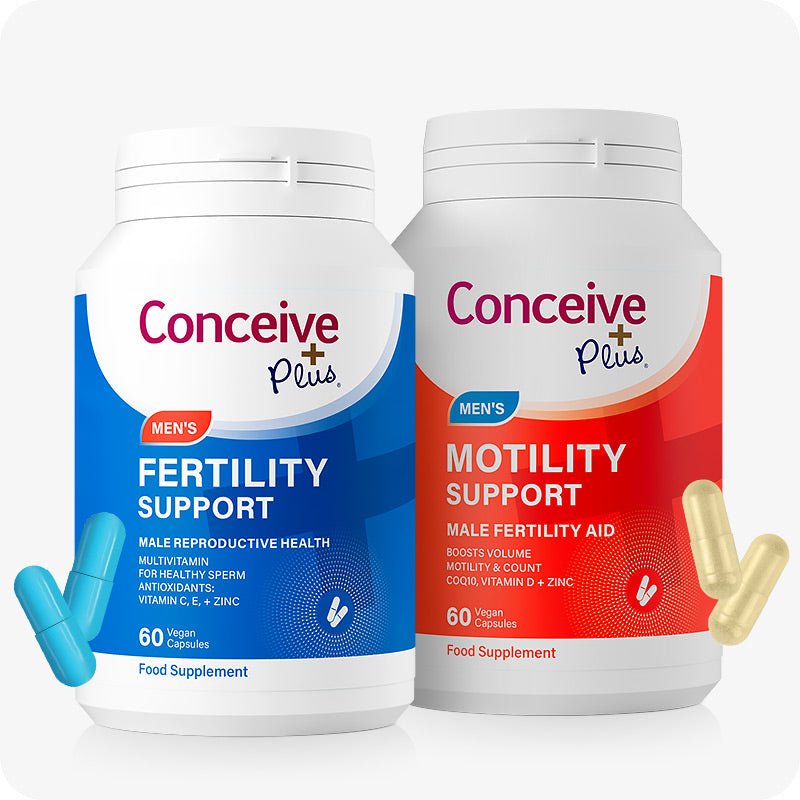
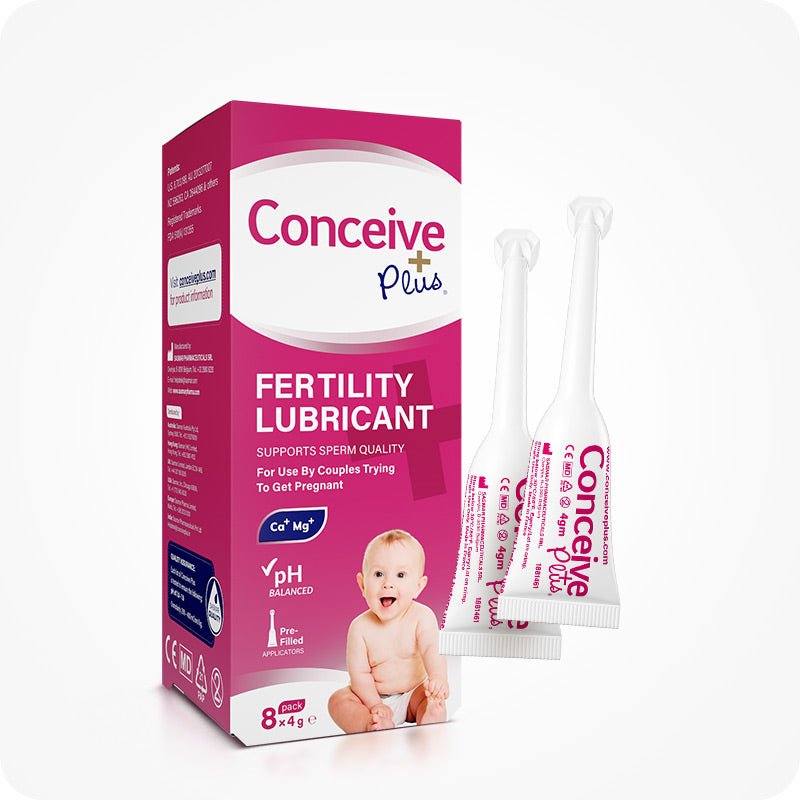
Whether you're just starting out or have been trying for a while, the Conceive Plus fertility support range is scientifically formulated to support your fertility naturally. From comprehensive prenatal nutrition to targeted fertility support for both partners, our range is formulated on the latest reproductive science. Explore our full range and find what's right for you.
Female fertility testing typically follows a phased approach, beginning with non-invasive tests and progressing to more detailed diagnostics if initial results raise questions.
Day 3 Hormone Panel
Blood drawn on day 2 or 3 of your menstrual cycle measures several key hormones:
• FSH (Follicle-Stimulating Hormone): Elevated FSH (above 10-15 mIU/mL, depending on the lab) suggests diminished ovarian reserve, as the brain is working harder to stimulate the ovaries.
• Oestradiol (E2): Should be low on day 3 (under 50 pg/mL). Elevated early-cycle oestradiol can suppress FSH and mask a reserve problem.
• LH (Luteinising Hormone): An elevated LH-to-FSH ratio (greater than 2:1 or 3:1) can be a marker for PCOS.
• AMH (Anti-Müllerian Hormone): Though AMH can be tested on any day of the cycle, it is often included in the day 3 panel. AMH reflects the number of remaining follicles and is one of the best indicators of ovarian reserve. Levels below 1.0 ng/mL suggest low reserve.
Ovulation Confirmation
Tracking ovulation is fundamental to fertility evaluation. Methods include:
• Ovulation predictor kits (OPKs): Urine tests that detect the LH surge preceding ovulation by 24-36 hours.
• Basal body temperature (BBT) charting: A sustained temperature rise of 0.2-0.5°C after ovulation confirms that ovulation occurred.
• Progesterone blood test: Drawn approximately 7 days after ovulation (day 21 of a 28-day cycle). A level above 10 ng/mL (unmedicated) or 15 ng/mL (medicated) confirms ovulation.
• Mid-cycle ultrasound: Transvaginal ultrasound around ovulation time can visualise a dominant follicle and confirm egg release.
Transvaginal Ultrasound
Antral follicle count (AFC) is performed via transvaginal ultrasound in the early follicular phase (days 2-5). The sonographer counts the small follicles visible in both ovaries. A total AFC of 8-15 is considered normal. A low AFC correlates with reduced ovarian reserve. This scan also evaluates ovarian volume, identifies cysts, and can detect signs of PCOS (enlarged ovaries with multiple peripheral follicles).
Hysterosalpingogram (HSG)
This X-ray procedure evaluates the shape of the uterine cavity and whether the fallopian tubes are open. A contrast dye is injected through the cervix, and X-ray images capture the dye flowing through the tubes and spilling into the pelvis. Blocked tubes — often caused by pelvic inflammatory disease, endometriosis, or prior surgery — prevent sperm from reaching the egg. Approximately 10-15% of infertile women have tubal factor infertility, making the HSG a critical diagnostic. The procedure can be temporarily uncomfortable, causing cramping similar to menstrual pain.
Hysteroscopy and Laparoscopy
If the HSG reveals abnormalities, or if other symptoms suggest structural issues, a hysteroscopy (camera through the cervix into the uterus) or laparoscopy (camera through small abdominal incisions) may be recommended. These procedures can both diagnose and treat issues — removing polyps, fibroids, scar tissue, or endometriosis in the same session.
Male Fertility Tests: The Semen Analysis and Beyond
Male factor infertility contributes to approximately 50% of all infertility cases, yet men are tested far less often than women — a disparity that needs to change. The male fertility work-up is typically simpler, faster, and less invasive than the female equivalent.
Basic Semen Analysis
A semen sample, produced after 2-5 days of abstinence, is evaluated against WHO 2021 criteria:
• Volume: 1.4 mL or more
• Sperm concentration: 16 million/mL or more
• Total count: 39 million or more per ejaculate
• Total motility: 42% or more
• Progressive motility: 30% or more
• Morphology (strict Kruger): 4% or more normal forms
• Vitality: 54% or more live sperm
If any parameter falls below these thresholds, the test should be repeated after 2-4 weeks, as semen parameters can fluctuate significantly due to illness, stress, or lifestyle factors.
Advanced Sperm Tests
If the basic analysis is abnormal or if there is a history of recurrent pregnancy loss or failed IVF, further testing may include:
• Sperm DNA fragmentation index (DFI): Measures the percentage of sperm with damaged DNA. A DFI above 25-30% is associated with reduced fertilisation, higher miscarriage rates, and lower IVF success. This test is increasingly recommended even when standard parameters appear normal.
• Sperm chromatin dispersion test: An alternative method of assessing DNA integrity.
• Hormone panel: Testosterone, FSH, LH, and oestradiol to evaluate the hormonal axis driving sperm production.
• Scrotal ultrasound: To detect varicoceles (enlarged scrotal veins found in up to 40% of infertile men), tumours, or structural abnormalities.
At-Home Male Fertility Tests
Several at-home sperm test kits are available in United Kingdom, offering varying levels of insight. Some measure only sperm concentration, while others provide a more comprehensive picture including motility. While convenient, these tests should not replace a full laboratory semen analysis, which provides a more complete and accurate assessment.
Genetic Testing and Preconception Screening
For some couples, genetic factors contribute to infertility or pregnancy loss. Preconception genetic carrier screening is increasingly recommended, particularly for couples with a family history of genetic conditions or from populations with higher carrier rates for specific diseases.
Karyotyping — A blood test that examines chromosomes for abnormalities. Translocations, inversions, or chromosomal deletions can cause recurrent miscarriage or infertility.
Cystic Fibrosis Gene Mutations — In men with azoospermia (no sperm in the ejaculate), mutations in the CFTR gene (associated with cystic fibrosis) can cause congenital absence of the vas deferens. Identifying this guides treatment toward surgical sperm retrieval combined with IVF/ICSI.
Carrier Screening — Blood or saliva tests can identify whether one or both partners carry gene mutations for conditions such as sickle cell disease, thalassaemia, Tay-Sachs disease, and spinal muscular atrophy. If both partners are carriers, options include IVF with preimplantation genetic testing (PGT) to select unaffected embryos.
Understanding Your Results
Receiving fertility test results can be emotionally charged. Normal results bring relief, while abnormal results can feel devastating. It is important to interpret results in context:
One abnormal test does not define your fertility. Semen analysis can be affected by a recent fever, and AMH can vary between cycles. Trends over multiple tests are more meaningful than a single data point.
"Unexplained infertility" is a real diagnosis. Approximately 15-30% of couples undergo extensive testing with all results coming back normal. This does not mean nothing is wrong — it means current testing technology cannot identify the specific issue. Many couples with unexplained infertility go on to conceive, either naturally or with treatment.
Results guide treatment, not destiny. A low AMH does not make pregnancy impossible. A varicocele is treatable. Blocked tubes can sometimes be repaired. Every result opens a corresponding set of options, and fertility treatments have advanced dramatically in recent years.
Frequently Asked Questions About Fertility Testing
Q: How much does fertility testing cost in United Kingdom?
A: Costs vary widely depending on the tests performed and whether they are covered by insurance or national health services. A basic work-up (day 3 hormones, AMH, semen analysis, and ultrasound) may range from modest out-of-pocket costs to several hundred in private settings. Contact your healthcare provider or local fertility clinic for specific pricing.
Q: Does fertility testing hurt?
A: Most tests involve blood draws, which cause brief discomfort. The HSG can cause temporary cramping. Transvaginal ultrasound may feel slightly uncomfortable but is not painful. Hysteroscopy and laparoscopy are performed under sedation or anaesthesia.
Q: Can I do fertility testing before I start trying to conceive?
A: Yes, and many specialists encourage it, especially for women over 30. Knowing your baseline ovarian reserve and hormone levels can help you make informed decisions about family planning timelines.
Q: How long does a full fertility work-up take?
A: A basic work-up can be completed within one menstrual cycle (approximately 4-6 weeks), as certain tests must be timed to specific cycle phases. More advanced testing, including genetic tests and surgical evaluations, may extend the timeline.
Q: Should my partner get tested at the same time?
A: Absolutely. Because male factor contributes to 50% of infertility cases, the male partner should have a semen analysis at the same time the female partner begins her work-up. Testing both partners simultaneously saves significant time.
Q: What if all my tests come back normal?
A: If both partners have normal results after 12 months of trying, the diagnosis is unexplained infertility. Your doctor may recommend continuing to try naturally, using ovulation induction, or proceeding to IUI or IVF depending on your age and timeline.
Q: Can lifestyle changes improve test results?
A: Yes. Sperm parameters, in particular, can improve significantly within 2-3 months of lifestyle changes — quitting smoking, reducing alcohol, improving diet, and taking targeted supplements. AMH, however, does not improve with lifestyle changes, as it reflects the underlying ovarian reserve.
Q: Is AMH the most important fertility test?
A: AMH is a valuable indicator of ovarian reserve, but it is not a complete picture of fertility. A woman with low AMH can still conceive naturally, and a woman with high AMH may have PCOS-related ovulation issues. AMH should always be interpreted alongside AFC, FSH, and clinical history.
Q: Does a low sperm count mean I cannot have children?
A: No. Even with significantly reduced sperm counts, pregnancy is often possible through IUI, IVF, or ICSI, where a single sperm is injected directly into the egg. The key is identifying the issue and choosing the right treatment path.
Q: How often should fertility tests be repeated?
A: If results are abnormal, semen analysis should be repeated within 2-4 weeks. Hormone panels may be repeated in a subsequent cycle. If results are normal, repeat testing is generally not necessary unless your clinical situation changes.
Ready to Take the Next Step?
Conceive Plus has helped thousands of couples on their path to parenthood. From comprehensive prenatal nutrition to targeted fertility support for both partners, our range is formulated on the latest reproductive science. Explore the Conceive Plus fertility support range — trusted by healthcare professionals and couples around the world.