What Does Ovulation Pain Feel Like? A Guide to Mittelschmerz and Your Fertile Window


What if that sharp, sudden twinge in your lower abdomen wasn't a cause for alarm, but actually a biological flare signaling your peak fertility? It's natural to feel a sense of unease when you experience unexpected pelvic discomfort mid-cycle. You might find yourself wondering what does ovulation pain feel like and whether the sensation you're tracking is a healthy part of your reproductive rhythm. This discomfort, known clinically as Mittelschmerz, often brings more questions than answers, especially when generic cycle-tracking apps provide vague predictions that don't quite align with your lived experience.
We recognize that navigating the nuances of your cycle can feel overwhelming, particularly when you're trying to pinpoint the exact moment of your fertile window. Recent 2026 updates in federal health guidance have placed a renewed focus on fertility-awareness-based methods, emphasizing the importance of understanding your body's unique cues. This guide is designed to replace uncertainty with clinical clarity. You'll discover how to identify these specific sensations, understand where they fall in your timeline after a period, and learn how to use these signals to optimize your journey toward conception. We will explore the science behind the pain and provide actionable steps to help you harness your body's natural signals with confidence.
Key Takeaways
- Identify the distinct physical sensations of Mittelschmerz, ranging from sharp, localized twinges to a rhythmic pelvic fullness.
- Learn to differentiate healthy cycle signs from underlying concerns by understanding what does ovulation pain feel like versus more serious pelvic symptoms.
- Master the timing of your follicular phase to predict how many days after your period ovulation typically occurs in your unique cycle.
- Shift your conception strategy to include intimacy before the pain begins, ensuring sperm is present before the physical signs of ovulation appear.
- Support your body's natural processes with a holistic focus on targeted nutrition and reproductive wellness for both partners.
The Sensation of Mittelschmerz: What Does Ovulation Pain Feel Like?
Many people describe a sudden, localized discomfort that occurs mid-cycle, often leaving them wondering what does ovulation pain feel like and whether it's a normal part of their reproductive health. This sensation is known medically as Mittelschmerz, a German word translating to "middle pain." It typically manifests as a one-sided ache in the lower abdomen, occurring roughly two weeks before your next period begins. This discomfort isn't just a random occurrence; it's a physiological signal that your body is preparing to release an egg.
Because most individuals alternate which ovary releases an egg each month, you might notice the pain switches sides from cycle to cycle. One month it's a sharp twinge on the right; the next, it's a dull pressure on the left. Beyond the pain itself, you may observe secondary signs like a slight increase in clear, stretchy cervical mucus or even light spotting, often called ovulation bleeding. These are all healthy markers of your fertile window that provide a sense of partnership with your body's natural rhythm.
To better understand this concept and why these sensations occur, watch this helpful video:
Sharp Twinges vs. Persistent Dull Aches
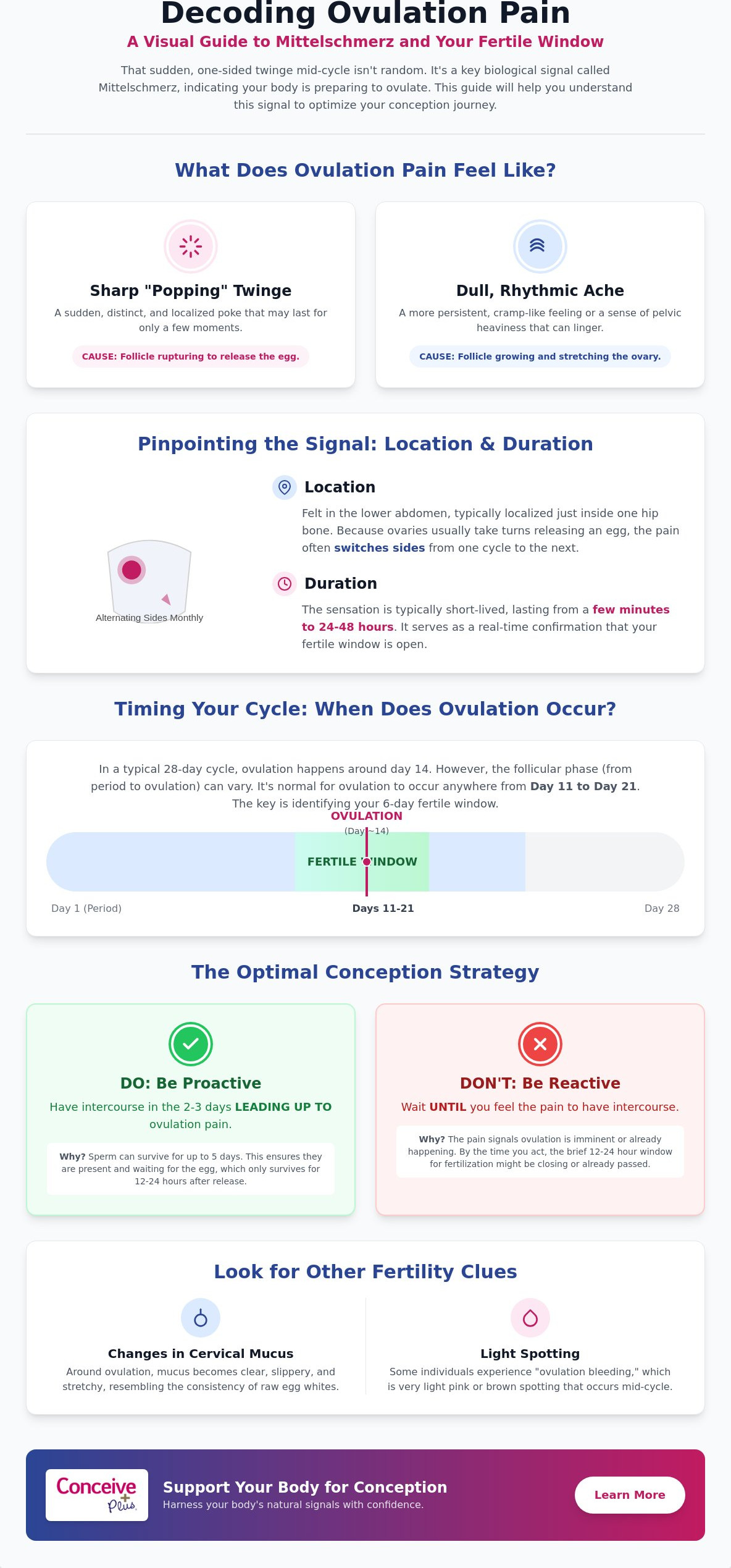
The physical experience of ovulation varies significantly between individuals. Some describe a sudden, "popping" sensation or a sharp twinge that lasts only a few seconds. This is often thought to be the moment the mature follicle actually ruptures to release the egg. Others experience a more persistent, dull rhythmic cramp or a sense of pelvic heaviness. This duller ache can be caused by the follicle growing and stretching the surface of the ovary in the days leading up to its release. While the intensity can vary, it is usually mild enough to be managed with gentle movement or heat. Understanding these variations helps clarify what does ovulation pain feel like for your specific body, as everyone's "fertility flare" is unique.
Location and Duration: Where and How Long?
Most people feel this discomfort in the lower abdomen, generally tucked just inside the hip bone. It's distinct from general bloating because of its specific, localized nature. In terms of timing, Mittelschmerz is typically short-lived. It might last for just a few minutes, though it's common for a lingering ache to persist for 24 to 48 hours. If you're tracking your cycle to conceive, noticing this window is incredibly helpful. It provides a tangible, real-time confirmation of your body's rhythm. This short-lived mid-cycle pain is generally a positive sign of a functioning cycle, offering you the certainty and confidence needed to navigate your journey to parenthood.
Timing Your Cycle: How Long After Your Period Do You Ovulate?
Many people find themselves asking what does ovulation pain feel like as they attempt to map out their fertile days. Once you recognize these specific sensations, the next logical question is when they actually occur. In a textbook 28-day cycle, ovulation usually happens around day 14. However, bodies rarely follow a perfect script. The follicular phase, which is the time from the first day of your period until an egg is released, can vary significantly. While the average is two weeks, it's entirely normal for ovulation to occur as early as day 11 or as late as day 21.
This timing is critical because it defines your fertile window. This six-day period includes the five days leading up to ovulation and the day of ovulation itself. Because sperm can survive inside the reproductive tract for several days, understanding your timeline helps you maximize every opportunity. If you experience pain on one side of the belly during this window, it serves as a physical confirmation that you're in your most fertile days.
Calculating Your Personal Ovulation Timeline
To find your unique pattern, start by tracking the first day of your last menstrual period (LMP). While the pre-ovulation phase is flexible, the luteal phase, the time after ovulation, is usually fixed at 14 days. This means if your cycle is 30 days long, you likely ovulated on day 16. Instead of guessing, using a dedicated ovulation calculator can provide a more precise estimate tailored to your history. It helps bridge the gap between general advice and your personal biological reality.
Variations in Cycle Length and Irregularity
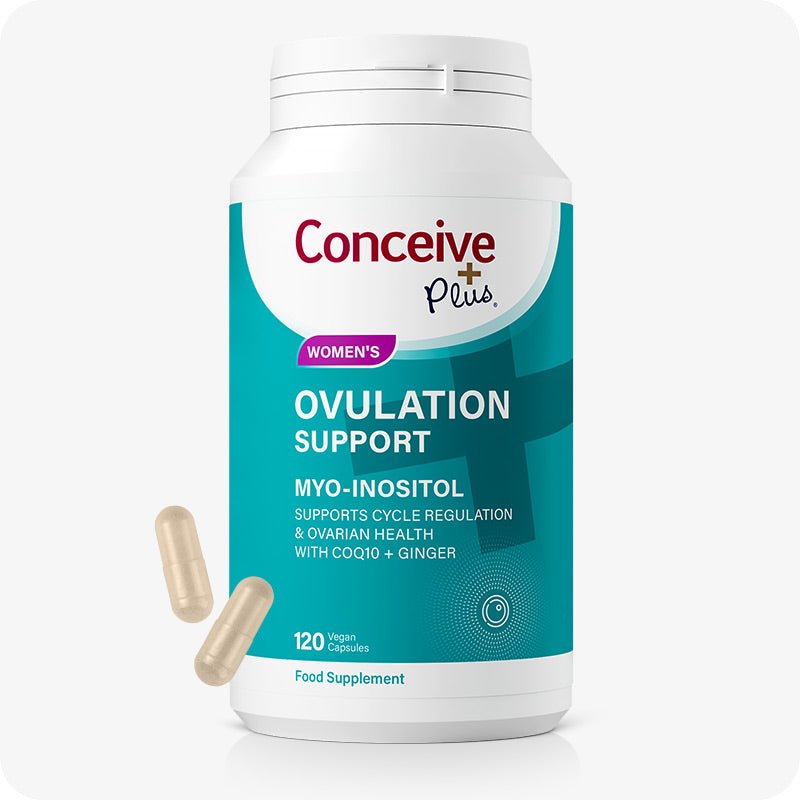
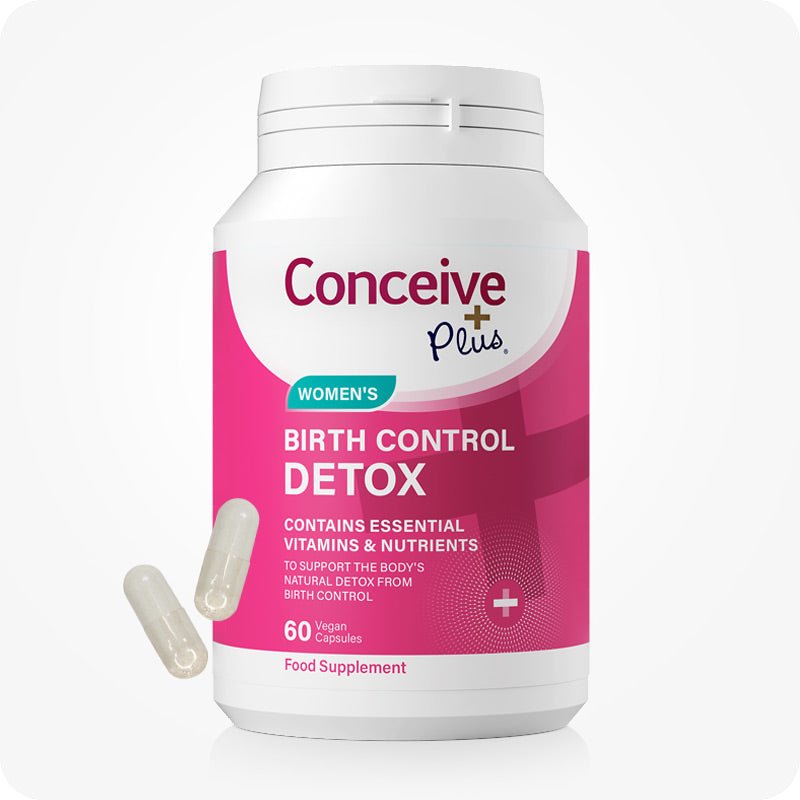
External factors often shift your ovulation date. High stress levels, significant dietary changes, or conditions like Polycystic Ovary Syndrome (PCOS) can delay the egg's release. This is why the "day 14" rule is often a myth. If your cycle is unpredictable, listening to your body's physical cues is often more reliable than a calendar app. When you're trying to figure out what does ovulation pain feel like for you, pay attention to those mid-cycle twinges. They offer real-time data that technology might miss. For those seeking to encourage a more regular rhythm, Conceive Plus Ovulation Support can help balance the hormones necessary for a healthy, predictable cycle. Finding this balance is a powerful step in your journey to parenthood, and accessing professional-grade support can make the process feel much more manageable.
Normal Ovulation vs. Underlying Concerns: When to See a GP
While understanding what does ovulation pain feel like can be empowering, it's equally vital to recognize when your body is signaling something more complex. For the majority, Ovulation pain is a transient, manageable event that confirms your cycle's function. However, the line between healthy mid-cycle discomfort and an underlying medical concern isn't always clear. If your pain feels debilitating or forces you to miss work or social commitments, it's time to step away from self-monitoring and seek professional guidance.
Distinguishing Mittelschmerz from other conditions like ovarian cysts or even appendicitis requires careful observation. While ovulation pain is usually a fleeting twinge, an ovarian cyst might cause a persistent, heavy pressure that doesn't resolve within 48 hours. Appendicitis, conversely, typically involves escalating pain on the right side accompanied by a loss of appetite and fever. Fearing a fertility issue can carry a significant emotional weight, but remember that seeking clarity is a proactive step toward your goal, not a setback. A GP can provide the diagnostic tests needed to offer you certainty.
Could it be Endometriosis or PCOS?
If you find that your pelvic discomfort isn't limited to a mid-cycle window, you might be dealing with endometriosis. This condition often involves pain that lasts throughout the entire cycle and becomes significantly more intense during menstruation. In contrast, Polycystic Ovary Syndrome (PCOS) can cause irregular ovulation or even "phantom" pains as multiple small follicles attempt to mature simultaneously. For those navigating the complexities of PCOS, a targeted nutritional approach like PCOS Support Vitamins can provide essential nutrients to help balance hormones and encourage more predictable cycles.
Warning Signs and Red Flags
It's helpful to keep a "symptom diary" to provide your doctor with a clear picture of your cycle's patterns. This record should include the duration of the pain, which side it occurred on, and any accompanying symptoms. You should schedule a consultation if you experience any of the following red flags:
- Pain that prevents you from performing daily activities or requires strong medication.
- Discomfort accompanied by a fever, nausea, or vomiting.
- Pain during intercourse or heavy, unusual bleeding between periods.
- Sensations that last longer than three days without easing.
Above all, trust your intuition. If you've been tracking what does ovulation pain feel like for several months and something feels fundamentally different this time, don't hesitate to reach out for a medical opinion. Your peace of mind is a vital part of your fertility journey, and getting professional reassurance can help lower the anxiety that often accompanies the path to conception.
Using Physical Signs to Optimise Your Conception Journey
By the time you feel that specific, localized twinge in your abdomen, the most fertile part of your window might already be behind you. While tracking what does ovulation pain feel like is an excellent way to confirm your cycle's rhythm, relying on it as your only signal can be a missed opportunity. Sperm can survive for up to five days within the reproductive tract, but an egg is only viable for about 12 to 24 hours after release. To maximize your chances, it's often more effective to prioritize "pre-emptive" intimacy in the days leading up to your expected mid-cycle discomfort.
Your body naturally prepares for this event by changing the quality of your cervical mucus. This physiological shift creates a "sperm-friendly" highway, ensuring that when the egg is finally released, sperm are already present and waiting. When you combine the observation of these fluids with your knowledge of what does ovulation pain feel like, you create a much more accurate map of your fertility. This proactive approach helps remove the stress of trying to time everything perfectly at the exact moment of pain.
The Role of Cervical Mucus and Basal Body Temperature
The most reliable sign to look for alongside pelvic pain is "egg-white cervical mucus" (EWCM). This clear, stretchy fluid mimics the consistency of raw egg whites and is designed to protect and transport sperm. Many people also choose to track their basal body temperature (BBT), which involves taking your temperature immediately upon waking. A slight, sustained rise in BBT confirms that ovulation has already occurred. For a deeper dive into how to synchronize these different signals, you can refer to our Guide to Tracking Ovulation.
Creating the Ideal Environment for Sperm
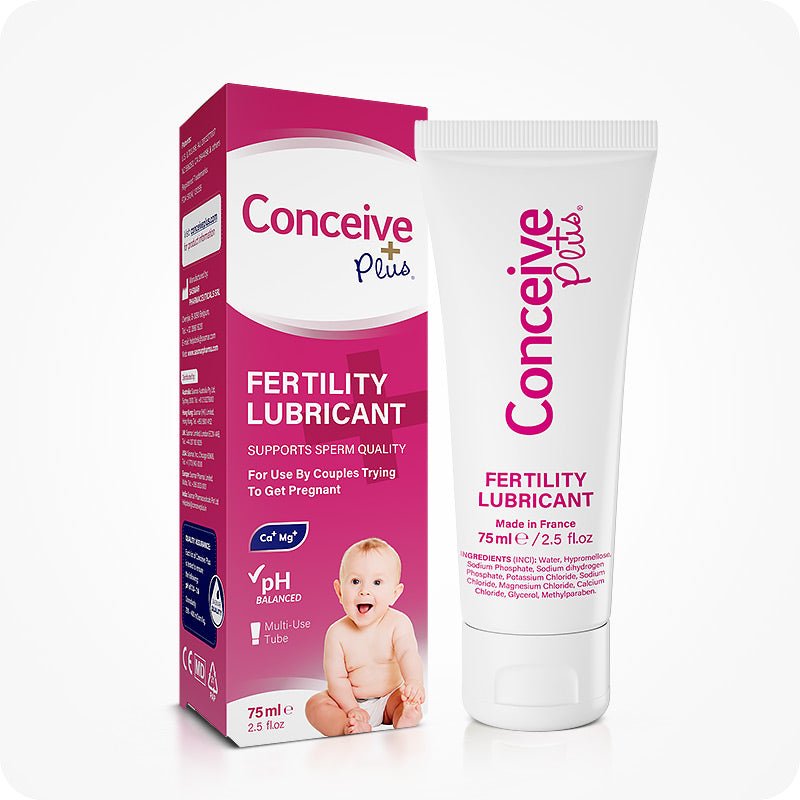
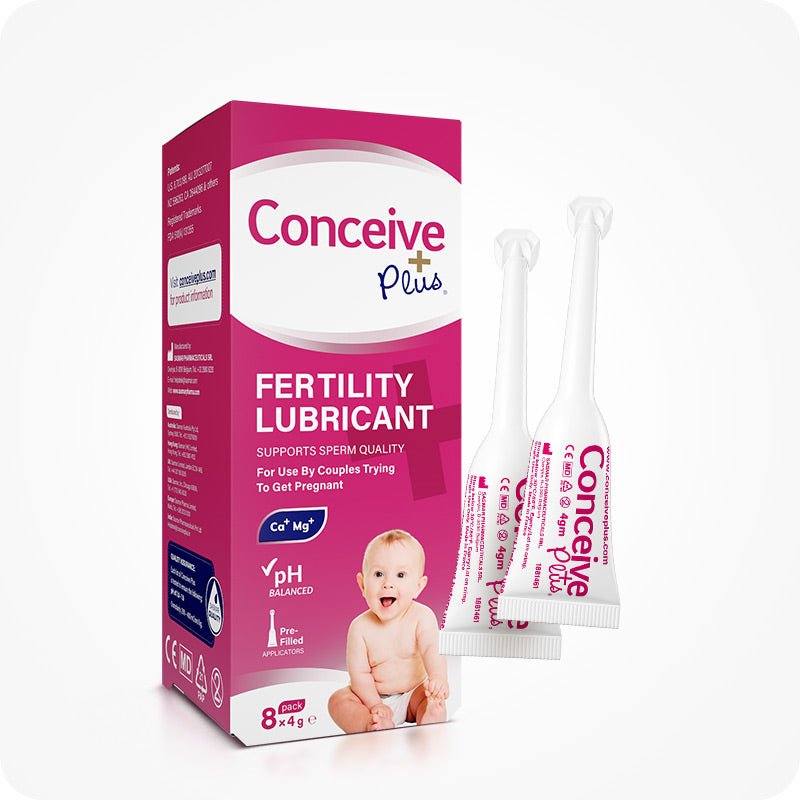
Understanding your body's signals is essential, but supporting the biological environment is equally important. Standard lubricants often have a pH level that is too acidic for sperm, potentially acting as a barrier during your peak fertile days. To support motility, Conceive Plus Fertility Lubricant is formulated to mimic the natural fluids your body produces during ovulation. Using pre-filled applicators ensures the lubricant reaches the cervix, providing a supportive path for sperm to travel. This small adjustment can make a significant difference in your journey, allowing you to focus on the partnership rather than just the calendar. To support your journey with professional-grade tools, shop our fertility-friendly lubricants and supports today.
Next Steps: Supporting Your Body for Successful Conception
Moving from the "why" to the "how" is a pivotal moment in your fertility journey. Once you have identified what does ovulation pain feel like, you can transition from simply observing your cycle to actively supporting it. A holistic approach to reproductive health recognizes that your body doesn't operate in isolation. Every choice you make, from the nutrients you consume to the environment you create for conception, plays a vital role in your success. It's about building a foundation that treats your reproductive goals with the respect and gravity they deserve.
Taking action today doesn't have to be overwhelming. You can start with small, manageable steps:
- Begin a detailed symptom diary that combines physical sensations with cervical mucus observations.
- Review your current lifestyle to ensure you're prioritizing hydration and restorative rest.
- Optimize your conception environment by choosing lubricants that support, rather than hinder, sperm motility.
Nutritional Support for Ovulation and Sperm Health
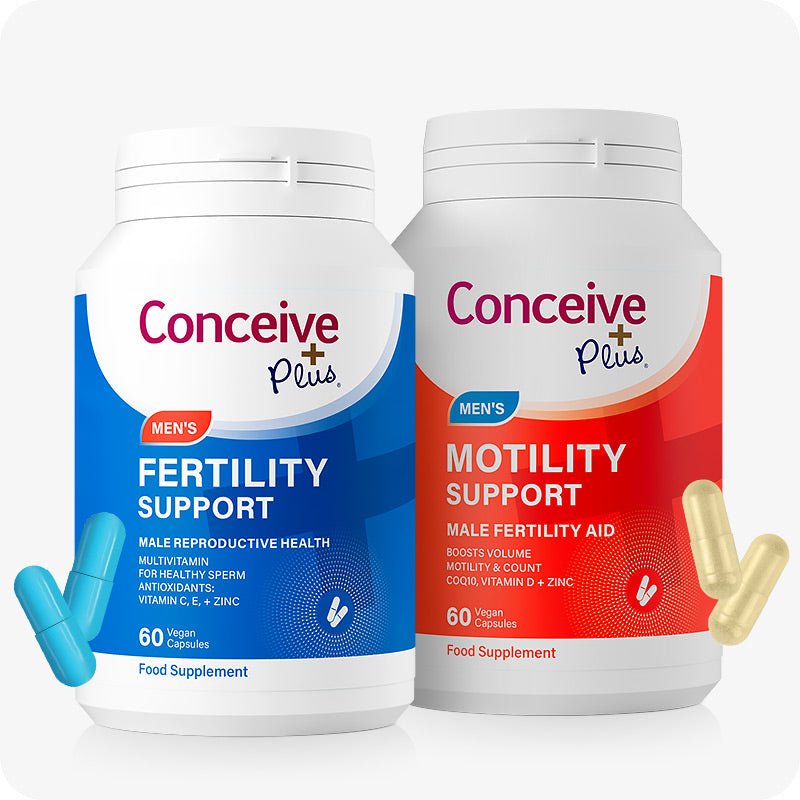
Quality preparation begins months before conception. Myo-Inositol and Folic Acid are two of the most researched nutrients for supporting egg quality and encouraging regular ovulation. However, fertility is a shared journey, and optimizing the partner's health is equally important. Utilizing the His & Hers Fertility Support Deal ensures that both sides of the equation receive the targeted vitamins necessary for success. Targeted micronutrients can help regulate the timing of ovulation for those with irregular cycles. By focusing on cellular health, you're giving your body the best possible start.
Managing Ovulation Discomfort Naturally
While the primary goal is often to understand what does ovulation pain feel like as a marker of fertility, managing the discomfort itself is also important. If you're experiencing Mittelschmerz, gentle relief like warm baths, light stretching, and increased hydration can soothe the pelvic area without interfering with your cycle. Remember that this mild discomfort is a sign of your body’s incredible capability to prepare for new life. For those seeking comprehensive support throughout their cycle, we invite you to explore the full Conceive Plus Bestseller Collection. You're not alone in this process; we're here as a steady, reliable partner in your journey toward parenthood.
Empowering Your Path to Parenthood
Navigating your reproductive health requires a blend of clinical knowledge and personal intuition. By mastering the signs of your fertile window, you transform a moment of physical discomfort into a powerful tool for planning. Understanding what does ovulation pain feel like is just the beginning; the real advantage comes from aligning this physical awareness with proactive nutritional support and precise cycle tracking. Whether you are identifying the sharp twinge of an active ovary or monitoring changes in cervical mucus, you are building a deeper partnership with your body and its natural rhythms.
As you move forward, remember that you don't have to navigate these complexities alone. Trusted by millions of couples since 2008, our products are designed to bridge the gap between biological potential and successful conception. Our patented fertility-friendly formula was developed by Sasmar Pharmaceuticals for clinical reliability, providing the expert-led support you need to feel confident in your journey. Explore the Conceive Plus Fertility Range to Support Your Journey and take the next step with a steady partner by your side. Your goal is within reach, and every cycle offers a fresh opportunity to bring your dreams of parenthood to life.
Frequently Asked Questions
Is ovulation pain a good sign when trying to conceive?
Yes, experiencing mild mid-cycle discomfort is generally a positive indicator of reproductive health. It serves as a biological confirmation that your body is moving through its natural phases and attempting to release a mature egg. For many, this sensation acts as a reliable "fertility flare," helping you identify your fertile window with greater certainty. While not everyone feels it, those who do can use it as a helpful tool to time intimacy more effectively.
Can I get pregnant if I have ovulation pain?
You can certainly get pregnant, but the timing of the pain is critical to understand. Often, the sensation occurs right as the egg is released or just after, meaning your fertile window may be closing. To maximize your chances, it's best to have sperm already present in the reproductive tract before the pain begins. Since sperm can survive for several days, focusing on the days leading up to your expected discomfort is a more effective strategy.
How many days after your period do you ovulate if your cycle is 30 days?
In a typical 30-day cycle, you'll likely ovulate on day 16. This is calculated by subtracting the fixed 14-day luteal phase from your total cycle length. While the first half of your cycle can vary based on stress or health, the time from ovulation to your next period is almost always two weeks. This means your peak fertility occurs approximately 16 days after the first day of your last menstrual period.
Why do I only feel ovulation pain on my right side?
While ovaries usually take turns each month, it's common to feel sensations more prominently on one side. This doesn't necessarily mean your left ovary isn't working; it may simply be that your internal anatomy makes the right-sided sensations easier to detect. However, if you consistently feel sharp pain only on the right, it's worth mentioning to a GP to ensure it isn't related to other issues like a persistent cyst or even appendicitis.
Can ovulation pain feel like a sharp stabbing sensation?
Yes, many people describe what does ovulation pain feel like as a sudden, sharp stabbing sensation or a localized "pop." This brief intensity is often linked to the moment the follicle ruptures to release the egg into the fallopian tube. While the sharpness can be startling, it usually subsides quickly, leaving a duller ache in its place. If a stabbing sensation persists for more than a few hours, it's best to consult a professional.
Does everyone experience Mittelschmerz every month?
No, only about 20% of individuals report feeling ovulation pain on a regular basis. Even if you usually feel it, you might have months where the sensation is absent or too mild to notice. Factors like hormonal balance, stress levels, and even your hydration can influence the intensity of the feeling. Not experiencing pain is completely normal and doesn't mean you aren't ovulating; many people rely on other signs like cervical mucus instead.
What is the difference between ovulation pain and period cramps?
The primary differences are the timing and the location of the discomfort. Ovulation pain happens mid-cycle, roughly two weeks before your period, and is typically felt on only one side of the lower abdomen. Period cramps occur at the very end of the cycle and are usually felt as a heavy, dull ache across the entire lower pelvis or lower back. While period cramps involve uterine contractions, Mittelschmerz is specifically related to the ovaries.
When should I be worried about mid-cycle pelvic pain?
You should seek medical advice if the pain is severe, lasts longer than 48 hours, or is accompanied by fever, nausea, or heavy bleeding. Knowing what does ovulation pain feel like helps you recognize when a sensation is unusual for your body. If the pain feels significantly different than your normal cycle or is accompanied by a loss of appetite, it's important to rule out other pelvic concerns like endometriosis or an ovarian cyst with a GP.