Age and Fertility: Understanding How Time Affects Your Reproductive Health


Fertility and age have a relationship that is both biologically fascinating and, for many people, deeply personal. Whether you're in your twenties and planning for the future, in your thirties and ready to start a family, or in your forties navigating a more complex fertility landscape, understanding how age affects reproductive health is foundational to making empowered decisions about parenthood.
This guide explores the science of age-related fertility changes in both women and men, separating fact from myth, discussing what can be done to support reproductive health at every age, and providing evidence-based guidance to help you navigate this important aspect of life.
The Biology of Female Fertility and Age
Women are born with all the eggs they will ever have — approximately 1–2 million at birth, declining to around 400,000 at puberty. Over a lifetime of reproductive years, only about 400–500 eggs will actually ovulate. The rest undergo a natural process of cell death called atresia.
This fixed supply of eggs — unlike sperm, which are produced continuously — means that both the quantity and quality of eggs decline over time. This is the fundamental biological reality underlying age-related fertility decline in women.
The Impact by Decade
In your 20s: Fertility is generally at its peak. Women in their early twenties have the highest natural conception rates, with most studies suggesting a monthly fecundity rate (chance of conception per cycle) of approximately 25–30%. The risk of chromosomal abnormalities in eggs is lowest during this decade.
In your early 30s (30–34): Fertility remains relatively strong. Monthly conception rates decline slightly to approximately 20%, but overall fertility is still considered good. Most women in this age group who are trying to conceive will do so within 12 months.
In your mid-to-late 30s (35–39): This period marks a more noticeable accelerating decline. The age of 35 is often cited as a significant threshold — not because fertility falls off a cliff, but because the rate of decline accelerates. Monthly fecundity rates fall to approximately 10–15%. The risk of chromosomal abnormalities in eggs increases meaningfully, contributing to higher miscarriage rates.
In your 40s: Fertility decline becomes more pronounced. Monthly conception rates for women in their early 40s are approximately 5%. By the mid-40s, natural conception is uncommon but not impossible. IVF success rates with own eggs also decline significantly with age — a factor that drives many women toward donor egg options.
Why Egg Quality Matters as Much as Quantity
Ready to take the next step?
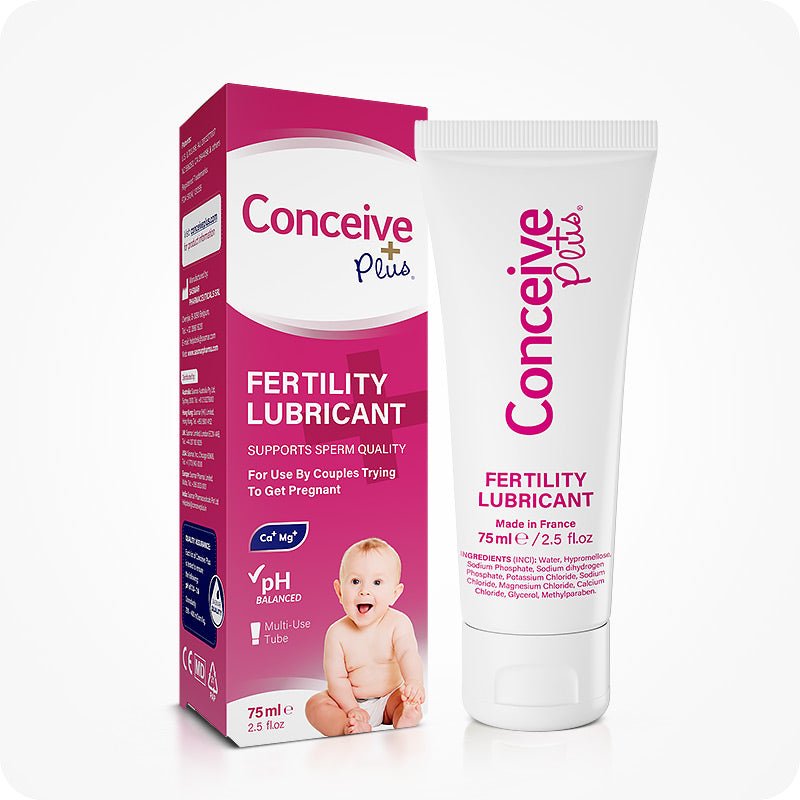
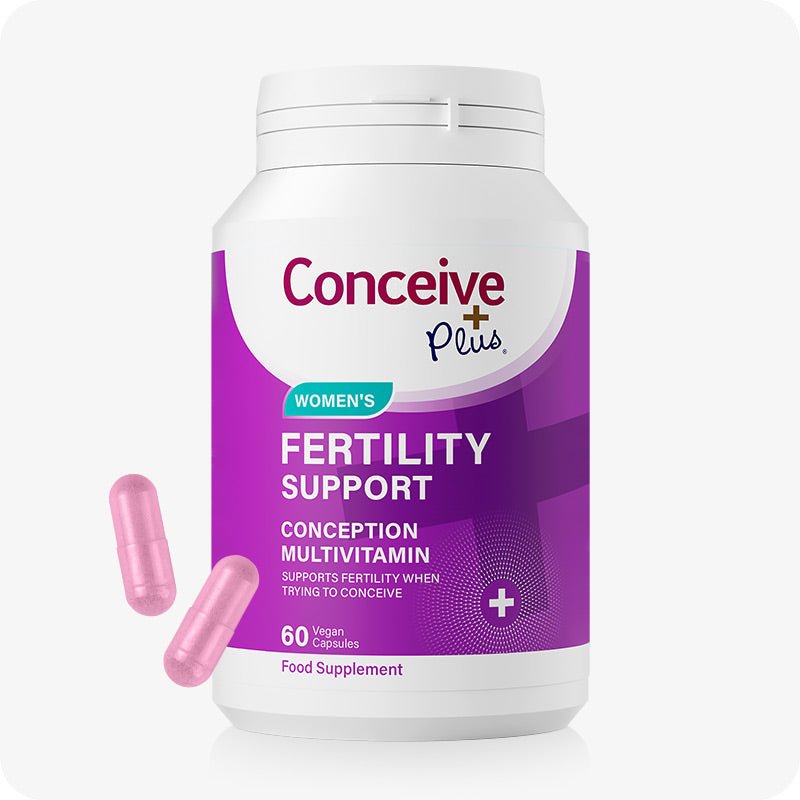
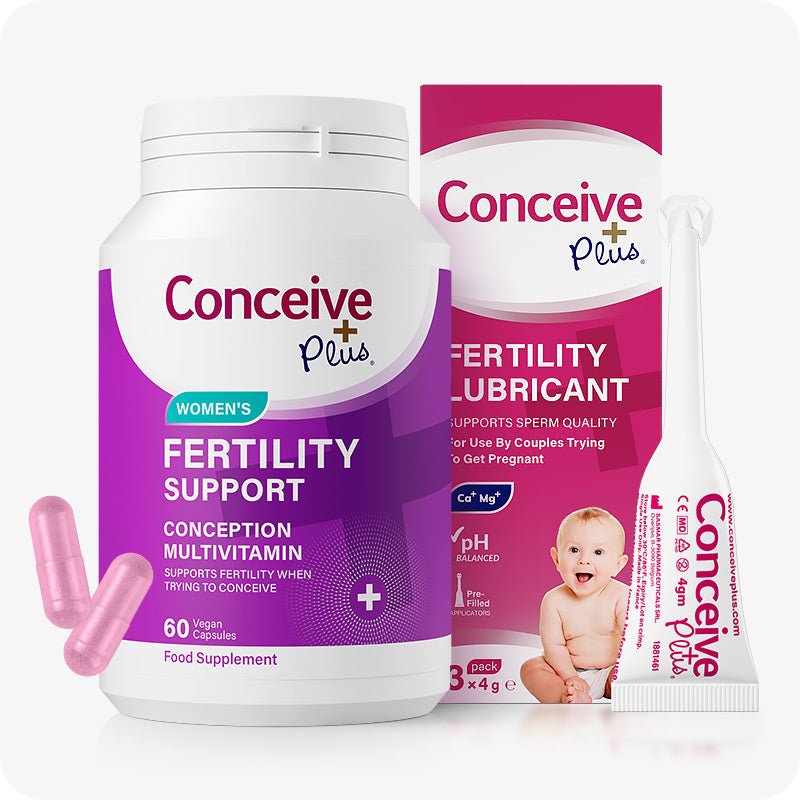
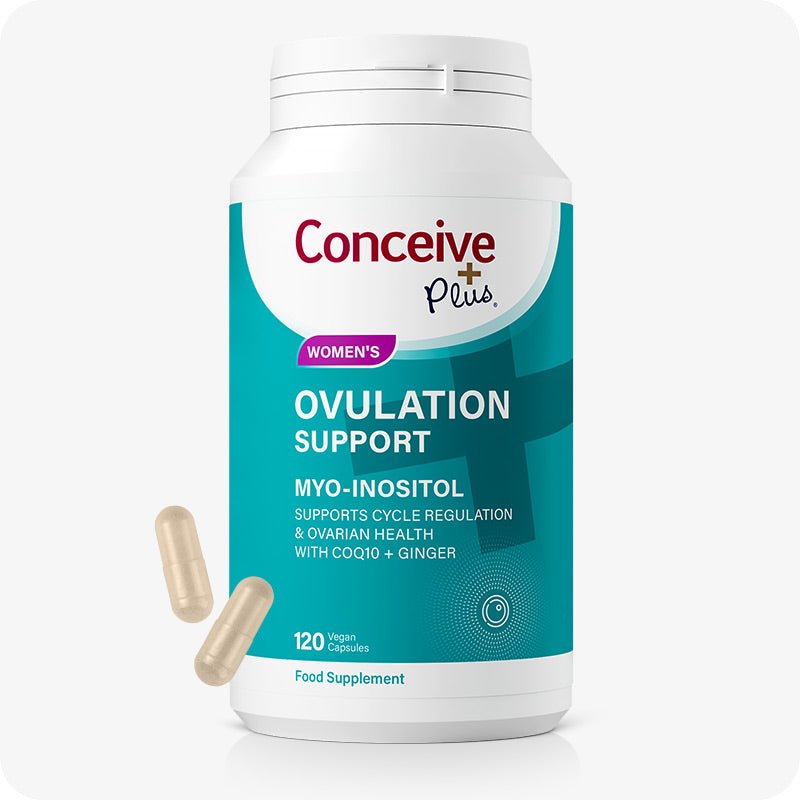
Conceive Plus Fertility Support Range is scientifically formulated to support your fertility journey at every stage. Trusted by couples worldwide.
Explore Conceive Plus Fertility Support Range →Much of the public conversation about age and female fertility focuses on "running out of eggs," but egg quality is equally — and arguably more — important than egg quantity in determining fertility outcomes.
As eggs age, they become more susceptible to errors in the process of chromosome segregation during cell division. These errors, known as aneuploidy (having an abnormal number of chromosomes), can prevent fertilisation, cause early embryo failure, or lead to miscarriage. The most well-known example is trisomy 21 (Down syndrome), but many chromosomal abnormalities result in miscarriage before a pregnancy is even recognised.
At age 25, approximately 10–20% of eggs are chromosomally abnormal. By age 40, this figure rises to approximately 50–80%. This is why miscarriage rates increase with age — not because of uterine problems, but primarily because chromosomally abnormal embryos are less likely to develop successfully.
Egg quality cannot be improved through lifestyle changes in the same way that sperm quality can, but supporting overall reproductive health — through nutrition, stress management, avoiding toxins, and targeted supplementation — may help protect the eggs that remain and support their optimal function.
Age and Male Fertility: The Overlooked Equation
Male fertility is less dramatically affected by age than female fertility, but the idea that men remain fully fertile indefinitely is a myth. Research increasingly shows that paternal age matters — for conception, pregnancy, and child health outcomes.
Sperm Production Over Time
Men produce new sperm continuously throughout their lives, unlike women who are born with a fixed egg supply. However, several aspects of sperm quality do decline with age:
- Volume: Semen volume decreases gradually with age.
- Motility: The percentage of sperm that move progressively declines. One large study found progressive motility decreasing by approximately 0.8% per year after age 22.
- Morphology: The percentage of normally shaped sperm declines with age.
- DNA fragmentation: Perhaps most significantly, the level of DNA damage within sperm tends to increase with age. Higher DNA fragmentation is associated with reduced fertilisation rates, lower embryo quality, increased miscarriage risk, and potentially some neurodevelopmental conditions in offspring.
Advanced Paternal Age
While there is no strict equivalent to female menopause in men, "advanced paternal age" (typically defined as 40 or 45 and over in research) is associated with modestly increased risks of certain conditions in offspring, including autism spectrum disorder and schizophrenia — though the absolute risk remains low. Time to conception also increases when male partners are older.
The good news is that unlike egg quality, sperm quality is significantly modifiable through lifestyle — diet, exercise, sleep, supplementation, and avoiding harmful exposures can meaningfully improve sperm parameters at any age.
When to Seek Help: Evidence-Based Timelines
The standard recommendation from the Royal College of Obstetricians and Gynaecologists (RCOG) and British Fertility Society reflects the biological realities of age:
- Under 35: Seek evaluation after 12 months of regular unprotected intercourse without conception.
- Age 35–39: Seek evaluation after 6 months.
- Age 40 and over: Seek evaluation after 3 months, or consider proactive evaluation before trying if you have concerns.
- Any age with known risk factors: Irregular or absent periods, previous pelvic surgery, known PCOS or endometriosis, previous STIs — seek evaluation sooner rather than later.
These timelines are not reasons to panic; they are sensible guideposts designed to ensure people access support in time for it to be most effective.
Preserving Fertility: Options and Realities
Egg freezing (oocyte cryopreservation) has revolutionised fertility preservation for women who aren't ready to conceive but want to protect their future options. Understanding the realities — and the limitations — of this technology is important.
Egg Freezing: What the Evidence Shows
The success of egg freezing depends heavily on age at the time of freezing. Women who freeze eggs before age 35 have significantly better outcomes than those who freeze after 37. Key facts:
- The average live birth rate per frozen egg used in IVF is approximately 2–12%, with higher rates for younger women.
- Most specialists recommend freezing 10–20 eggs to have a reasonable chance of one live birth.
- Modern vitrification (rapid freezing) techniques have significantly improved survival rates of frozen eggs.
- NICE guidelines in England currently do not fund egg freezing for social reasons on the NHS, though private costs have become more accessible.
Sperm Freezing
Sperm freezing is a straightforward and relatively inexpensive form of fertility preservation for men. It may be particularly worth considering before medical treatments (chemotherapy, radiation), vasectomy, or if there are concerns about future sperm production.
Embryo Freezing
For couples who are certain about their partner but not their timing, embryo freezing offers the most robust fertility preservation option, as embryo survival rates after thawing are typically higher than for eggs alone.
Supporting Fertility Naturally at Every Age
While age-related fertility changes cannot be completely reversed, there is compelling evidence that several lifestyle and nutritional strategies can support reproductive health and optimise the quality of eggs and sperm throughout the reproductive years.
Nutritional Support
Key nutrients with evidence for supporting fertility include:
- Folic acid / folate: Essential for early neural tube development and associated with improved egg quality. The recommended dose is at least 400 mcg daily when trying to conceive.
- CoQ10 (Coenzyme Q10): A powerful antioxidant that supports mitochondrial energy production in eggs and sperm. Research suggests it may improve egg quality in older women, with doses of 200–600 mg daily used in studies.
- Vitamin D: Deficiency is associated with reduced fertility in both sexes. Many people in the UK are deficient, particularly during autumn and winter months.
- Omega-3 fatty acids: Positively associated with improved sperm morphology and egg quality.
- Antioxidants (Vitamin C, E, zinc, selenium): Help protect eggs and sperm from oxidative stress, which increases with age.
Lifestyle Factors
- Healthy body weight: Both underweight and overweight status are associated with hormonal disruption and reduced fertility. BMI between 18.5 and 25 is associated with optimal fertility outcomes.
- Regular moderate exercise: Supports hormonal balance and overall health. Excessive high-intensity exercise, however, can disrupt ovulation in women.
- Adequate sleep: Sleep regulates the hormonal systems that govern reproduction. Aim for 7–9 hours of quality sleep per night.
- Stress management: Chronic stress activates the HPA axis and can suppress reproductive hormone production. Mind-body practices like yoga, meditation, and acupuncture show evidence of benefit for fertility.
- Avoiding harmful exposures: Smoking accelerates ovarian ageing significantly — smokers reach menopause an average of 1–2 years earlier than non-smokers. Excessive alcohol and recreational drug use negatively impact both egg and sperm quality.
IVF, Donor Eggs, and Other Assisted Reproduction Options
For women whose age-related fertility challenges are significant, assisted reproductive technologies (ART) provide important pathways to parenthood.
IVF with Own Eggs
IVF success rates decline with age. NHS data shows live birth rates per embryo transfer of approximately 28% for women under 35, falling to approximately 5% for women 43–44. Despite this decline, IVF with own eggs remains a worthwhile option for many women in their late 30s and early 40s, particularly if ovarian reserve is adequate.
IVF with Donor Eggs
Donor egg IVF largely bypasses the age-related egg quality issue, as the eggs come from a younger donor. Success rates for donor egg IVF are much more consistent across recipient ages, typically 40–50% per transfer. This is one reason why live birth rates from IVF remain high for women in their late 40s when donor eggs are used.
Preimplantation Genetic Testing (PGT)
For women of advanced reproductive age undergoing IVF, PGT-A (preimplantation genetic testing for aneuploidy) allows embryos to be tested for chromosomal abnormalities before transfer. This can improve success rates per transfer and reduce miscarriage risk by ensuring only chromosomally normal embryos are transferred.
Frequently Asked Questions About Age and Fertility
Does fertility really "fall off a cliff" at 35?
No — this is an oversimplification. Fertility does begin to decline more noticeably after 35, but it's a gradual process, not a sudden drop. Many women conceive naturally in their late 30s. The "cliff" framing is misleading; a more accurate description is an accelerating decline that becomes more significant in the early 40s.
Can I do anything to improve my egg quality?
While you cannot create new eggs or fully reverse age-related quality decline, evidence suggests that reducing oxidative stress (through antioxidant supplementation, a nutrient-rich diet, and avoiding smoking and excessive alcohol), supporting mitochondrial function (CoQ10 supplementation), and managing chronic health conditions can support the best possible function of the eggs you have.
Does a low AMH mean I can't get pregnant naturally?
Low AMH indicates reduced ovarian reserve but does not mean natural conception is impossible. AMH reflects egg quantity, not quality. Some women with low AMH conceive naturally or through IVF using their own eggs. However, low AMH is a reason to seek fertility evaluation sooner rather than later.
Is it safe to get pregnant in your 40s?
Pregnancy in the 40s carries higher risks for both mother and baby — including increased rates of gestational diabetes, hypertension, chromosomal abnormalities, and caesarean birth. However, with appropriate monitoring and care, many women in their 40s have healthy pregnancies and babies. The risks should be understood and discussed with a healthcare provider, not used as a reason to dismiss the possibility.
Does age affect IVF success rates?
Yes, significantly — when using own eggs. IVF success rates decline substantially after 37 and more sharply after 40. However, donor egg IVF largely eliminates the age-related quality component, with much more consistent success rates regardless of recipient age.
At what age do men's fertility start declining?
Male fertility declines gradually and less dramatically than female fertility, typically starting in the late 30s or 40s. However, studies show measurable declines in sperm motility and increases in DNA fragmentation beginning around age 35–40. Advanced paternal age (40+) is also associated with modest increases in certain health risks for offspring.
Should I freeze my eggs in my early 30s?
The decision to freeze eggs is deeply personal and depends on your circumstances, values, and finances. From a purely biological standpoint, eggs frozen before 35 have significantly better outcomes than those frozen after 37. If you're certain you want children but uncertain about timing, speaking with a fertility specialist for a personalised assessment is worthwhile.
What is the oldest age at which a woman can get pregnant naturally?
Natural pregnancy after menopause (which typically occurs around age 51 in the UK) is essentially impossible without donor eggs. Natural pregnancy in the late 40s is rare but does occur. The oldest documented natural pregnancies are anecdotal and uncommon. Most women's natural fertility has significantly declined by the mid-40s.
Can a healthy lifestyle reverse age-related fertility decline?
No lifestyle intervention can reverse the biological clock, but a healthy lifestyle can meaningfully support reproductive function and optimise the quality of eggs and sperm that remain. Nutrition, exercise, sleep, stress management, and avoiding harmful exposures all have evidence-backed roles in supporting fertility at every age.
Is secondary infertility (difficulty conceiving after a first child) related to age?
Age is one factor in secondary infertility, particularly for women who had their first child in their mid-to-late 30s and are now trying several years later. However, secondary infertility also has many other causes — new structural issues, hormonal changes, partner changes, or conditions that have developed since the first pregnancy. A fertility evaluation can identify what's changed and what options exist.
Age is a factor in fertility — but it is one factor among many. With the right information, proactive testing, appropriate lifestyle support, and access to the excellent reproductive medicine resources available, the path to parenthood remains open for many people across a wide range of ages. The most important thing you can do is seek information early and make decisions based on your specific situation, not on fear or generalisation.
Ready to take the next step?
Conceive Plus Fertility Support Range is scientifically formulated to support your fertility journey at every stage. Trusted by couples worldwide.
Explore Conceive Plus Fertility Support Range →