Signs of Ovulation Discharge: A Compassionate Expert Guide to Tracking Your Fertile Window


What if the fluid you often dismiss as an inconvenience is actually a sophisticated biological transport system designed specifically to keep sperm alive? It's common to feel a surge of anxiety when you're trying to conceive and find yourself staring at a tissue, unsure if you're seeing the right signs of ovulation discharge or just a routine cycle change. You aren't alone in that confusion. Many women feel frustrated when their cycles seem dry or when different types of mucus blend together into a mystery. With the monthly chance of conception for women aged 30 to 34 being approximately 20 to 22 percent in 2026, we understand why pinpointing your peak fertility feels so vital.
We believe that understanding your body's signals should bring peace of mind, not more stress. This guide will help you replace uncertainty with clinical clarity, teaching you how to accurately identify Egg White Cervical Mucus (EWCM) and pinpoint your most fertile days with confidence. We'll explore the science behind your fertile window, explain how to distinguish between different discharge types, and provide practical methods to optimize your internal environment for natural conception.
Key Takeaways
- Understand how your body produces a specific hydrogel that acts as a biological gatekeeper for sperm entry.
- Learn to accurately identify the specific signs of ovulation discharge to pinpoint your peak fertile window with confidence.
- Master simple, hygienic methods for checking your cervical mucus to ensure you don't miss crucial fertility signals.
- Discover how maintaining proper hydration and pH balance creates an optimal environment for sperm motility and survival.
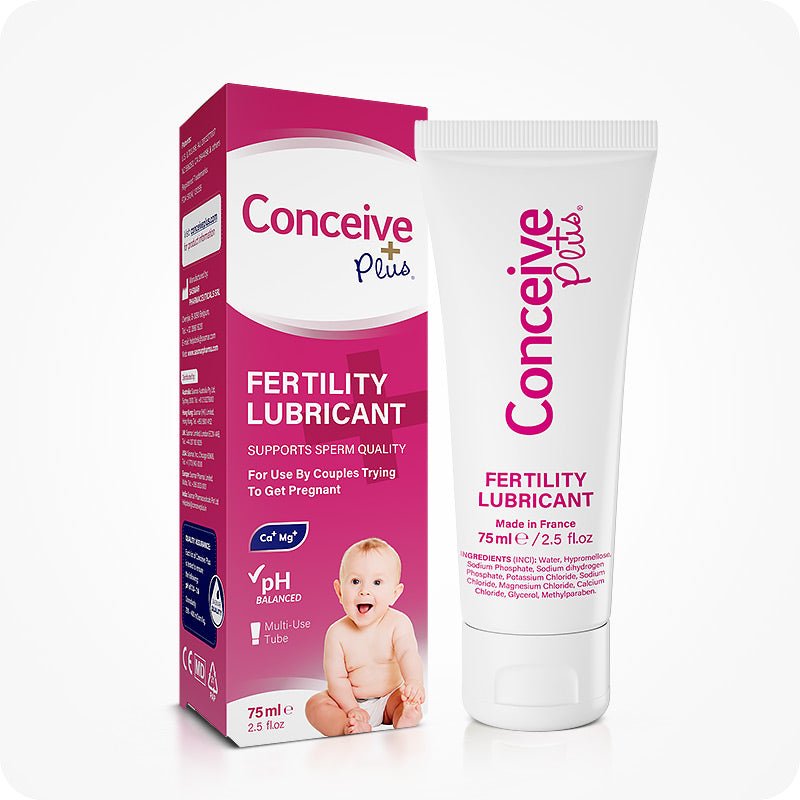
- Find out how to bridge the gap during dry cycles using lubricants like Conceive Plus that mimic the body's natural fertile fluids.
Understanding Cervical Mucus: The Biological Signal of Your Fertile Window
Cervical mucus (CM) is a specialized hydrogel produced by your cervix, and its primary regulator is the hormone oestrogen. Throughout your cycle, the cyclical changes in vaginal discharge serve as a biological gatekeeper. During most of the month, this fluid is thick and impenetrable to protect your uterus from bacteria and other pathogens. However, as you approach your fertile window, the consistency shifts dramatically to facilitate the passage of sperm. The fertile window is the 5-6 days leading up to and including ovulation. Recognizing these specific signs of ovulation discharge allows you to time intercourse with precision, significantly increasing your probability of natural conception. Using tools like an ovulation calculator can help you predict these days, but your body's physical signals remain the most accurate indicator of your current fertility status.
The Role of Oestrogen in Discharge Production
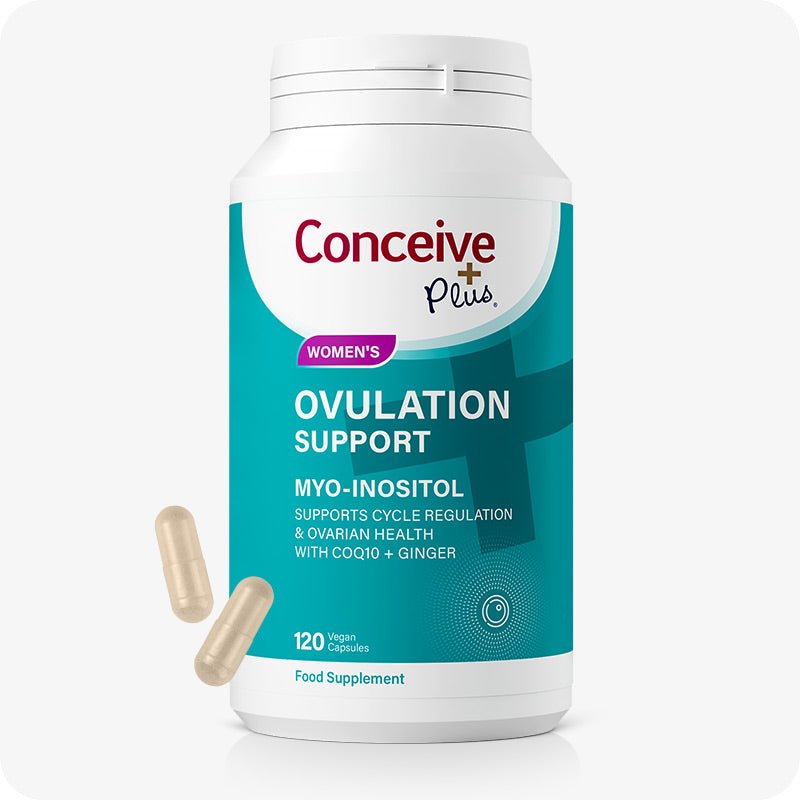
As your ovaries prepare to release an egg, developing follicles secrete increasing amounts of oestrogen. This hormonal surge acts as a direct signal to the cervix to transition into high-production mode. You'll notice the volume of discharge increases and the texture becomes more fluid. Unlike calendar-based apps that rely on historical averages, tracking these physical changes provides real-time data about your unique cycle. It's a more reliable way to confirm your body is preparing for ovulation, especially if your cycle length varies. If you find your body needs a little extra help balancing these hormones, targeted supplements like Conceive Plus Ovulation Support can help promote regular cycles and healthy reproductive function.
Why Sperm Survival Depends on Your Discharge
The natural environment of the vagina is quite acidic to prevent infections. While this acidity is healthy for you, it's unfortunately hostile to sperm. This is where fertile mucus plays its most critical role. It acts as an alkaline buffer, neutralizing the acidity to protect the sperm and providing the nutrients they need for their journey. Beyond chemical protection, fertile mucus creates a "channeling" effect. Under a microscope, you'd see the mucus forming microscopic physical pathways that guide sperm toward the egg. Without these signs of ovulation discharge, sperm struggle to survive more than a few hours. With high-quality mucus, they can remain viable for several days, waiting for the egg to be released. This transformation turns your body into a welcoming environment for conception.
The Four Stages of Ovulation Discharge: A Day-by-Day Cycle Map
Your body follows a predictable hormonal rhythm, and your cervical fluids are the most visible evidence of this internal clock. Understanding the distinct signs of ovulation discharge allows you to visualize where you are in your cycle and adjust your conception efforts accordingly. While every woman's body is unique, most follow a four-stage progression as oestrogen levels rise and fall. This map helps you move away from guesswork and toward a data-driven understanding of your own fertility.
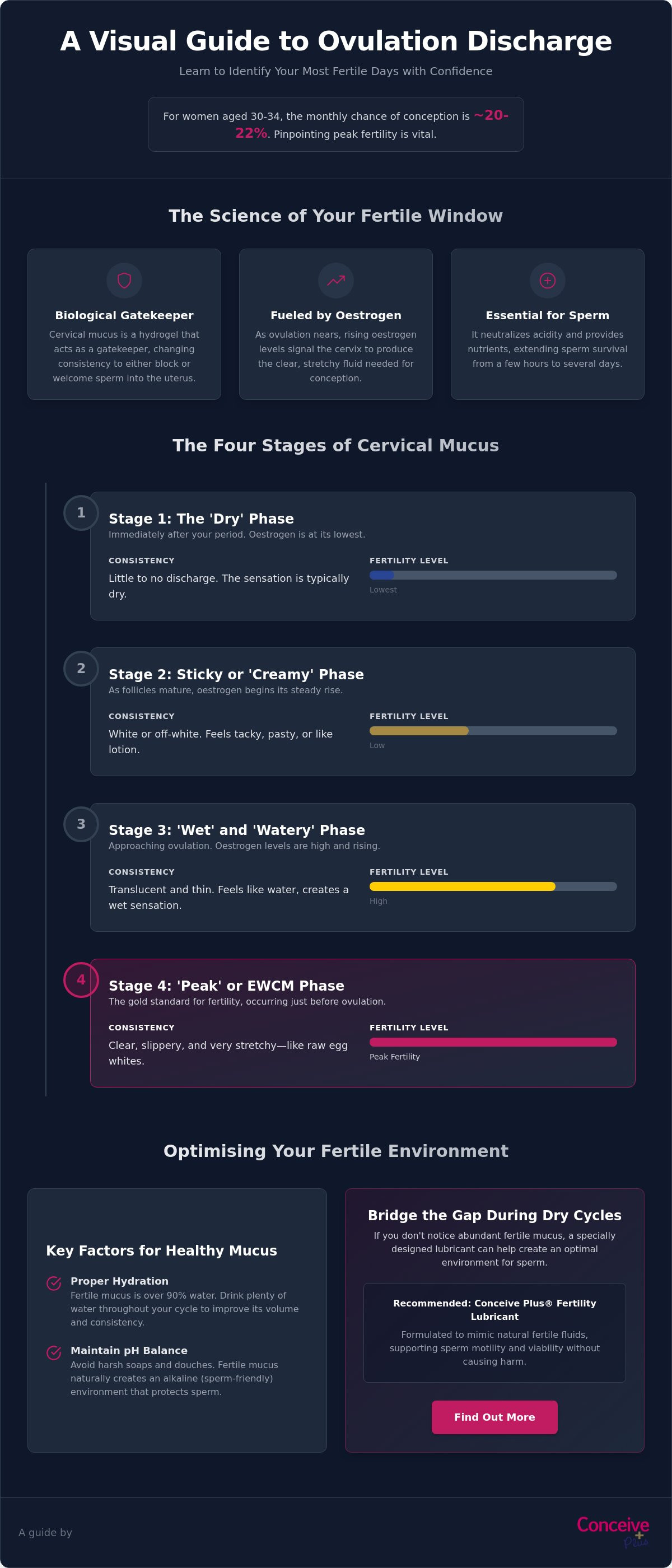
Stage 1: The 'Dry' Phase. Immediately following your period, oestrogen levels are at their lowest. You may notice very little to no discharge at all. This is a non-fertile time where the cervix remains tightly closed. Stage 2: The 'Sticky' or 'Creamy' Phase. As your follicles begin to mature, oestrogen starts its steady climb. You'll likely see discharge that is white or off-white and feels tacky or like lotion between your fingers. While not the most fertile stage, it signals that your window is beginning to open.
Stage 3: The 'Wet' and 'Watery' Phase. As you approach ovulation, the fluid becomes more translucent and thin. It may feel like water or even leave a damp sensation on your underwear. This is highly fertile cervical mucus, as its high water content allows sperm to move quickly. Stage 4: The 'Peak' or EWCM Phase. This is the gold standard of fertility. The discharge is clear, slippery, and incredibly stretchy. Once ovulation occurs, progesterone rises rapidly, causing your discharge to return to a thick, cloudy, or dry state almost overnight.
Identifying Egg White Cervical Mucus (EWCM)
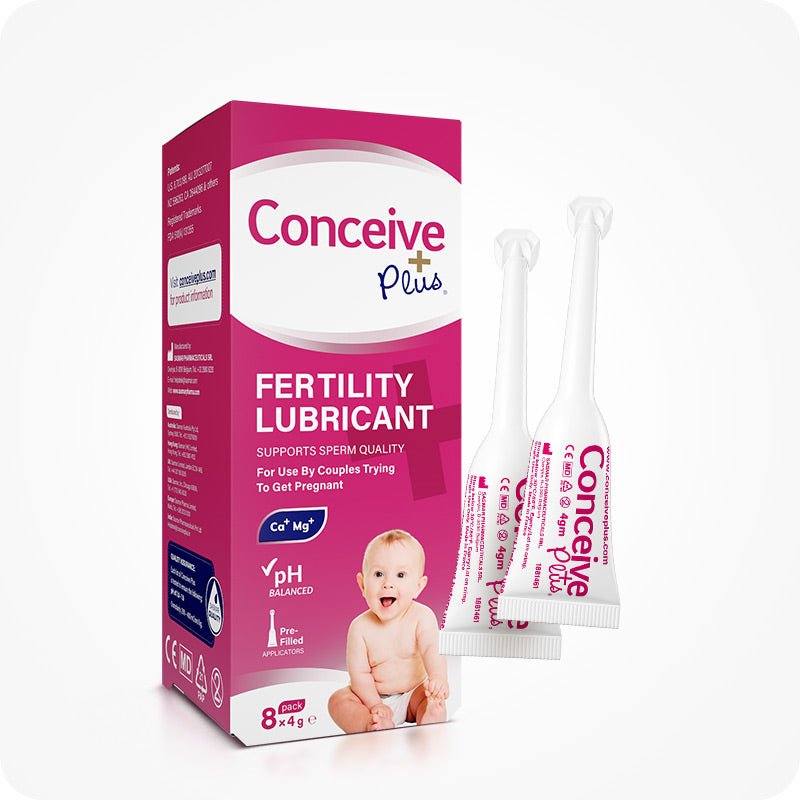
To confirm you've reached your peak, you can perform a simple "stretch test." EWCM is unique because it contains long chains of molecules that allow it to stretch several centimetres between your thumb and forefinger without breaking. Visually, it should look exactly like a raw egg white; it's clear and glass-like rather than milky or yellow. You might also notice a distinct sensation of lubrication or "slipperiness" when walking or wiping, even if you don't see a large volume of fluid on the tissue. If you find your body isn't producing enough of this natural lubricant, using Conceive Plus Fertility Lubricant can help provide the right environment for sperm to thrive.
How Many Days Before Ovulation Does EWCM Appear?
In a typical cycle, these peak signs of ovulation discharge usually appear 2 to 3 days before the egg is actually released. The final day you experience this slippery, stretchy fluid is known as your "Peak Day." Research suggests that the Peak Day and the day immediately following it are your most fertile moments. It's important to remember that if your cycle is shorter or longer than the average 28 days, the timing of these stages will shift, but the sequential order remains the same. Tracking these changes daily is far more accurate for pinpointing ovulation than relying on a generic calendar alone.
How to Correctly Identify Fertile Mucus: Practical Tips and Common Pitfalls
Mastering the art of observation takes a little patience, but the clarity it provides is invaluable. To begin, always ensure your hands are clean and dry; this simple step prevents the introduction of bacteria into the vaginal environment. You can check for signs of ovulation discharge by using your fingers to collect a sample from the vaginal opening or, for more accuracy, directly from the cervix. Once you have a sample, observe the colour and test the consistency by pressing it between your thumb and forefinger then slowly pulling them apart.
Consistency is the key to success. We recommend recording your findings every single day, even on the days when you feel dry. Using a dedicated chart or an ovulation calculator helps you visualize your cycle's progression. By tracking cervical mucus for fertility over two or three cycles, you'll begin to understand your unique 'normal'. Every woman's body has its own rhythm, and recognizing your specific patterns is the best way to feel confident in your timing.
The Great Mimickers: Arousal Fluid vs. Semen vs. CM
Confusion often arises when other fluids are present, as arousal fluid and semen can easily be mistaken for fertile mucus. Arousal fluid is typically very watery and tends to disappear or dry up quickly, whereas cervical mucus persists. If you're unsure, try the 'water test'. True cervical mucus often holds its shape in a glass of water; other fluids usually dissolve or break apart. To maintain the highest level of accuracy, it's best to wait at least 24 hours after intercourse before checking for signs of ovulation discharge, as semen can linger and mimic the stretchy texture of peak fertility.
When to Seek Professional Guidance
While tracking is empowering, you should recognize when your body might be signaling a different concern. If you notice unusual odours, persistent itching, or discharge that appears grey or greenish, these can be signs of an infection rather than fertility. Certain medications, particularly antihistamines used for allergies, can also 'dry up' your mucus and make it harder to spot your fertile window. If you consistently find that you never see the stretchy 'egg white' consistency despite having regular cycles, it's worth discussing this with a healthcare provider to rule out hormonal imbalances or other underlying factors.
Factors Affecting Discharge Quality: From Hydration to pH Balance
Hydration is the foundation of reproductive health. Since cervical mucus is composed of 90 to 95 percent water, your daily fluid intake directly impacts the volume and consistency of what you see. If you're dehydrated, your body prioritizes vital organs, often leaving your cervix 'dry' even when your hormones are signaling peak fertility. This makes it much harder to track the signs of ovulation discharge accurately. Drinking sufficient water ensures that your body can produce the high-quality, fluid mucus necessary to support sperm on their journey.
The pH balance of your reproductive tract dictates whether the environment is 'friendly' or 'hostile' to sperm. While the vagina is naturally acidic to ward off infection, sperm require a more alkaline environment to survive and swim. Fertile mucus acts as a temporary bridge, raising the pH to a level that supports motility. Without this shift, sperm can lose their ability to move or may perish within minutes. Factors like diet, stress, and even certain soaps can disrupt this delicate balance, making the environment less than ideal for conception.
Hormonal conditions like Polycystic Ovary Syndrome (PCOS) can complicate this process. Women with PCOS may experience multiple patches of fertile-looking mucus as the body attempts to ovulate, which can lead to confusion when identifying the true signs of ovulation discharge. In other cases, they might struggle with a persistent lack of discharge altogether. Using targeted nutrients like PCOS Support Vitamins can help regulate these cycles and improve the clarity of your body's signals.
Nutritional Support for Fertile Mucus
Optimal mucus production requires specific nutritional building blocks. Myo-Inositol plays a vital role in regulating the hormones that trigger the cervix to produce fluid, while antioxidants protect the delicate cervical environment from oxidative stress. If you're looking for a comprehensive way to support your body, Conceive Plus Ovulation Support is formulated to help balance your cycle and enhance natural fertility signs. These supplements work from the inside out to optimize the environment for conception.
The Danger of Non-Fertility-Friendly Lubricants
Many couples unknowingly hinder their progress by using standard lubricants. These products often have a low pH and high salt concentration, creating a high-osmolality environment that can 'trap' or even kill sperm. Even natural oils like coconut or olive oil can interfere with sperm's ability to navigate through your mucus. It's essential to use products cleared by the FDA/CE for use when trying to conceive. These specialized formulas are designed to mimic the pH and electrolyte balance of natural fertile fluids, ensuring they don't impede the work your body is already doing.
Empower your body by choosing fertility-safe support designed for your unique journey.
Bridge the Gap to Conception: Optimising Your Fertile Environment
Even when you've mastered the art of tracking your cycle, you might discover that your body isn't producing the abundant, stretchy fluid you expect. For many women, a 'dry' cycle or limited signs of ovulation discharge can be a significant source of frustration and anxiety. This lack of cervical mucus doesn't necessarily mean you aren't ovulating, but it does mean the environment for sperm survival is less than ideal. In these instances, fertility lubricants play a vital role in bridging the gap between your body's natural signals and your conception goals.
Conceive Plus is specifically formulated to mimic the pH and electrolyte balance of natural Egg White Cervical Mucus (EWCM). Unlike standard lubricants that can create a barrier, this specialized formula is designed to integrate with your body's fluids. It provides the necessary alkalinity and hydration that sperm require to stay viable. By creating a supportive pathway, you can ensure that even on days when your natural discharge seems absent, the environment remains welcoming for conception.
One of the most unique aspects of this formulation is the inclusion of Calcium and Magnesium ions. These minerals are naturally present in human fertile fluids and are essential for sperm vitality and motility. Most commercial lubricants lack these key electrolytes, but their presence in Conceive Plus helps to maintain the energy levels sperm need to complete their journey. Integrating these supports with your daily tracking creates a multi-faceted approach, giving you more control over your reproductive health.
The Science of Conceive Plus Fertility Lubricant
Developed by doctors, Conceive Plus is designed to be isotonic, meaning it matches the salt concentration of your body's cells to prevent sperm from shrinking or swelling. The 75ml tube offers a versatile, multi-use solution for couples who want to ensure every encounter during their fertile window is optimized. Because it mimics the exact properties of natural mucus, it allows sperm to swim freely, just as they would through peak signs of ovulation discharge.
Comprehensive Support for Him and Her
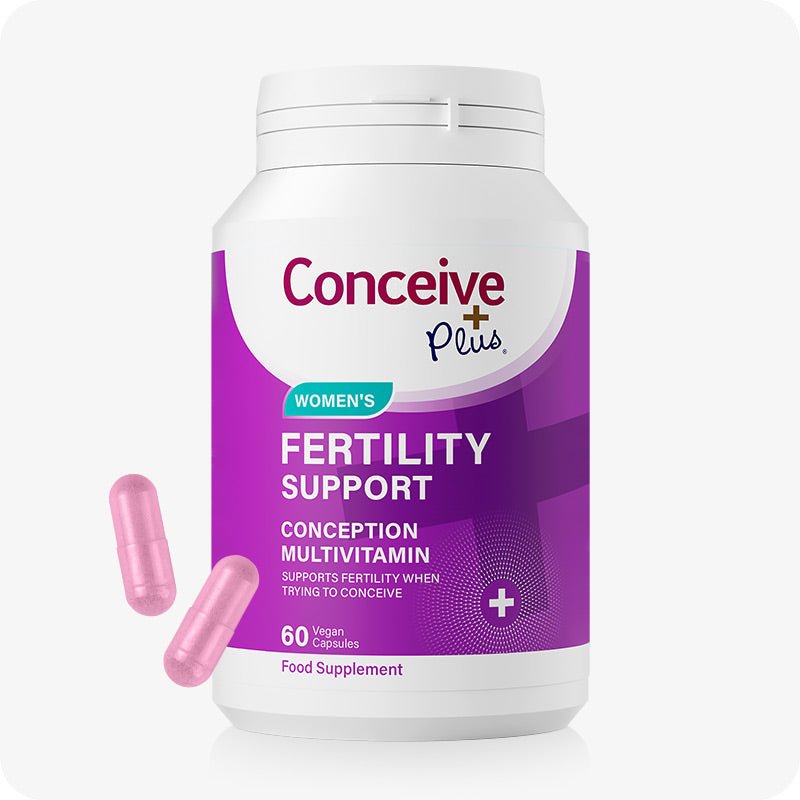
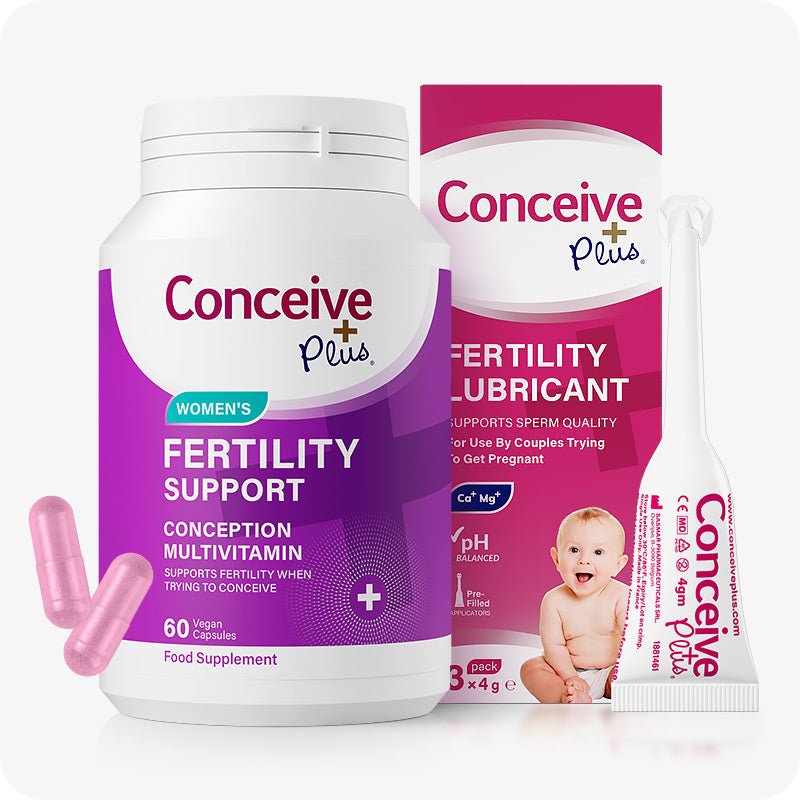
Conception is a shared journey, and while tracking discharge is a female-led process, the partner's motility is equally important. Improving the conception environment involves looking at both sides of the partnership. You can explore the His and Hers Fertility Support bundles to provide your bodies with the vitamins and minerals needed for total cycle optimisation. We encourage you to trust the signals your body provides while giving it the gentle, scientific support it needs to thrive. With the right tools and a clear understanding of your fertile window, you can move forward on your path to parenthood with quiet confidence.
Empowering Your Path to Parenthood
Your body's biological signals are powerful, real-time tools on your journey toward conception. By learning to recognize and record the specific signs of ovulation discharge, you've moved from a place of uncertainty to one of informed confidence. You now understand that these cyclical changes are a sophisticated system designed to protect and transport sperm at precisely the right moment. Whether you're identifying peak egg white mucus or managing a drier cycle, this knowledge allows you to time intercourse with clinical precision. Trust your body's unique rhythm.
Providing your body with the right external support can be just as vital as internal tracking. Our doctor-recommended formula is patented with Calcium and Magnesium to mimic natural fertile fluids and support sperm vitality. Trusted by millions of couples worldwide since 2008, we are dedicated to helping you create the most welcoming environment possible for your future family. Shop the Conceive Plus Fertility Range to optimise your journey and give your body the partnership it deserves. You're doing the important work of listening to your body; trust that your dedication and care are moving you closer to your goal every day.
Frequently Asked Questions
Can I still get pregnant if I don't see egg white cervical mucus?
Yes, it is possible to conceive even if you don't notice the classic stretchy, egg white texture. While this specific consistency is the most fertile, sperm can still survive in "watery" or even "creamy" mucus, although the environment is less optimized. Some women produce fertile mucus that stays primarily at the cervix and isn't easily visible on a tissue, making it seem like their cycle is dry when it isn't.
How many days after my period should I start checking for ovulation discharge?
You should begin checking for changes as soon as your period ends. Starting early allows you to establish your baseline "dry" days, which makes it much easier to identify the first signs of ovulation discharge when they finally appear. Daily observation is the most effective way to catch the transition from sticky or creamy textures to the slippery fluids of your fertile window.
Does drinking more water really increase cervical mucus volume?
Yes, hydration is the foundation of mucus production because cervical fluid is composed of 90 to 95 percent water. If you're dehydrated, your body will prioritize vital organs and may produce less abundant or thicker cervical fluid. Staying consistently hydrated ensures your cervix has the necessary resources to produce the slippery, high-volume discharge that helps sperm reach the egg.
Why is my cervical mucus creamy right before my period is due?
Creamy discharge in the days leading up to your period is caused by the rise of progesterone after ovulation. This hormone thickens the mucus to create a physical barrier that protects the uterus from bacteria. It's a natural sign that your fertile window has closed and your body has entered the luteal phase, regardless of whether conception occurred during that cycle.
Can certain medications like antihistamines dry up my fertile mucus?
Yes, antihistamines are designed to dry out mucous membranes to relieve allergy symptoms, but this effect isn't limited to your nose. These medications can significantly reduce the volume and stretchiness of your cervical fluids, making it harder to observe signs of ovulation discharge. If you're actively trying to conceive, you might want to discuss alternative allergy management strategies with your doctor.
What is the difference between fertile discharge and a yeast infection?
Fertile discharge is typically clear or translucent, stretchy, and completely odourless. In contrast, a yeast infection usually produces discharge that is thick, white, and clumpy, often resembling cottage cheese. Infections are almost always accompanied by secondary symptoms like persistent itching, redness, or a distinct yeasty odour, which are never present with normal fertile mucus.
Is it possible to have EWCM but not actually ovulate?
Yes, your body can produce egg white cervical mucus (EWCM) without actually releasing an egg. This happens when oestrogen levels rise enough to change the mucus, but the subsequent Luteinizing Hormone (LH) surge isn't strong enough to trigger ovulation. This "false start" is common in women with PCOS or during cycles affected by significant illness or high stress.
How does age affect the quality and quantity of ovulation discharge?
As women move through their 30s and 40s, the number of days they experience high-quality fertile mucus typically decreases. Lower oestrogen levels can result in discharge that is less abundant or less stretchy than in previous years. However, even a single day of fertile-quality mucus provides a viable window for conception, especially when supported by a healthy lifestyle and proper hydration.