After Loss: Your Complete Guide to Physical and Emotional Recovery After Miscarriage


Miscarriage is one of the most painful experiences a person can face — a grief that is often invisible to the outside world but devastating for those who live through it. Whether your loss occurred very early or later in pregnancy, whether it was your first or one of several, the pain is real, valid, and deserving of care and attention.
This guide is written for anyone who has experienced pregnancy loss: for those in the immediate aftermath of miscarriage, for those weeks or months into recovery, and for those trying to understand what their body and mind need to heal. It is also for the partners, family members, and friends who want to offer meaningful support.
Recovery from miscarriage involves both physical healing and emotional processing — and both deserve equal attention and time.
Understanding Miscarriage: Statistics and Context
Miscarriage is far more common than many people realise, though this knowledge rarely diminishes the pain when it happens to you. Understanding the statistics can, however, help dissolve some of the isolation and shame that often accompanies pregnancy loss.
According to the NHS, approximately 1 in 8 confirmed pregnancies ends in miscarriage. The Miscarriage Association in the UK reports that around 250,000 miscarriages occur in the UK each year — that's nearly 700 every day. When early chemical pregnancies (very early losses before a missed period) are included, the figure may be as high as 1 in 4 pregnancies.
The vast majority of miscarriages (approximately 75–80%) occur in the first trimester, before 12 weeks of pregnancy. The most common cause is chromosomal abnormality in the embryo — essentially, a genetic error that occurred during fertilisation or early cell division. This is a random event that does not reflect on the mother's health, actions, or fitness for pregnancy.
Key facts about miscarriage causes:
- Chromosomal abnormalities account for approximately 50–70% of early miscarriages
- Blood clotting disorders (such as antiphospholipid syndrome) are associated with recurrent miscarriage
- Uterine structural abnormalities affect a smaller proportion of cases
- Hormonal imbalances (including thyroid disorders and uncontrolled diabetes) can increase risk
- In the majority of isolated (single) miscarriages, no specific cause is identified
Critically: miscarriage is almost never caused by normal physical activity, sex, stress, exercise, or anything the mother did or didn't do. This is vital to understand, because guilt and self-blame are extremely common — and deeply misplaced — responses to pregnancy loss.
Physical Recovery: What to Expect and Timeline
Supporting Your Journey
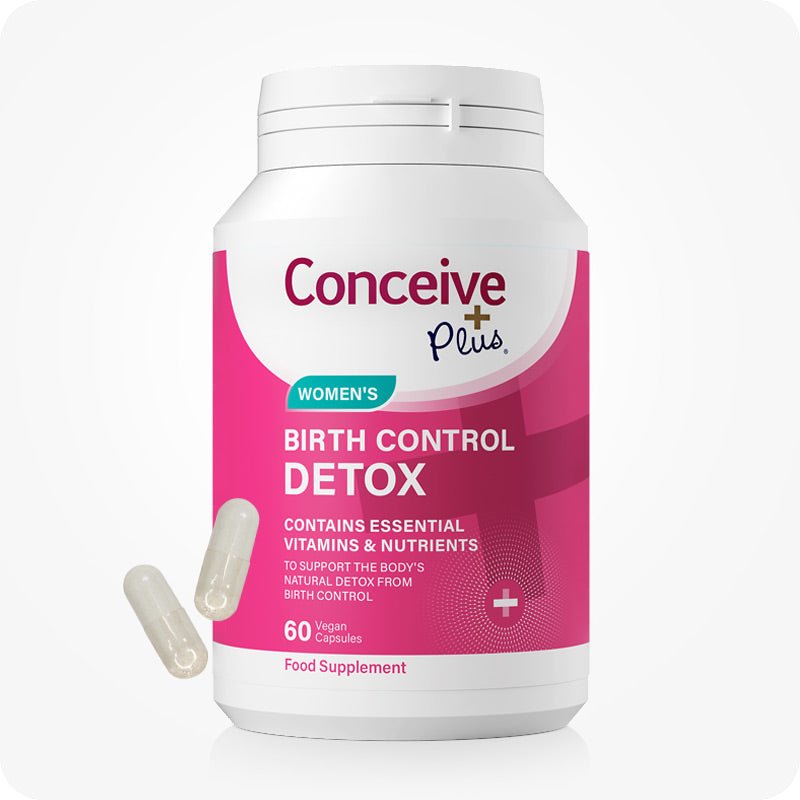
As your body heals after loss, targeted nutritional support can help restore key nutrients depleted during pregnancy. Conceive Plus Prenatal provides comprehensive prenatal nutrition to support your physical recovery and prepare your body when you're ready to try again.
Explore Conceive Plus Prenatal →Physical recovery from miscarriage varies depending on how far along the pregnancy was and how the miscarriage occurred — whether naturally, medically managed, or surgically. Here is a general overview of what physical recovery typically involves.
Immediately After Miscarriage: Bleeding and cramping are normal after miscarriage. For a natural (expectant) miscarriage, this can last 1–2 weeks and may be heavy, particularly in the early days. Medical management (taking medications to pass the pregnancy) typically causes heavier bleeding and cramping for 24–48 hours, followed by lighter bleeding. Surgical management (ERPC — evacuation of retained products of conception) typically results in lighter, shorter bleeding, with the uterus cleared under anaesthetic.
First Two Weeks: Physical symptoms during this period may include ongoing bleeding (light to moderate), cramping, fatigue, breast tenderness (as pregnancy hormones decline), and possible nausea as hCG levels drop. Passing large clots or experiencing fever with heavy bleeding warrants immediate medical attention, as these can indicate retained tissue or infection.
hCG Levels Returning to Zero: After miscarriage, hCG (the pregnancy hormone) gradually declines. The time this takes depends on how high levels had risen. After a very early loss, hCG may return to zero within 2–4 weeks. After a later first-trimester or second-trimester loss, it may take 4–8 weeks or longer. Home pregnancy tests may remain positive for several weeks after miscarriage as hCG clears from the body.
Return of Menstruation: Most women experience their first period approximately 4–6 weeks after miscarriage, though this can vary. The first period after loss may be heavier or lighter than usual and may be accompanied by more intense cramping. Cycle regularity typically restores within 1–3 cycles.
Warning Signs Requiring Medical Attention:
- Soaking more than one thick pad per hour for two consecutive hours
- Fever above 38°C (100.4°F)
- Severe abdominal pain not relieved by over-the-counter painkillers
- Foul-smelling discharge
- Signs of infection after a few days (increased pain, fever, chills)
- No bleeding at all after expectant management for more than 2 weeks
The Emotional Journey: Healing Stages After Pregnancy Loss
The emotional experience of miscarriage is as unique as the person experiencing it. There is no "right" way to grieve a pregnancy loss, no timeline that you should be following, and no emotional response that is inappropriate or excessive.
Many people find that their emotional response to miscarriage follows a nonlinear path through several recognisable experiences:
Shock and Disbelief: Particularly in the immediate aftermath, shock is common — even if the miscarriage was anticipated after a scan showed concerns. The reality that the pregnancy has ended can take time to process.
Grief: Grief after miscarriage is real grief — for the baby imagined, the future planned, the pregnancy experiences expected. This grief may come in waves and may be triggered by unexpected things: due dates, pregnancy announcements, seeing babies, or even hearing the word "pregnant."
Guilt and Self-Blame: Many people question whether something they did caused the loss — exercising, eating a certain food, having sex, not resting enough. As discussed above, this is almost never the case, but the mind searches for reasons. Recognising guilt as a normal grief response (while not accepting false responsibility) is important.
Anger: Anger at the situation, at the body, at perceived unfairness, at the universe — these are all valid expressions of grief. Anger that "it's not fair," particularly when others around you seem to conceive easily, is a natural response to an inherently unfair situation.
Anxiety About Future Pregnancies: After miscarriage, subsequent pregnancies are often experienced with heightened anxiety. The innocence of assuming pregnancy equals baby can feel permanently changed. This is entirely understandable, and with support, many people learn to manage this anxiety while still allowing hope.
Isolation: Because pregnancy loss is often invisible — many people haven't yet announced their pregnancy — the grief can be hidden, making support difficult to access. The Miscarriage Association offers support resources specifically designed for this isolating grief.
Research consistently shows that miscarriage is associated with significant psychological impact. A landmark study published in the BMJ found that women who experienced miscarriage had significantly elevated rates of post-traumatic stress disorder (PTSD), anxiety, and depression in the months following loss. This underscores the importance of taking your mental health seriously and seeking professional support when needed.
When to Try Again: Medical Guidance and Individual Readiness
One of the first questions many people ask after miscarriage is: when can we try again? The answer involves both medical considerations and personal readiness.
The World Health Organization (WHO) previously recommended waiting at least 6 months before trying to conceive after miscarriage. However, a major study published in The Lancet in 2016, analysing over 30,000 pregnancies, found that women who conceived within 6 months of miscarriage had better outcomes than those who waited longer — lower rates of miscarriage, preterm birth, and caesarean section, and higher rates of live birth.
Current guidance from the NHS and many UK fertility specialists is that there is no medical reason to wait a specific length of time after a first or second miscarriage, provided:
- The miscarriage is physically complete (confirmed by scan if needed)
- hCG has returned to zero
- There are no ongoing complications
- Both partners feel emotionally ready
Many couples choose to wait for at least one period before trying again, both for dating purposes (easier to establish gestational age) and for emotional readiness. This is entirely reasonable and supported by most practitioners.
After recurrent miscarriage (typically defined as three or more consecutive losses), specialist investigation is recommended before attempting further conception, and guidance on timing will be individualised.
Supporting Your Partner Through Miscarriage
Partners often find themselves in a deeply challenging position after miscarriage: they may be experiencing their own grief while feeling they need to "be strong" for their partner, and their grief may receive less acknowledgement from others.
Partners grieve too. Their loss is real and valid, even if the physical experience is different. Many partners report feeling helpless, unsure what to say or do, and uncertain whether their own grief is "allowed."
What partners can do:
- Be present, even in silence — sometimes just being there is enough
- Ask what kind of support is needed rather than assuming
- Acknowledge the loss explicitly, using words like "our baby" or "our pregnancy" if that feels right
- Allow your partner to grieve in their own way and at their own pace
- Take practical tasks off their plate (cooking, household management, communicating with others)
- Share in marking the loss if that's meaningful — planting a tree, choosing a name, lighting a candle
- Seek your own support — from friends, family, or a counsellor — rather than suppressing your grief
Natural Ways to Support Your Body's Recovery
While physical recovery from miscarriage largely happens naturally, there are evidence-informed steps you can take to support your body during the healing process.
Nutrition for Recovery: A nutritious, balanced diet supports physical healing. Focus on iron-rich foods (red meat, legumes, leafy greens) to replenish stores depleted by bleeding; folate and B vitamins (leafy greens, legumes, eggs) essential for future conception; omega-3 fatty acids (oily fish, flaxseed, walnuts) for inflammation reduction; protein for tissue repair; and antioxidants (vitamins C and E, zinc, selenium) to protect reproductive cells.
Prenatal Vitamins: Continuing or starting a comprehensive prenatal supplement after miscarriage supports nutritional recovery and preparation for future conception. Folic acid (or methylfolate) is particularly important to maintain, as it's critical in the earliest days of a new pregnancy — before you may even know you're pregnant.
Rest and Gentle Activity: Allow your body to rest in the immediate aftermath of miscarriage. Gentle activity — walking, gentle yoga — can be resumed when it feels comfortable. High-intensity exercise should wait until physical recovery is complete. Listen to your body rather than following a rigid timeline.
When to Seek Medical Help
Most people recover from miscarriage without complications, but knowing when to seek medical advice is important.
Physical red flags requiring prompt medical attention:
- Heavy bleeding that soaks more than one pad per hour for two consecutive hours
- Fever above 38°C combined with abdominal pain or foul-smelling discharge
- Signs of ectopic pregnancy: severe one-sided pain, shoulder tip pain, dizziness, collapse
- Positive pregnancy test persisting more than 8 weeks after miscarriage
- No return of menstruation after 8 weeks
Mental health support — please seek help if you experience:
- Persistent feelings of hopelessness or worthlessness
- Inability to function in daily life for more than a few weeks
- Intrusive thoughts or flashbacks related to the miscarriage
- Thoughts of self-harm
- Significant anxiety that is interfering with daily functioning
UK resources: Miscarriage Association helpline 01924 200799, Tommy's miscarriage support, your GP, BPAS counselling services. If you are in crisis, contact Samaritans on 116 123 (24 hours).
Frequently Asked Questions About Miscarriage Recovery
Q: Did I do something to cause my miscarriage?
A: Almost certainly not. The overwhelming majority of miscarriages are caused by chromosomal abnormalities in the embryo — a random genetic event that no lifestyle factor, action, or inaction can cause or prevent. Exercise, sex, stress, morning sickness, previous contraceptive use, and minor falls are not causes of miscarriage.
Q: How long should I be off work after a miscarriage?
A: This is highly individual. Some people return to work within days; others need weeks. UK employment law entitles you to sick leave for physical and mental health conditions — miscarriage qualifies as both. Discuss your needs with your GP, who can provide a fit note if required.
Q: My partner seems to be over it already. Is that normal?
A: People grieve differently and on different timelines. Your partner may appear outwardly recovered while still processing the loss internally, or they may genuinely have reached a different place more quickly. Open communication about each other's needs, and professional support if needed, can help.
Q: Will having a miscarriage affect my future fertility?
A: In most cases, a single uncomplicated miscarriage does not affect future fertility. The Lancet study found better outcomes when couples tried again promptly after miscarriage. Complications such as infection or retained tissue, if not properly treated, can potentially affect fertility — which is why medical follow-up is important.
Q: I felt relieved after my miscarriage. Is that wrong?
A: Relief is a valid emotional response, particularly if the pregnancy was unplanned, if there were known problems with the pregnancy, or if the physical and emotional burden had been heavy. Relief doesn't mean you didn't love or want the pregnancy, and it doesn't make your grief less real.
Q: My due date is approaching. How do I cope?
A: Due dates after miscarriage can be very difficult — a painful reminder of what might have been. Be gentle with yourself around this time. Some people find it helpful to mark the date in some meaningful way; others prefer distraction. Plan ahead for how you'll spend the day if you think it will be hard. Talk to someone who knows about your loss.
Q: How do I respond to insensitive comments?
A: Comments like "at least it was early," "you can try again," or "it wasn't meant to be" are almost always well-intentioned but can feel dismissive. You're not obligated to educate everyone. A simple "thank you, it's been difficult" and a change of subject is perfectly acceptable.
Q: Is counselling helpful after miscarriage?
A: Yes — research consistently shows that psychological support improves outcomes after pregnancy loss. The Miscarriage Association offers counselling referrals, and many hospitals with specialist Early Pregnancy Units have attached counselling services. Your GP can also refer you through NHS talking therapies (IAPT). You don't need to be in crisis to benefit from counselling.
Miscarriage is a loss like any other — deserving of acknowledgement, mourning, and time to heal. Be kind to yourself through this process. Your grief is valid. Your healing matters. And when the time is right, hope can return.
Supporting Your Journey
As your body heals after loss, targeted nutritional support can help restore key nutrients depleted during pregnancy. Conceive Plus Prenatal provides comprehensive prenatal nutrition to support your physical recovery and prepare your body when you're ready to try again.
Explore Conceive Plus Prenatal →