Timing Intercourse: The Science of Identifying Your Fertile Window for Maximum Conception Success


Understanding when to have intercourse is one of the most powerful tools available to couples trying to conceive. Despite its apparent simplicity, the timing of intercourse around ovulation is the single most influential behavioural factor determining whether conception occurs in any given cycle. Research indicates that approximately 30% of couples who are trying to conceive are mistiming their intercourse, placing them outside the fertile window even when all other factors are optimal.
The fertile window — the days during which intercourse can result in pregnancy — is remarkably narrow. A landmark study published in the New England Journal of Medicine established that the fertile window spans approximately 6 days: the 5 days leading up to ovulation plus ovulation day itself. The probability of conception rises sharply from approximately 2 days before ovulation, peaks on the day before ovulation, and falls to near zero by the day after ovulation.
This guide provides a comprehensive, evidence-based framework for timing intercourse to maximise your chances of conception, drawing on the latest research in reproductive biology, chronobiology, and fertility awareness methods.
Understanding the Menstrual Cycle: A Primer
The menstrual cycle is typically described as 28 days, but only about 13% of women actually have a 28-day cycle. Normal cycle length ranges from 21 to 35 days, and what matters for conception timing is not the length of your cycle per se, but when ovulation occurs within it.
The cycle is divided into two phases separated by ovulation. The follicular phase — from the first day of menstruation until ovulation — is variable in length and can range from 10 to 22 days. The luteal phase — from ovulation until the next menstrual period — is relatively fixed at 12 to 16 days for most women, with 14 days being the average.
Ovulation itself is the release of a mature egg from the ovarian follicle. Once released, the egg remains viable for fertilisation for approximately 12 to 24 hours only. Sperm, however, can survive within the female reproductive tract for up to 5 days under optimal conditions.
Methods for Predicting Ovulation
Cervical Mucus Monitoring: Changes in cervical mucus are one of the most reliable indicators of approaching ovulation. As estrogen levels rise, the cervix produces increasing amounts of mucus that changes from sticky or creamy to a clear, stretchy, raw-egg-white consistency. A systematic review of 17 studies found that cervical mucus monitoring alone identified the fertile window with a sensitivity of 93% and specificity of 85%.
Ovulation Predictor Kits (OPKs): These over-the-counter tests detect the surge in luteinising hormone (LH) that occurs 24 to 36 hours before ovulation. When used correctly, OPKs detect the LH surge with 97% accuracy. For best results, test in the afternoon or early evening between 2 PM and 6 PM.
Basal Body Temperature (BBT) Charting: Tracking your temperature upon waking each morning provides retrospective confirmation of ovulation. A sustained temperature rise of 0.2-0.5°C indicates that ovulation has already occurred.
Fertility Tracking Apps: A 2023 evaluation of the top 20 fertility apps found that only 20% accurately identified the fertile window based on the user's own cycle data rather than generic algorithm predictions.
Optimal Frequency and Timing of Intercourse
Daily intercourse during the fertile window results in the highest per-cycle pregnancy rates. A prospective study of 203 couples found that those who had intercourse every day during the 6-day fertile window had a 37% pregnancy rate per cycle, compared to 22% for every-other-day.
The optimal timing relative to ovulation is the day before ovulation and ovulation day itself. The probability of conception on the day before ovulation has been estimated at 35-40%, dropping to 30-35% on ovulation day itself.
The Role of Fertility Lubricants in Conception Timing
Many couples use personal lubricants during intercourse, but product choice matters enormously. A study presented at the ASRM Annual Meeting tested 18 commercially available lubricants for their effect on sperm motility and found that 14 of them significantly impaired sperm function.
Conventional lubricants typically have an osmolality far outside the physiological range for sperm survival. The World Health Organisation recommends that products contacting sperm should have an osmolality between 200 and 380 mOsm/kg. Many common lubricants have osmolalities exceeding 1,000 mOsm/kg, causing rapid sperm dehydration.
Sperm-friendly fertility lubricants are formulated to mimic the ionic composition and pH of fertile-quality cervical mucus. A randomised trial found that using a fertility-friendly lubricant resulted in significantly higher sperm motility at 1 hour compared to using no lubricant or a standard lubricant.
Age, Cycle Regularity, and Timing Adjustments
Women aged 35 and over should consider starting intercourse at the first sign of fertile-quality cervical mucus rather than waiting for a positive OPK. A study of 800 women aged 35-45 found that those who began intercourse at the first appearance of egg-white mucus had 25% higher pregnancy rates.
Male Factor Considerations for Timing
The World Health Organisation recommends 2-7 days of abstinence for standard semen analysis, but for couples trying to conceive, the evidence suggests that 1-3 days of abstinence leads to optimal sperm quality. A study of 5,400 men found that sperm DNA integrity was best with 1-3 days of abstinence.
Common Timing Mistakes and How to Avoid Them
Starting too late: For a 28-day cycle with ovulation on day 14, the fertile window begins around day 9 or 10. Start monitoring early.
Stopping too soon: Continue intercourse until 2 days after ovulation is confirmed.
Relying on calendar predictions alone: A 2022 study found that calendar-only apps predicted the fertile window correctly in only 21% of cycles.
Using harmful lubricants: Most personal lubricants significantly impair sperm function. Switch to a fertility-friendly lubricant.
FAQ — Frequently Asked Questions About Timing Intercourse
Q1: How long after ovulation can I get pregnant?
The egg is viable for approximately 12-24 hours after ovulation.
Q2: Can I get pregnant from intercourse 3 days before ovulation?
Yes. Sperm can survive up to 5 days in fertile-quality cervical mucus.
Q3: Should I use an ovulation predictor kit every day?
Start testing 3-4 days before expected ovulation. Once daily is sufficient for most women.
Q4: Does time of day matter for conception?
Current evidence shows no significant difference. Choose what works best for you and your partner.
Q5: How long should I lie down after intercourse?
There is no definitive evidence, but lying down for 15-20 minutes may facilitate sperm transport.
Q6: Can I still conceive with irregular cycles?
Yes, but use multiple tracking methods for best results.
Q7: Is it normal to feel pressure around timing intercourse?
It is extremely common. Consider taking a break from tracking if it causes stress.
Q8: What if I never detect an LH surge?
Some women have naturally lower LH levels. Combine OPKs with mucus tracking.
Q9: Can I use OPKs if I have PCOS?
Women with PCOS often have chronically elevated LH levels. Cervical mucus monitoring is often more reliable.
Q10: What lubricant should I use during the fertile window?
Always use a fertility-friendly lubricant. Avoid conventional lubricants during this time.
Optimise Every Step with Conceive Plus
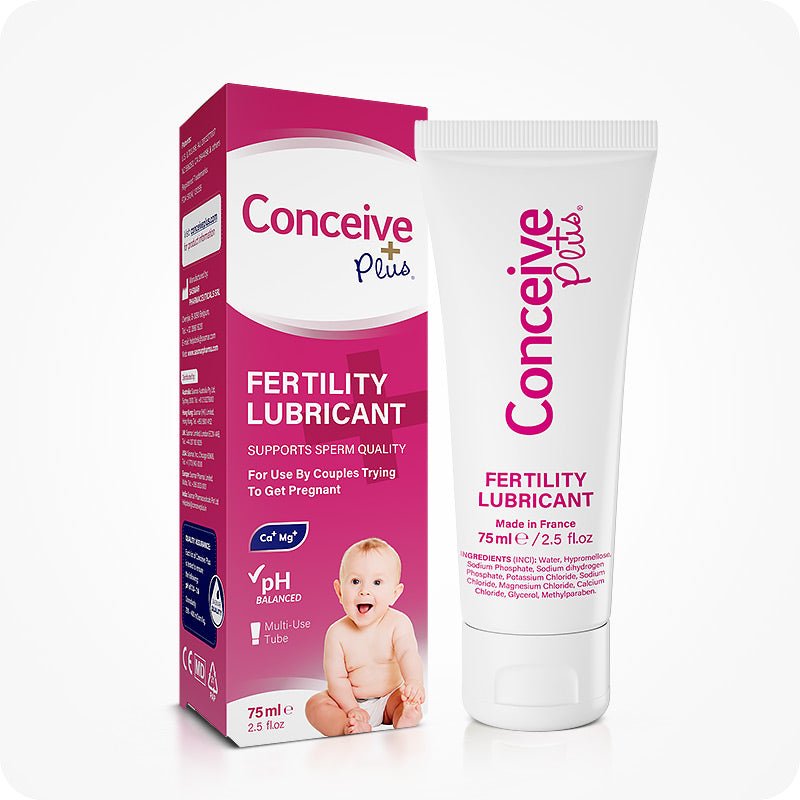
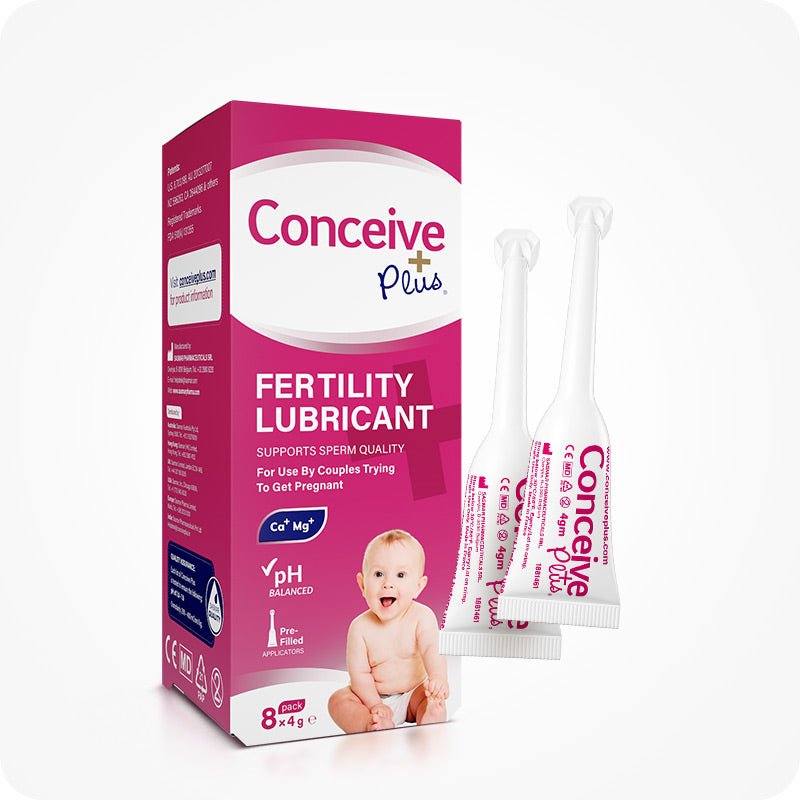
When every day of your fertile window counts, having the right support matters. Conceive Plus Fertility Lubricant is clinically tested to be sperm-friendly, matching the pH and osmolality of fertile-quality cervical mucus. Use it confidently throughout your fertile window.