Secondary Infertility: Understanding, Coping, and Finding Your Path to Expanding Your Family


What Is Secondary Infertility?
Secondary infertility is the inability to conceive or carry a pregnancy to term after having already given birth to one or more biological children. It affects approximately 11% of couples — roughly one in nine — yet it remains one of the most misunderstood and emotionally isolating fertility challenges.
Unlike primary infertility, where a couple has never conceived, secondary infertility comes with a unique emotional burden: having conceived before creates an expectation that it should happen again with ease. Many couples report feeling guilty for struggling when they already have a child. Friends and family may dismiss their struggle with well-meaning but painful comments like "at least you already have one."
Common Causes of Secondary Infertility
Age-Related Changes: Egg quality declines with age due to increasing DNA damage. If years have passed since your last pregnancy, your ovarian reserve may have decreased significantly.
Weight Changes: Significant weight gain or loss can disrupt hormonal balance. Even a 10% change from your previous pregnancy weight can affect fertility.
New Medical Conditions: Endometriosis, PCOS, thyroid disorders, fibroids, and autoimmune conditions can develop between pregnancies. Endometriosis affects 30-50% of women with infertility.
Male Factor Changes: Sperm quality can decline due to age, lifestyle, medications, or health conditions. Sperm DNA fragmentation increases with age.
Lifestyle Factors: Increased parenting stress, reduced sleep, and less time for self-care can all impact fertility.
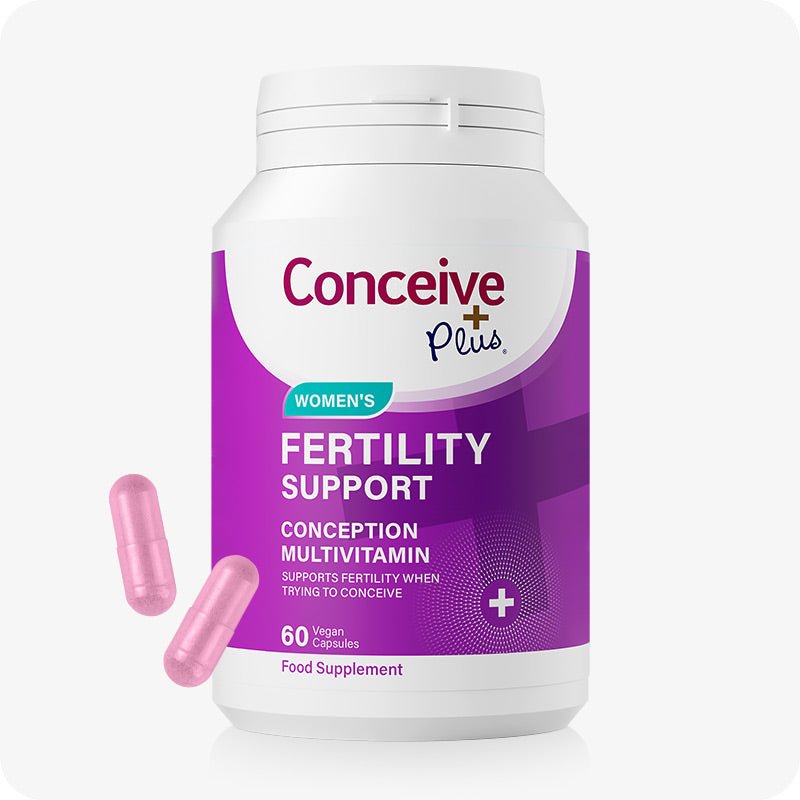
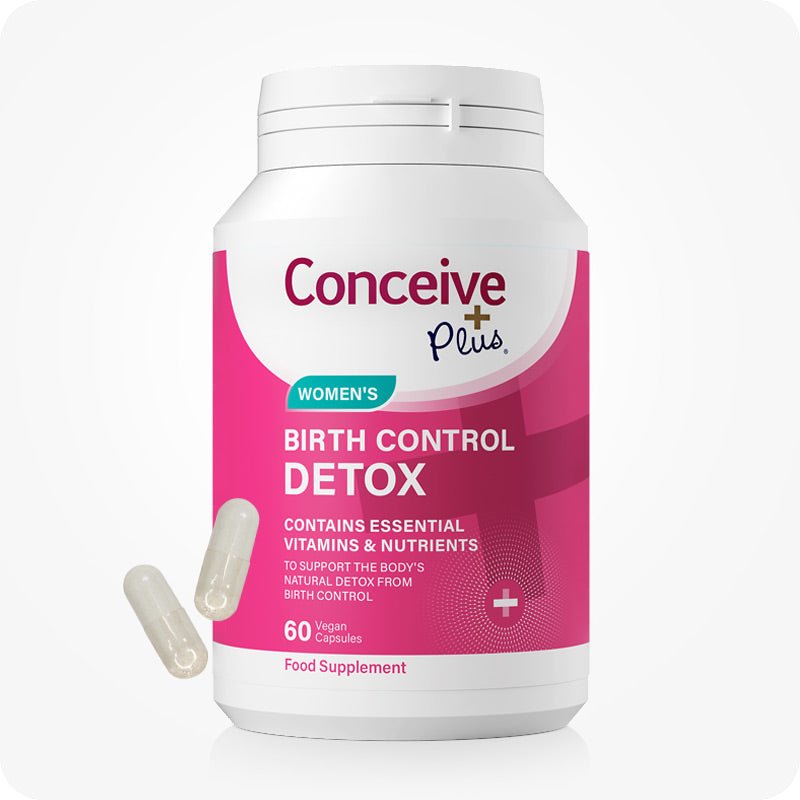
Your fertility journey matters at every stage. Women's Fertility Support provides evidence-based nutrients to support conception.
When to Seek Help
Seek help after 12 months of trying if under 35, or after 6 months if over 35. Given that women with secondary infertility are often over 35, earlier evaluation is frequently warranted. A fertility evaluation typically includes hormone testing, ovarian reserve assessment, semen analysis, and imaging.
Emotional and Psychological Impact
The emotional experience of secondary infertility is distinct. Couples feel caught between two worlds — grateful for their existing child while grieving the family they hoped to have. Support groups specifically for secondary infertility can be invaluable. Organisations like Resolve offer specialised resources.
Treatment Options
Options range from lifestyle modifications and ovulation induction with letrozole or clomiphene to IUI and IVF. About 60% of couples with unexplained secondary infertility conceive within three cycles of ovulation induction with IUI.
Tips for Your Journey
Communicate with your partner: Secondary infertility affects both partners differently. Set boundaries: You don't owe anyone an explanation. Consider counselling: A therapist specialising in fertility can help. Optimise your health: Focus on nutrition, exercise, sleep, and targeted supplementation.
Frequently Asked Questions
Is secondary infertility common? Yes. About 11% of couples experience it.
Can it resolve on its own? About 35% achieve pregnancy within 12 months without treatment.
Does it mean something is permanently wrong? Not necessarily. Many causes are treatable.
How does it differ from primary infertility? Emotionally it carries the burden of having conceived before.
Does age affect secondary infertility? Significantly. Maternal age is one of the strongest predictors.
Can male fertility change between children? Yes. Sperm quality can decline over time.
Is IVF the only option? No. Many succeed with less invasive treatments.
Should I tell my doctor? Absolutely. Your doctor can help investigate causes.
How do I cope emotionally? Seek support groups and consider therapy.
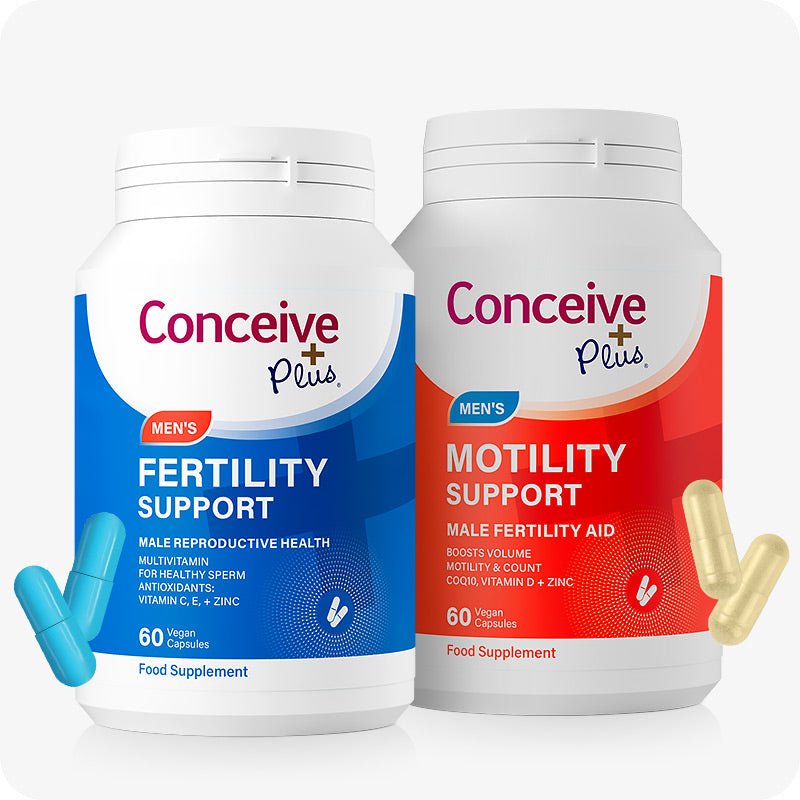
Can supplements help? Yes. Targeted nutrition for both partners improves egg and sperm quality.
Your path to expanding your family starts here. Women's Fertility Support from Conceive Plus provides precisely formulated nutritional support for your fertility journey.