The Fertility Diet: An Evidence-Based Guide to Eating for Optimal Reproductive Health and Conception Success


The connection between what you eat and your ability to conceive is among the most powerful tools in the fertility journey. Research confirms that dietary patterns significantly influence ovulation, sperm quality, implantation success, and early pregnancy outcomes.
The Science Behind Fertility and Nutrition
The Nurses' Health Study II followed over 18,000 women and found that those adhering to a fertility-optimised dietary pattern had a 66% lower risk of ovulatory infertility. The winning pattern: monounsaturated fats, plant protein, high-fibre carbohydrates, and full-fat dairy.
Nutrition Meets Science: Conceive Plus Fertility Support
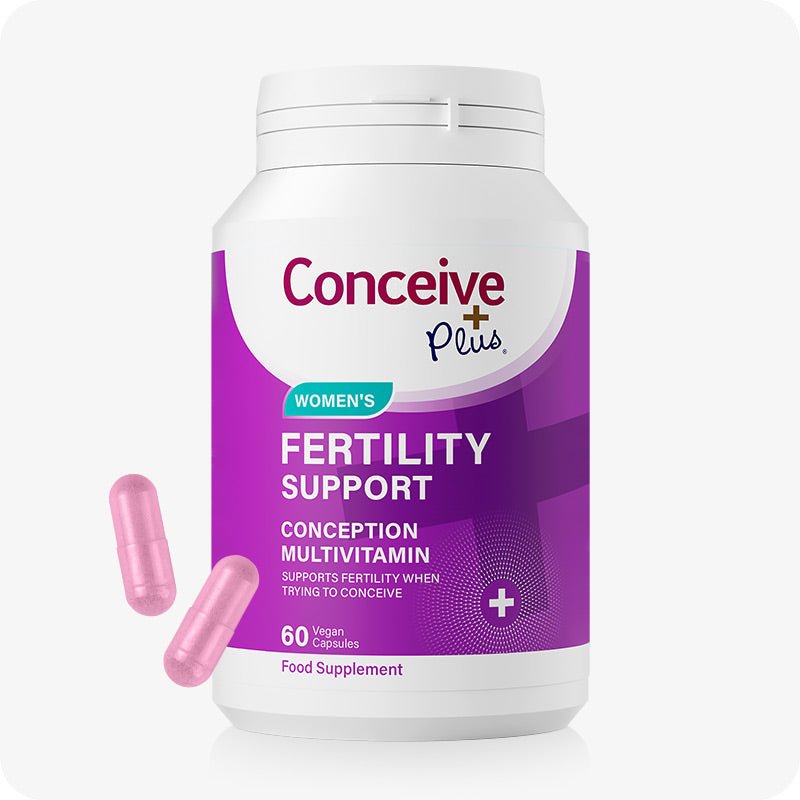
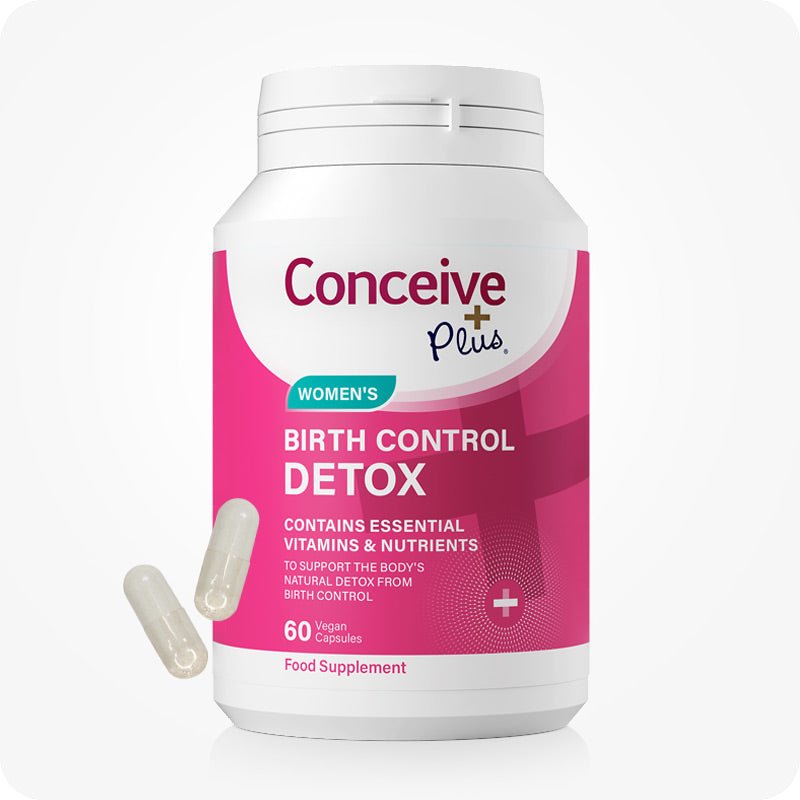
While a fertility diet lays the foundation, targeted supplementation fills the nutritional gaps. Conceive Plus Fertility Support combines clinically studied nutrients — methylated folate, CoQ10, vitamin D3, and zinc — to bridge the gap between good nutrition and optimal reproductive health. Discover Conceive Plus Women's Fertility Support →
Macronutrients for Fertility
Carbohydrates
Choose slow-digesting, high-fibre carbs: whole grains, legumes, non-starchy vegetables, whole fruits. Avoid refined grains and sugary beverages.
Protein
Replacing just 5% of animal protein with plant protein reduces ovulatory infertility risk by approximately 50%.
Fats
Monounsaturated fats (olive oil, avocados, almonds) improve fertility. Trans fats increase infertility risk by over 70%. Omega-3s support hormonal balance.
Critical Micronutrients
Folate: Reduces neural tube defect risk by 70%. Methylated folate (5-MTHF) is preferable. Vitamin D3: Receptors throughout the reproductive system. CoQ10: Improves egg quality and sperm motility. Zinc/Selenium: Critical for ovulation and sperm health.
Practical Meal Guide
Breakfast: Overnight oats with chia, walnuts, berries; eggs with spinach on whole-grain toast.
Lunch: Quinoa bowl with roasted vegetables; or lentil soup with salad.
Dinner: Grilled salmon with sweet potato and broccoli; tofu stir-fry with brown rice.
Snacks: Almonds and apple; hummus with carrot sticks; berries with Greek yoghurt.
What to Avoid
Alcohol: Even moderate intake reduces fertility. Caffeine: Over 300mg/day linked to delayed conception. Ultra-processed foods: Promote inflammation. High-mercury fish: Choose salmon, sardines instead.
Build Your Fertility Foundation
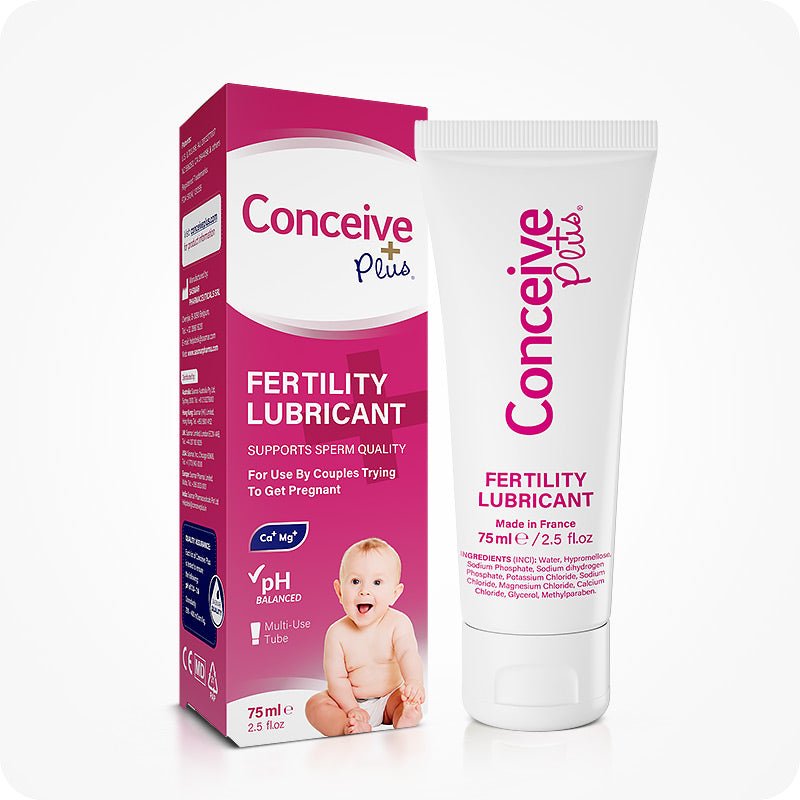
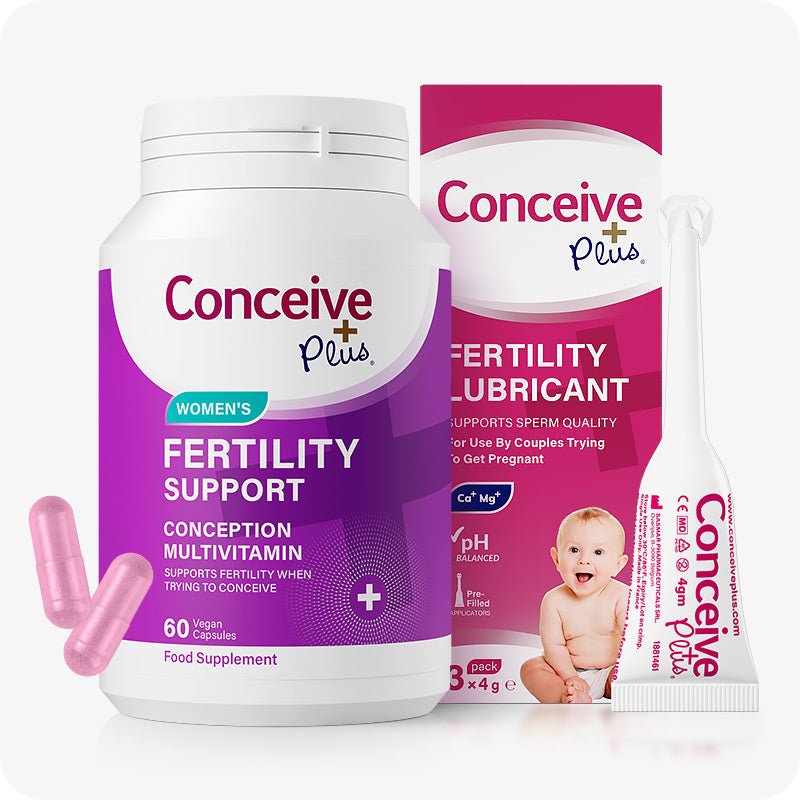
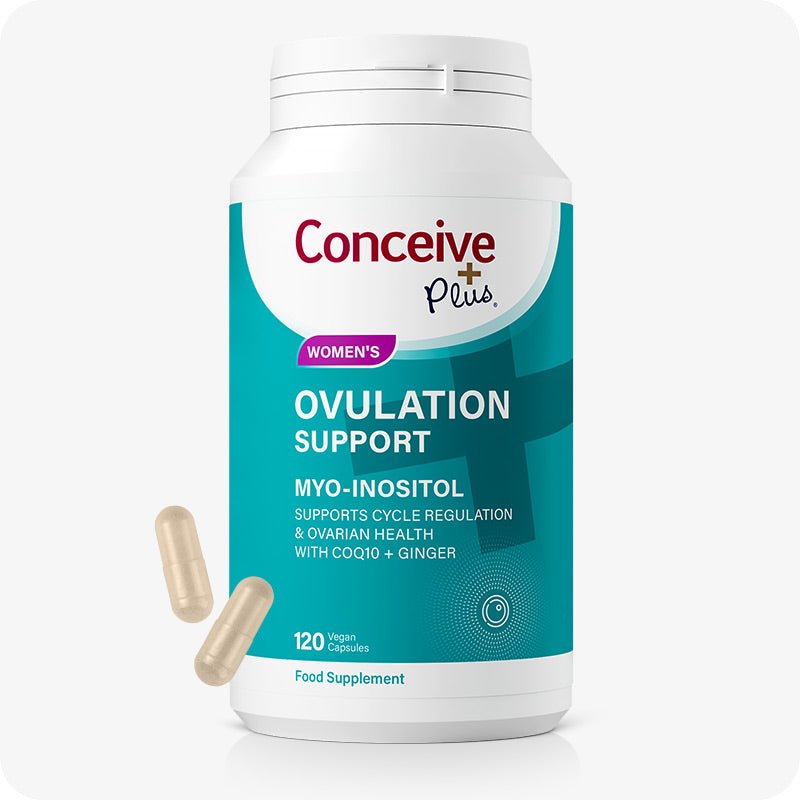
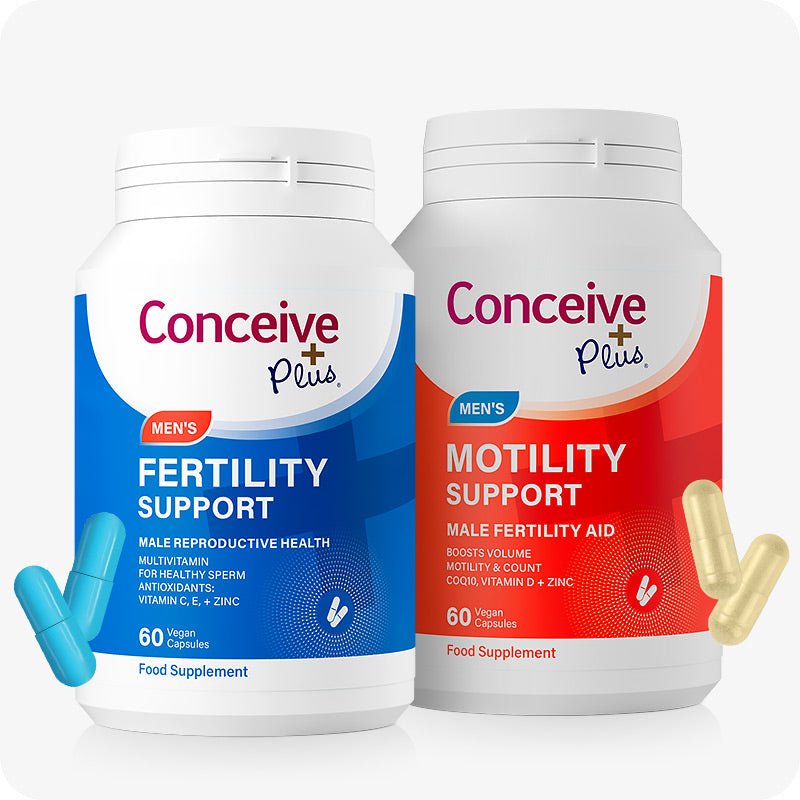
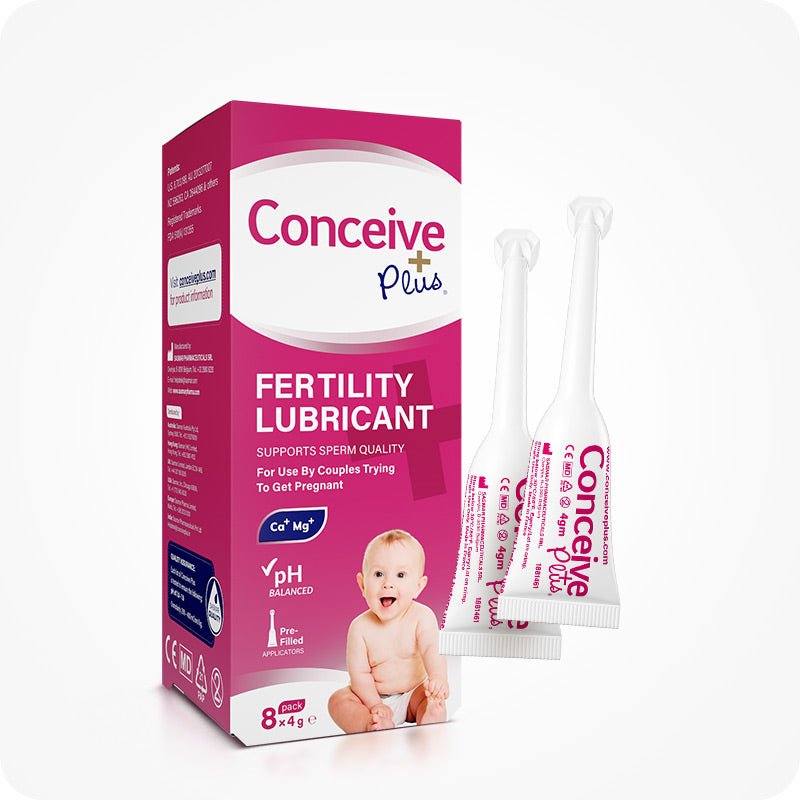
A fertility-optimised diet paired with targeted supplementation creates the most powerful foundation for conception. Conceive Plus offers evidence-based supplements for both women and men. Shop Conceive Plus →
Frequently Asked Questions
How long before TTC should I start?
3–6 months — egg and sperm development take 90–120 and 74 days respectively.
Is dairy good or bad?
Full-fat dairy appears beneficial; low-fat may increase infertility risk.
Is soy safe?
Yes. Moderate soy (1–2 servings/day) is safe and may improve IVF outcomes.
Should I take supplements too?
Yes. Even the best diet has gaps. A quality prenatal provides insurance.
Is intermittent fasting safe?
Generally not recommended during preconception as it may disrupt menstrual cyclicity.
Can diet alone improve fertility?
For ovulatory infertility, dietary changes alone can restore ovulation and lead to pregnancy in many women.
Does the diet differ for men and women?
Core principles are similar. Men benefit from zinc, selenium, CoQ10. Women need folate, iron, and healthy fats.
How much water should I drink?
8–10 glasses daily. Dehydration reduces cervical mucus quality and semen volume.
Does sugar affect fertility?
High sugar intake contributes to insulin resistance, impairing ovulation and sperm health.
Final Thoughts
The fertility diet is not about perfection — it is about pattern and consistency. Small, sustainable changes accumulate into meaningful reproductive health improvements.