Does the Birth Control Pill Affect Fertility?


When considering the birth control pill to prevent pregnancy, the main worry from most women is can birth control pills affect fertility. A common question is does the birth control pill affect fertility, especially for women planning to conceive shortly after stopping its use. In this article, we discuss what birth control pills do to the body, can birth control decrease fertility, and the likelihood of getting pregnant after coming off oral contraceptives.

What Is the Birth Control Pill?
Also known as an oral contraceptive, the birth control pill [1] is a hormonal method of preventing pregnancy. When taken as instructed, which is typically daily, the birth control pill is considered over 99% effective in prohibiting pregnancy.
Due to the hormones contained in oral contraception, it is also used to balance reproductive hormones, manage irregular menstrual cycles, and ease PMS symptoms. Sometimes, the pill is prescribed to treat endometriosis and severe cases of acne, and it can also help reduce the risk of uterine and ovarian cancer.
Many women take oral contraceptives for years and when it comes time to start a family, some might find themselves faced with the question: can birth control affect fertility? Alternatively, younger women first starting birth control pills might question will birth control affect fertility.
The answer to both is usually, no. Keep reading to find out more.
What Does the Birth Control Pill Do to the Body?
The hormones contained in birth control pills are designed to prevent conception i.e. the fertilisation of an egg. It does this in three ways [2].
Firstly, oral contraceptives are formulated to cease or reduce ovulation, which is when an ovary releases a mature egg each month.
Secondly, birth control pills are designed to thicken the cervical mucus, which makes it more difficult for sperm to swim through the cervix and into the fallopian tubes where it could fertilise an egg.
Thirdly, birth control pills thin the lining of the uterus (endometrium) which prevents a fertilised egg from from implanting and growing.
Once you stop taking birth control pills the above-mentioned effects subside. Ovulation is restored, cervical mucus thins to allow the free passage of sperm through the cervix, and the endometrium thickens at the right time of the month in preparation for implantation.
Therefore, the answer to the question, do birth control pills affect fertility, is generally no.

Are There Side Effects to Coming Off the Pill?

✨ Trying to Conceive?
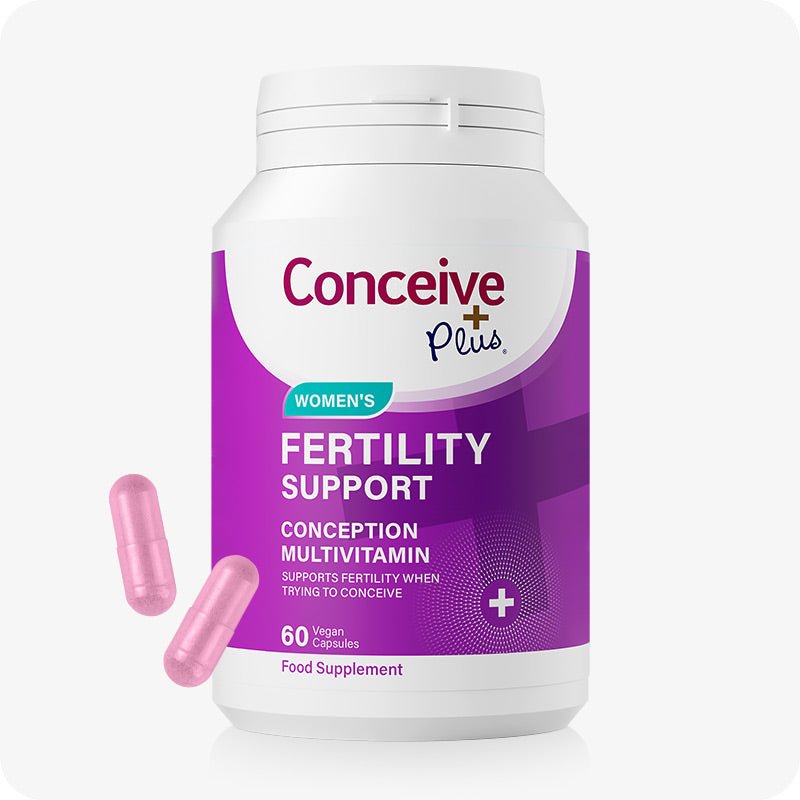
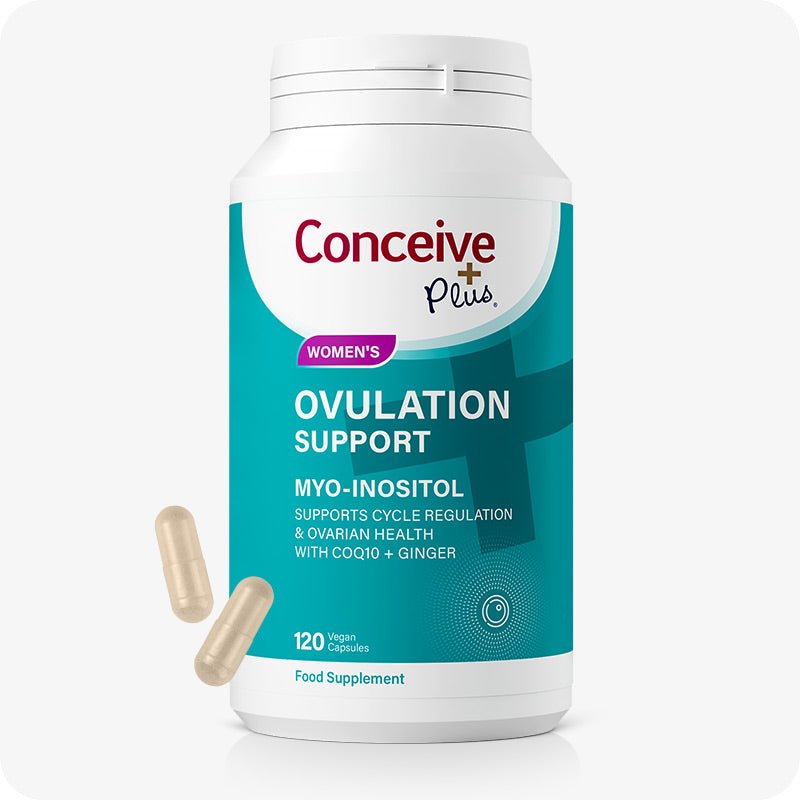
Our fertility supplements combine Myo-Inositol with essential vitamins to support healthy hormone balance and regular ovulation.
Shop Now — $36.00✓ Free shipping available | ✓ Trusted by millions of couples worldwide
Birth control pills contain hormones, and the supplementation of estrogen and/or progestin can cause some temporary changes as the body adapts. So in the same way that some women experience temporary side effects when starting the pill, some will also feel changes after stopping the pill [3].
This can be true of any hormone-based birth control, such as; patches, vaginal rings, IUDs, or rods. However, most side effects from coming off hormone-based contraceptives are temporary and typically subside quickly.
The most common side effects associated with coming off the pill include:
- Breast tenderness
- Irregular menstruation for a few months
- Mood Changes
- Bloating
- Headaches
If you’re experiencing any of these temporary symptoms after stopping the pill, try to be mindful that your body is adapting to less estrogen and/or progestin and give it time.
Over-the-counter pain medication can ease headaches or breast tenderness. Staying hydrated, exercising, and eating a well-balanced diet will help your body adjust to the changes.
Can Birth Control Pills Have a Lasting Effect on Fertility When You Stop Using It?
Within a few months of stopping the pill, most women’s menstrual cycles will return to their normal pattern without any effects on fertility, and conceiving is not usually an issue.
That said, women with an underlying condition like endometriosis [4] or polycystic ovary syndrome (PCOS) [5] may struggle with irregular periods and ovulation after coming off oral contraceptives.
Both of these conditions can result in fertility issues, and if you’ve been trying to conceive without success after coming off the pill, it’s a good idea to speak with your doctor for further evaluation.
It’s also wise to bear in mind that women’s age and overall health can impact their fertility. Women in their 20’s, for instance, are usually more fertile than women in their 30s or 40s. It could therefore take a little longer for women their 30s and 40s to conceive.
Can Birth Control Pills Cause Low Ovarian Reserve?
Low ovarian reserve [6] is when women have fewer eggs than other women their age. However, no evidence exists to show that taking oral contraceptives long-term can lower a woman’s egg reserve.
As explained above, the birth control pill can mask underlying conditions, such as PCOS or endometriosis, which can cause fertility issues. But the hormones contained in the pill typically do not affect fertility or a woman’s ability to produce eggs.

Can Your Mind Affect Fertility?
Although it’s perfectly normal to ponder the effects of taking birth control pills, try not to overly worry about it. Thinking thoughts like ‘Does birth control hurt fertility?’ or ‘Does birth control lower fertility?’ when you’re trying to get pregnant will only increase your stress levels.
Stress and baby-making don’t typically go well together. So rather than worrying about the effects of the pill, try to stay positive, envision your future family, and enjoy the process.
The Bottom Line
So you’ve stopped taking birth control pills and you’re wondering does birth control decrease fertility? The good news is, you can put your mind at ease. Although taking oral contraceptives can result in some temporary side effects once you stop, it is not known to affect fertility or cause fertility issues.
If you're asking does the birth control pill affect fertility, studies show that fertility typically returns to normal within a few months of discontinuing the pill. In addition to preventing pregnancy, the birth control pill also reduces symptoms of endometriosis and PCOS. When this is an underlying condition, stopping the pill could result in irregular menstrual cycles, PMS, or ovulation issues.
If you’ve been trying to conceive without success since coming off birth control pills, consider taking a fertility test at home or scheduling an appointment with your doctor to learn more.
References
- Planned Parenthood - Birth Control Pill - https://www.plannedparenthood.org/learn/birth-control/birth-control-pill
- Cleveland Clinic - Birth Control Pills- https://my.clevelandclinic.org/health/treatments/3977-birth-control-the-pill
- WebMD - Things That May Happen After Stopping Birth Control - https://www.webmd.com/sex/birth-control/stopping-pill-10-ways-body-changes
- NHS - Endometriosis - https://www.nhs.uk/conditions/endometriosis/
- Mayo Clinic - Polycystic Ovary Syndrome (PCOS) https://www.mayoclinic.org/diseases-conditions/pcos/symptoms-causes/syc-20353439
- Cleveland Clinic - Diminished Ovarian Reserve - https://my.clevelandclinic.org/health/diseases/23975-diminished-ovarian-reserv
🌱 Support Your Fertility Journey
Conceive Plus fertility supplements are clinically formulated to help regulate your cycle and support egg quality.
Shop Fertility Support →Frequently Asked Questions
Recommended by Fertility Experts
Conceive Plus Men's Fertility Support
Designed to support healthy sperm production, motility, and overall male reproductive health with clinically studied nutrients.
Shop Now →Does the pill affect fertility long-term?
No, research shows that the birth control pill does not affect your long-term fertility. According to NHS guidance, your fertility should return to normal shortly after stopping the pill, though it may take a few months for your natural cycle to regulate itself.
How long after stopping the pill can I get pregnant?
Many women can conceive within one to three months of stopping the pill, though it varies from person to person. The NHS advises that it can take up to a year for fertility to fully return to normal, so don't be alarmed if it doesn't happen immediately. If you've been trying to conceive for 12 months without success (or 6 months if you're over 35), speak to your GP about a referral.
Will being on the pill for 10 years affect my chances of getting pregnant?
There's no evidence that long-term pill use reduces your fertility, regardless of whether you've taken it for 2 years or 20 years. Your body should return to its natural fertility levels once you stop taking it, though age-related fertility decline will still apply.
Can I get fertility treatment on the NHS if I've been on the pill?
Yes, previous contraceptive use doesn't affect your eligibility for NHS fertility treatment. NICE guidelines recommend that women under 40 who haven't conceived after 12 months of trying should be offered investigations, though CCG funding criteria vary across different areas of the UK.
Should I take a break from the pill before TTC?
You don't need to take a break from the pill before trying to conceive, but many healthcare professionals suggest stopping a few months beforehand to allow your cycle to regulate. This can also help you track ovulation more accurately and identify your fertile window when you start TTC.
Does the pill hide underlying fertility problems?
The pill can mask symptoms of conditions like PCOS or endometriosis, which may only become apparent once you stop taking it. It's worth noting that 1 in 7 UK couples experience fertility issues, so if you're concerned about underlying problems, speak to your GP who can arrange appropriate investigations.
Will my periods be irregular after coming off the pill?
It's common to experience irregular periods for a few months after stopping the pill whilst your body adjusts. The NHS states this is perfectly normal, but if your periods haven't returned within three months, it's advisable to book an appointment with your GP to rule out any underlying issues.
Trusted by Couples in Over 70 Countries
Support Male Fertility From the Inside Out
Male fertility is just as important as female fertility in the conception journey. Conceive Plus Men's range delivers targeted nutritional support to promote healthy sperm and overall reproductive wellbeing.
Shop Men's Range →