Foods to Increase Sperm Count: A Science-Backed Guide to Optimising Male Fertility in 2026


Did you know that male factors now contribute to nearly 50% of all infertility cases worldwide? This data from 2026 highlights a reality many men face: the journey to parenthood often requires a dedicated focus on paternal health. If you've been searching for specific foods to increase sperm count, you've likely found yourself overwhelmed by conflicting advice and complex scientific jargon.
It's understandable to feel anxious when faced with "low" results or the pressure of sudden lifestyle changes. We're here to act as your scientific guide, offering a clear and supportive path through the noise. This article promises to reveal the nutritional strategies and superfoods proven to enhance sperm count and motility. We'll provide a practical shopping list and break down the science of reproductive health, ensuring you feel empowered and in control of your unique fertility journey.
Key Takeaways
- Understand why sperm health is a 90-day journey and how your daily nutritional choices directly influence the integrity of your reproductive cells.
- Discover the essential foods to increase sperm count, including leafy greens for DNA synthesis and oily fish for improved membrane fluidity.
- Learn how to create "nutrient synergy" by pairing specific vitamins and minerals to recharge your body’s antioxidant capacity.
- Identify common dietary habits and processed ingredients that may act as "fertility killers" by lowering sperm concentration.
- Explore the role of targeted fertility support and supplements in addressing environmental factors like soil depletion.
The Science of Spermatogenesis: Why Your Diet Matters for Sperm Count
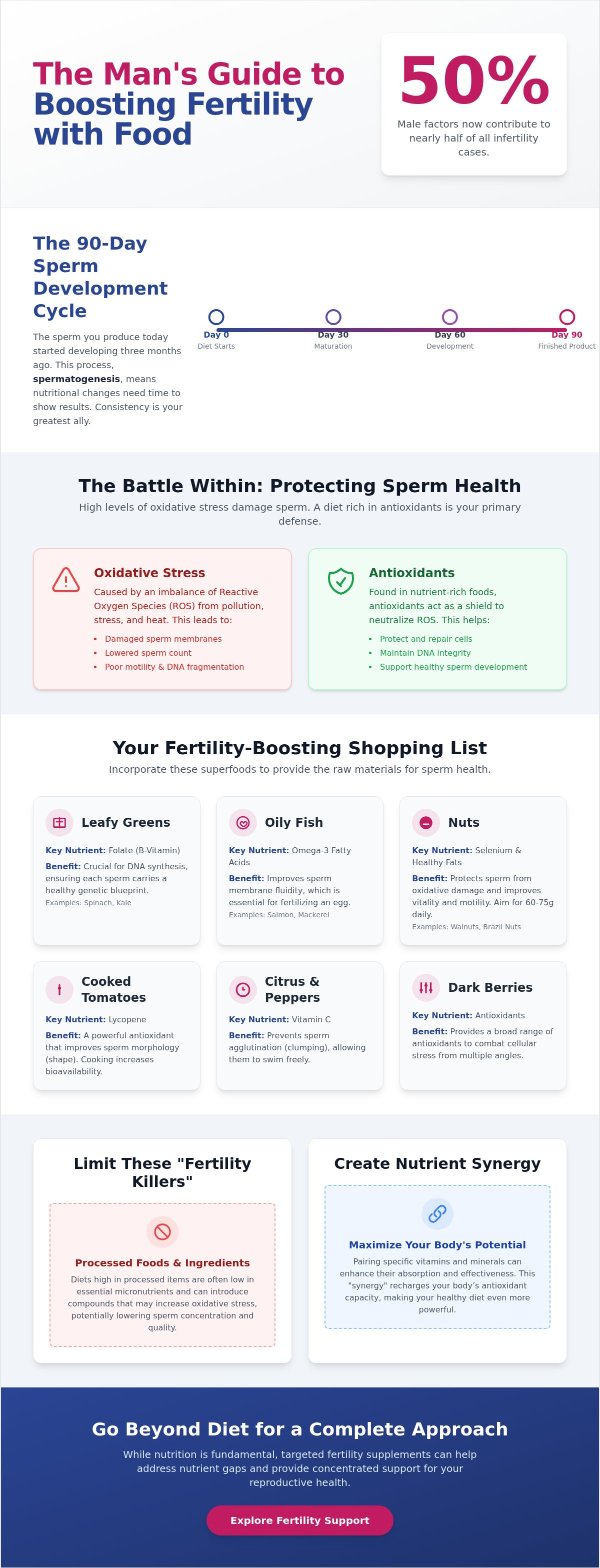
Sperm production isn't a quick process. It's a meticulous biological journey called spermatogenesis that lasts between 72 and 90 days. This means that the sperm cells being released today actually began their development nearly three months ago. When you start incorporating specific foods to increase sperm count into your daily routine, you're essentially nourishing a "factory" that won't ship its finished product for a full quarter of a year. Understanding the various factors that influence sperm quality allows you to see your health as a long term project rather than a quick fix.
To better understand how nutrition fits into this biological timeline, watch this helpful video:
Understanding the 90-Day Fertility Window
Sperm cells undergo several stages of maturation, moving from simple germ cells to fully motile swimmers capable of fertilisation. This window is why a one week "fertility detox" rarely yields results on a semen analysis. Consistency is your greatest ally. By providing your body with a steady supply of micronutrients, you ensure that every batch of sperm has the building blocks needed for strong DNA and flexible membranes. Think of your diet as the raw material for this 90-day cycle. If the materials are high quality, the final result is more likely to be robust and functional.
The Impact of Oxidative Stress on Male Fertility
Oxidative stress is one of the primary hurdles in male reproductive health. It occurs when there's an imbalance between Reactive Oxygen Species (ROS) and the antioxidants in your system. High levels of ROS can damage the delicate sperm membrane, leading to lower counts and poor motility. Environmental factors like pollution, heat, and even high stress levels increase the production of these harmful molecules. Antioxidants found in specific foods to increase sperm count act as a shield, neutralizing ROS before they can cause cellular damage. This protection is vital for maintaining DNA integrity and ensuring that sperm cells remain healthy throughout their long maturation period.
Micronutrients play a direct role in how DNA is packaged within the sperm head. When these nutrients are lacking, the DNA can become fragmented, which reduces the chances of successful conception. This biological reality is why your nutritional choices today are so significant. You're providing the specific chemical tools your body needs to protect its genetic legacy and support your partner on the path to parenthood. By maintaining a steady intake of protective compounds, you create a stable environment for the next generation of cells to thrive.
Top Superfoods to Increase Sperm Count and Quality
Building a fertility-friendly diet is about more than just eating "healthy"; it's about selecting specific biological tools to support the 90-day maturation cycle. When you choose specific foods to increase sperm count, you're providing the raw materials for DNA protection and cellular energy. These choices create a protective environment for developing sperm, ensuring they have the strength and structure needed for the journey ahead.
Leafy greens like spinach and kale are essential because they're the primary dietary source of Folate. This B-vitamin is vital for DNA synthesis, ensuring that each sperm cell carries a healthy genetic blueprint. Similarly, oily fish like salmon and mackerel provide high-dose Omega-3 fatty acids. These fats are integrated into the sperm's outer membrane, giving it the fluidity and flexibility needed to penetrate an egg. Research from 2024 suggests that consuming around 60 to 75 grams of nuts daily, particularly walnuts, can significantly improve vitality and motility. Brazil nuts are also a key addition. They are a concentrated source of Selenium, a mineral that protects sperm from oxidative damage.
Antioxidant-Rich Fruits and Vegetables
Antioxidants are your primary defense against cellular stress. Cooked tomatoes are particularly valuable because they contain Lycopene, a nutrient that helps improve sperm morphology, or shape. While raw tomatoes are healthy, cooking them makes the Lycopene more bioavailable for your body to use. Citrus fruits and peppers provide Vitamin C. This is crucial for preventing sperm agglutination, a condition where sperm cells clump together and lose their ability to swim. Dark berries, such as blueberries and raspberries, are packed with anthocyanins that provide a protective shield for sperm DNA.
Healthy Fats and Lean Proteins
The quality of the fats you consume determines the quality of the sperm membrane. While Omega-3s promote fertility, trans fats found in processed snacks can actually lower sperm concentration. For protein, focus on poultry, eggs, and plant-based sources like lentils. These contain L-Arginine, an amino acid that supports healthy blood flow to the reproductive organs. Balancing these whole foods to increase sperm count with targeted nutritional support ensures your body has a consistent supply of these vital compounds even on busy days. Don't forget pumpkin seeds; they're a natural, bioavailable source of Zinc, which is essential for testosterone production and maintaining a healthy sperm count.
Nutrient Synergy: Building the Ultimate Sperm-Boosting Plate
Selecting the right foods to increase sperm count is a vital first step, but the real biological advantage comes from how you pair them. Nutrient synergy is the scientific principle that certain vitamins and minerals are more effective when consumed together. By understanding these partnerships, you can ensure your body absorbs and utilizes every micronutrient to its fullest potential during the 90-day spermatogenesis cycle.
The Zinc-Folate connection is one of the most significant pairings in male fertility. Zinc acts as a co-factor for the enzymes that metabolize Folate; without sufficient Zinc, your body can't effectively use Folate for DNA synthesis. This partnership is essential for reducing DNA fragmentation. Another powerful duo is Vitamin E and Vitamin C. These antioxidants work in a relay system where Vitamin C actually "recharges" Vitamin E after it has neutralized a free radical. This extends your body's total antioxidant capacity, providing a longer-lasting shield for developing sperm cells.
You should also consider the role of healthy fats in nutrient absorption. Fat-soluble vitamins, such as Vitamin D and Vitamin E, require lipids to travel from your digestive tract into your bloodstream. Pairing a Vitamin D-rich oily fish with avocado or nuts ensures these nutrients don't simply pass through your system. Don't overlook the role of hydration in this process. Since semen is primarily water-based, consistent fluid intake is necessary to maintain healthy semen volume and concentration. A slight drop in hydration can lead to more viscous semen, which may hinder sperm motility.
The Daily Fertility Meal Framework
Translating these scientific concepts into your daily life is straightforward when you have a clear structure. This framework helps you hit your nutritional targets without feeling overwhelmed:
- Breakfast: Focus on eggs and pumpkin seeds. This combination provides high-quality protein and a natural Zinc boost to support morning testosterone peaks.
- Lunch: Build a "Big Green Salad" featuring spinach or kale topped with salmon or mackerel. The greens provide the Folate, while the fish offers the Omega-3s and Vitamin D needed for synergy.
- Dinner: Prioritize cruciferous vegetables like broccoli or Brussels sprouts alongside lean, unprocessed proteins. These vegetables help manage estrogen metabolism, maintaining a healthy hormonal balance.
Key Nutrients and Their Whole-Food Sources
To help you navigate your grocery shop, use this table to identify which nutrients support specific sperm parameters. While whole foods are the foundation, using targeted fertility support can help bridge any nutritional gaps, especially when dealing with modern soil depletion. Selenium protects sperm from oxidative damage while they are stored and transported through the reproductive tract.
| Nutrient | Food Source | Primary Benefit |
|---|---|---|
| Zinc | Oysters, Pumpkin Seeds | Increases sperm count and testosterone levels. |
| Selenium | Brazil Nuts, Tuna | Improves sperm morphology and DNA protection. |
| L-Carnitine | Beef, Asparagus | Provides energy for improved sperm motility. |
Fertility Killers: Foods and Habits to Avoid for Better Sperm
While focusing on specific foods to increase sperm count is essential, it's equally important to identify the dietary habits that may be quietly undermining your progress. Think of your fertility journey as a garden; you can't just plant the right seeds, you must also remove the weeds that prevent them from growing. Certain modern dietary staples act as "fertility killers" by disrupting the delicate hormonal balance required for healthy spermatogenesis.
Processed meats, such as bacon, sausages, and salami, have been directly linked to lower sperm concentration. These products often contain high levels of trans fats and preservatives that trigger systemic inflammation. Similarly, a diet high in refined sugars can lead to insulin resistance. When your body struggles to manage insulin, it often responds by suppressing testosterone production, which is the primary fuel for sperm development. There's also a nuanced debate around excessive soy intake. While moderate amounts are generally fine, high levels of phytoestrogens found in some soy isolates may mimic estrogen in the body, potentially interfering with the male hormonal profile.
The Impact of Alcohol and Caffeine
In a UK context, the standard advice is to limit alcohol intake to no more than 14 units per week, spread over three days or more. Alcohol is particularly problematic because it interferes with the absorption of Zinc, a mineral we've already identified as vital for sperm count. It can also impair the liver's ability to clear excess estrogen. Caffeine is another factor to monitor. While a morning coffee is usually safe, excessive consumption, typically more than 300mg or about three cups per day, has been associated with increased sperm DNA fragmentation. Finding a safe upper limit helps protect the genetic integrity of your developing sperm cells.
Identifying Hidden Endocrine Disruptors
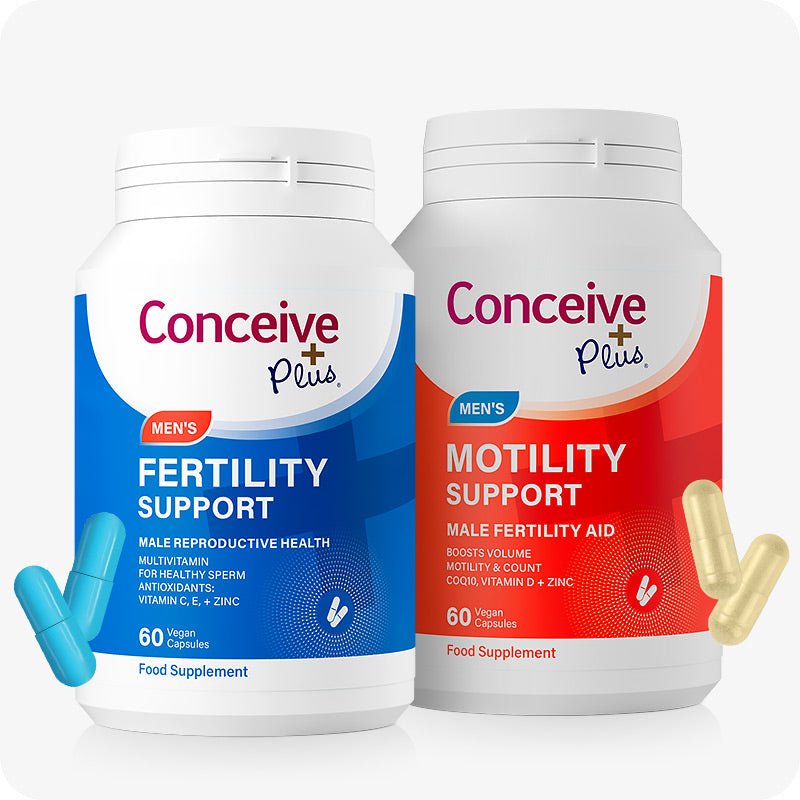
Sometimes the danger isn't the food itself, but how it's packaged. Bisphenol A (BPA) and phthalates are common chemicals found in plastic food containers and can linings. These are known endocrine disruptors that can mimic hormones and interfere with reproductive health. To reduce your exposure, avoid microwaving food in plastic containers and choose fresh produce over canned options when possible. Pesticides are another concern. The "Dirty Dozen" list identifies fruits and vegetables with the highest pesticide residues; choosing organic for these specific items can significantly reduce your chemical load. Simple swaps, like using glass storage containers and washing non-organic produce thoroughly, provide a sense of control over your environment. To ensure your body has the resilience to handle these environmental stressors, consider adding Conceive Plus Men's Fertility Support to your daily routine for comprehensive nutritional protection.
Beyond Diet: Integrating Supplements and Fertility Aids
While prioritising foods to increase sperm count provides a robust foundation, it's often necessary to look beyond the dinner plate to achieve optimal results. In a UK context, modern intensive farming practices have left much of our soil depleted of essential minerals like Selenium. This environmental reality means that even a carefully balanced diet might fall short of the specific levels required for peak reproductive health. Integrating targeted supplements ensures your body receives a consistent, high-potency supply of the micronutrients needed to navigate the demanding 90-day production cycle.
A holistic approach recognizes that nutrition is only one part of the fertility equation. You've spent months nourishing your body and protecting developing cells from oxidative stress. It's equally important to ensure that the environment during the moment of conception is just as supportive. By combining dietary strategies with sperm-friendly products, you provide a comprehensive "safety net" for your reproductive cells. This steady, methodical path helps reduce the anxiety often associated with fertility, giving you a sense of order and control over your journey.
Targeted Nutritional Support for Men
For many men, Conceive Plus Men’s Fertility Support offers a reliable way to bridge nutritional gaps. It is specifically formulated to provide comprehensive nutrient coverage, combining L-Carnitine for cellular energy with Zinc for count and volume. These ingredients work synergistically in supplement form; Zinc supports the production process while L-Carnitine provides the "fuel" sperm need for motility. If you're looking for a deeper understanding of how these minerals function, our Essential Guide to Zinc for Male Fertility explores the biological mechanisms that support sperm quality and health in 2026.
Protecting Sperm During the Journey
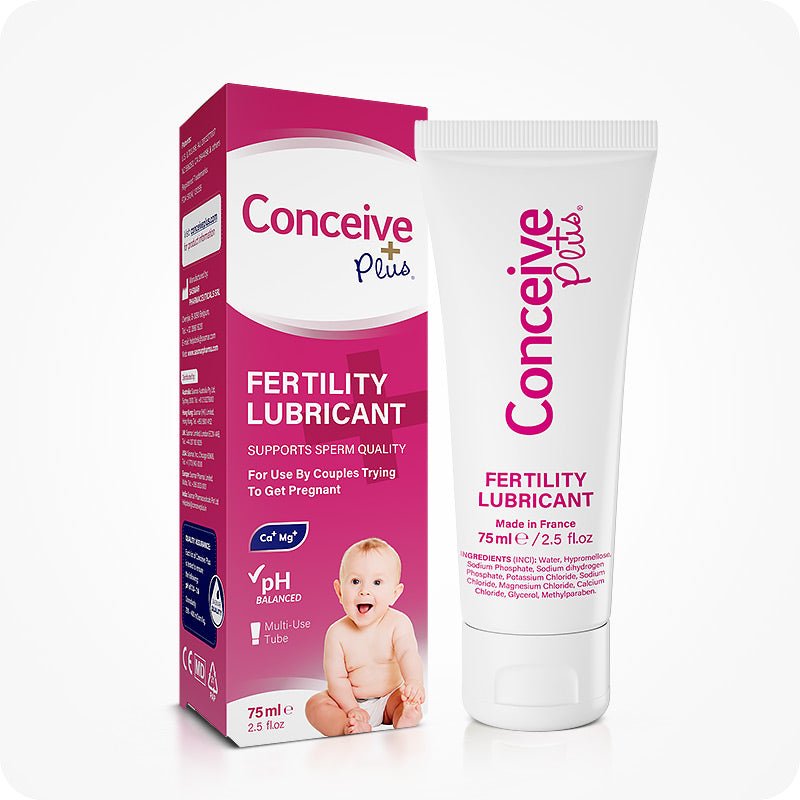
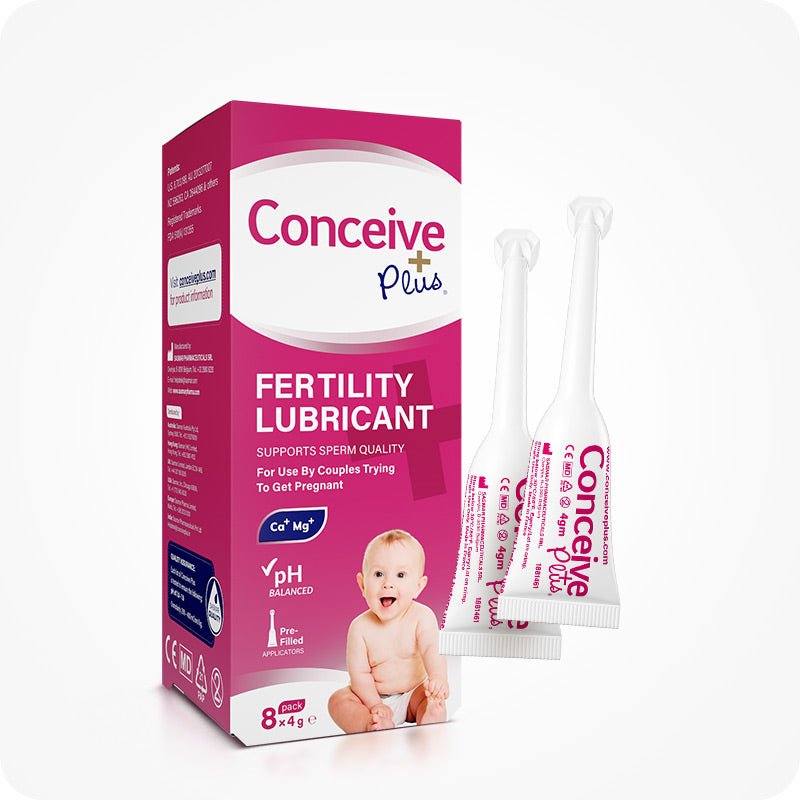
Protecting your progress during the final stage of the journey is vital. Many couples don't realise that standard lubricants can act as a chemical barrier. Most over-the-counter options have a pH that is hostile to sperm, which is a significant concern if you're already managing a lower count. Using Conceive Plus Fertility Lubricant helps by mimicking the body's natural fertile fluids. It's formulated with essential calcium and magnesium ions. These ions are not just for comfort; they're biologically active components that support sperm survival and motility. By aligning your foods to increase sperm count with sperm-friendly external aids, you create a seamless, supportive pathway from production to conception.
Empowering Your Path to Parenthood
Optimising your health is a deliberate, 90-day commitment to the future of your family. You now understand that while selecting specific foods to increase sperm count is the foundation, true success comes from the synergy of nutrients and the removal of environmental stressors. By aligning your daily diet with scientific principles and protecting your progress with sperm-friendly support, you're taking a significant step toward a successful conception.
Our solutions are clinically formulated by doctors and have been a trusted partner for millions of couples worldwide since 2008. Available in major UK retailers, we're here to bridge the gap between clinical science and your personal journey. We understand the weight of your goals and treat them with the gravity and respect they deserve.
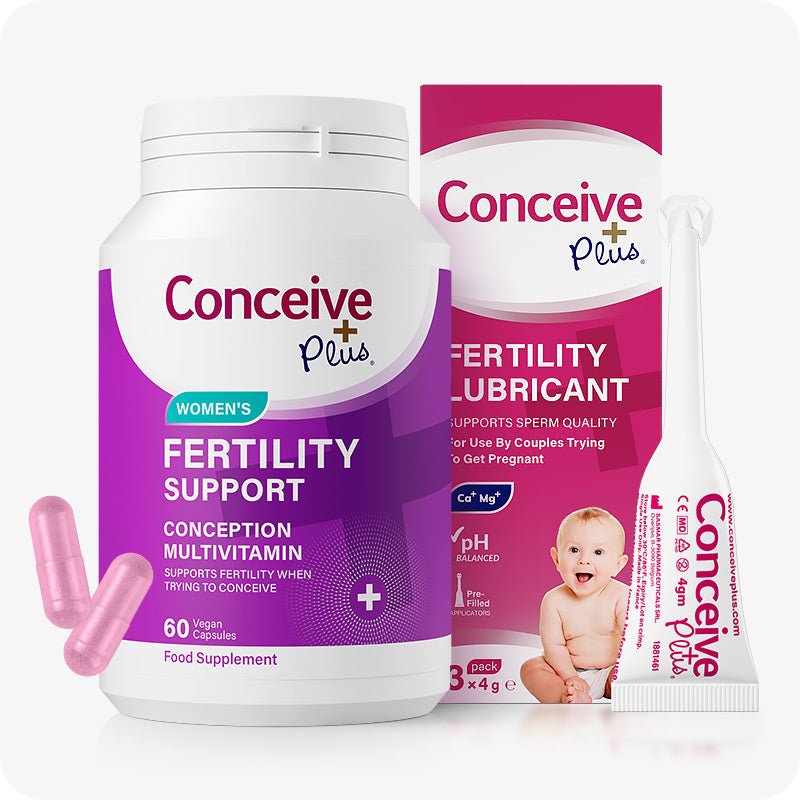
Maximise your chances with our Men's Fertility Support and Sperm-Friendly Lubricant bundle
Every positive choice you make today supports the long-term maturation of your sperm. Stay focused on the 90-day window and trust in the biological process you've set in motion. You've got the tools and the knowledge to move forward with quiet confidence; we're proud to be a reliable partner on your path to parenthood.
Frequently Asked Questions
How quickly can diet increase sperm count?
It takes approximately 72 to 90 days to see the impact of dietary changes on your semen analysis. This timeline matches the biological cycle of spermatogenesis, which is the process where your body creates new sperm cells. While you're nourishing your system with specific foods to increase sperm count today, the "finished product" won't be ready for testing for about three months. Consistency during this window is much more effective than short-term changes.
Are eggs good for sperm count?
Yes, eggs are a highly beneficial addition to a fertility-focused diet. They are a natural source of high-quality protein and Zinc, which is a mineral essential for maintaining healthy testosterone levels and sperm concentration. Including eggs in your breakfast provides the foundational building blocks your body needs to support the early stages of sperm development. They're a simple, bioavailable way to ensure your system has the right raw materials for production.
Can drinking coffee reduce my sperm count?
Moderate caffeine consumption doesn't typically harm sperm count, but excessive intake can be problematic. Research suggests a safe upper limit of about 300mg per day, which is roughly three cups of brewed coffee. Beyond this level, there's an associated risk of increased sperm DNA fragmentation. If you're concerned about your results, keeping your intake within this moderate range helps protect the genetic integrity of your developing cells without requiring you to quit entirely.
Is there a specific fruit that increases sperm fast?
No single fruit can increase your count "fast" because of the fixed 90-day production cycle. However, cooked tomatoes are often considered a "superfruit" for men due to their high Lycopene content, which supports healthy sperm shape. Berries are also vital for their protective antioxidants. While these aren't instant fixes, they're essential foods to increase sperm count when consumed consistently as part of a long-term nutritional strategy that respects the body's natural timeline.
Do walnuts really help with male fertility?
Yes, walnuts are scientifically proven to support male reproductive health. A meta-analysis from 2024 confirmed that eating about 75 grams of walnuts daily improves sperm vitality, motility, and morphology. They are unique among nuts because they provide a high concentration of alpha-linolenic acid, a plant-based Omega-3. This specific fat helps maintain the flexibility of the sperm membrane, which is a requirement for the cell to successfully penetrate and fertilise an egg.
Should I take a multivitamin if I'm already eating a fertility-friendly diet?
Taking a targeted multivitamin is often recommended even with a healthy diet. Modern agricultural practices have led to significant soil depletion in the UK, meaning minerals like Selenium are often lower in produce than they were decades ago. A supplement acts as a reliable safety net, ensuring you receive a precise, therapeutic dose of nutrients like L-Carnitine and Zinc every day. This provides peace of mind that your body has what it needs regardless of seasonal variations in food quality.
Can processed meats cause permanent damage to sperm?
Processed meats don't cause permanent damage, but they do have a measurable negative impact on current sperm batches. The trans fats and preservatives in items like bacon or salami are linked to lower sperm concentration and increased oxidative stress. Because your body produces a fresh supply of sperm every three months, removing these "fertility killers" allows your system to recover. This transition usually results in the production of healthier, more robust cells in the next 90-day cycle.
How does dehydration affect semen volume and sperm count?
Dehydration directly reduces semen volume and can make the fluid more viscous. Since semen is primarily water-based, your body needs adequate hydration to produce a healthy volume of fluid to transport sperm cells. When you're dehydrated, the semen becomes thicker, which can trap sperm and hinder their ability to swim. Maintaining consistent fluid intake ensures that sperm have the right environment to remain motile and reach their destination effectively.