Age and Fertility: What the Science Really Says and How to Take Control


Fertility and age is one of the most discussed — and most misunderstood — topics in reproductive health. While it's true that fertility changes with age, the nuances are often lost in alarming headlines and oversimplified statistics. Whether you're in your late 20s wondering about your timeline, in your 30s actively trying to conceive, or in your early 40s exploring your options, understanding the real science of age-related fertility changes empowers you to make informed decisions. This guide covers everything from the biological realities to the practical steps you can take to support your reproductive health at any stage of life.
The Biology of Age-Related Fertility Decline: What's Actually Happening
Human fertility — particularly female fertility — is fundamentally shaped by the biology of the ovarian reserve. Women are born with all the eggs they will ever have: approximately 1–2 million at birth, declining to around 400,000 at puberty, and continuing to decrease throughout reproductive life. By the mid-30s, the rate of decline accelerates, and by the early 40s, both the quantity and quality of remaining eggs have diminished substantially.
The term "ovarian reserve" refers not just to the number of eggs, but to their developmental potential — their chromosomal integrity and ability to become healthy embryos upon fertilisation. As eggs age, they become increasingly prone to chromosomal errors (aneuploidy), which is why miscarriage rates rise with maternal age: the embryos formed from chromosomally abnormal eggs often fail to implant or are spontaneously miscarried.
Key statistics on age and female fertility:
- At 25–29, the average woman has a roughly 25% chance of conception in any given cycle
- By 35, this drops to approximately 15–18% per cycle
- At 40, natural monthly conception rates are approximately 5–8%
- After 43, natural conception rates fall to around 1–3% per cycle
- Miscarriage rates at 40 are approximately 40%, compared to roughly 10–15% at 25–30
These are population-level averages — individual variation is substantial. Some women in their early 40s have excellent ovarian reserve; others in their late 20s have diminished reserve. Age is a guide, not a verdict.
Male Fertility and Age: Often Overlooked
Optimising Fertility at Every Age
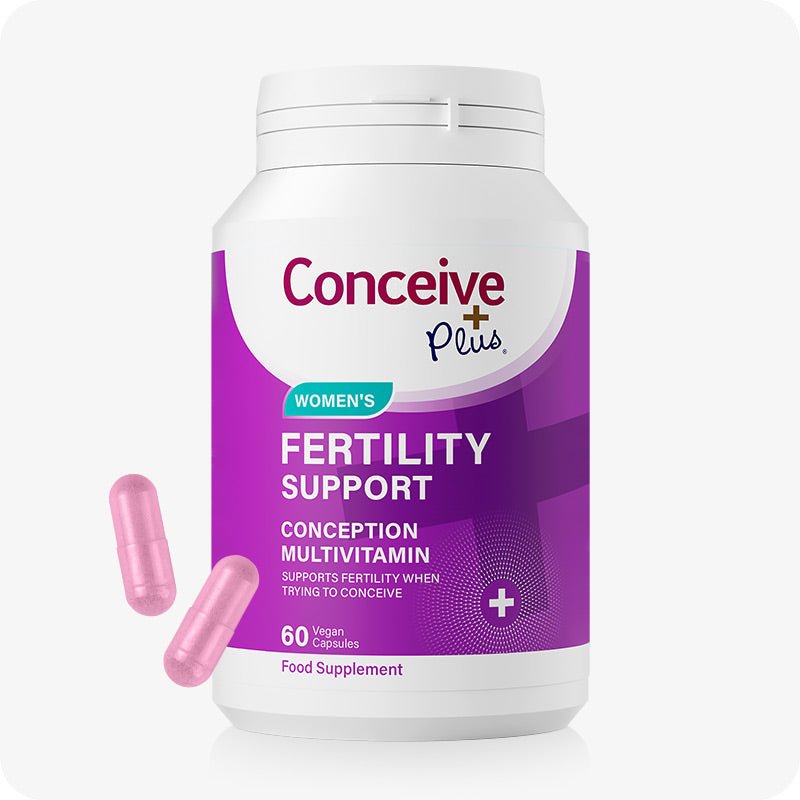
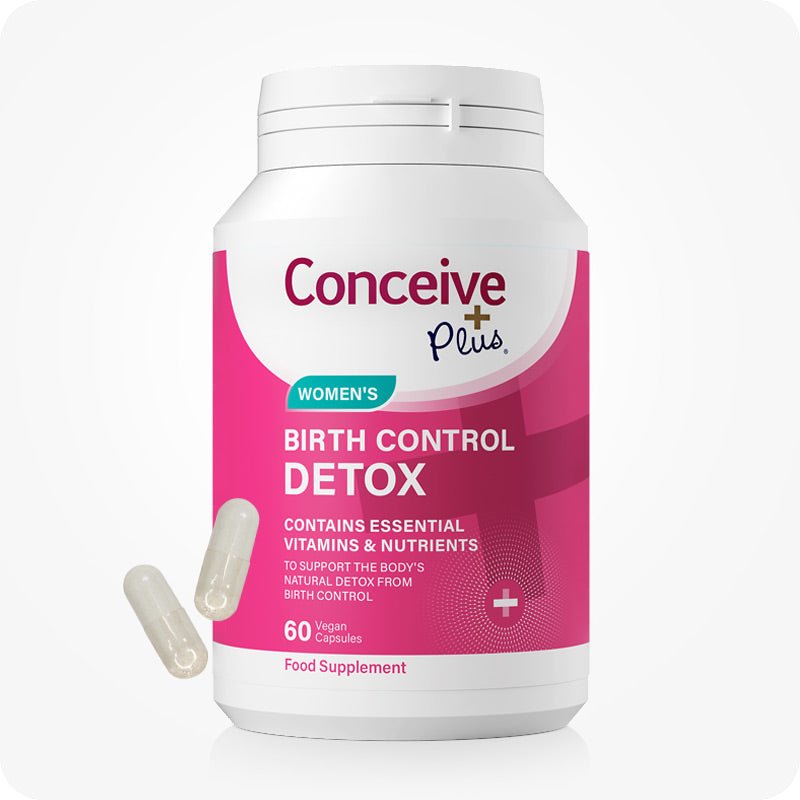
Conceive Plus Women's Fertility Support is formulated with key nutrients — including folate, CoQ10, vitamin D, and zinc — that are especially important as you plan ahead and prioritise your reproductive health.
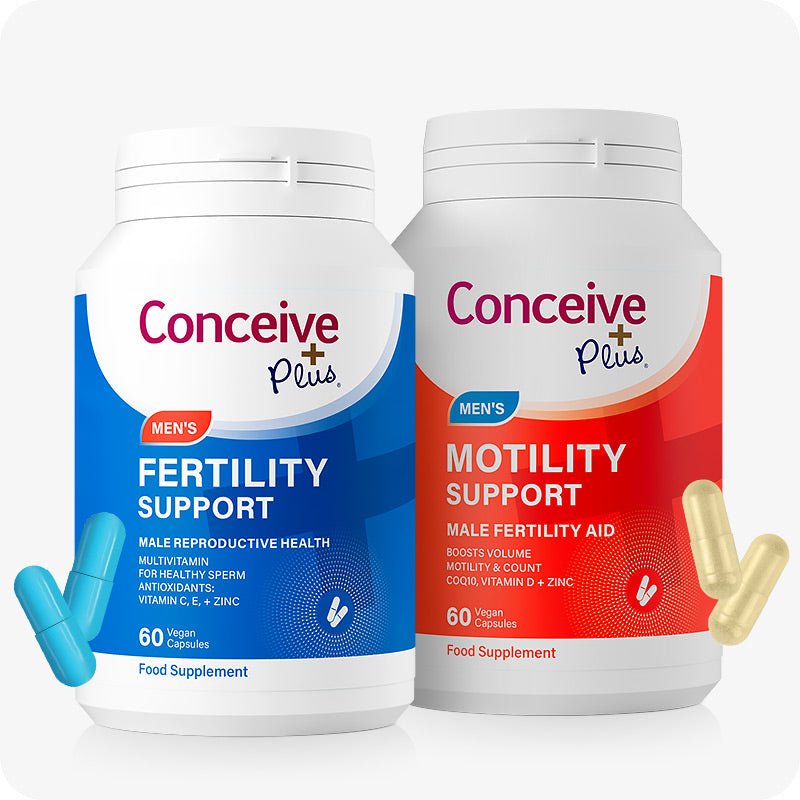
While female age receives the most attention, paternal age increasingly matters and is underappreciated in public discourse. Unlike women, men produce new sperm continuously — approximately 1,500 sperm cells every second throughout adult life. This creates the impression that male fertility is age-independent, but the reality is more nuanced.
Several key changes occur in male fertility with advancing age:
- Sperm motility declines gradually from around age 35
- Sperm morphology (normal shape) declines with age
- Sperm DNA fragmentation increases with age due to accumulated oxidative damage — older sperm carry more DNA strand breaks, which can impair fertilisation and embryo development
- Testosterone levels gradually decline by 1–2% annually from around age 30
- Paternal age above 40 is associated with increased risk of certain genetic conditions in offspring, including de novo mutations linked to autism spectrum disorder and schizophrenia
Studies published in Human Reproduction have found that time to conception is significantly longer when the male partner is over 40, independent of the female partner's age. This underscores the importance of optimising both partners' health — not just the woman's.
Understanding Ovarian Reserve Testing
For women concerned about their fertility timeline, ovarian reserve testing provides valuable — though imperfect — information. The most commonly used markers are:
Anti-Müllerian Hormone (AMH): Produced by cells in developing follicles, AMH reflects the size of the remaining egg pool. It remains relatively stable throughout the menstrual cycle, making it convenient to measure at any point. Low AMH indicates diminished reserve; normal or high AMH suggests a larger pool of remaining eggs. AMH does not directly assess egg quality.
Antral Follicle Count (AFC): An ultrasound measure of the small follicles visible in the ovaries at the start of a cycle. A higher AFC suggests better ovarian reserve. Like AMH, AFC correlates with quantity rather than quality.
Day 3 FSH (Follicle Stimulating Hormone): Elevated FSH on day 3 of the cycle suggests the pituitary gland is working harder to stimulate the ovaries, indicating diminished reserve. FSH can vary between cycles, so a single measurement should be interpreted cautiously.
These tests are useful for understanding fertility potential and informing decisions about timing and treatment — but they are not definitively predictive of natural conception success. Many women with low AMH conceive naturally; many with normal AMH still experience difficulties. Work with a reproductive specialist to interpret these values in the context of your full clinical picture.
Fertility Treatment Options by Age
For those who encounter difficulties conceiving naturally, a range of fertility treatments is available, and their effectiveness varies with age.
Ovulation induction: Medications such as clomiphene citrate or letrozole are used to stimulate ovulation in women who don't ovulate regularly. Most useful under 38, with declining success rates in older women due to egg quality.
Intrauterine insemination (IUI): Sperm is placed directly into the uterus around ovulation, reducing the distance sperm must travel. Success rates per cycle are modest (10–20%) and decline with age. Generally recommended for up to 3–6 cycles before moving to IVF.
In vitro fertilisation (IVF): Eggs are retrieved and fertilised in the laboratory, with resulting embryos transferred to the uterus. IVF success rates drop substantially with maternal age:
- Under 35: approximately 40–45% live birth rate per egg retrieval
- 35–37: approximately 30–35%
- 38–39: approximately 20–25%
- 40–42: approximately 10–15%
- Over 43: typically 2–5% with own eggs
Pre-implantation genetic testing (PGT): Embryos created through IVF can be biopsied and tested for chromosomal abnormalities before transfer. PGT-A (aneuploidy testing) allows selection of euploid (chromosomally normal) embryos, improving transfer success rates — particularly important for women over 37.
Donor eggs: For women with very diminished ovarian reserve or poor egg quality, using eggs donated by a younger woman dramatically improves success rates — with live birth rates approaching those of the donor's age group regardless of the recipient's age.
Egg freezing (oocyte cryopreservation): For women not yet ready to conceive but concerned about future fertility, egg freezing before age 35 provides the best outcomes. Success depends significantly on the number of eggs retrieved and frozen — experts generally recommend banking 15–20 mature eggs for a good chance of one live birth.
Lifestyle and Nutrition Strategies to Support Fertility with Age
While you cannot stop the biological clock, evidence-based lifestyle and nutritional strategies can meaningfully support reproductive health at any age — and may help close the gap between chronological age and biological fertility.
Antioxidant nutrition: Oxidative stress is a key mechanism of age-related egg quality decline. Antioxidant-rich diets and supplementation help combat this. Key antioxidant nutrients include vitamins C and E, CoQ10, selenium, and zinc. Research suggests CoQ10 supplementation may improve mitochondrial function in aging oocytes, with doses of 200–600mg studied in women undergoing IVF.
Mediterranean diet: A dietary pattern rich in olive oil, fish, legumes, fruits, vegetables, and whole grains has been associated in multiple studies with better IVF outcomes and improved natural conception rates. The DIETFERTILITY study and other cohort analyses support this association.
Folate and B vitamins: Critical for DNA integrity and methylation — both of which are relevant to egg and embryo quality. Active forms (methylfolate, methylcobalamin) are preferable for those with MTHFR gene variants.
Vitamin D: Low vitamin D status is associated with poorer IVF outcomes, lower implantation rates, and higher miscarriage risk. Testing and optimising vitamin D levels is a low-cost, high-value intervention.
DHEA: Dehydroepiandrosterone, a mild androgen, has been used in women with diminished ovarian reserve to improve response to ovarian stimulation. Evidence is mixed, and it should only be used under medical supervision, but some centres report improved outcomes in specific populations.
Regular moderate exercise: Associated with better hormonal profiles and ovulatory function. Both extremes — sedentary lifestyle and excessive endurance training — can impair fertility. Moderate, consistent activity is the sweet spot.
Sleep optimisation: Circadian disruption impairs LH pulsatility, cortisol regulation, and melatonin production. Melatonin is an antioxidant that is highly concentrated in follicular fluid and protects developing eggs — regular, quality sleep supports its natural production.
Having the Conversation: When to Seek Help
One of the most actionable steps you can take is to seek evaluation proactively rather than waiting. Current guidance suggests:
- Under 35: Seek evaluation if you have not conceived after 12 months of regular unprotected intercourse
- 35–39: Seek evaluation after 6 months
- Over 40: Seek evaluation promptly — do not wait if you're actively trying
- Any age: Seek evaluation sooner if you have known risk factors (irregular cycles, endometriosis, prior surgery, known male factor infertility)
Many UK GP surgeries can initiate a basic fertility workup, including AMH, FSH, LH, prolactin, thyroid function, and a semen analysis. NHS referral pathways to fertility clinics exist, though waiting times vary. Private consultation with a reproductive endocrinologist is available with shorter timelines for those who prefer not to wait.
Emotional Wellbeing and Age-Related Fertility Pressure
The intersection of age and fertility can be a source of significant psychological pressure — from internal biological anxieties to external societal messages about "running out of time." This pressure is real, and it deserves acknowledgment.
What the research consistently shows is that psychological wellbeing influences fertility outcomes — not just because of stress hormone effects on reproductive physiology, but because emotional distress can lead to avoidance of medical care, relationship strain, and poor health behaviours. Investing in your mental health is a legitimate fertility intervention.
Therapy with a psychologist specialising in reproductive health, mindfulness-based stress reduction (MBSR), and acupuncture all have some evidence base in fertility support. The HFEA and RCOG both acknowledge the importance of psychological support as part of fertility care.
FAQ: Age and Fertility
At what age does female fertility begin to decline?
Fertility declines gradually through the 20s, with a more noticeable acceleration beginning around age 32–33 and a steeper decline after 35. The early 40s mark a significant drop in both egg quantity and quality.
Is 35 really a fertility "cliff"?
The concept of a fertility cliff at 35 is an oversimplification. The decline is gradual, not sudden. While the statistics do shift meaningfully from 35 onwards, individual variation is enormous. Many women conceive naturally well into their late 30s and early 40s.
Does male age affect fertility as much as female age?
Female age has a greater impact on natural conception rates due to egg quality, but male age does matter — particularly after 40, when sperm DNA fragmentation increases and testosterone declines. Both partners' ages affect time to conception and pregnancy outcomes.
Can I find out my ovarian reserve without seeing a specialist?
AMH testing is available through some GP surgeries, private clinics, and online testing services. A basic blood test can provide a general indication of ovarian reserve. However, results should always be interpreted by a qualified clinician in context — a single AMH value does not tell the whole story.
Does a low AMH mean I cannot conceive naturally?
No. AMH reflects the quantity of remaining eggs, not their quality, and many women with low AMH conceive naturally. It can inform decisions about timing and investigation, but it is not a definitive verdict on natural fertility potential.
Is egg freezing a reliable backup plan?
Egg freezing has improved significantly with vitrification technology. The best outcomes are in women who freeze before 35, with enough eggs banked (ideally 15–20) to give a good statistical chance of a live birth. It is not a guarantee, but it can meaningfully extend reproductive options for many women.
What supplements are recommended for fertility after 35?
A quality preconception supplement providing methylfolate, CoQ10 (200–600mg), vitamin D, B12, zinc, and omega-3 DHA is a reasonable foundation. Some clinicians also recommend DHEA for those with diminished ovarian reserve, though this should be medically supervised. Individual needs vary and should be assessed with a healthcare provider.
How does weight affect age-related fertility?
Both overweight and underweight status can impair ovulation and hormonal balance. For women with PCOS, weight loss of even 5–10% of body weight can restore ovulatory cycles. In the context of age-related fertility, maintaining a healthy metabolic profile is particularly important.
Should I tell my GP about my age concerns before 6–12 months of trying?
Absolutely. If you're over 35 and have concerns, there is no reason to wait the full 12 months. Most GPs will initiate basic testing without requiring you to have tried for a specific duration, particularly if you have other risk factors. Proactive conversation is always appropriate.
Can stress cause infertility?
Chronic stress can disrupt the hormonal cascade that governs ovulation — elevated cortisol suppresses GnRH, which can blunt the LH surge needed for ovulation. However, stress alone rarely causes complete infertility. Managing stress is important for wellbeing and hormonal health, but it is unlikely to be the sole factor if conception has not occurred.
Optimising Fertility at Every Age
Conceive Plus Women's Fertility Support is formulated with key nutrients — including folate, CoQ10, vitamin D, and zinc — that are especially important as you plan ahead and prioritise your reproductive health.