The Two-Week Wait: How to Cope, What to Expect, and When to Test


If you're trying to conceive, those 14 days between ovulation and your expected period can feel like the longest stretch of your life. The two-week wait (TWW) is a phrase that anyone navigating fertility will know well — that agonising window when you've done everything right, and now all you can do is wait, wonder, and try to carry on as normal.
This guide is here to help you understand exactly what's happening in your body during the TWW, distinguish early pregnancy symptoms from PMS, and arm you with practical strategies to manage the anxiety and uncertainty that so often characterise this time.
What Is the Two-Week Wait?
The two-week wait refers to the period between ovulation (or embryo transfer, for those undergoing IVF) and the date when you can take a reliable pregnancy test. In a typical 28-day menstrual cycle, ovulation occurs around day 14, meaning the TWW spans roughly days 14–28.
The phrase "two-week wait" is something of an approximation. Depending on your cycle length and the timing of ovulation, the wait could be anywhere from 10 to 16 days. However, the average luteal phase — the second half of your cycle after ovulation — lasts approximately 14 days, hence the name.
During this time, if fertilisation has occurred, a fertilised egg (now called a zygote) will travel down the fallopian tube, divide repeatedly, and eventually implant into the uterine lining. This process takes several days, and the embryo won't produce detectable levels of human chorionic gonadotropin (hCG) — the pregnancy hormone — until after implantation, which typically occurs between 6 and 12 days after ovulation.
This is why testing too early gives unreliable results: even if you are pregnant, the hCG levels in your urine simply aren't high enough to be detected in the first days after ovulation. Research published in the American Journal of Obstetrics and Gynaecology found that implantation occurs most commonly on day 9 after ovulation, with hCG levels not becoming reliably detectable until at least a few days after that.
What's Actually Happening in Your Body During the TWW
Supporting Your Cycle Naturally
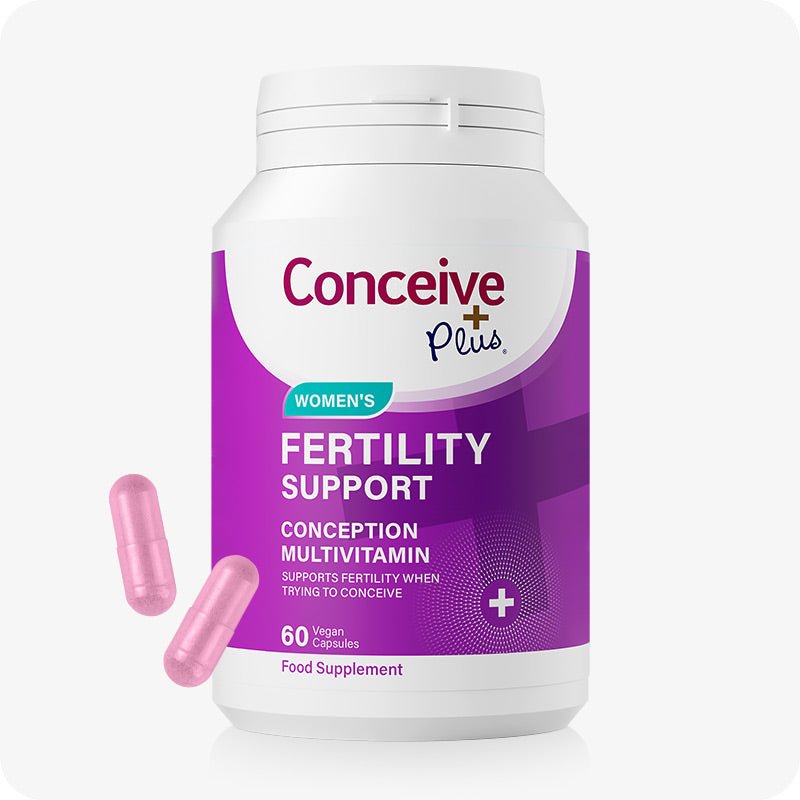
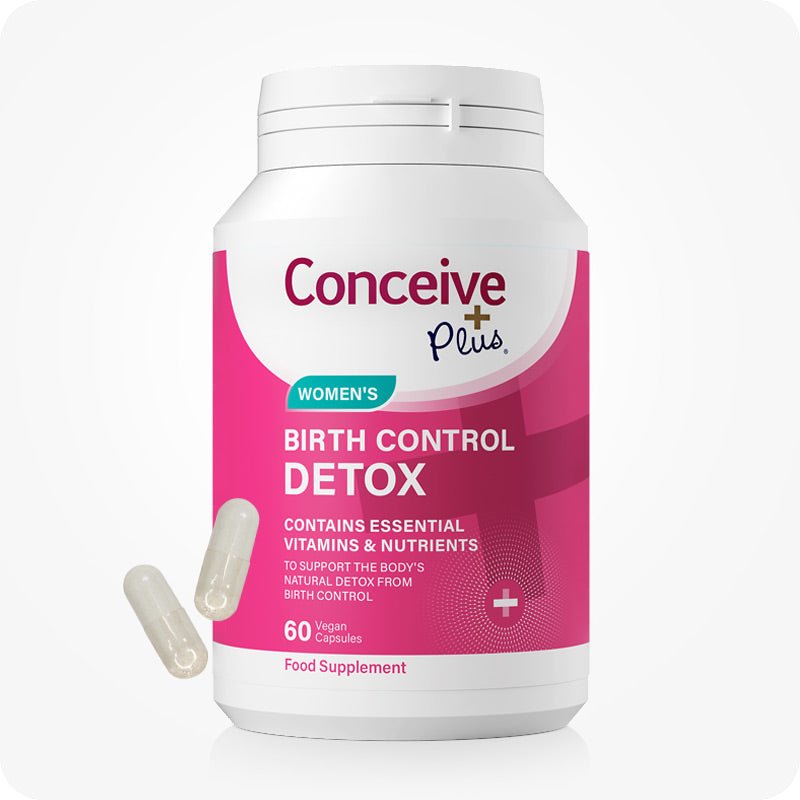
During the two-week wait, your body is working hard. Conceive Plus Women's Fertility Support is formulated with key nutrients — including methylfolate, vitamin D3, and antioxidants — to support your reproductive health every day of your cycle.
Explore Women's Fertility Support →Understanding the biology of the TWW can make the waiting feel slightly more purposeful. Your body is doing an extraordinary amount of work — even if you can't feel it directly.
Fertilisation and Early Division
If an egg was fertilised, it begins dividing almost immediately. Within 24 hours of fertilisation, a single-celled zygote becomes a two-celled embryo. By day 3, it's a morula (a compact ball of cells), and by day 5 or 6, it becomes a blastocyst — the stage at which it is ready to implant.
The Journey to Implantation
The blastocyst makes its way from the fallopian tube into the uterine cavity, where it must hatch from its outer casing (the zona pellucida) and begin to burrow into the endometrial lining. Successful implantation is the critical step — without it, the cycle ends in menstruation.
The Role of Progesterone
After ovulation, the corpus luteum (the empty follicle that released the egg) produces progesterone. This hormone is essential for maintaining the uterine lining and supporting early pregnancy. If implantation does occur and hCG begins to rise, it signals the corpus luteum to keep producing progesterone. If it doesn't, progesterone falls, the uterine lining sheds, and your period arrives.
Progesterone is also largely responsible for many of the symptoms you may experience during the TWW — including bloating, fatigue, breast tenderness, and mood changes. Crucially, these symptoms are virtually indistinguishable from those caused by progesterone in a non-conception cycle, which is one of the most frustrating aspects of the two-week wait.
TWW Symptoms vs. PMS: Can You Tell the Difference?
One of the most searched questions during the TWW is whether any given symptom is a sign of pregnancy or simply premenstrual syndrome (PMS). The honest answer, backed by research, is that in most cases, you can't tell — at least not reliably — until you take a test.
Both early pregnancy and the luteal phase of a non-conception cycle are governed by progesterone, which means the symptoms overlap significantly. A 2011 study published in Fertility and Sterility found that the most commonly reported TWW symptoms — including breast tenderness, bloating, fatigue, and cramping — did not differ significantly between women who were pregnant and those who were not.
That said, some women do report symptoms that feel subjectively different during a conception cycle:
- Implantation cramping: Some women report mild cramps or a "twinge" around days 7–10 after ovulation, which may correspond with implantation. These are typically lighter and shorter-lived than period cramps.
- Implantation bleeding: Approximately 25–30% of pregnant women experience light spotting around the time of implantation. This is usually lighter in colour (pink or brown) and shorter in duration than a normal period.
- Altered cervical mucus: Some women notice a slight increase in creamy or sticky vaginal discharge after ovulation in a conception cycle, though this is also common in the luteal phase generally.
- Heightened sense of smell: An unusually strong reaction to smells — sometimes described as a first sign — may be related to rising oestrogen and hCG levels.
- Metallic taste: Some women describe a metallic taste in the mouth as one of their first signs of pregnancy, though evidence for this as a distinct early sign is largely anecdotal.
It's important to approach these potential signs with realistic expectations. Many women experience all of the above and are not pregnant, while others have no symptoms at all and are. Symptom-spotting during the TWW can be psychologically exhausting, and it's worth reminding yourself that the absence of symptoms does not mean the absence of pregnancy.
Coping Strategies for the Two-Week Wait
The emotional and psychological toll of the TWW is well-documented. A 2011 study in Human Reproduction found that women undergoing fertility treatment reported levels of anxiety during the two-week wait comparable to those with serious medical conditions. Even for those conceiving naturally, the TWW can trigger obsessive thinking, hypervigilance to physical sensations, and significant mood disruption.
Here are evidence-informed strategies to help manage the wait:
1. Keep Your Routine Going
Maintaining your normal schedule — work, social commitments, exercise — is one of the most effective ways to keep the TWW from consuming your focus. Research on cognitive distraction suggests that structured engagement with other activities reduces intrusive thoughts and the anxiety they produce.
2. Manage Information Overload
While it's natural to want to research every twinge and symptom, spending hours on fertility forums or symptom-tracking communities can amplify anxiety rather than soothe it. Set limits for yourself: perhaps one check-in per day to a trusted forum, rather than continuous scrolling.
3. Practice Mindfulness and Relaxation
A randomised controlled trial published in Fertility and Sterility in 2000 found that a mind–body programme significantly reduced anxiety, depression, and fatigue in women undergoing fertility treatment. Mindfulness-based practices — including meditation, yoga, and progressive muscle relaxation — have since been shown to reduce cortisol levels and improve emotional wellbeing in those trying to conceive.
4. Talk About It (Selectively)
Sharing your experience with a trusted partner, close friend, or fertility support community can provide enormous emotional relief. Isolation often amplifies distress. That said, be selective about who you share with — well-meaning but unhelpful comments ("just relax!") can do more harm than good.
5. Plan Something to Look Forward To
Scheduling something enjoyable for the end of the TWW — a meal out, a trip to the cinema, a weekend away — gives your brain something positive to anticipate, regardless of the outcome. It also subtly shifts your focus from the test to the activity.
6. Limit Test-Taking
Testing too early can cause unnecessary distress — either from a false negative (because hCG isn't yet detectable) or from detecting a very early pregnancy that doesn't progress (a chemical pregnancy). Many fertility experts recommend waiting until the day of your expected period to test, as this significantly reduces false negatives.
What to Avoid During the Two-Week Wait
While the TWW shouldn't be a period of paralysis, there are a few things worth avoiding — both for your physical wellbeing and to give any potential pregnancy the best start.
Alcohol
Since you won't know whether you're pregnant until the end of the TWW, it's sensible to avoid alcohol during this time. Research from the National Institute for Health and Care Excellence (NICE) recommends that women who are trying to conceive avoid alcohol entirely, as there is no established safe limit during early pregnancy.
High-Impact Activity or New Strenuous Exercise
Continuing your usual level of exercise is generally fine and encouraged. However, taking up extreme new training regimes or overexerting yourself — particularly around the time of implantation — is not recommended. Normal, moderate exercise including walking, swimming, and yoga is beneficial and will not affect implantation.
Hot Baths and Saunas
Elevated core body temperature in early pregnancy has been associated with neural tube defects and miscarriage in some studies. While the evidence primarily relates to first-trimester exposure, it's prudent to avoid very hot baths, saunas, and hot tubs during the TWW as a precaution.
Smoking and Recreational Drugs
Both smoking and recreational drug use are associated with reduced fertility and adverse pregnancy outcomes. Smoking is also linked to reduced implantation rates. The TWW is a good time to ensure these have been eliminated entirely.
Certain Medications
Non-steroidal anti-inflammatory drugs (NSAIDs), such as ibuprofen, are sometimes avoided during the TWW as some evidence suggests they may interfere with implantation by inhibiting prostaglandin production. If you need pain relief, paracetamol is generally considered safe. Always consult your GP or midwife before taking any medication when trying to conceive.
Obsessive Symptom-Tracking
While it can be tempting to chart every sensation, excessive symptom-spotting serves little medical purpose during the TWW and often increases anxiety. The symptoms that matter — a missed period and a positive pregnancy test — can't be reliably identified before the end of the TWW regardless of how closely you monitor.
When and How to Take a Pregnancy Test
The best time to take a pregnancy test is the first day of your missed period, or later. At this point, hCG levels should be high enough for most standard tests to detect. Testing earlier increases the likelihood of a false negative, even if you are pregnant.
How Early Can You Test?
Some "early response" tests claim to detect pregnancy up to 5–6 days before your missed period. These tests are sensitive to lower levels of hCG, but they carry a higher rate of false negatives when used early — because implantation timing varies and hCG levels may not have risen enough. A 2014 study published in Paediatric and Perinatal Epidemiology found that testing too early led to higher rates of psychological distress due to ambiguous or false-negative results.
Using Your First Morning Urine
hCG is most concentrated in the morning, making first-morning urine the most reliable for testing. Avoid drinking large amounts of fluid before testing, as this can dilute urine and reduce the sensitivity of the test.
Understanding the Results
- Positive result: Even a faint line indicates the presence of hCG and is generally considered a positive result. Follow up with your GP or midwife to confirm.
- Negative result: If your period doesn't arrive and the test is negative, retest in 2–3 days. Some pregnancies implant later and take longer to produce detectable hCG.
- Faint positive followed by a negative: This may indicate a chemical pregnancy — a very early pregnancy loss. While heartbreaking, chemical pregnancies are common (estimated to account for up to 75% of all miscarriages) and do not necessarily indicate a problem with future fertility.
Emotional Support: Navigating the TWW as a Couple (or Solo)
The emotional experience of the TWW is highly individual and often underestimated. For many people, it is a time of profound vulnerability — full of hope, fear, and uncertainty in equal measure.
For Couples
Partners may experience the TWW very differently. One person may feel intensely anxious and focused on symptoms; the other may feel disconnected or uncertain how to help. Open, honest communication about how you're each feeling — without pressure on either person to feel the "right" way — is essential. Research on couples navigating fertility treatment consistently identifies communication and mutual support as key protective factors for relationship wellbeing.
Going Through It Alone
Solo parents by choice, single women using donor sperm, and those whose partners are absent or unsupportive may find the TWW particularly isolating. Online communities — such as those on Reddit's r/TryingForABaby or fertility-specific forums — can provide meaningful peer support from others who understand the experience first-hand.
When the TWW Ends in a Negative Result
A negative pregnancy test after the TWW is a loss — even if it wasn't a confirmed pregnancy. It's entirely valid to grieve, feel disappointed, angry, or numb. Many fertility counsellors recommend allowing yourself at least a day to feel whatever you feel before shifting focus to "next steps." The cumulative emotional toll of repeated negative cycles is real, and seeking professional support — through a fertility counsellor, psychotherapist, or GP — is a sign of strength, not weakness.
If you've been trying for 12 months without success (or 6 months if you're over 35), it's worth speaking with your GP about a fertility referral. Many underlying causes of difficulty conceiving are treatable.
Frequently Asked Questions About the Two-Week Wait
How long is the two-week wait exactly?
The TWW refers to the luteal phase — the time between ovulation and your expected period. This averages 14 days but can range from 10 to 16 days depending on your cycle. If your luteal phase is consistently shorter than 10 days, this can indicate a luteal phase defect, which is worth discussing with a GP or fertility specialist.
Is it normal to feel no symptoms during the TWW?
Yes, completely normal. Many women — including those who are pregnant — experience no noticeable symptoms during the TWW. The absence of symptoms does not indicate anything negative about your chances.
Can I exercise during the two-week wait?
Moderate exercise is absolutely fine and generally encouraged. Walking, swimming, yoga, and light cardio are all beneficial. There is no reliable evidence that moderate exercise prevents implantation. Extremely high-intensity training or activities with a risk of abdominal trauma are best avoided, particularly in the second week of the TWW.
Does implantation bleeding always occur?
No. Only around 25–30% of pregnant women report any implantation bleeding. Its absence does not indicate that implantation has not occurred. Similarly, light spotting in the TWW does not confirm pregnancy — it can also be caused by hormonal fluctuations unrelated to implantation.
When is the earliest I can take a reliable pregnancy test?
Most tests become reliable on the first day of your expected period. Some early-detection tests can identify pregnancy 4–5 days earlier, but false negatives are more common at that stage. For the most accurate result, test on the morning of your missed period using first-morning urine.
What does a chemical pregnancy mean for my fertility?
A chemical pregnancy (a very early pregnancy loss detected by a test but before a clinical pregnancy is confirmed) is not, on its own, a cause for alarm. They are very common and are thought to account for the majority of early pregnancy losses. Most women who experience a chemical pregnancy go on to conceive successfully. Repeated chemical pregnancies may warrant further investigation.
Can stress cause a negative result during the TWW?
While chronic stress is associated with reduced fertility over time, there is little robust evidence that stress during a single cycle prevents implantation or causes early pregnancy loss. That said, managing stress is always beneficial for overall wellbeing — and a calmer TWW is a more comfortable one, regardless of outcome.
Should I take folic acid or other supplements during the TWW?
Yes. The NHS recommends taking 400mcg of folic acid daily when trying to conceive and for the first 12 weeks of pregnancy, as it significantly reduces the risk of neural tube defects. Beyond folic acid, a comprehensive prenatal supplement can support overall nutritional status during the periconception period. Look for one containing methylfolate (the active, more bioavailable form), vitamin D3, B vitamins, and antioxidants such as CoQ10 and vitamin C, which support reproductive health and egg quality.
What if my period is late but my test is negative?
A late period with a negative test can occur for a number of reasons: late ovulation (meaning implantation is still recent and hCG levels are low), a test taken with diluted urine, or a cycle disruption unrelated to pregnancy. Retest in 2–3 days with first-morning urine. If your period remains absent and tests continue to be negative, consult your GP to rule out other causes of a delayed cycle.
Is it okay to tell people I'm in the TWW?
Absolutely — there are no rules here. Some people find sharing helpful; others prefer to keep it private until they have a confirmed result. It's worth considering how you would feel if you needed to "unsay" it if the result isn't positive. Many people choose to confide in one or two trusted people and wait to share more widely until after a positive test.
A Final Word: You Are Not Alone
The two-week wait is one of the most emotionally demanding experiences that comes with trying to conceive. Whether this is your first cycle or your twentieth, the uncertainty, hope, and anxiety it brings are entirely valid.
What you can control during this time is how you take care of yourself — physically, nutritionally, and emotionally. Continue the healthy habits you've built, lean on your support network, and try to hold the hope gently, without letting it consume you.
When the time comes to test, do so with the knowledge that whatever the result, you are taking this journey one step at a time — and that support is available every step of the way.
Every Step of Your Journey, Supported.
Conceive Plus offers a complete range of science-backed fertility supplements for women and men — designed to support you from preparation through to conception and beyond.
Shop the Full Range →