Early Detection Pregnancy Tests: A Compassionate Guide to the Two-Week Wait


A study conducted between 2018 and 2024 revealed that over 40% of women begin testing for pregnancy four or more days before their expected period. If you find yourself reaching for an early detection pregnancy test during the quiet hours of the morning, you aren't alone in your search for answers. The two-week wait is often filled with a heavy mix of hope and extreme anxiety, where every faint line feels like a complex riddle and every negative result brings a fresh wave of doubt. We understand that you're looking for more than just a result; you're seeking a sense of control and a reliable partner in your fertility journey.
You deserve to understand the sophisticated science behind how your body communicates. In this guide, we'll explore the biological mechanics of the hCG hormone and show you how to achieve the most accurate results possible during this sensitive window. By following a disciplined testing protocol and understanding the nuances of high-sensitivity hardware, you can navigate these early days with quiet confidence. We'll break down exactly how to avoid common user errors and interpret your results so you can find the clarity you need to move forward with peace of mind.
Key Takeaways
- Understand the biological journey of hCG and why implantation timing dictates when a test can first detect a pregnancy.
- Learn why using an early detection pregnancy test with your first morning urine is the most effective way to identify low hormone levels.
- Discover the difference between a true faint positive and a common evaporation line to avoid confusion during the testing process.
- Find out how to manage the emotional challenges of the two-week wait by focusing on a disciplined and scientific approach to testing.
- Explore how optimizing your environment with fertility-friendly lubricants and support supplements can help you feel more in control of your path to parenthood.
How Early Detection Pregnancy Tests Work: The Science of hCG
Choosing an early detection pregnancy test is a significant step in your conception journey. To understand how these tools provide answers, we must look at the biological messenger known as human Chorionic Gonadotropin, or hCG. Often called the "pregnancy hormone," hCG is the primary marker used by diagnostic tests to confirm that a pregnancy has begun. You can learn more about The Science of hCG and its historical detection methods to understand why this hormone is the gold standard for confirmation. In a typical cycle, your body only produces this specific hormone when a fertilized egg successfully implants in the uterine lining, signaling your system to maintain the pregnancy.
The specific claim of testing "6 days early" can often be confusing during the emotional weight of the two-week wait. In clinical terms, this usually means you can test five days before your expected period. If you expect your period on a Friday, for example, Saturday is the day of the "missed" period; therefore, the previous Sunday would be the earliest you could reliably use a high-sensitivity test. While it's tempting to test even sooner, your body needs a specific amount of time to build up detectable levels of the hormone in your urine.
The Role of Implantation in Testing
hCG isn't present the moment conception occurs. It's only after the fertilized egg successfully attaches to the uterine wall that the placenta begins releasing this hormone into your bloodstream and urine. This process, known as implantation, typically occurs between 6 and 12 days after ovulation. Because of this biological timeline, testing too early is a common cause of frustration. If you test before implantation has finished, the result will always be negative, as there's simply no hormone for the early detection pregnancy test to find yet.
Understanding mIU/ml Sensitivity Levels
When you compare different products, you'll see a measurement called mIU/ml, which stands for milli-international units per milliliter. This value represents the concentration of hCG in your urine that the test is capable of detecting. Understanding these numbers helps you choose the right tool for your needs:
- Standard Tests: These usually require a concentration of 25 to 50 mIU/ml and are best used on or after the day of your missed period.
- Early Detection Tests: These are engineered with higher sensitivity, often detecting levels as low as 10 mIU/ml.
In the earliest stages of pregnancy, your hCG levels generally double every 48 to 72 hours. This rapid increase is why a negative result on Monday could potentially become a positive by Wednesday. Using a high-sensitivity test allows you to catch this rising curve much sooner than a standard device, providing a window into your body's changes during those first few critical days of development.
Accuracy vs. Sensitivity: Choosing the Best Early Pregnancy Test
While many boxes boast 99% accuracy, this figure typically refers to testing on the day of your expected period. When you choose an early detection pregnancy test, you're prioritizing sensitivity over standard clinical accuracy. Sensitivity refers to the minimum concentration of hCG a test can detect, while accuracy refers to the reliability of that result once the hormone is present. It's a subtle but vital distinction. Testing several days before your period means the amount of hCG in your system is still very low, so the device's ability to "see" those minute amounts is what matters most for an early answer.
For the most reliable results during the two-week wait, always use your first morning urine. Overnight, your body has time to concentrate the hCG hormone in your bladder, making it much easier for a high-sensitivity test to pick up. Diluting your sample by drinking too much water before a test can make it harder for even the best tools to provide a clear answer. The FDA provides detailed guidance on When to Test for Reliable Results, emphasizing that testing too early can lead to false negatives even if you've successfully conceived.
Midstream tests are generally preferred for these early moments. They offer a more hygienic and user-friendly experience compared to traditional dip-strips, allowing you to test directly in the urine stream without the need for a collection cup. This ease of use helps reduce the risk of user error during a time when you might already feel anxious or overwhelmed.
Digital vs. Manual Early Tests
Digital tests are wonderful for providing a clear "Pregnant" or "Not Pregnant" readout, which eliminates the stress of interpreting faint lines. However, these digital sensors often require a slightly higher concentration of hCG to trigger a positive result. Manual line tests are frequently more sensitive and can pick up the very first traces of the hormone. Many women find peace of mind by using a manual early detection pregnancy test for initial discovery and then confirming with a digital version a day or two later as hormone levels rise.
What to Look for on the Packaging
When browsing your options, look specifically for the mIU/ml rating on the back of the box. A lower number, such as 10 mIU/ml, indicates a more sensitive test than one rated at 25 mIU/ml. Always check the expiry date before use. The chemical reagents on the test strip can degrade over time, which may lead to unreliable results or confusing "evaporation lines" that mimic a positive result but appear only after the test has dried.
The Two-Week Wait: When to Test for the Most Reliable Results

✨ Think You Might Be Pregnant?
Get fast, accurate results up to 6 days before your missed period with our early detection pregnancy test.
Shop Now — $3.99✓ Free shipping available | ✓ Trusted by millions of couples worldwide
The "Two-Week Wait" (TWW) is the quiet, often difficult window between ovulation and your expected period. It's a time where hope and anxiety frequently collide. Many women experience the "Testing Itch," which is the compelling urge to use an early detection pregnancy test as soon as possible. While this impulse is completely normal, testing too frequently can lead to unnecessary emotional exhaustion. Understanding how pregnancy tests work on a physiological timeline helps you choose a testing schedule that protects your mental well-being while still giving you the answers you crave.
One specific challenge of ultra-early testing is the risk of detecting a "chemical pregnancy." This term describes a very early pregnancy loss that occurs shortly after implantation. Before high-sensitivity tests existed, these were often mistaken for a slightly late period. Detecting a pregnancy that doesn't progress can be deeply painful. Waiting until closer to your missed period can sometimes offer a more stable emotional path, as it ensures the result you see is more likely to be a sustainable pregnancy.
If you decide to test before your period is due, we suggest following this structured schedule to manage expectations:
- 10 Days Past Ovulation (DPO): The absolute earliest a high-sensitivity test might show a result, though negatives are common here.
- 12 DPO: A much more reliable window where hCG levels are often high enough for detection.
- 14 DPO: This is typically the day of your missed period and provides the most definitive home result.
Managing Anxiety During the TWW
The TWW is widely recognized as one of the most stressful parts of the entire conception journey. It's a period where you might over-analyze every physical change or symptom. We recommend focusing on daily self-care and gentle movement, such as walking or stretching, to help stay grounded. Don't hesitate to share your feelings with your partner. Open communication helps ensure you aren't carrying the weight of the wait alone.
The Risk of False Negatives
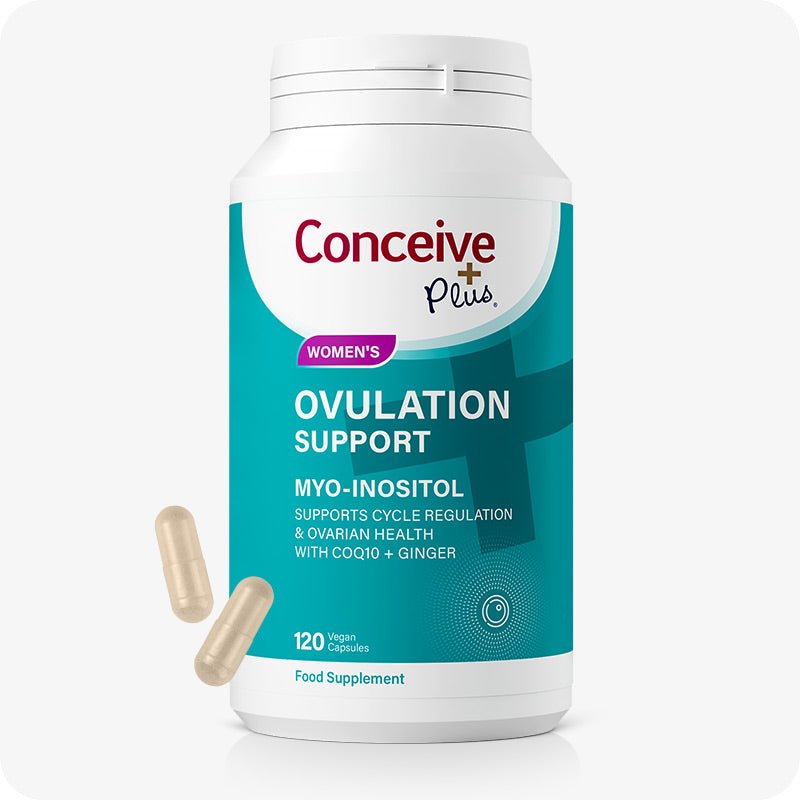
A negative result at 10 or 11 DPO doesn't mean you aren't pregnant. It simply means your body hasn't produced enough hormone for an early detection pregnancy test to catch yet. If you don't see a second line but your period hasn't started, wait 48 hours before you try again. This gap allows your hormone levels to double, making a positive result much easier to identify. Accurate timing is everything, so tracking your cycle with tools like Conceive Plus Ovulation Support can help you know exactly which day you are on, reducing the frustration of testing too soon.
Understanding Your Result: Faint Lines, Negatives, and Next Steps
Staring at the result window of an early detection pregnancy test is a moment of profound vulnerability. If you see even the palest of lines, it's natural to feel a rush of conflicting emotions. In the vast majority of cases, a faint line is a positive result. The intensity of the line simply reflects the concentration of hCG in your urine at that specific moment. Because hormone levels are just beginning to rise during the two-week wait, the line may not appear as dark as the control line, but its presence confirms that implantation has occurred and the hormone is being produced.
While false positives are exceptionally rare, they can occur under specific biological circumstances. Certain fertility medications that contain hCG can linger in your system and trigger a result. Additionally, the hormonal shifts associated with peri-menopause can sometimes cause a slight elevation in hCG, leading to a confusing readout. If you aren't taking specialized medications and haven't reached that life stage, you can trust that a line appearing within the reaction time is a reliable indicator of pregnancy.
Is it a Faint Line or an Evaporation Line?
Distinguishing between a true positive and an evaporation line is a common source of confusion for many women. Evaporation lines typically appear after the recommended reading window has passed, usually ten minutes or more after testing. A true positive result will almost always have a hint of the test's specific pigment, such as pink or blue. In contrast, an evaporation line is often grey or colorless, appearing more like a shadow where the reagent dried on the strip. If a line appears only after the test has sat for a long period, it's best to retest with a fresh sample to ensure total clarity.
Next Steps After the Result
Your path forward depends on the answer you receive. If your result is positive, contact your GP to begin your prenatal care and start taking a high-quality prenatal vitamin immediately. If your result is negative but your period is still late, wait three days before testing again. This allows your body enough time to double its hCG levels, making it easier for the sensors to provide an accurate reading. Should your period arrive, take a moment to reflect on your cycle. This is an opportunity to look for optimization strategies, such as using supportive supplements or pH-balanced lubricants to assist your next attempt.
To ensure you have the most reliable tools on hand for your next window, you can purchase the Conceive Plus Pregnancy Test directly to stay prepared for the journey ahead.
Enhancing Your Conception Journey with Conceive Plus
Reaching for an early detection pregnancy test is just one significant moment in a much larger story. At Conceive Plus UK, we believe in supporting you through every phase of your path to parenthood. Our mission is to act as a steady, reliable partner, providing pharmaceutical-grade products that bridge the gap between reproductive science and your personal goals. Whether you're currently in the middle of the two-week wait or preparing for your next cycle, optimization is key to feeling empowered and in control of your fertility. We're here to help you create the best possible environment for new life to begin.
The journey toward a positive result is often a shared experience. That's why our approach focuses on both partners, recognizing that healthy conception requires a balance of many different factors. From the lubricants you use during intimacy to the nutrients that fuel your reproductive system, every choice you make is a step toward your goal. We take the weight of your journey seriously, offering products grounded in established practices to give you quiet confidence during an often unpredictable time.
The Role of Fertility Lubricant in Conception
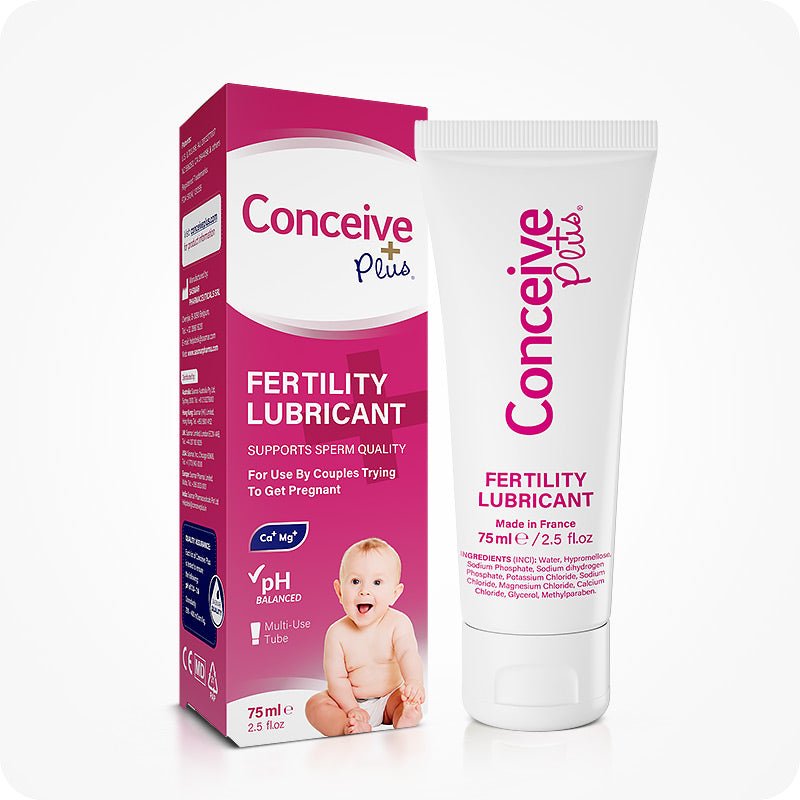
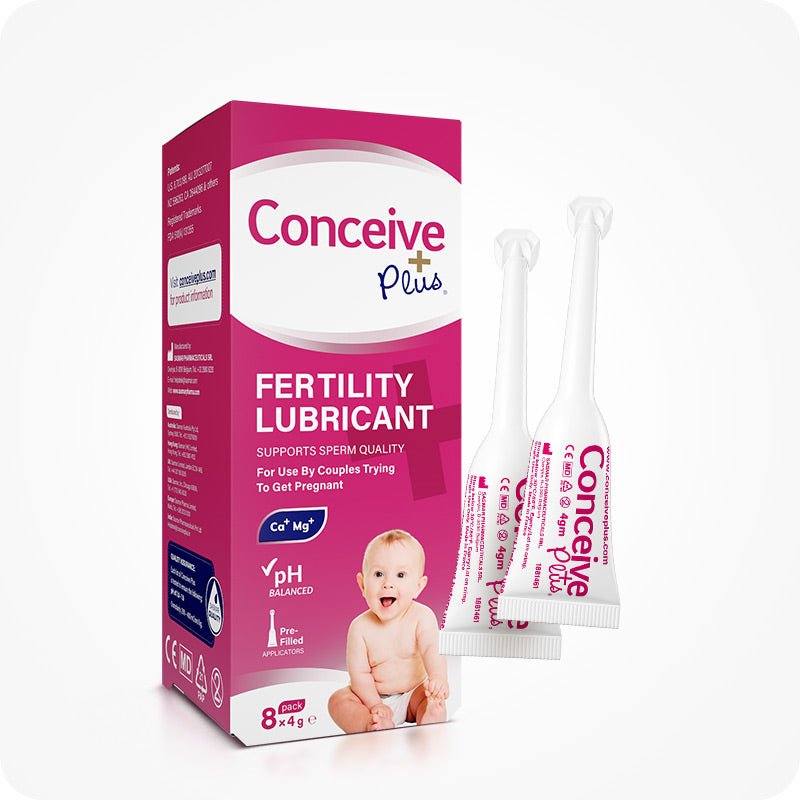
Many couples don't realize that standard, over-the-counter lubricants can actually hinder their progress. Most traditional products have a high osmolarity or an acidic pH that can act as a barrier, slowing down or even damaging sperm cells. In contrast, Conceive Plus UK Fertility Lubricant is specifically formulated to be pH-balanced and isotonic. It contains essential calcium and magnesium ions that mimic the body's natural fertile fluids, supporting sperm motility and longevity as they journey toward the egg. By creating a more hospitable environment, you increase the likelihood of a successful conception event. For more detailed information on how these formulations work, you can explore our Conceive Plus UK Fertility Lubricant Guide.
Nutritional Support for Future Success
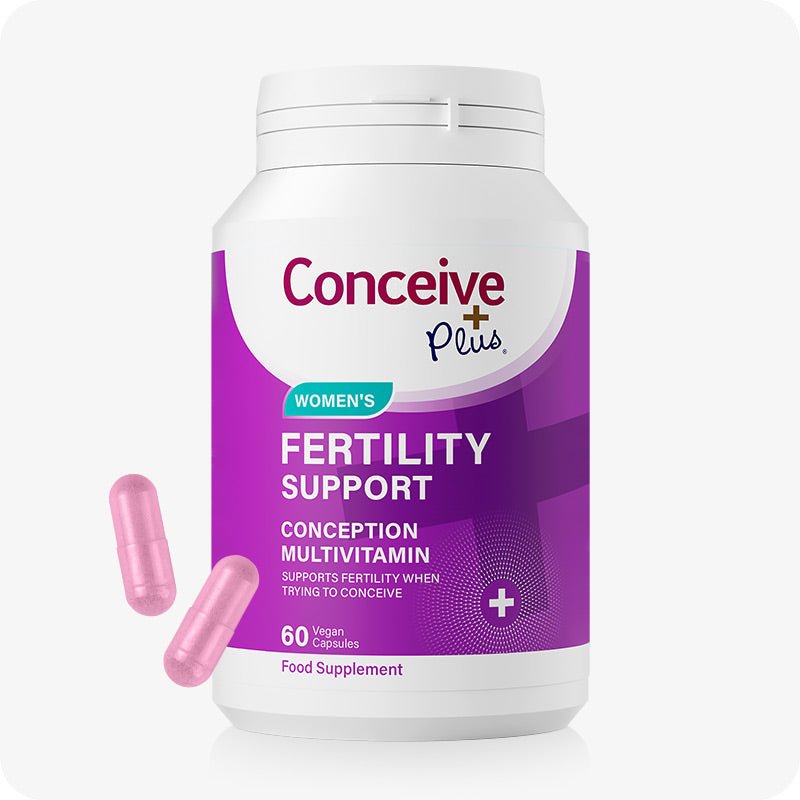
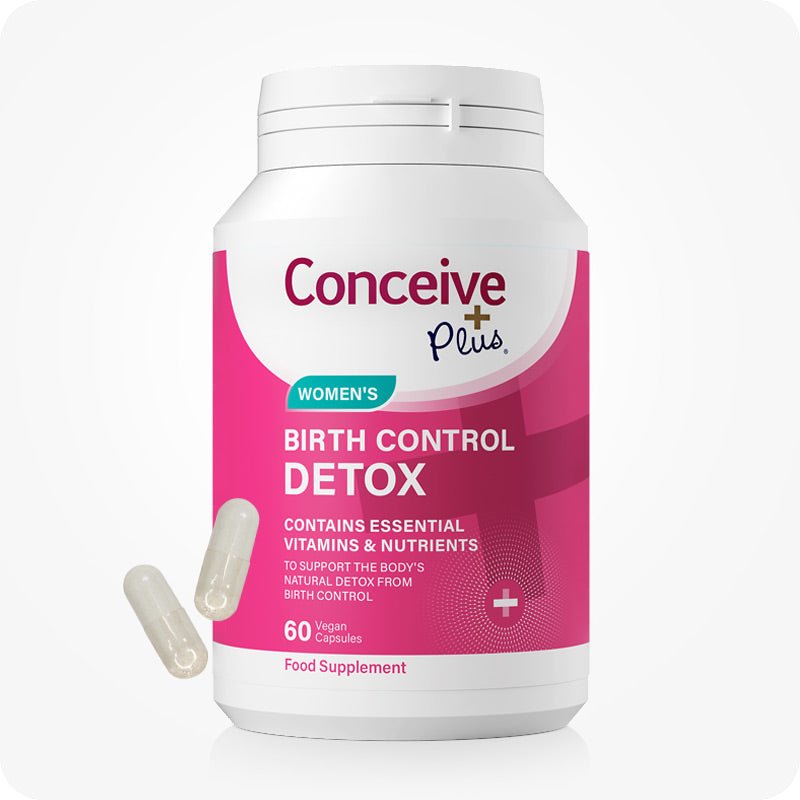
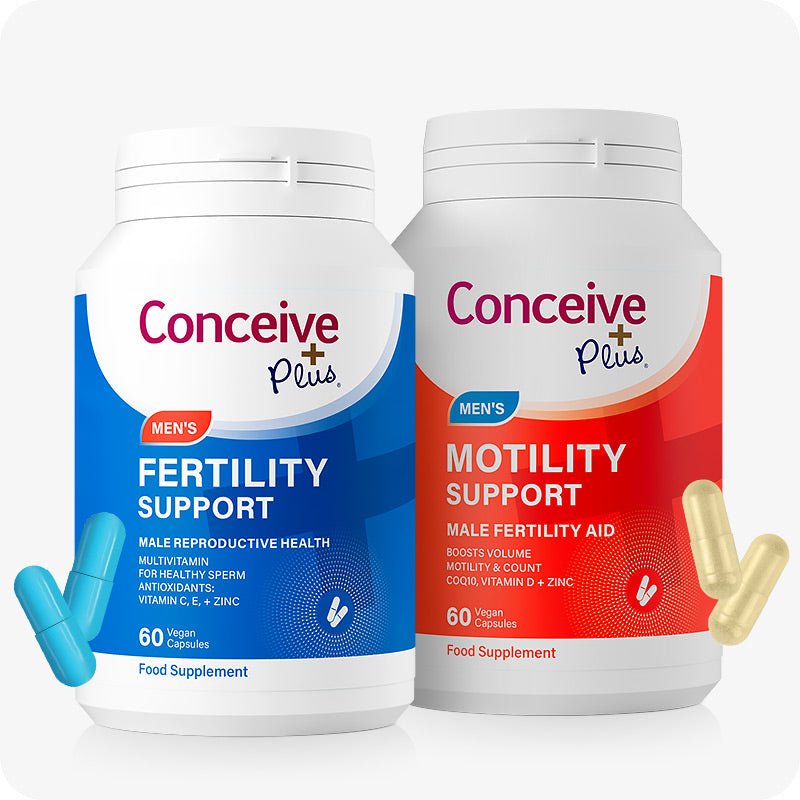
Preparation for a positive early detection pregnancy test often begins months before the actual testing day. Reproductive health is a holistic process that benefits from targeted nutritional support for both partners. Our "His and Hers" fertility support range is designed to optimize the building blocks of life. For women, ingredients like Myo-Inositol and Folic Acid are vital for supporting ovulation and egg quality. For men, Zinc and specific antioxidants are essential for maintaining healthy sperm count and motility.
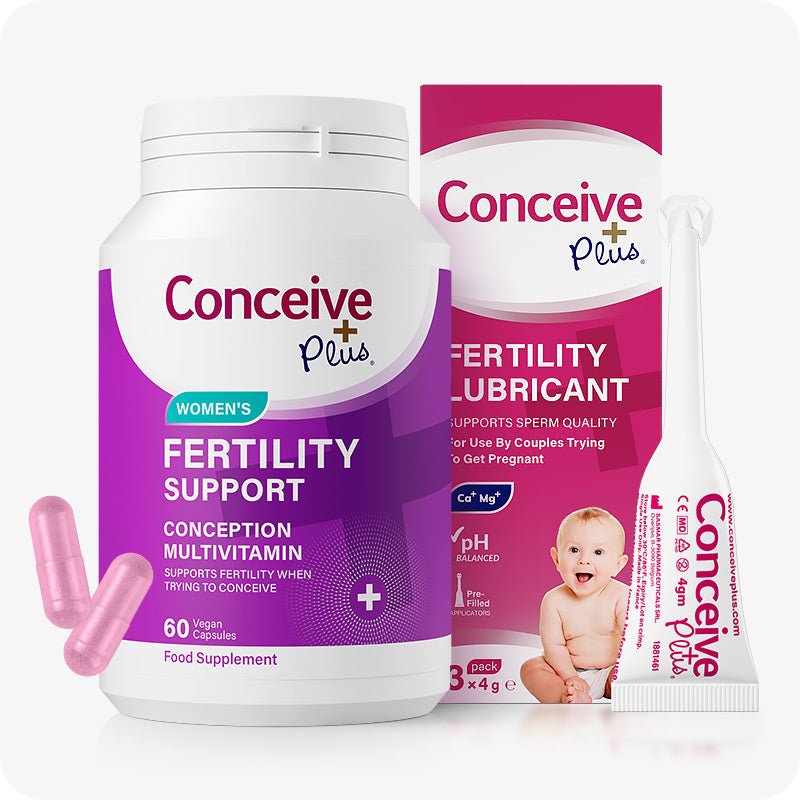
Taking a proactive approach to your health helps reduce the stress of the unknown. When you provide your body with the specific nutrients it needs, you're laying a foundation for a healthy pregnancy. We encourage couples to view fertility as a shared journey, where small, consistent steps in nutrition and lifestyle lead to meaningful outcomes. You can shop the full Conceive Plus UK range for your best chance of success and find the support you need for every step of the way.
Empowering Your Path to Parenthood
You've now explored the intricate science of hormone detection and learned how to navigate the emotional complexities of the two-week wait. By understanding the biological timeline of implantation and the importance of mIU/ml sensitivity, you're better equipped to interpret your body's signals with clarity. This knowledge helps you regain a sense of control, turning a period of uncertainty into a structured, informed journey toward your goal.
When you're ready for answers, choosing a high-quality early detection pregnancy test ensures you have a reliable partner by your side. Conceive Plus has been trusted by millions of couples since 2008, offering pharmaceutical-grade SASMAR quality and patented fertility-friendly formulas that support your unique path. Shop Conceive Plus Early Detection Pregnancy Tests to access the same professional standards that have helped families worldwide for nearly two decades.
Your journey is deeply personal and deserves the highest level of care and respect. While the path to conception isn't always predictable, your commitment to understanding your body is a powerful foundation for the future. Stay hopeful and remember that you aren't alone in this process.
Frequently Asked Questions
How early can an early detection pregnancy test work?
An early detection pregnancy test can typically provide results as early as six days before your missed period, which translates to five days before your expected period. This is possible because high-sensitivity tests are designed to detect hCG levels as low as 10 mIU/ml. While testing this early is technically possible, accuracy improves as you get closer to your missed period, as hormone production levels vary significantly between different women.
Can I get a positive pregnancy test 4 days before my period?
Yes, it's entirely possible to receive a positive result four days before your period is due if implantation has occurred and your body has produced enough hCG. Since hormone levels double every 48 to 72 hours in early pregnancy, a test at this stage is quite reliable with a high-sensitivity device. If you receive a negative result but still suspect you're pregnant, wait two days and test again to allow your levels to rise.
What is the best time of day to take an early pregnancy test?
The most effective time to test is during your first morning urination. This is when the concentration of the hCG hormone is at its highest in your bladder because it hasn't been diluted by fluids consumed throughout the day. Using concentrated urine is especially critical when you're testing several days before your period is due, as the amount of hormone present in your system is still very minute.
Is a faint line on a pregnancy test definitely positive?
A faint line is almost always a positive result, provided you read the test within the manufacturer's recommended timeframe. The intensity of the line depends on the concentration of hCG in your system; a lighter line simply means there is less hormone present at that moment. If you see a line with actual color, it indicates that the chemical reagent has successfully detected the pregnancy hormone in your sample.
Can medications interfere with early pregnancy test results?
Most common medications, including antibiotics and birth control pills, don't interfere with the results of an early detection pregnancy test. Only medications that specifically contain the hCG hormone, often used in certain fertility treatments like "trigger shots," can cause a false positive result. If you aren't undergoing specialized fertility procedures involving hCG, you can generally trust that your result is not influenced by your current medications or supplements.
What causes a false negative on an early detection test?
The most frequent cause of a false negative is testing too early in your cycle before implantation has fully occurred. Additionally, using a sample that is too diluted by excessive fluid intake can make it difficult for the sensors to detect low levels of hCG. If you experience pregnancy symptoms but receive a negative result, waiting three days and retesting with a more concentrated sample often provides a more definitive answer.
Are early pregnancy tests more expensive than standard ones?
Early detection kits generally carry a higher price point because they utilize more sensitive chemical reagents and specialized hardware compared to standard options. This increased sensitivity allows the test to identify the pregnancy hormone much sooner than basic retail versions. While they represent a slightly higher investment, the benefit of earlier discovery and reduced anxiety during the two-week wait is a priority for many women who are tracking their fertility.
Should I use a digital or a line test for early detection?
Manual line tests are often preferred for the very earliest detection because they can sometimes pick up hormone levels that are just below the threshold of a digital sensor. While digital tests offer a clear "Pregnant" or "Not Pregnant" readout that removes guesswork, they may require slightly more hCG to trigger a positive. Using a manual early detection pregnancy test first and confirming with a digital one is a common and effective strategy.
🌱 Get Answers Early
Millions of women trust Conceive Plus for their fertility journey. Clinically validated pregnancy tests delivered to your door.
Shop Pregnancy Tests →Trusted by Couples in Over 70 Countries
Support Male Fertility From the Inside Out
Male fertility is just as important as female fertility in the conception journey. Conceive Plus Men's range delivers targeted nutritional support to promote healthy sperm and overall reproductive wellbeing.
Shop Men's Range →