Vitamins for Sperm Motility: A Science-Backed Roundup for 2026


Did you know that male factors contribute to nearly 50% of all infertility cases, yet the biological journey of sperm production takes approximately 90 days to complete? It's a significant window of opportunity that many men overlook. If you've recently received a semen analysis showing results below the WHO standard of 30% progressive motility, it's natural to feel a sense of anxiety or even fear. You might be searching for how to increase sperm motility while feeling overwhelmed by the sheer volume of supplement brands available across the UK.
We recognize that this stage of your journey requires both clinical clarity and emotional support. The good news is that sperm motility is an energy-intensive process that can be nurtured with the right biological building blocks. In this guide, you'll discover the essential micronutrients proven to enhance swimming speed and learn how to choose the most effective support for your needs. We will preview a clear, science-backed routine designed to improve your motility scores and help you feel empowered as a proactive partner in the conception process.
Key Takeaways
- Distinguish between progressive and non-progressive swimming to understand why sperm speed is the engine of successful natural conception.
- Identify the specific roles of L-Carnitine and Zinc in fueling mitochondrial energy and supporting the structural integrity of the sperm tail.
- Discover how to increase sperm motility through synergistic nutrient blends that improve absorption and eliminate the need for multiple single-ingredient bottles.
- Align your expectations with the 90-day spermatogenesis cycle, the biological timeline required for new, nutrient-supported sperm to mature.
- Learn why a dual-partner nutritional strategy provides the most comprehensive support for your shared path toward a healthy pregnancy.
Understanding Sperm Motility and the Role of Micronutrients
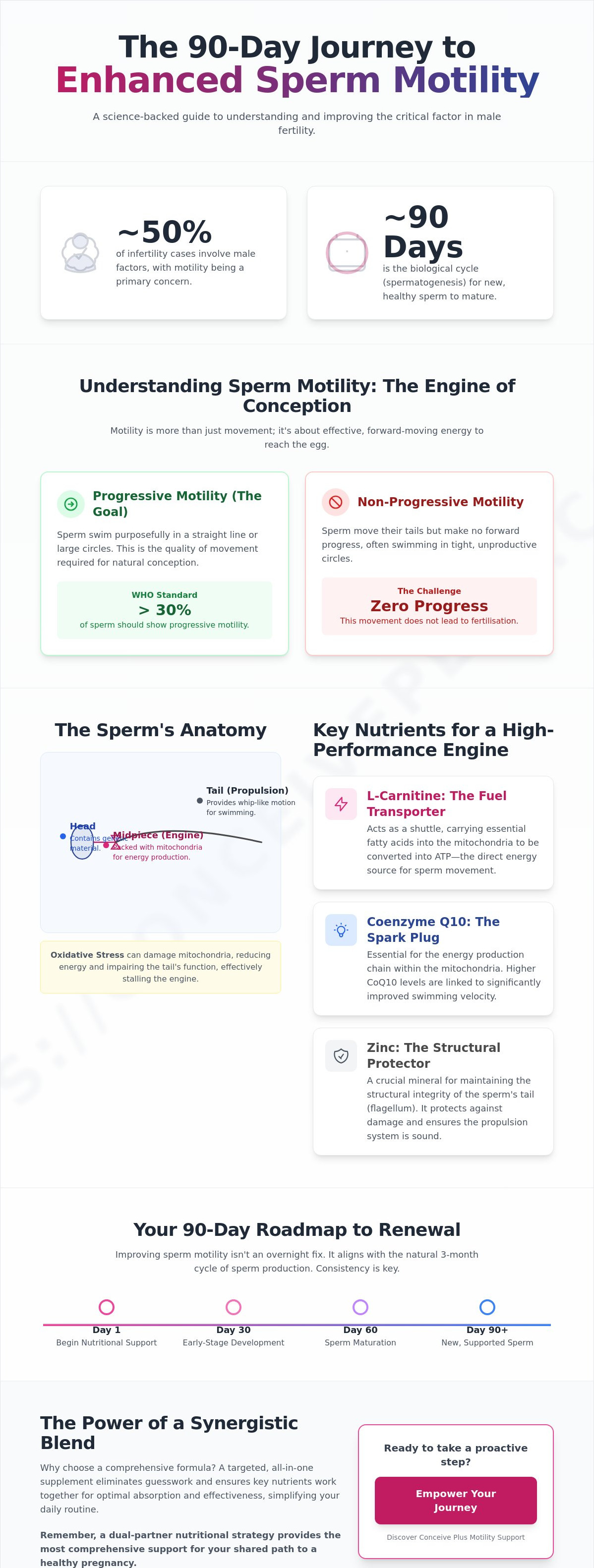
Sperm motility is the term used to describe the ability of sperm to move efficiently through the female reproductive tract. Think of it as the "engine" of conception. Without sufficient movement, even a high sperm count may not lead to pregnancy because the sperm cannot reach the egg. When couples research how to increase sperm motility, they are often looking for ways to strengthen this propulsion system. Understanding Sperm Motility is a vital step in interpreting your semen analysis results and identifying where your path to parenthood might need extra support.
The journey a sperm cell takes is arguably the most difficult physical challenge any cell in the human body faces. To reach the egg, sperm must navigate through cervical mucus and move against the fluid flow of the fallopian tubes. This requires a perfectly structured tail and a midpiece packed with functional mitochondria. If these structures are damaged by oxidative stress, which affects between 30% and 80% of men with fertility concerns, the sperm lose their ability to swim effectively. Micronutrients serve as the biological shield that protects these delicate cells from such damage.
To better understand this concept, watch this helpful video:
Progressive vs. Non-Progressive Motility
In the UK, a standard semen analysis follows the World Health Organization's 6th Edition standards. These guidelines specify that at least 30% of sperm should show "progressive motility." This means they are swimming in a purposeful, straight line or very large circles. Non-progressive motility describes sperm that move their tails but don't actually travel anywhere, perhaps swimming in tight, unproductive circles. Simply having moving sperm isn't enough; they must be moving in the right direction to achieve fertilisation. This is why targeted nutrition focuses on the quality of movement rather than just the presence of it.
The Mitochondrial Connection
Sperm are tiny. Despite their size, they require more energy relative to their mass than almost any other cell in the body. This energy is generated in the midpiece, a small section between the head and the tail that is packed with mitochondria. When a man has nutrient deficiencies, these "powerhouses" can't produce enough ATP to fuel the tail's whip-like motion. This leads to slow swimming and poor endurance. By providing specific micronutrients, you're essentially refuelling these microscopic engines. Learning how to increase sperm motility involves supporting these mitochondrial functions so each cell has the stamina to finish its journey.
The Essential Vitamins for Sperm Motility: A Science-Backed Roundup
Identifying the specific nutrients required for cellular movement is the next logical step in your journey toward better reproductive health. While general multivitamins provide broad support, targeting the swimming speed of sperm requires a more focused nutritional strategy. Research indicates that certain micronutrients act as direct fuel for the sperm's motor, while others protect the delicate tail structure from environmental stressors. By understanding how these elements interact, you can make informed decisions about how to increase sperm motility through your daily diet and supplementation.
Energy Boosters: L-Carnitine and CoQ10
Sperm movement is entirely dependent on the efficiency of the mitochondria located in the midpiece. L-Carnitine plays a pivotal role here; it acts as a transport shuttle, carrying long-chain fatty acids into the mitochondria where they are burned for energy. Without sufficient L-Carnitine, the sperm simply lacks the fuel required for progressive movement. Studies have shown that men with higher concentrations of L-Carnitine in their seminal fluid typically exhibit superior motility scores.
Coenzyme Q10 (CoQ10) complements this process by acting as a spark plug for cellular energy production. Clinical evidence suggests that daily dosages between 200 mg and 400 mg can significantly improve swimming velocity. Together, these two nutrients are considered the gold standard for motility-focused protocols, as they address the metabolic needs of the sperm cell at its source. If you are looking for a comprehensive way to incorporate these energy boosters, targeted fertility support can provide a balanced approach without the need for multiple separate bottles.
Protective Elements: Zinc, Selenium, and Vitamin E
While energy is vital, the physical integrity of the sperm cell is equally important for successful swimming. Zinc is often described as the structural architect of the sperm tail; it's essential for the maturation of the cell and helps prevent DNA fragmentation. Low levels of zinc are frequently linked to poor sperm morphology and reduced swimming ability. For a deeper look at this mineral, you can read our guide on Zinc for Male Fertility: The Essential Guide.
Selenium works alongside zinc to maintain the tail's whip-like motion. It is a core component of GPx4, an enzyme that is specifically required for the structural integrity of the sperm's midpiece. Vitamin E acts as a potent antioxidant that neutralises free radicals within the seminal fluid, shielding the sperm's delicate lipid membrane from oxidative damage. When these protective elements are missing, sperm can become brittle or misshapen, making it impossible for them to navigate the female reproductive tract.
Vitamin C rounds out this protective group by preventing sperm agglutination, a condition where sperm clump together and lose their ability to swim independently. Maintaining a healthy weight also plays a significant role in how these nutrients are utilised by the body. Research on Weight Loss and Sperm Health highlights that reducing excess body fat can double sperm counts and improve overall quality, creating a better environment for these vitamins to work effectively. By combining these science-backed vitamins with positive lifestyle changes, you create the best possible conditions for your conception journey.
Synergistic Blends vs. Single Supplements: Making the Right Choice
Choosing how to increase sperm motility often leads to a kitchen counter cluttered with half a dozen different bottles. This phenomenon, known as pill fatigue, is a common hurdle for men in the UK trying to maintain a consistent supplement routine. Beyond the sheer inconvenience, taking isolated vitamins can sometimes be less effective than using a carefully formulated blend. This is due to a biological concept known as nutrient synergy, where specific vitamins work together to enhance each other's performance. When nutrients are taken in isolation, they may lack the necessary co-factors to be fully utilised by your body.
Synergy is clearly visible in the relationship between Vitamin C and Vitamin E. After Vitamin E neutralises a free radical in the sperm's lipid membrane, it becomes depleted. Vitamin C then "recycles" the Vitamin E, restoring its antioxidant capacity so it can continue protecting the sperm cell. Bioavailability is another critical factor. The form of the nutrient matters just as much as the dosage. Zinc Citrate, for example, typically offers superior absorption compared to Zinc Oxide. Many budget-friendly single supplements use cheaper, less absorbable forms that may not provide the therapeutic support required for cellular movement.
In the UK market, targeted fertility blends are often more cost-effective than purchasing high-quality single ingredients separately. A single bottle of pharmaceutical-grade L-Carnitine or CoQ10 can be a significant investment on its own. A combined formula provides these at researched levels for a single monthly price, ensuring you get the right balance without the guesswork.
The Case for Targeted Motility Formulas
Generic A-Z multivitamins are designed for general wellness, which means they often lack the high concentrations of specific amino acids like L-Carnitine required for sperm propulsion. When researching Vitamins to improve sperm motility, it becomes clear that a "one size fits all" approach often falls short of clinical needs. A dedicated formula ensures you receive pharmaceutical-grade ingredients without the unnecessary fillers found in mass-market products. Using a blend like Conceive Plus Motility Support simplifies your daily protocol by housing these essential propulsive nutrients in a single daily serving.
Evaluating Dosage and Safety
It is vital to watch out for "label dressing." This occurs when a brand lists an impressive ingredient but includes it at a dosage far below what was used in successful clinical trials. For example, a few milligrams of L-Carnitine won't impact swimming speed. You must also respect safety upper limits; excessive Zinc or Selenium intake can lead to toxicity over time. Consistency is the most critical factor in your journey. Taking a steady, scientifically-backed dose every morning is far more effective for the 90-day sperm cycle than occasional megadosing.
The 90-Day Roadmap: Timeline and Lifestyle Integration
Many men expect immediate results after starting a new health routine, but when you are looking at how to increase sperm motility, it's essential to respect the biological clock of the human body. The process of creating new sperm, known as spermatogenesis, takes approximately 74 to 90 days. This means that the nutritional changes you implement today will not be fully reflected in a semen analysis for nearly three months. It's a marathon, not a sprint, and understanding this timeline helps reduce the anxiety of not seeing overnight improvements in your results.
To get the most out of your supplements, take them with a meal that contains some healthy fats, as many antioxidants like Vitamin E are fat-soluble. Consistency is your most powerful tool in discovering how to increase sperm motility. Once you have completed a full 90-day cycle, it's the ideal time to book a follow-up semen analysis with your GP or a private clinic. This allows you to measure the tangible impact of your efforts and adjust your plan as needed. If you're ready to start your 90-day journey today, you can explore our range of specialised fertility support products to find the right fit for your needs.
Managing the 3-Month Conception Window
During the first 30 days of supplementation, your body is building up its internal stores of essential micronutrients like L-Carnitine and Zinc. By the second month, these nutrients are actively supporting the maturation phase of developing sperm cells. By month three, a completely new generation of sperm is ready for ejaculation, having been protected and fuelled throughout their entire development cycle. Stopping your routine after just four weeks can reset this progress, as the developing cells lose the nutritional support they require to reach peak swimming speed. The vitamins you ingest this morning are providing the foundational support for the sperm that will be ready for conception in three months.
Dietary and Lifestyle Support
Lifestyle factors act as multipliers for your nutritional investment. While vitamins provide the fuel, environmental factors can still act as roadblocks. For instance, excess heat is a primary enemy of motility. Regular use of saunas, hot tubs, or wearing tight-fitting underwear can raise scrotal temperatures enough to impair swimming ability, regardless of how many supplements you take. To complement your regime, focus on UK dietary staples that are rich in fertility-supporting nutrients.
- Oily fish: Mackerel and sardines provide Omega-3 fatty acids for membrane fluidity.
- Leafy greens: Spinach and kale offer folate, which is vital for DNA synthesis.
- Nuts and seeds: Pumpkin seeds and Brazil nuts are excellent natural sources of Zinc and Selenium.
For a deeper dive into these habits, you might find our article on Improving Sperm Quality: A Comprehensive Guide particularly useful. By aligning your daily habits with your nutritional routine, you create a supportive environment that allows your body to function at its best.
The Conceive Plus UK Approach: Comprehensive Motility Support
At Conceive Plus UK, we view fertility as a holistic journey that requires both internal nutritional support and an external environment conducive to life. If you've been researching how to increase sperm motility, you likely understand that targeted vitamins are the foundation of healthy swimming speed. Our approach, developed with the scientific expertise of Sasmar Pharmaceuticals, ensures every stage of the sperm's journey is supported. This includes pharmaceutical-grade supplements designed for the unique metabolic needs of the sperm's engine and external solutions that protect them during the critical window of intercourse.
We believe in a partnership model of care, recognizing that the emotional weight of conception is shared between both partners. By adopting a His and Hers strategy, you and your partner can optimize your nutrition simultaneously, creating the best possible environment for a healthy pregnancy. This proactive stance helps transform a period of uncertainty into an empowered, step-by-step process where you are actively contributing to your future family's health.
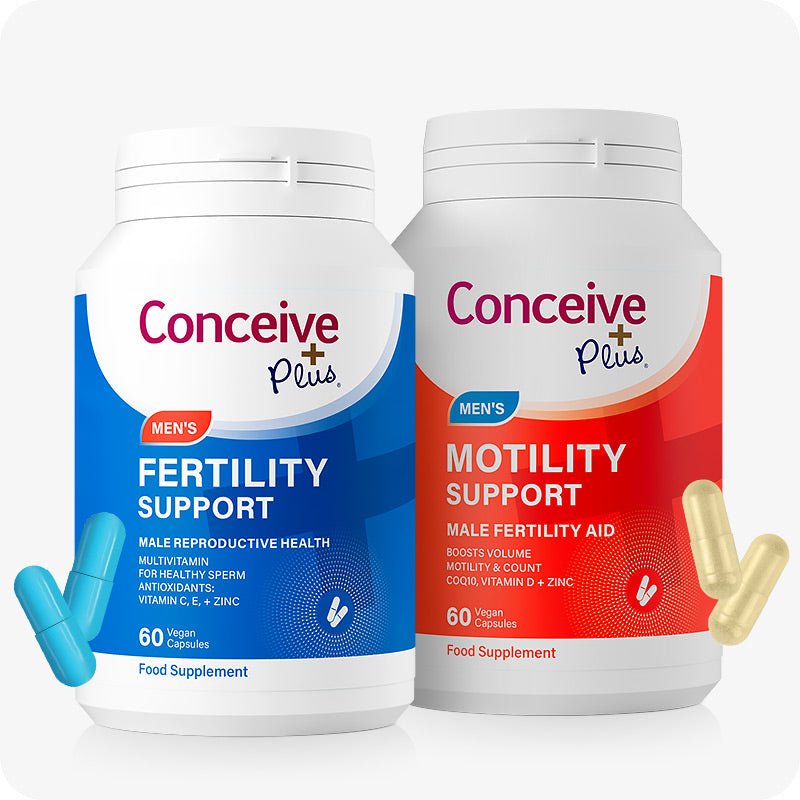
Conceive Plus Motility Support vs. Men’s Fertility Support
Deciding which supplement is right for you depends on your specific needs and previous test results. Conceive Plus Men’s Fertility Support is our comprehensive daily multivitamin, providing a broad foundation for general reproductive health and sperm count. In contrast, our Motility Support formula is an intensive booster, specifically engineered with higher concentrations of L-Carnitine and CoQ10 to address slow swimming speed. These products can be stacked safely to provide maximum nutritional support, though it is vital to consult your GP or a fertility specialist before starting a new regime to ensure it is appropriate for your personal health profile.
The Physical Partner: Fertility Lubricant
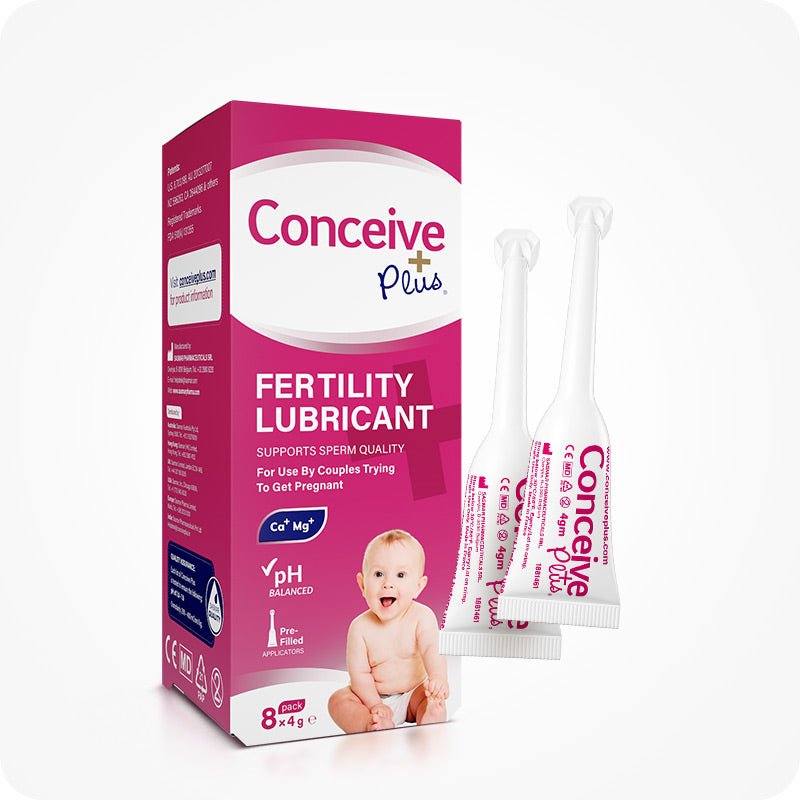
Even when you have optimized your internal health and improved your swimming scores, the external environment during intercourse can still pose a significant challenge. Many standard lubricants found in UK shops have a low pH and high salt levels that can act as a barrier, effectively stopping even the fastest sperm in their tracks. This is an often-overlooked factor in the search for how to increase sperm motility and overall conception rates.
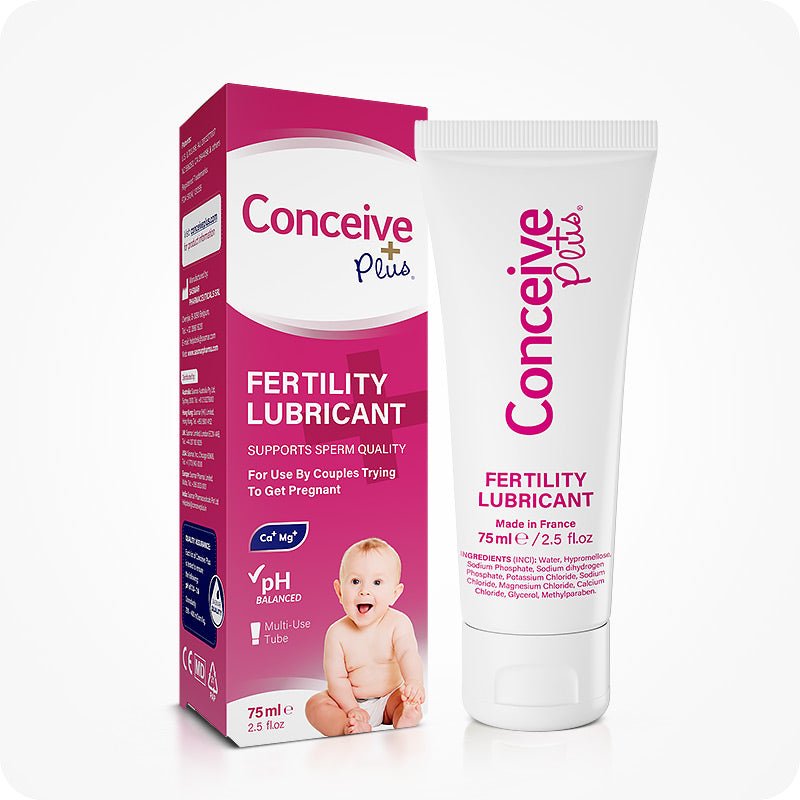
Conceive Plus Fertility Lubricant is specifically formulated to mimic natural fertile fluids, maintaining the ideal pH and electrolyte balance required for sperm survival. By combining internal vitamins with a fertility-friendly lubricant, you create a complete conception toolkit at home. This dual-action approach ensures that the sperm you have worked so hard to nurture over the 90-day cycle are given the best possible chance to reach the egg without being hindered by their environment.
Empowering Your Path to Parenthood
Improving your reproductive health is a journey that requires patience, science, and the right nutritional support. By focusing on the 90-day spermatogenesis cycle and providing your body with the mitochondrial fuel it needs, you're taking a significant step in learning how to increase sperm motility. This steady commitment to your cellular health ensures that every new generation of sperm is given the best possible chance to succeed. It's about more than just numbers; it is about creating the strongest foundation for your future family.
Our solutions are developed by Sasmar Pharmaceuticals and have been trusted by millions of couples since 2008. Each product is scientifically formulated for sperm health and motility, offering a reliable bridge between reproductive science and your personal goals. You don't have to feel overwhelmed by the complexities of fertility; the right support is available to help you feel empowered in your role. To begin your targeted routine, Shop the Conceive Plus Motility Support Range and take a confident step toward your conception goals. We are here to support you with expertise and empathy every step of the way.
Frequently Asked Questions
How long does it take for vitamins to improve sperm motility?
It takes approximately 90 days to see the full impact of vitamins on your results. This timeline reflects the biological cycle of spermatogenesis, the process where new sperm cells are created and matured in the body. By maintaining a consistent routine for three months, you ensure that the generation of sperm being ejaculated has received nutritional support throughout its entire development.
Can Zinc really help my sperm swim faster?
Zinc is a vital mineral that helps sperm swim faster by ensuring the structural integrity of the sperm tail. It acts as a structural architect during the maturation process and helps prevent DNA fragmentation. When considering how to increase sperm motility, ensuring adequate zinc levels is essential, as a deficiency can lead to misshapen sperm that lack the strength for vigorous movement.
Is there a specific vitamin that helps with progressive motility?
L-Carnitine and Coenzyme Q10 are the primary nutrients that support progressive motility. These specific micronutrients target the mitochondria located in the sperm's midpiece, providing the ATP energy required for purposeful, forward movement. While many vitamins support general health, these two are scientifically recognized as the gold standard for improving the speed and endurance of swimming sperm.
Can I take motility vitamins alongside my regular multivitamin?
You can take motility vitamins alongside a regular multivitamin, but you should carefully check for nutrient overlap. It's important to ensure that the combined daily intake of minerals like Zinc and Selenium stays within safe upper limits. Choosing a comprehensive blend can often be a safer and more convenient option, as it provides a balanced ratio of nutrients specifically designed for fertility.
Are there any side effects to taking male fertility supplements?
Most men don't experience side effects when taking fertility supplements at the recommended dosages. In some cases, taking vitamins on an empty stomach might cause mild digestive sensitivity or nausea. Taking your capsules with a meal usually prevents this. As with any new health regime, it's a good idea to consult your GP if you have underlying medical conditions or take prescription medications.
What is the best time of day to take sperm motility vitamins?
The best time to take your motility vitamins is in the morning with a meal that contains healthy fats. Many essential antioxidants, such as Vitamin E and CoQ10, are fat-soluble and require dietary fat for optimal absorption. Taking them at breakfast also helps you maintain the daily consistency required to support the full 90-day sperm production cycle without missing doses.
Do I still need vitamins if my diet is healthy?
Supplements are often beneficial even for those with a healthy diet because therapeutic doses for fertility are difficult to reach through food alone. When looking at how to increase sperm motility, research often points to higher concentrations of nutrients like L-Carnitine than a standard diet provides. Supplements offer a reliable, concentrated way to ensure your body has the specific building blocks required for sperm energy.
Can lifestyle changes replace the need for motility vitamins?
Lifestyle changes are a critical foundation, but they work most effectively when combined with targeted vitamins. While avoiding heat and managing stress removes physical roadblocks to sperm health, vitamins provide the chemical fuel needed for cellular movement. For the best results, you should view lifestyle improvements and nutritional supplementation as two parts of a single, comprehensive strategy for conception.