Secondary Infertility UK: Understanding, Causes, and Finding Your Path Forward


Secondary Infertility UK: Understanding, Causes, and Finding Your Path Forward
You've done it before. You have a child—perhaps a toddler at your feet or a primary schooler begging for a sibling—and yet, for reasons that may feel baffling and deeply unfair, pregnancy isn't happening this time. This experience has a name: secondary infertility. It affects a significant number of families across the United Kingdom, yet it remains one of the least discussed forms of fertility struggle, often dismissed with well-meaning but hurtful comments like "at least you already have one."
This guide is for you—the parents who are trying for another child and finding the journey harder than expected. We'll explore what secondary infertility is, what causes it, when to seek help through the NHS or private routes, and what steps you can take right now to support your fertility.
What Is Secondary Infertility?
Secondary infertility is defined as the inability to conceive or carry a pregnancy to term after previously having done so. The term applies whether your previous conception was straightforward or required fertility treatment. It is typically diagnosed after 12 months of regular unprotected intercourse without conception for those under 35, or after 6 months for those 35 and older—though many couples seek advice sooner.
According to NHS data and fertility research, secondary infertility is surprisingly common. Some estimates suggest it accounts for nearly half of all infertility cases in the UK. Yet despite its prevalence, it receives far less public attention and emotional support than primary infertility (never having conceived). Many GPs and well-meaning friends may inadvertently minimise the experience, making it harder for affected couples to access the understanding and support they deserve.
Secondary infertility can feel particularly destabilising because there's an assumption—from yourself and others—that since you've been pregnant before, conception should happen again naturally. When it doesn't, the confusion and grief can be profound.
Common Causes of Secondary Infertility
Supporting Your Fertility Journey
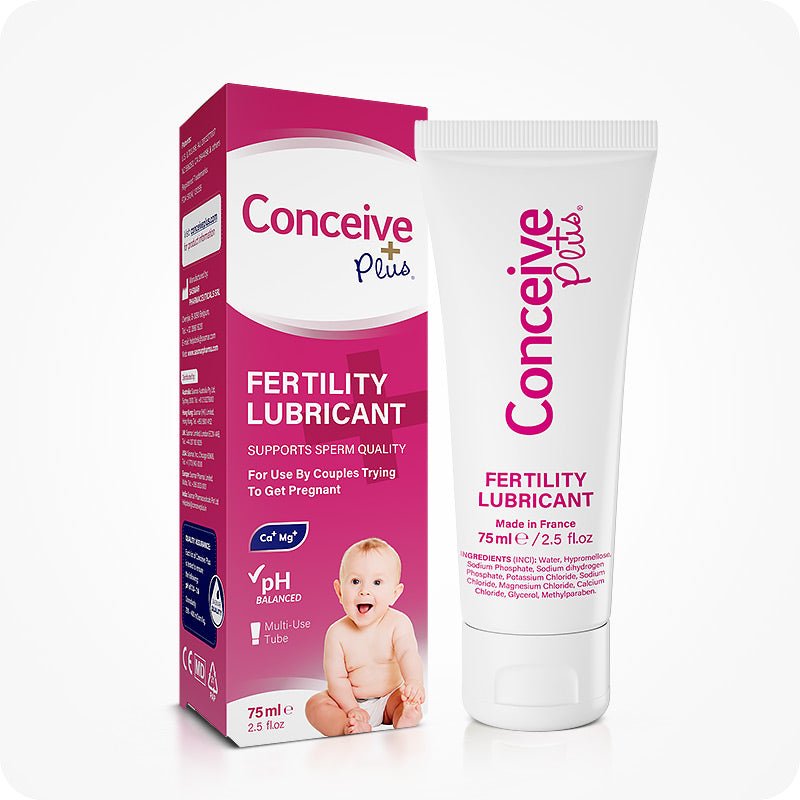
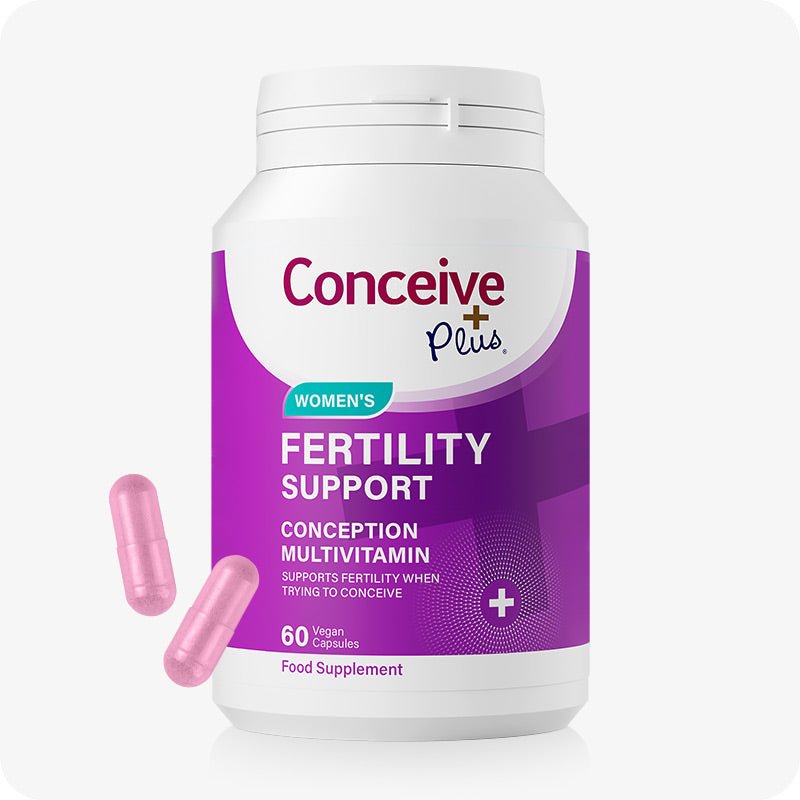
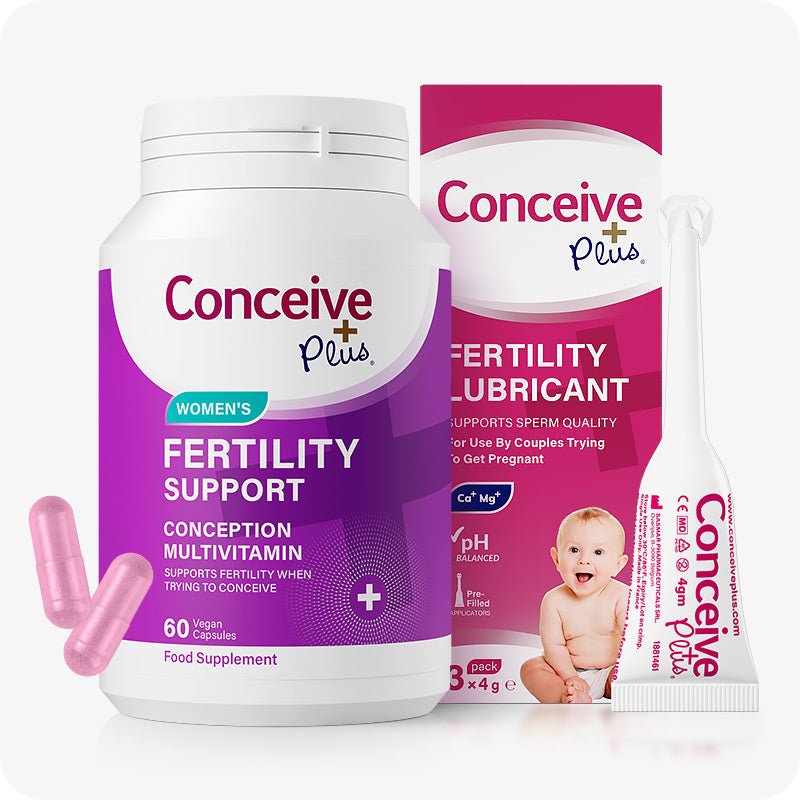
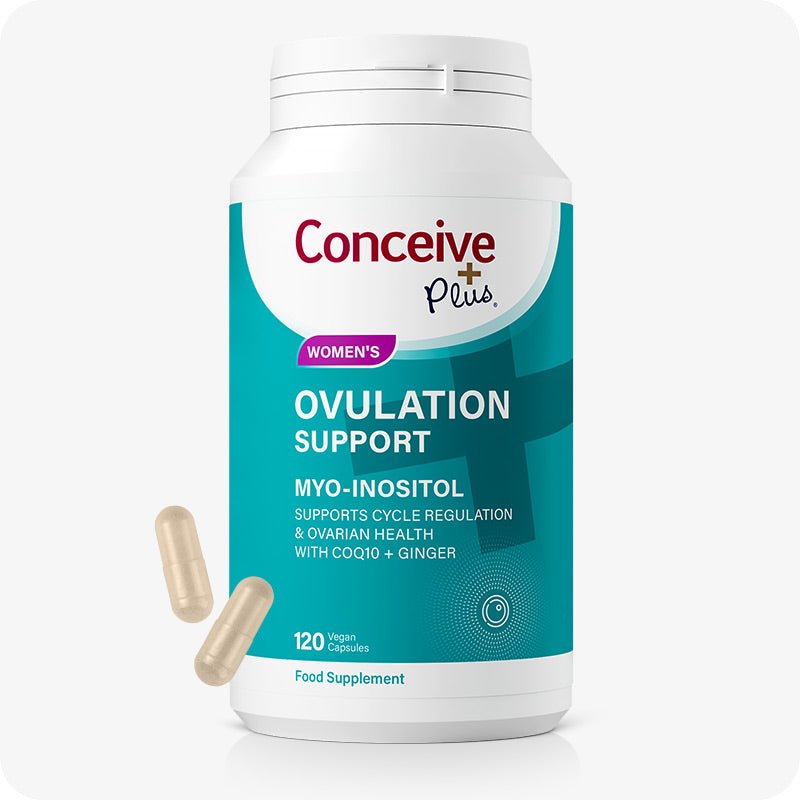
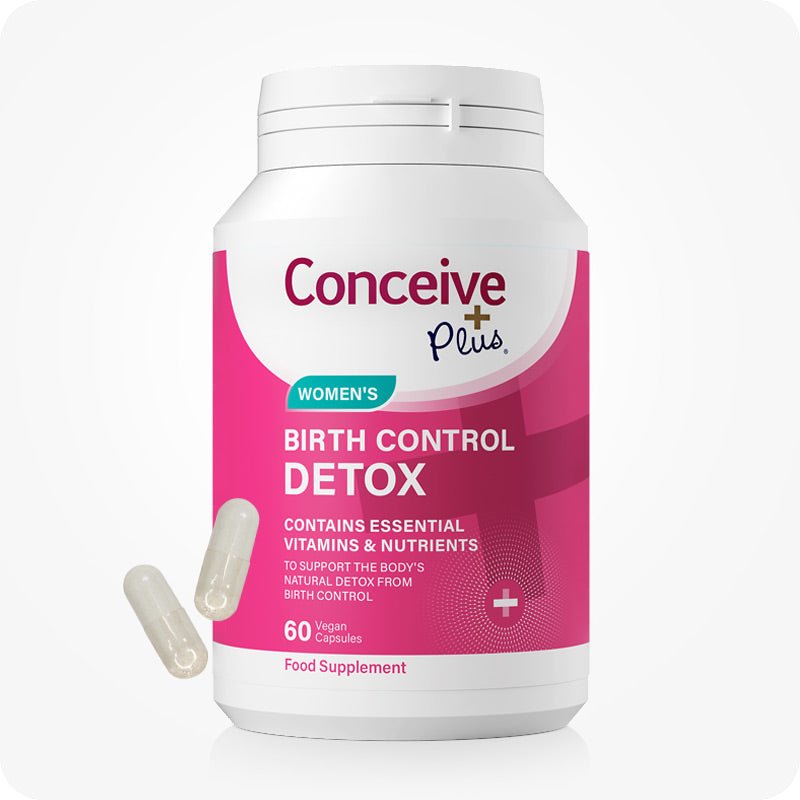
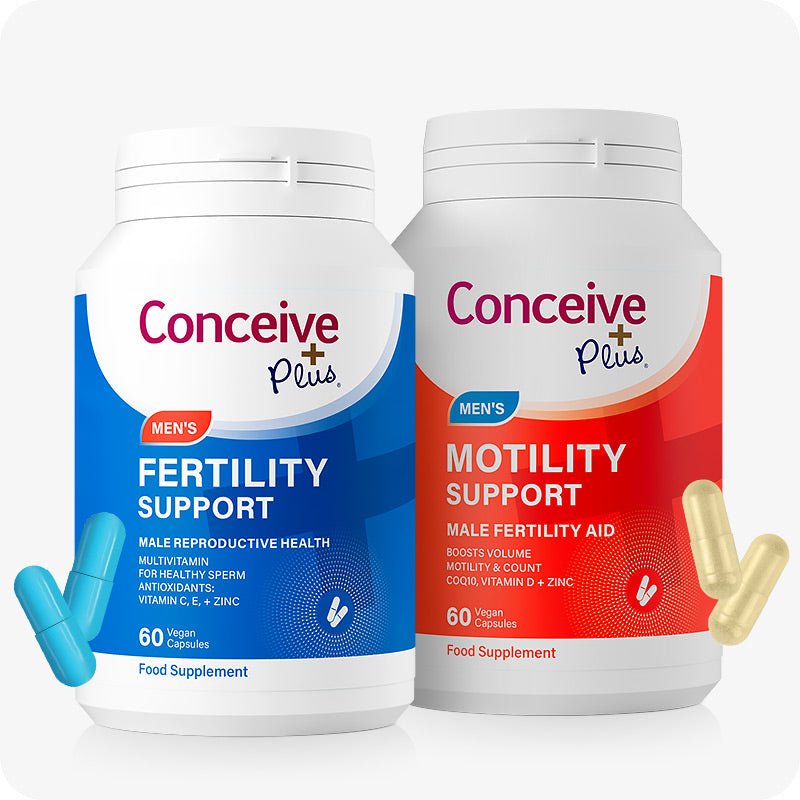
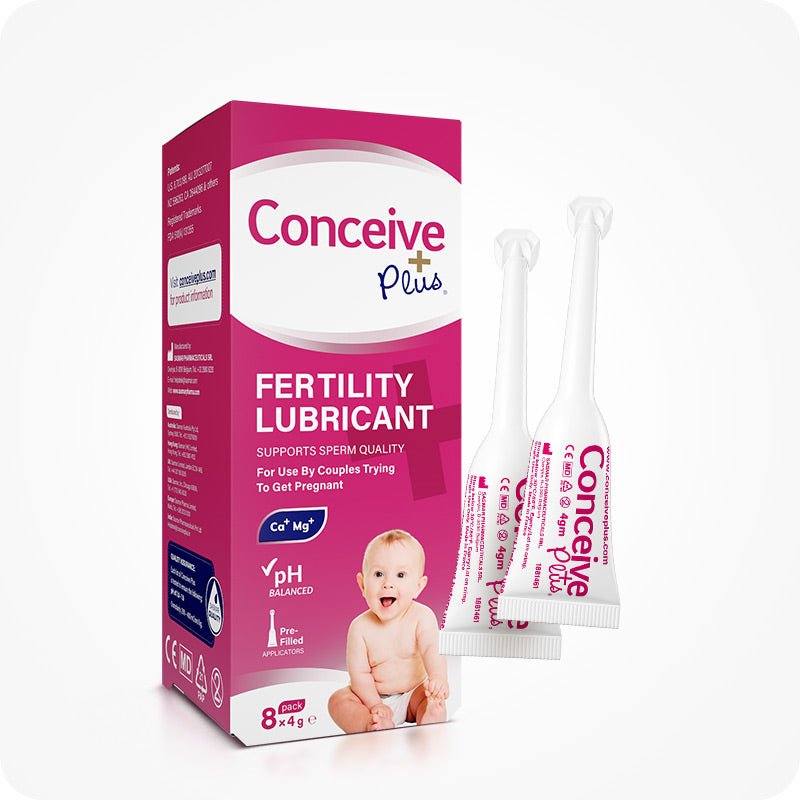
Conceive Plus offers a comprehensive range of fertility lubricants and supplements specifically designed to support couples navigating secondary infertility. Our fertility-friendly lubricant mimics natural cervical mucus and is safe for sperm, while our supplements provide targeted nutritional support for both partners. Together, they offer a complete approach to supporting your body as you try for your next pregnancy.
The causes of secondary infertility often mirror those of primary infertility, but several factors are particularly relevant to those who have already had children:
- Age: The most significant factor for many couples. A woman in her late 30s who conceived easily at 28 or 30 may find her ovarian reserve significantly reduced. Egg quality declines notably after age 35, with a more pronounced decline after 38. Sperm quality also declines with age, though more gradually.
- Complications from Previous Pregnancy or Birth: Previous deliveries can sometimes affect future fertility. Uterine scarring from a caesarean section (Asherman's syndrome), infection following birth or miscarriage, or changes to cervical structure can all impede future conception or implantation.
- Changes in Weight: Significant weight gain or loss since your last pregnancy can disrupt hormonal balance, affecting ovulation and sperm production. Even modest changes outside the healthy range can impact reproductive hormones.
- New or Worsening Gynaecological Conditions: Endometriosis, fibroids, or polycystic ovary syndrome (PCOS) may develop or worsen between pregnancies without obvious symptoms. These conditions can significantly affect fertility even if they weren't an issue during the first conception.
- Changes in Partner's Fertility: Male factor issues can develop over time. Varicocele (enlarged veins in the testicles), changes in hormone levels, new medical conditions, medications, or lifestyle factors like increased stress or weight gain can all affect sperm quality.
- Lifestyle Factors: The demands of parenting can take a toll. Disrupted sleep, reduced physical intimacy due to exhaustion, increased alcohol consumption, and elevated stress levels are all common among parents of young children—and all can affect fertility.
- Thyroid Dysfunction: Thyroid conditions, particularly hypothyroidism, can develop in women after pregnancy (postpartum thyroiditis) and, if untreated, can interfere with ovulation and early pregnancy.
- Recurrent Miscarriage: For some couples, the issue isn't conception but maintaining a pregnancy. Recurrent miscarriage (three or more losses) affects approximately 1% of couples in the UK and has its own range of underlying causes.
Navigating the NHS: Getting Help in the UK
Accessing NHS fertility support for secondary infertility can be more complicated than for primary infertility. NHS Clinical Commissioning Groups (now Integrated Care Boards, or ICBs) set local criteria for fertility treatment funding, and these criteria vary significantly across England, Wales, Scotland, and Northern Ireland.
Critically, many ICBs exclude couples from NHS-funded IVF if either partner already has a child from the current or a previous relationship. This is a source of significant frustration and heartbreak for many families. However, diagnostic investigations—blood tests, semen analysis, ultrasound scans—should still be available through your GP regardless of your existing family circumstances.
Steps to take through the NHS:
- See your GP: After 12 months of trying (or 6 months if you're 35+), book an appointment with your GP. Be honest about how long you've been trying and any relevant history from your previous pregnancy.
- Request initial tests: Your GP can arrange hormone blood tests (FSH, LH, AMH, TSH, prolactin), a semen analysis for your partner, and a pelvic ultrasound to check for structural issues.
- Ask for a referral: If initial tests indicate an issue, or after appropriate investigation time, ask for a referral to a reproductive medicine specialist.
- Understand your local criteria: Ask your GP or the fertility clinic about your ICB's specific criteria for funded treatment. Some areas are more generous than others.
If NHS-funded IVF is not available in your area, or if you want to explore options sooner, private fertility clinics offer consultations, investigations, and treatment on a self-pay basis. The cost of IVF in the UK typically ranges from £3,000 to £5,000 per cycle before medication costs, so it's worth understanding your options fully before committing.
Emotional Impact: The Grief That Isn't Always Acknowledged
One of the most difficult aspects of secondary infertility is the complex and often unacknowledged emotional landscape it creates. Unlike couples experiencing primary infertility, those with secondary infertility often feel they lack "permission" to grieve—or that their pain is somehow less valid because they already have a child.
The reality is that the desire for another child is entirely legitimate. The grief of not being able to give your child a sibling, the sense of your family feeling "incomplete," and the monthly disappointment of another failed cycle are all real and significant losses. Many couples also navigate guilt—feeling they shouldn't be sad when they have a child to love—which adds another layer of complexity to an already painful experience.
Seeking emotional support is not a sign of weakness. Useful resources in the UK include:
- The Fertility Network UK: The UK's leading patient support charity for anyone affected by fertility challenges, including secondary infertility. Their helpline, online community, and local support groups are invaluable.
- Relate: If fertility struggles are placing strain on your relationship—which is extremely common—couples counselling can provide a safe space to communicate and support each other.
- Counselling through fertility clinics: Licensed fertility clinics in the UK are required by the HFEA (Human Fertilisation and Embryology Authority) to offer patients access to counselling services.
Lifestyle Optimisation for Secondary Infertility
While medical investigation is important, there is much you can do proactively to support your fertility through lifestyle changes. The following evidence-based steps can make a meaningful difference:
- Achieve and maintain a healthy weight: Both low and high BMI affect fertility. A healthy BMI (18.5–24.9) supports regular ovulation in women and healthy sperm production in men. Even a 5–10% reduction in weight for those in the overweight range can restore ovulation and improve fertility.
- Limit alcohol: Research consistently links alcohol consumption with reduced fertility in both men and women. For women trying to conceive, the NHS recommends avoiding alcohol entirely. For men, heavy drinking is associated with reduced sperm quality.
- Stop smoking: Smoking accelerates the decline of ovarian reserve and is associated with earlier menopause. It also significantly damages sperm DNA. If either partner smokes, quitting is one of the most impactful steps you can take.
- Manage stress: Chronic stress disrupts the hormonal cascade that regulates ovulation. While "just relax" is not helpful advice, genuine stress management—through exercise, mindfulness, therapy, or adequate rest—does support reproductive health.
- Prioritise sleep: Sleep deprivation disrupts hormonal balance, including the release of LH and FSH that govern the menstrual cycle. Parents of young children are often chronically sleep-deprived—this is worth addressing where possible.
- Time intercourse appropriately: With the demands of parenting, couples often have less frequent sex than during their first conception attempt. Tracking ovulation and ensuring intercourse in the fertile window (the 5 days before and day of ovulation) maximises conception chances.
Nutritional Support and Supplementation for Secondary Infertility
Optimising nutrition is one of the most accessible and evidence-based steps couples can take when trying for a second child. Key nutrients for both partners include:
- Folate/Methylfolate (women): Should be taken by all women trying to conceive—400 mcg minimum, with 5 mg recommended for women with certain risk factors. Start at least 3 months before trying to conceive.
- CoQ10 (both partners): Supports egg quality in women (particularly important if age is a factor) and sperm motility and DNA integrity in men. Doses of 200–600 mg daily are commonly used.
- Vitamin D: Deficiency is extremely common in the UK due to limited sunlight. Vitamin D supports hormonal balance, immune function, and uterine receptivity. Aim for 1,000–2,000 IU daily, with blood testing to guide dosing.
- Zinc and Selenium (men): Essential for sperm development and DNA protection. A comprehensive men's fertility supplement should contain both in bioavailable forms.
- Omega-3 fatty acids: Support hormonal balance, reduce inflammation, and are critical for fetal brain development once pregnancy is achieved.
When to Consider Private Fertility Treatment
If NHS-funded treatment isn't available for secondary infertility in your area, or if you'd prefer to pursue treatment more quickly, private clinics offer a range of options. The right treatment depends on the underlying cause identified through investigation:
- Ovulation induction: For women with irregular or absent ovulation, medication (clomifene citrate or letrozole) can stimulate the release of eggs. This is often a first-line treatment and less invasive than IVF.
- Intrauterine Insemination (IUI): Sperm is prepared and placed directly into the uterus around ovulation. Often tried before IVF, particularly if the main issue is mild male factor or unexplained infertility.
- IVF: In vitro fertilisation may be recommended if other treatments have been unsuccessful or if investigations reveal significant barriers to natural conception. Success rates vary significantly with age—a factor to consider when timing private treatment.
- Surgical intervention: If investigations reveal fibroids, polyps, uterine scarring, or endometriosis, surgical treatment may improve natural conception chances or IVF outcomes.
Frequently Asked Questions About Secondary Infertility in the UK
Q: How long should we try before seeking help for secondary infertility?
A: The general guideline is 12 months of trying if you're under 35, or 6 months if you're 35 or older. However, if you have known risk factors (irregular cycles, previous complications, known conditions like PCOS or endometriosis), see your GP sooner.
Q: Will the NHS fund IVF for secondary infertility?
A: This depends entirely on your local Integrated Care Board (ICB). Many ICBs in England exclude couples where either partner already has a living child from NHS-funded IVF. It's essential to ask your GP about local criteria. Scotland and Wales have different (sometimes more generous) criteria.
Q: Can a previous caesarean section cause secondary infertility?
A: In some cases, yes. Uterine scarring (Asherman's syndrome) can develop after caesarean sections, and a "caesarean scar niche" can affect implantation. These are relatively uncommon but worth investigating if you've had a C-section and are experiencing difficulty conceiving.
Q: Is secondary infertility more common than people think?
A: Yes. Research suggests secondary infertility accounts for up to 50% of all infertility cases. It's simply less visible because affected couples often already have a child and may be less likely to discuss their struggles publicly.
Q: Can stress from parenting affect fertility?
A: Yes, chronic stress elevates cortisol levels, which can disrupt the hormonal signals governing ovulation and sperm production. Sleep deprivation and physical exhaustion—common among parents of young children—compound these effects.
Q: At what age should we be most concerned about secondary infertility?
A: While secondary infertility can affect couples of any age, age-related decline in egg quality and quantity becomes a significant factor for women approaching 35. If you're 35 or older and have been trying for 6 months without success, seek medical advice promptly.
Q: Can male fertility change significantly between pregnancies?
A: Yes. Sperm quality can be affected by changes in age, health status, medications, lifestyle factors (weight gain, alcohol, stress), and new medical conditions like varicocele. A semen analysis is a simple and important first step in investigation.
Q: What is the emotional support available for secondary infertility in the UK?
A: Fertility Network UK is the leading UK charity and offers a helpline, online community, and local support groups. Counselling services are also available through licensed fertility clinics (required by the HFEA) and through private therapists specialising in fertility challenges.
Q: Should both partners be tested for secondary infertility?
A: Absolutely. Male factor issues contribute to approximately 40–50% of all infertility, including secondary infertility. A semen analysis is non-invasive, relatively affordable, and provides crucial information. Investigating only one partner delays diagnosis and appropriate treatment.
Ready to Take the Next Step?
Conceive Plus understands that secondary infertility can feel isolating and confusing—especially when you've successfully conceived before. Our fertility lubricant and supplement range is designed to support both partners through this journey, addressing the nutritional and physical factors that influence conception. Thousands of couples in the UK trust Conceive Plus to support their path to parenthood.